Al Jazeera panel examines shift from ideology to pragmatism in global diplomacy
A recent discussion on Al Jazeera’s Inside Story highlights how geopolitical conflicts, including the US-Israel war on Iran, are driving nations to prioritise pragmatic economic and security interests over traditional ideological blocs.
Al Jazeera’s Inside Story programme aired an episode on 23 May 2026 titled “Is pragmatism replacing ideology in international affairs?”, exploring whether pragmatic national interests are superseding traditional ideological alignments in global diplomacy. The discussion featured commentary from Brahma Chellaney, professor emeritus of strategic studies at the Centre for Policy Research; Chris Weafer, chief executive officer at Macro-Advisory; and Shaun Rein, founder and managing director of the China Market Research Group.
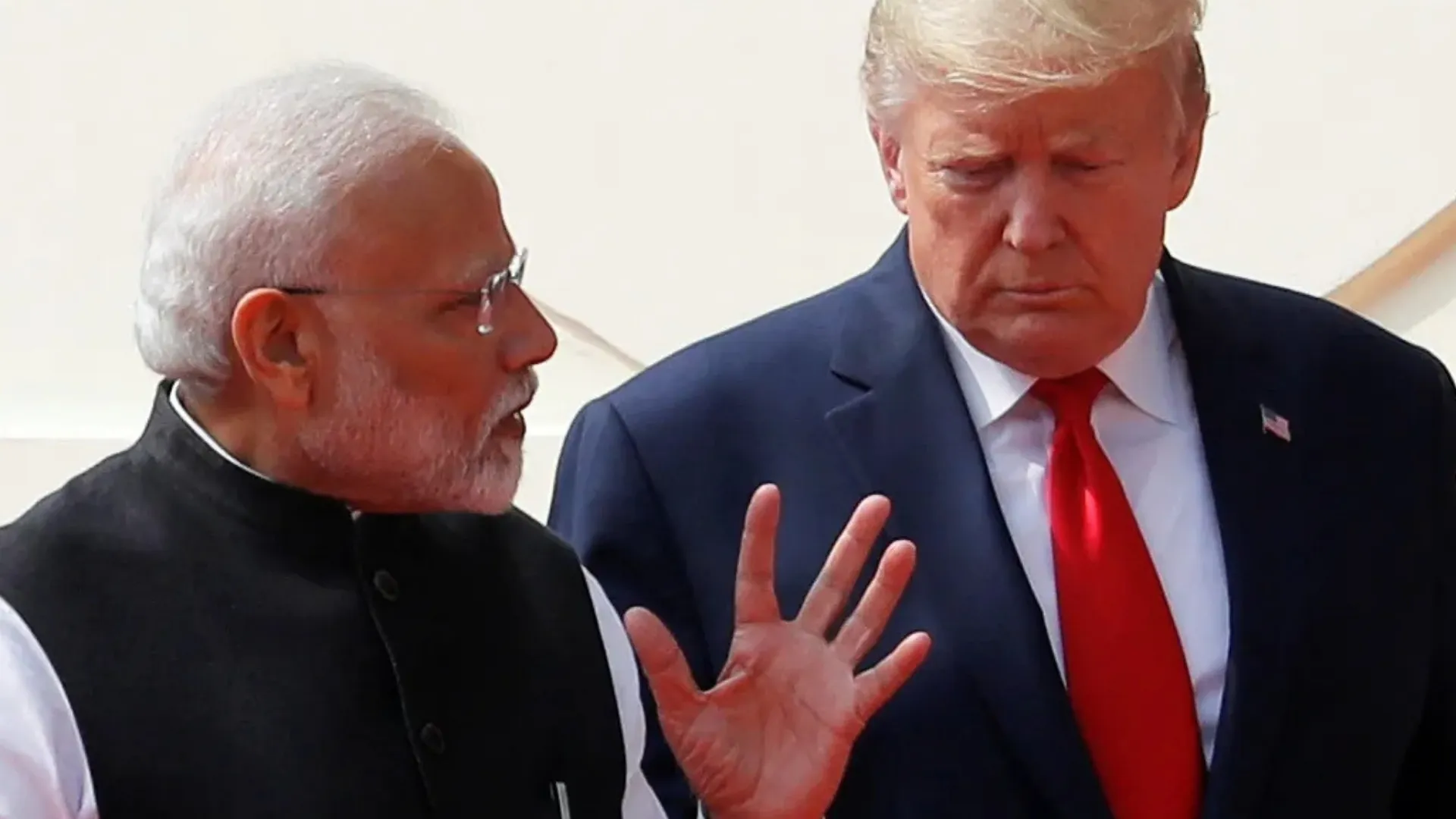
The programme cited the recent reconciliation between the United States and India as a primary example of shifting diplomatic dynamics. This rapprochement followed a year of diplomatic volatility involving the imposition and subsequent scrapping of tariffs between the two nations. The tariff disputes were contextualised within the broader framework of the US-Israel war on Iran, illustrating how external conflicts can directly influence bilateral trade negotiations.
The overarching thesis presented during the segment was that overlapping interests and conflict are increasingly shaping modern international relations. According to the analysis, these factors are making global diplomacy more complex and interlinked, suggesting a departure from rigid ideological divisions that previously characterised state interactions.
While the episode did not provide specific dates for when the tariffs were imposed or removed, it noted that the diplomatic see-saw occurred over the course of a year prior to the broadcast. The exact nature and current status of the US-Israel war on Iran were referenced as the backdrop for these negotiations, though the scope of the conflict was not fully elaborated in the source material.
The participation of Chellaney, Weafer, and Rein underscored the multi-faceted nature of the issue, bringing perspectives from strategic studies, macro-advisory, and market research. Their involvement highlighted the growing consensus among analysts that national security and economic imperatives are increasingly prioritising over traditional ideological blocs in the current geopolitical landscape.