ScienceDraft
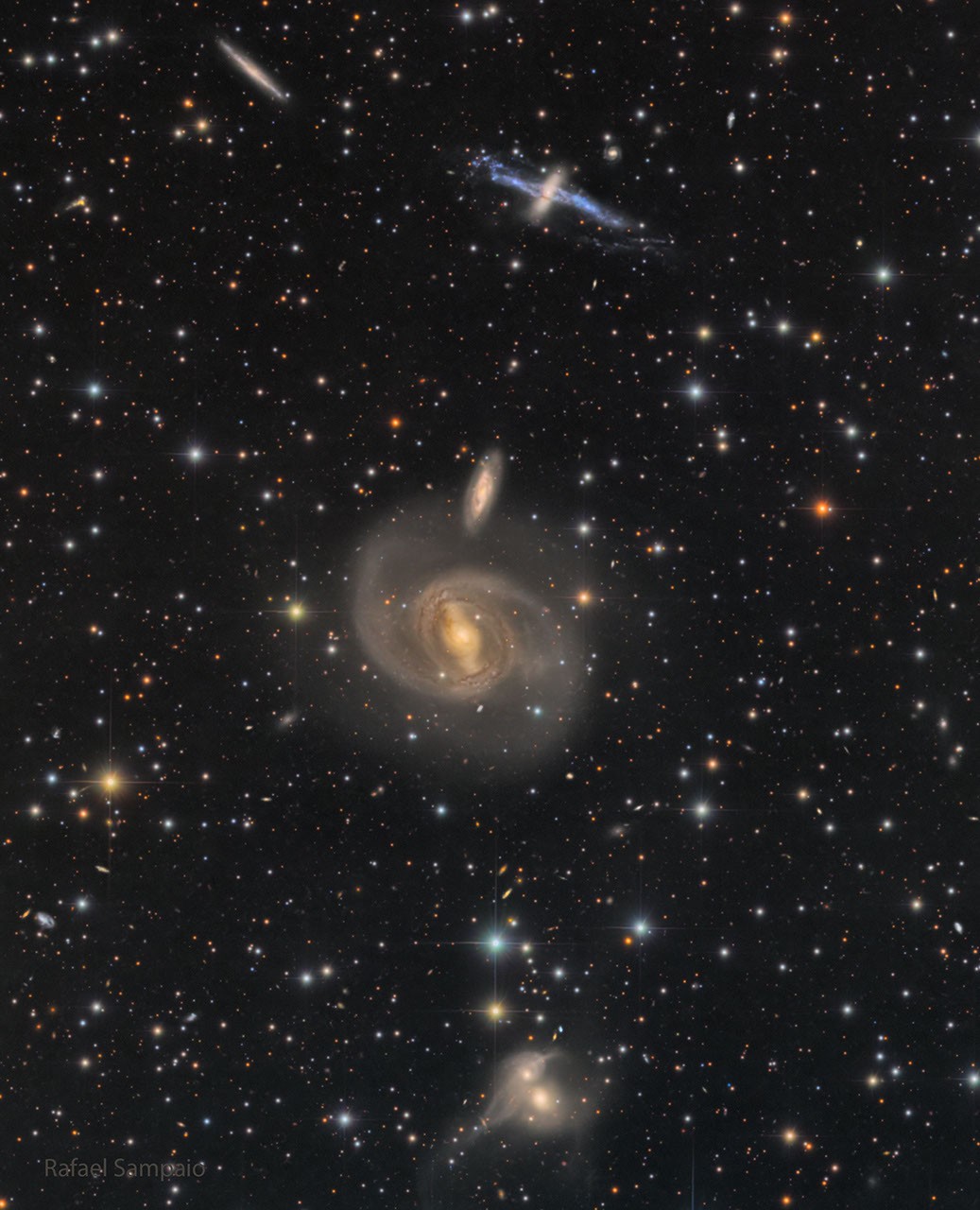
NASA APOD highlights three distinct galaxy pairs in Centaurus Cluster
New analysis of the Centaurus Galaxy Cluster reveals varying stages of galactic interaction, from past collisions to future mergers.
Science DeskRead story
Research, discovery, space, energy systems, and the breakthroughs redrawing what is possible.
New analysis of the Centaurus Galaxy Cluster reveals varying stages of galactic interaction, from past collisions to future mergers.
An image captured by Dan Bartlett shows periodic comet 10P/Tempel 2 appearing to pierce the globular star cluster Messier 30, though the objects are separated by 28,000 light-years.
Presentations scheduled for 10 to 12 August will cover the NISAR mission, mineral resource discovery, and environmental monitoring platforms.
Scientists used the IXPE mission to study magnetar 1E 1547-5408, potentially revealing a phenomenon physicists have theorised for nine decades.
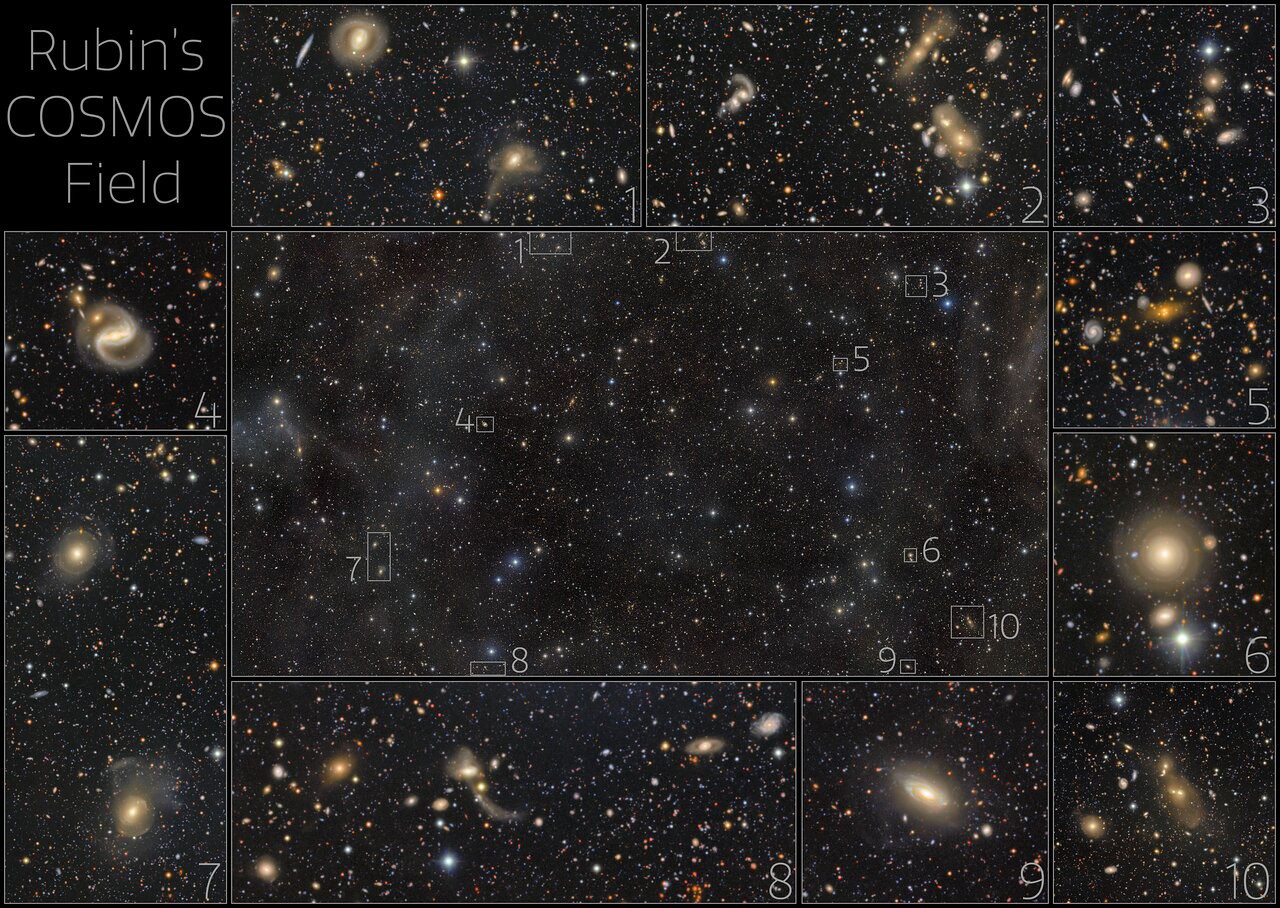
The NSF-DOE Vera C. Rubin Observatory in Chile has delivered a high-resolution view of the COSMOS field, revealing more than 500,000 galaxies in a patch of sky several times larger than the full moon.
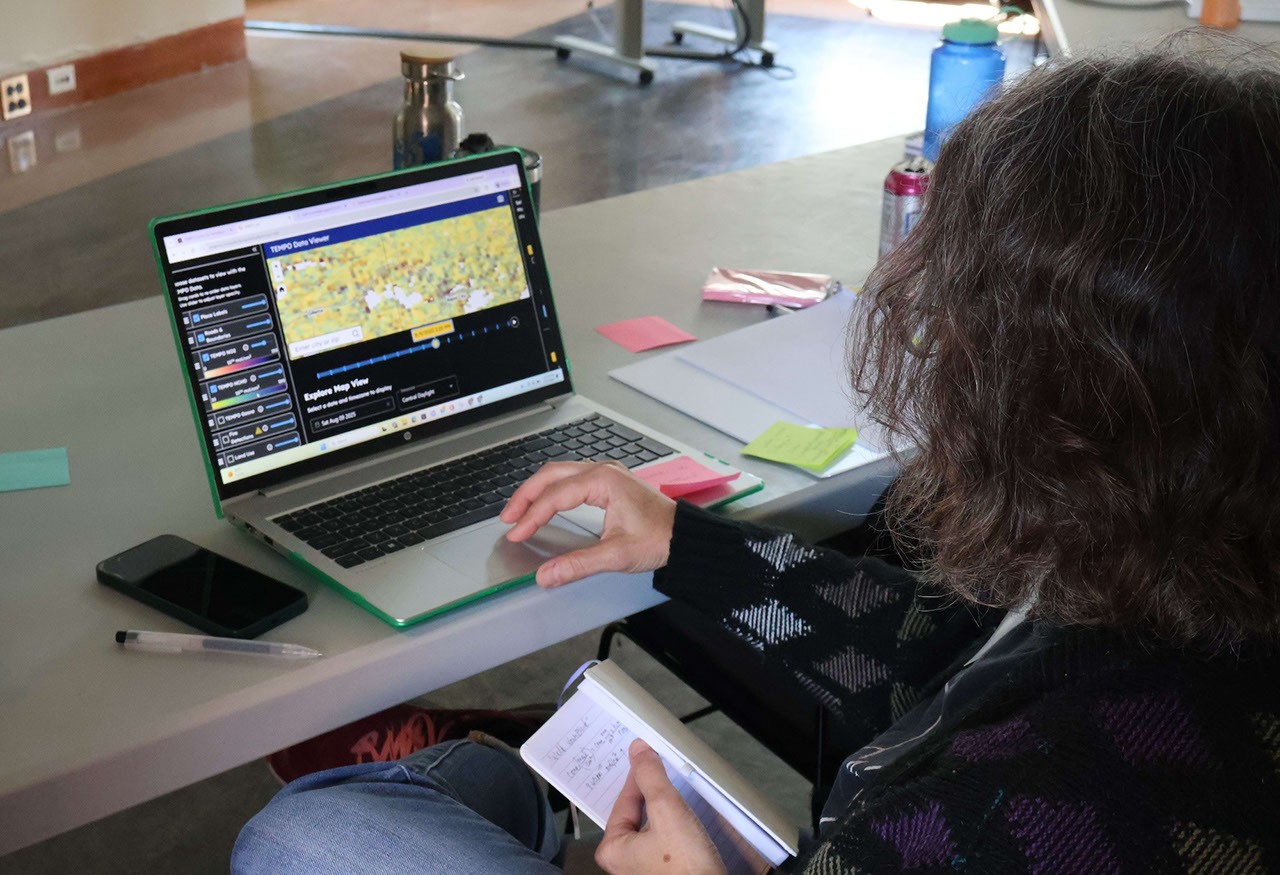
A three-day workshop brought together 13 educators to co-develop curriculum resources using near-real-time data from NASA’s TEMPO mission, aiming to empower young people to analyse local air quality and inform community action.
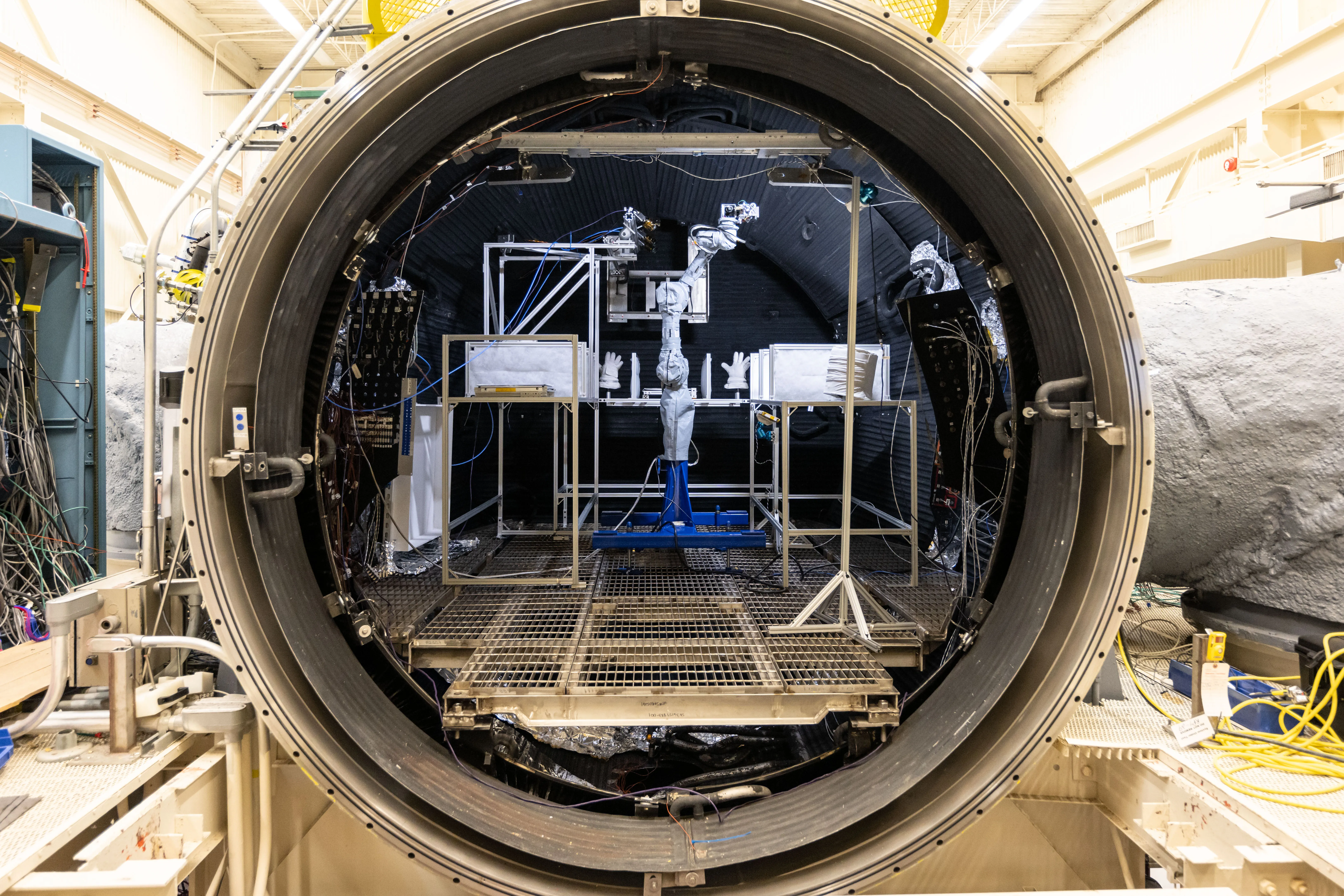
The Lunar Development and Test Facility at Johnson Space Center is evaluating how abrasive lunar dust affects equipment and astronaut health ahead of future Moon missions.
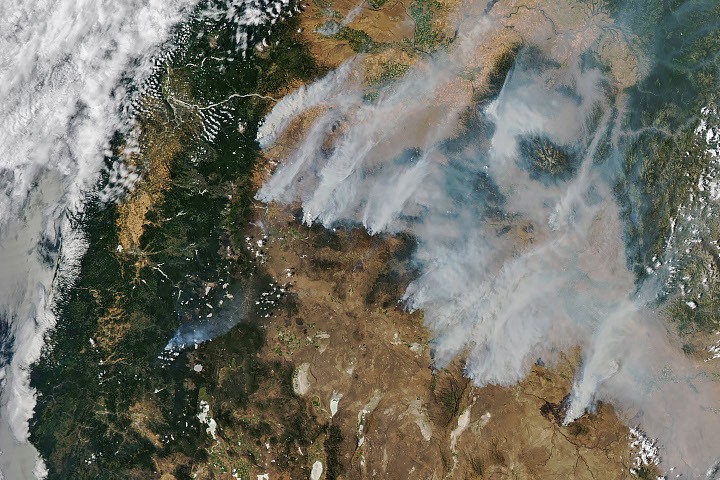
State officials invoke emergency powers and deploy 10,000 firefighters as drought conditions fuel rapid fire spread across central and eastern Oregon.
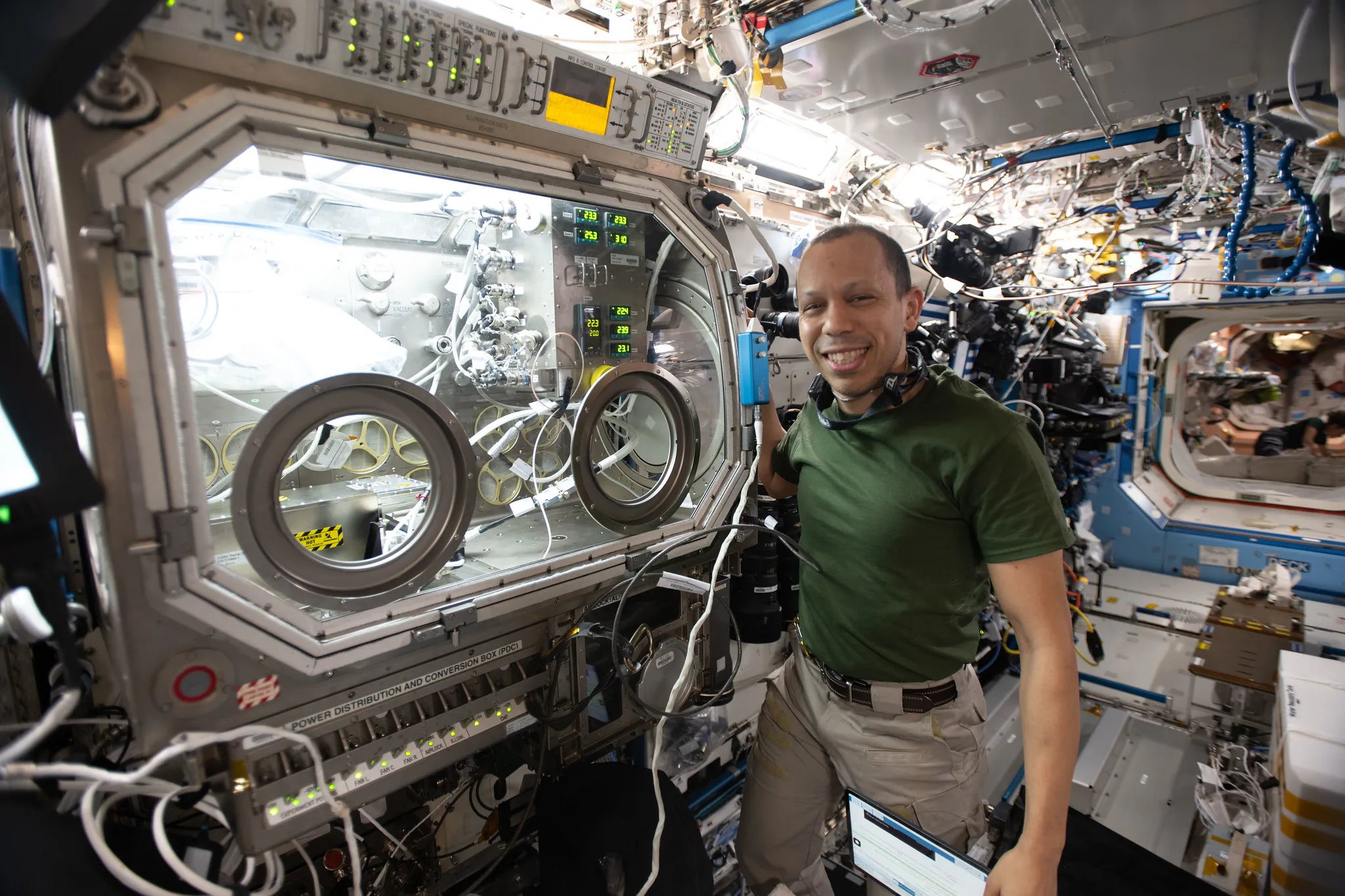
Williams will recap his eight-month mission, including two spacewalks and scientific research, at a news conference on Tuesday, August 4.
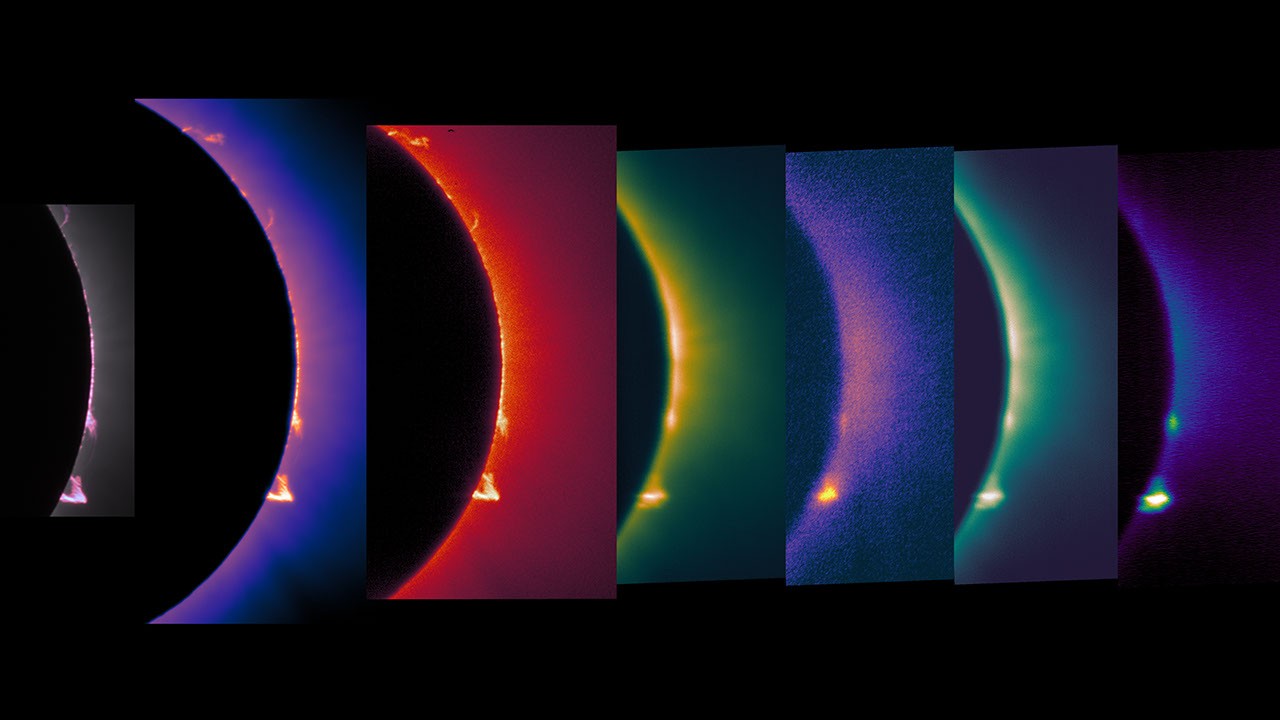
A NASA-funded campaign will utilise a high-altitude jet and scientific balloons to investigate solar dynamics and atmospheric changes during the total solar eclipse on 12 August 2026.
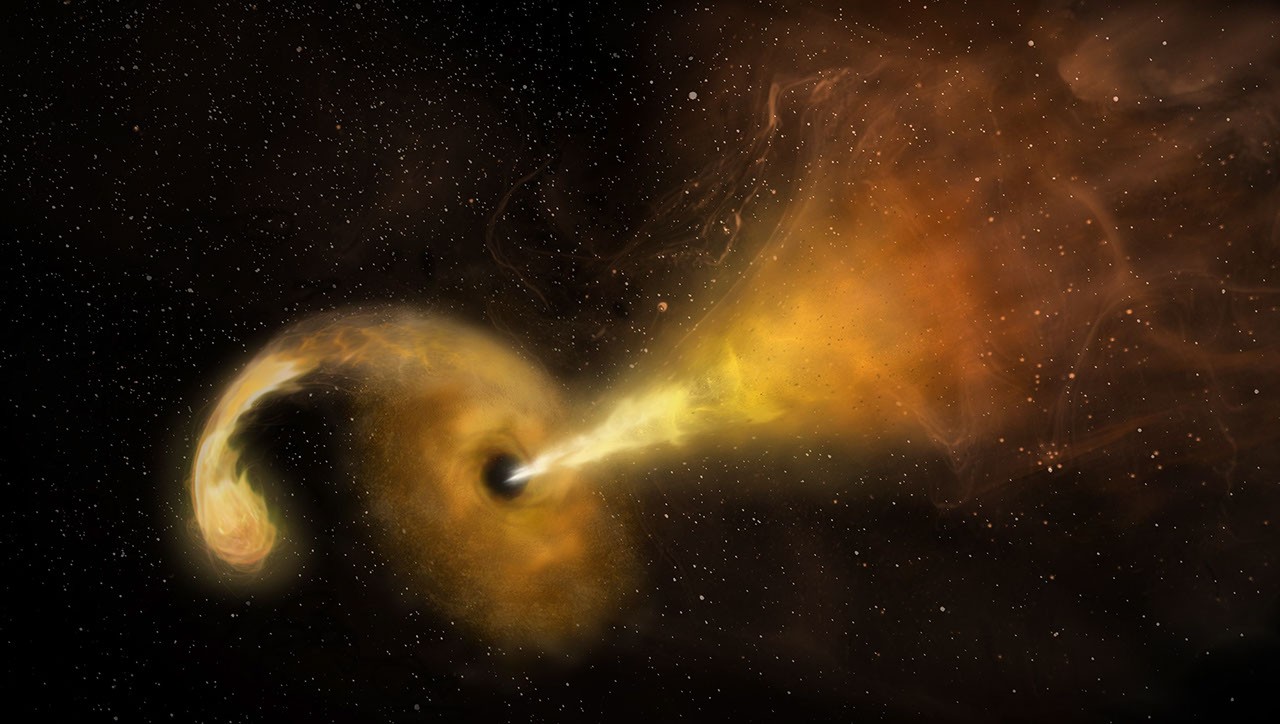
An orphan supermassive black hole, located 30,000 light-years from its host galaxy’s core, was identified devouring a star, offering a new method to find invisible cosmic heavyweights.
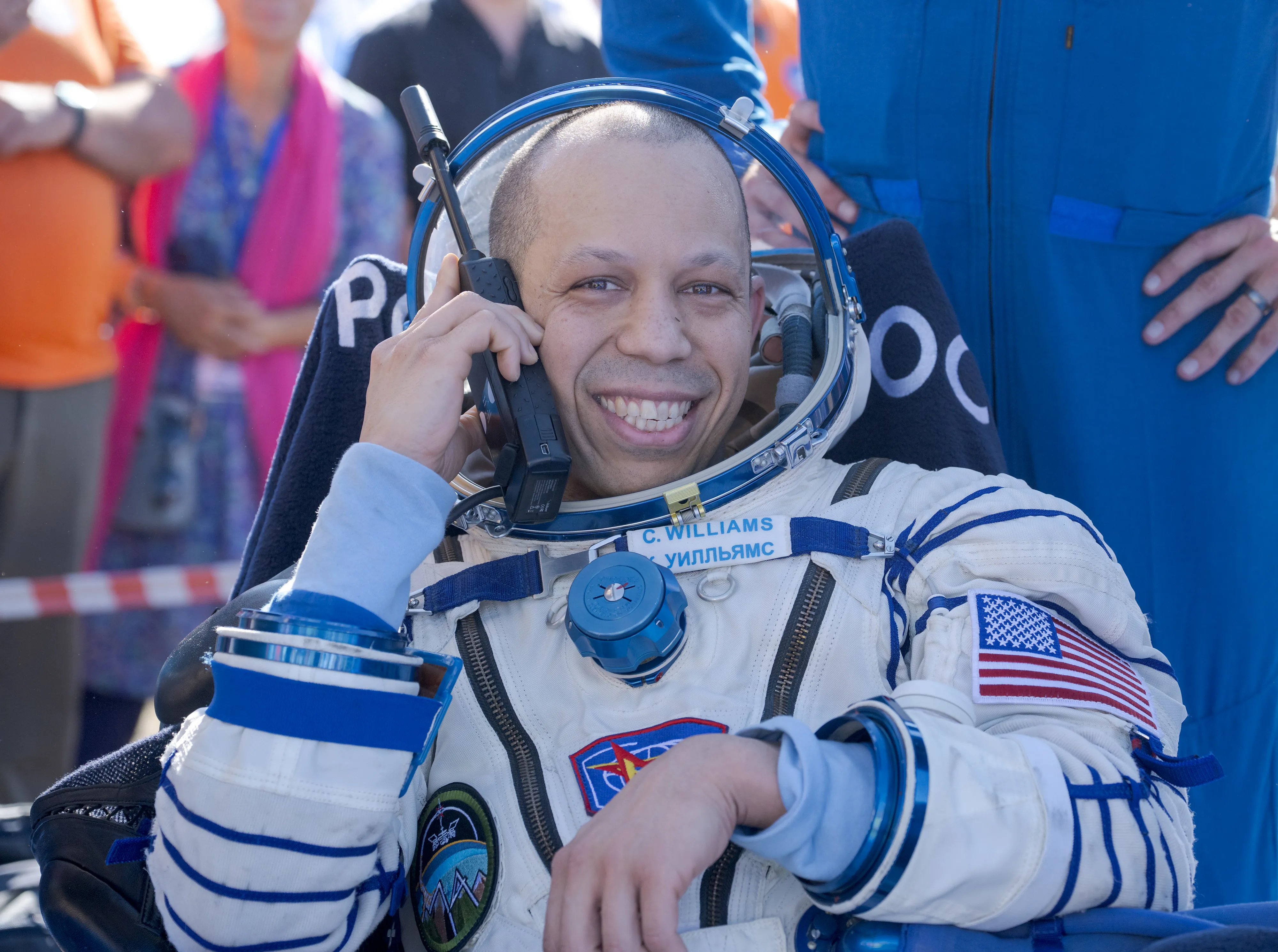
Williams landed in Kazakhstan on July 26, 2026, alongside Roscosmos cosmonauts Sergey Kud-Sverchkov and Sergei Mikaev, marking the end of his initial six-month rotation which extended to eight months.
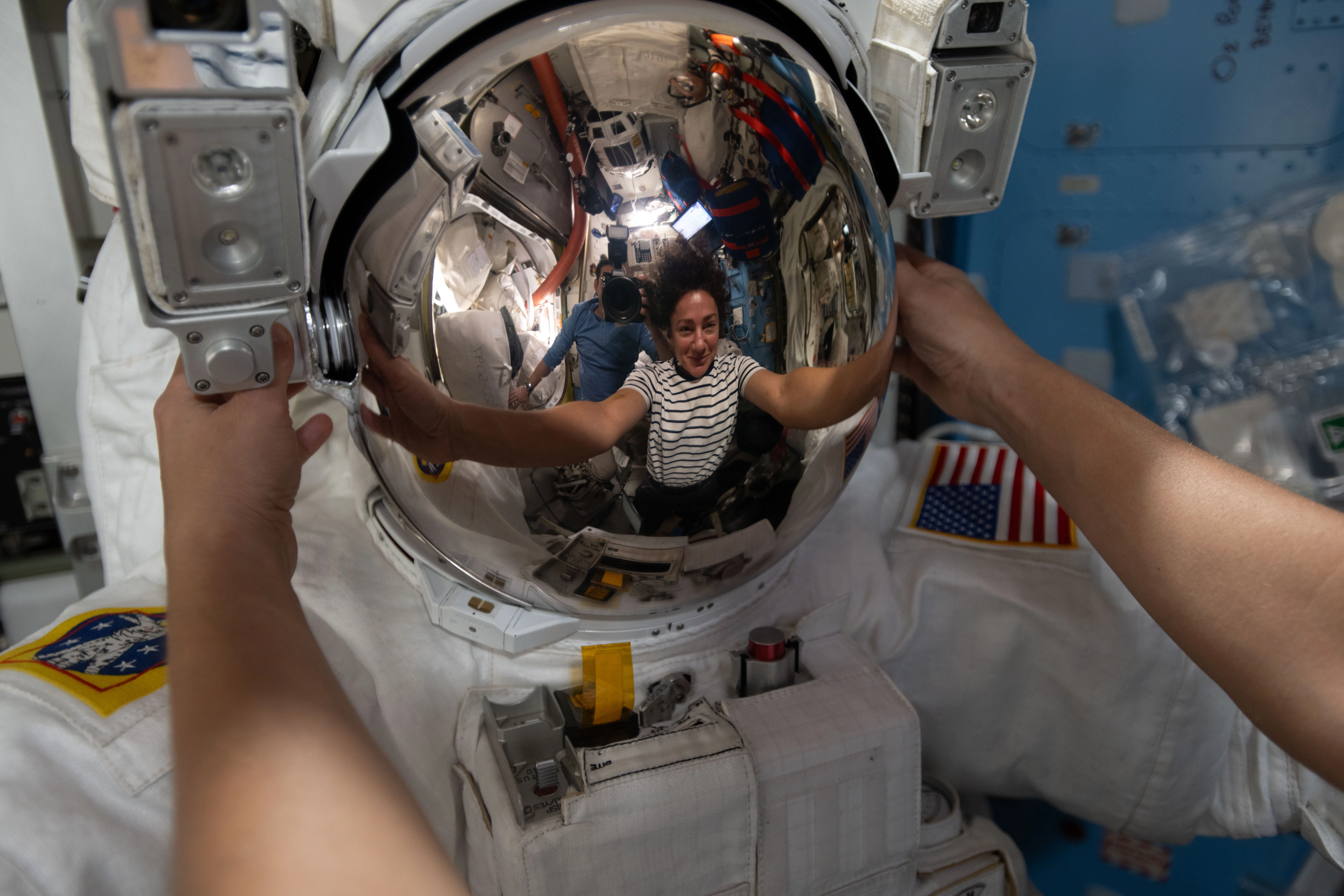
A preview news conference will be held on July 30 at NASA’s Johnson Space Center to outline the objectives for the 281st, 282nd, and 283rd spacewalks.
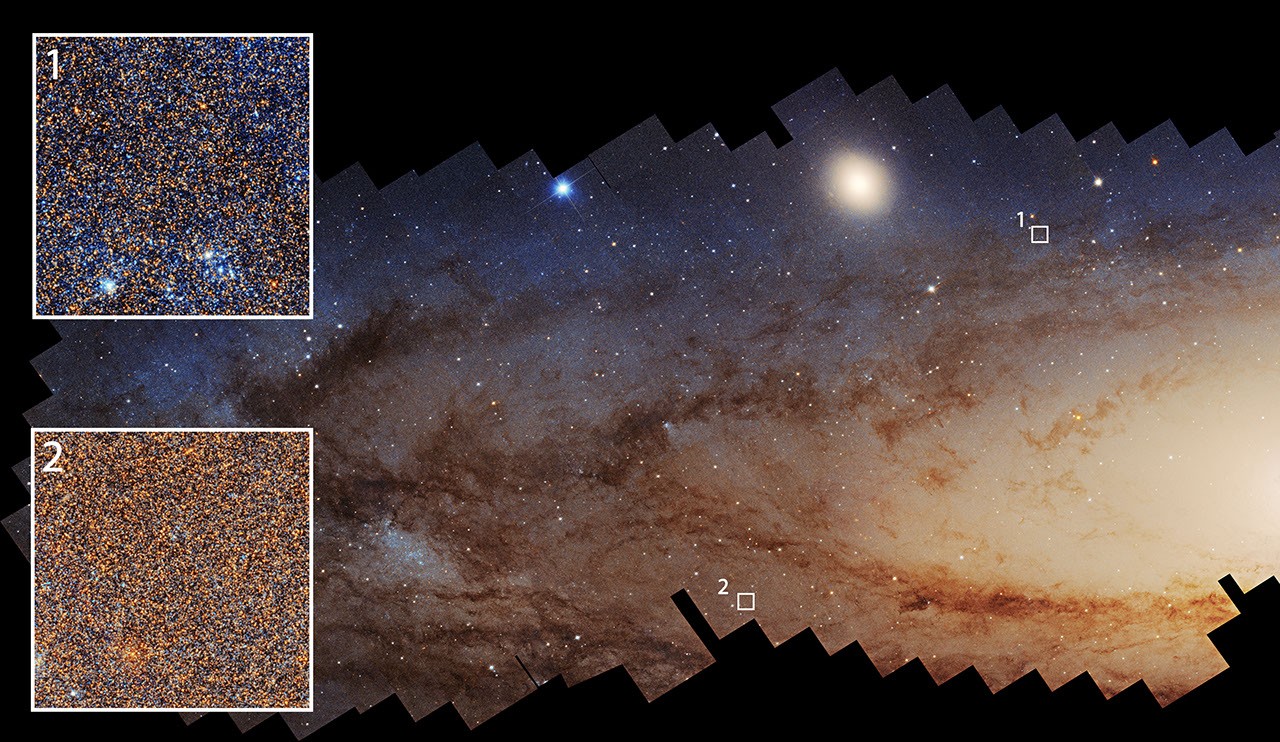
Research published in The Astrophysical Journal shows star formation has dropped from one solar mass per year to one-fifth, driven by a natural cooling rather than a lack of material.
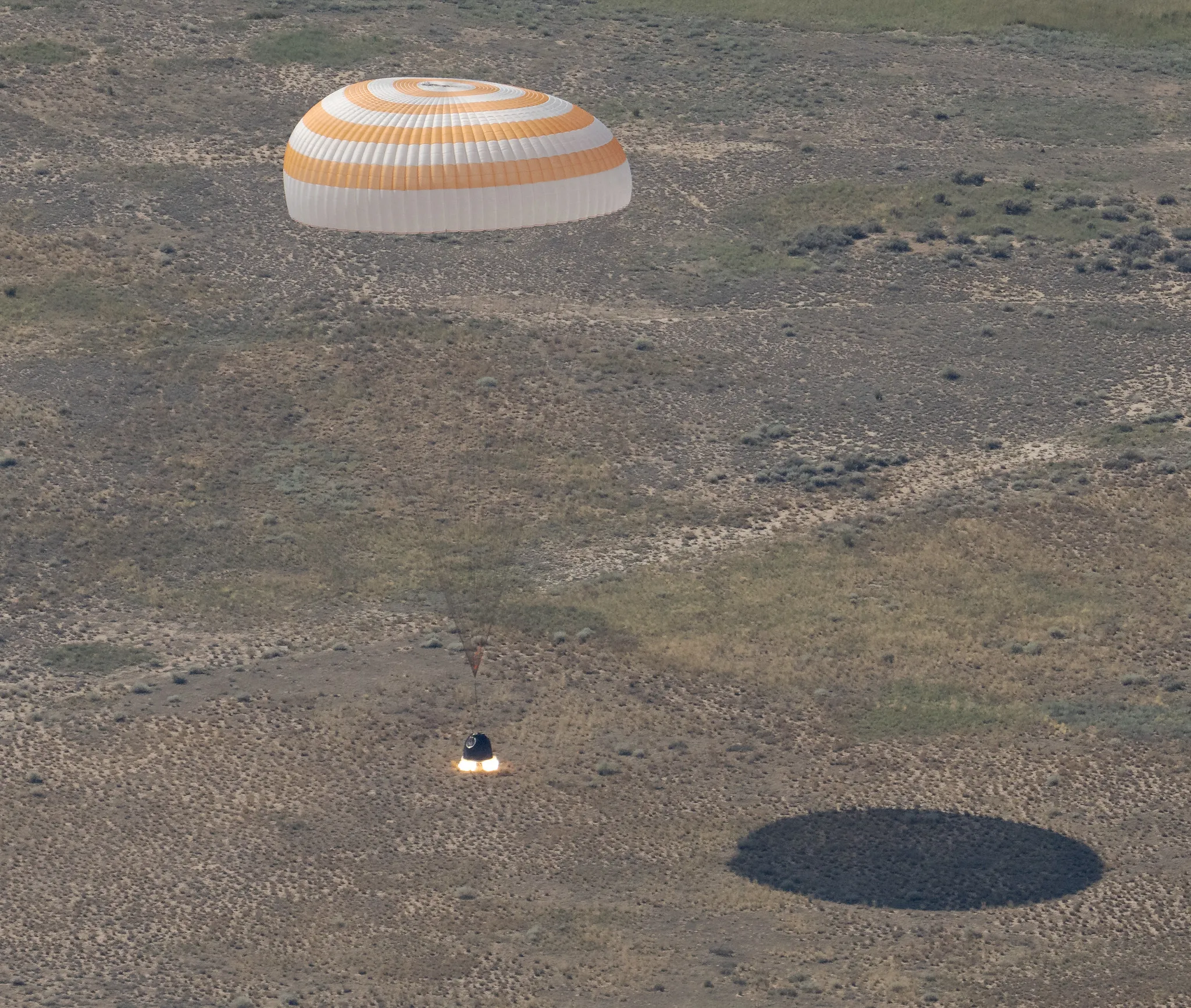
Williams, alongside Roscosmos cosmonauts Sergey Kud-Sverchkov and Sergei Mikaev, concludes mission that included cancer treatment research and robotic arm repairs
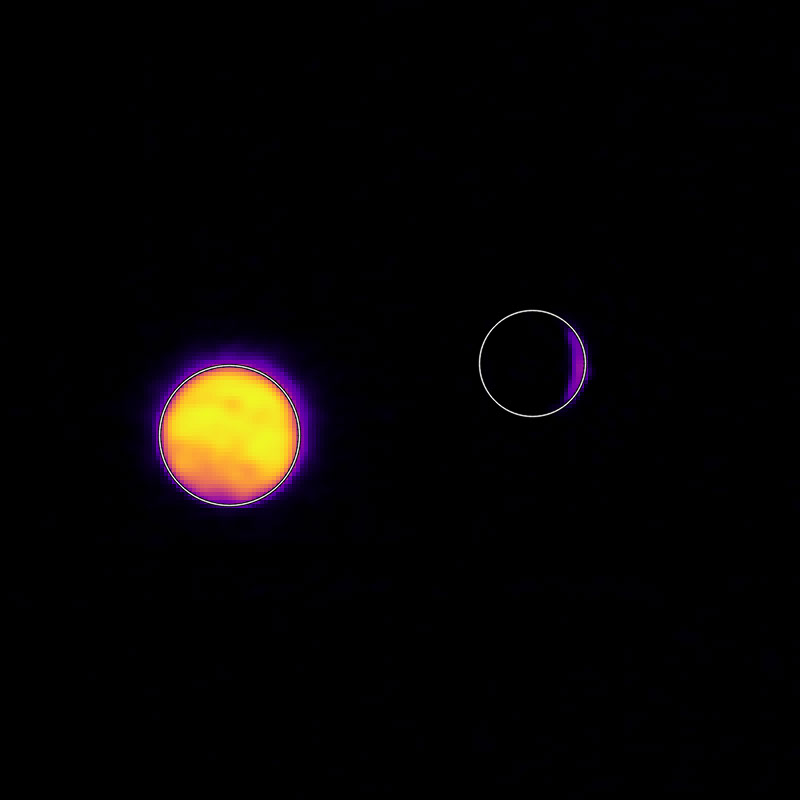
Images taken from Lagrange point 2 show thermal signatures of Earth and the cooling lunar surface, confirming camera functionality for upcoming solar wind studies.
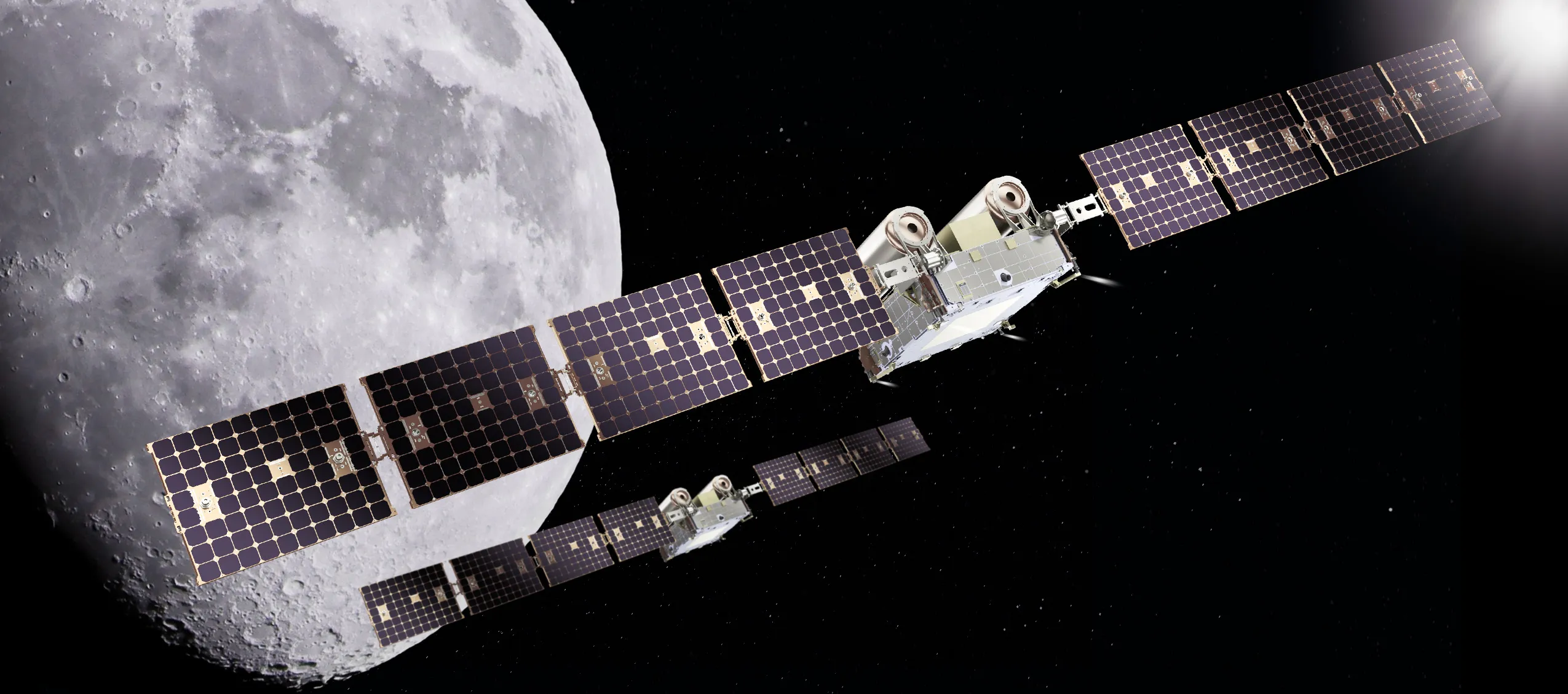
Advanced Space selected to deploy two 400-kilogram spacecraft for autonomous navigation and rendezvous demonstrations in cislunar space.
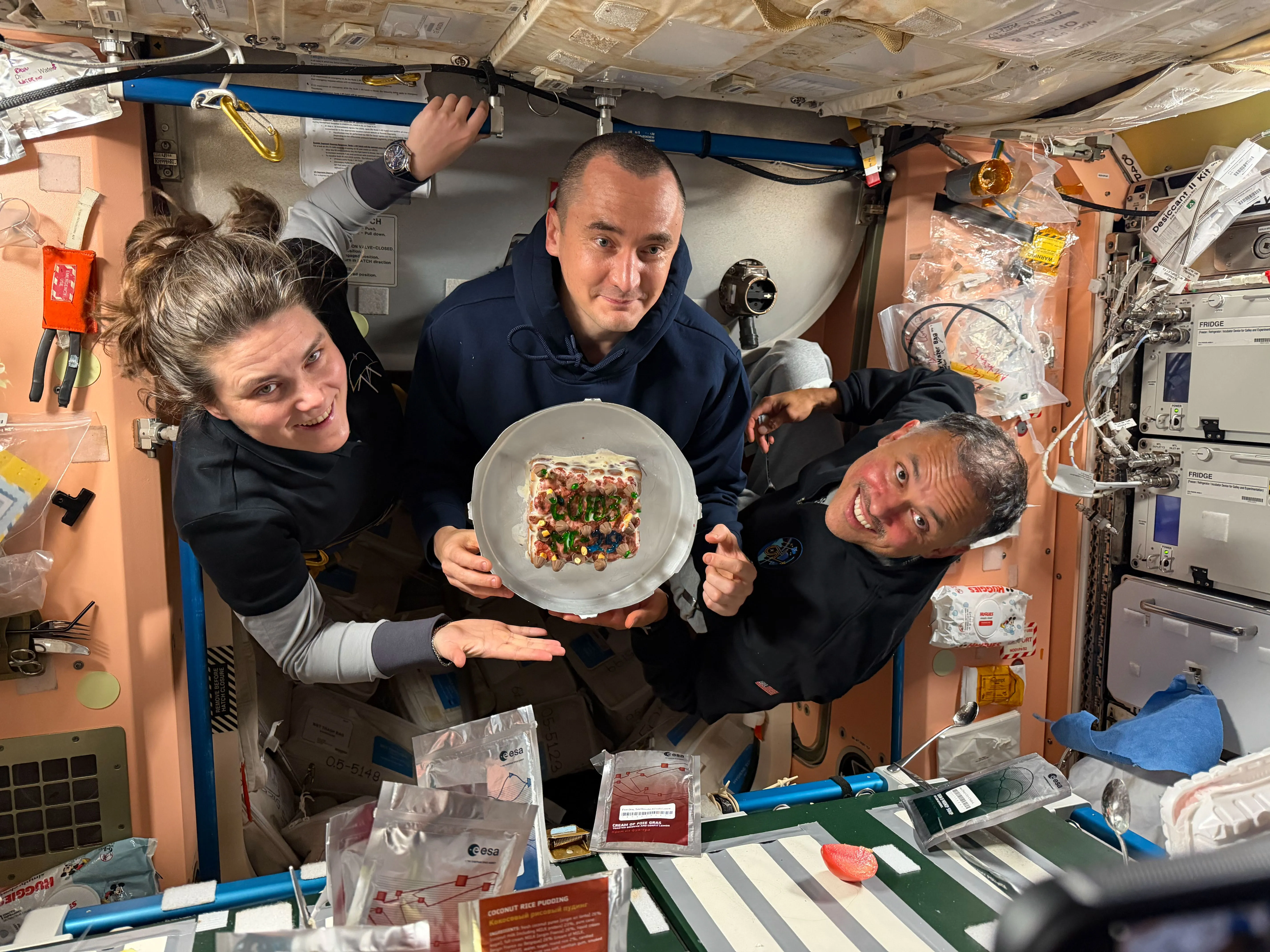
Flight engineers Anna Kikina, Pyotr Dubrov, and Anil Menon launched from Kazakhstan on July 14 and are now conducting research while familiarising themselves with station systems.
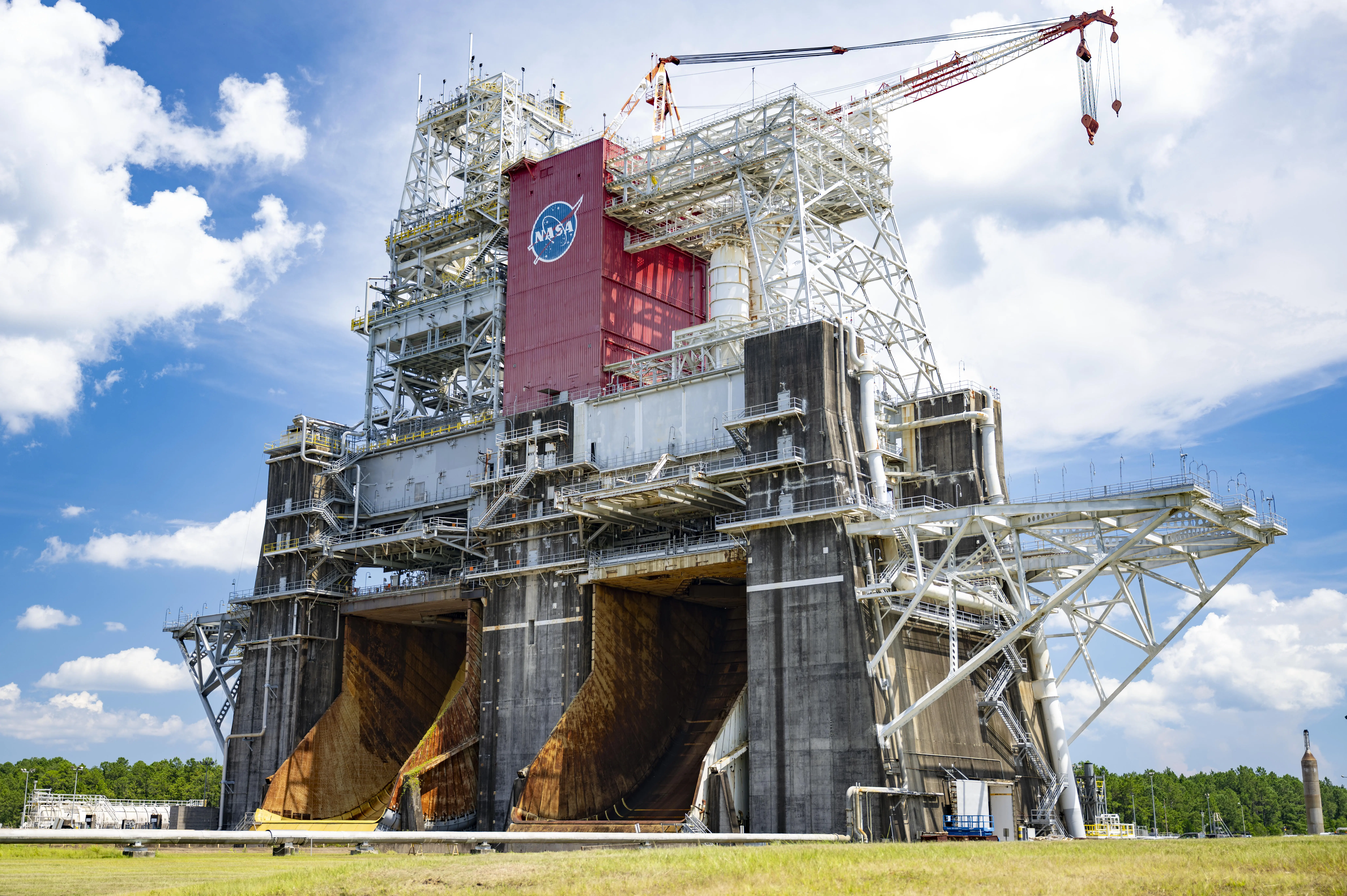
The agreement involves second-stage hot-fire testing on the historic B-2 test stand, with operations scheduled to begin in autumn 2026.
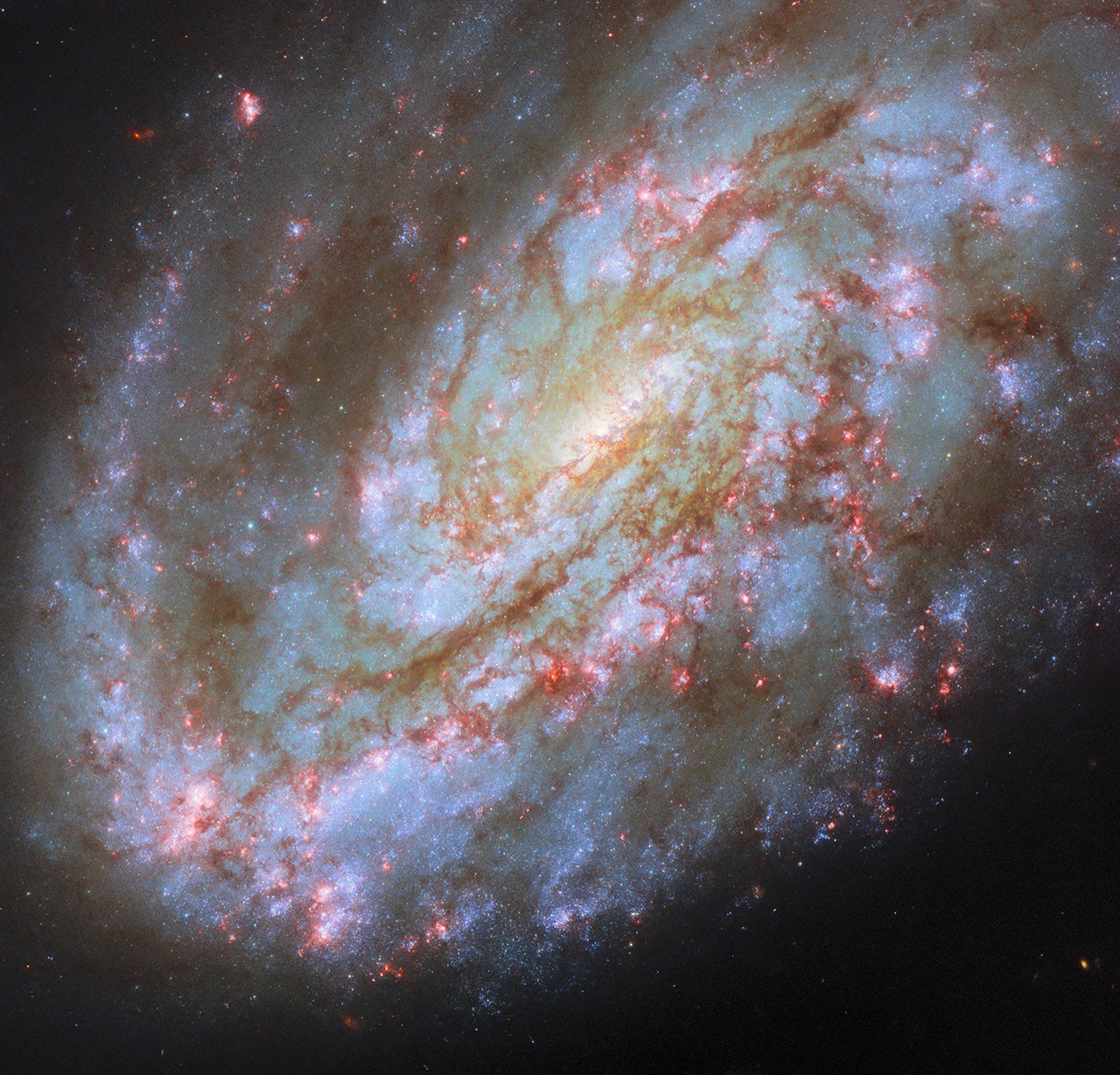
NASA’s Hubble Space Telescope has released detailed observations of NGC 4654, an intermediate spiral galaxy located 72 million light-years away. The data highlights how high-velocity movement through the Virgo Cluster and a past gravitational encounter have created its distinctive lopsided form.
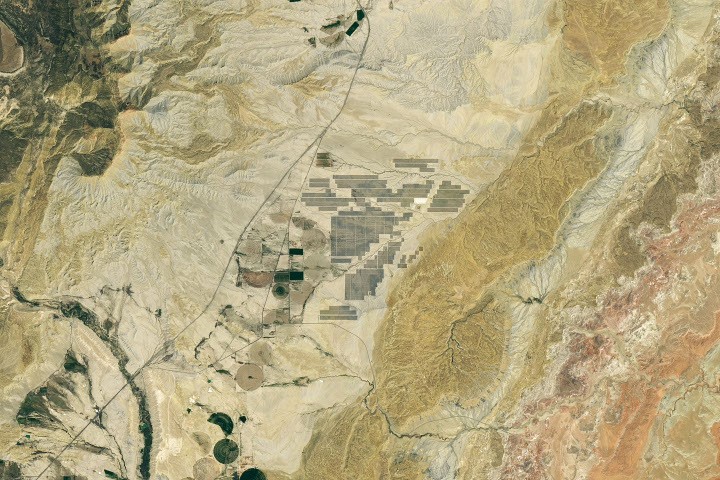
The 400-megawatt plant utilises existing coal-era transmission lines and nearly one million solar panels, reflecting a broader transition away from fossil fuels in the American West.
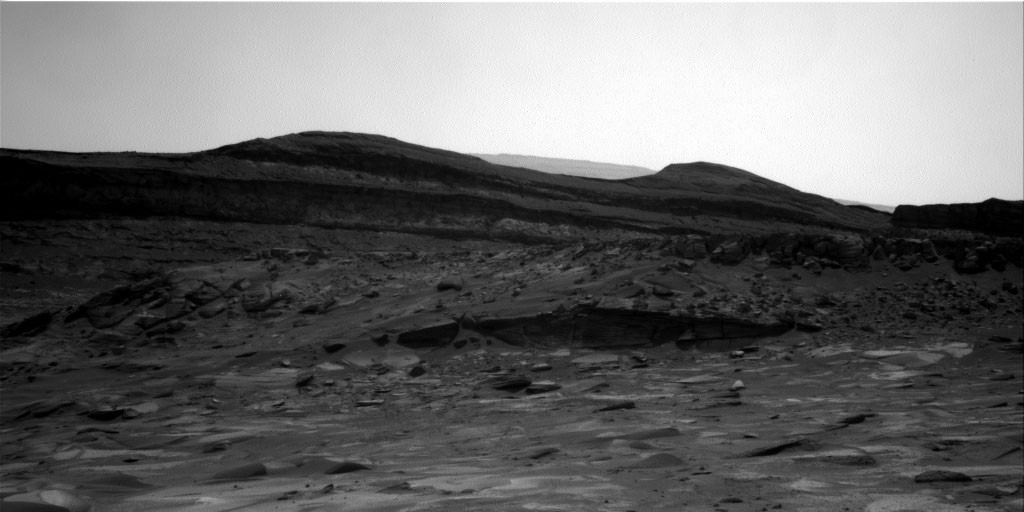
Led by Senior Research Scientist Lucy Thompson, the team has successfully navigated the rover over 23 miles while ascending Mount Sharp, overcoming early mechanical challenges to deliver high-quality scientific data.
The free, ad-free service is now accessible via Alexa on compatible Fire TV units, marking a step in the agency’s mandate to share its exploration story with a wider audience.
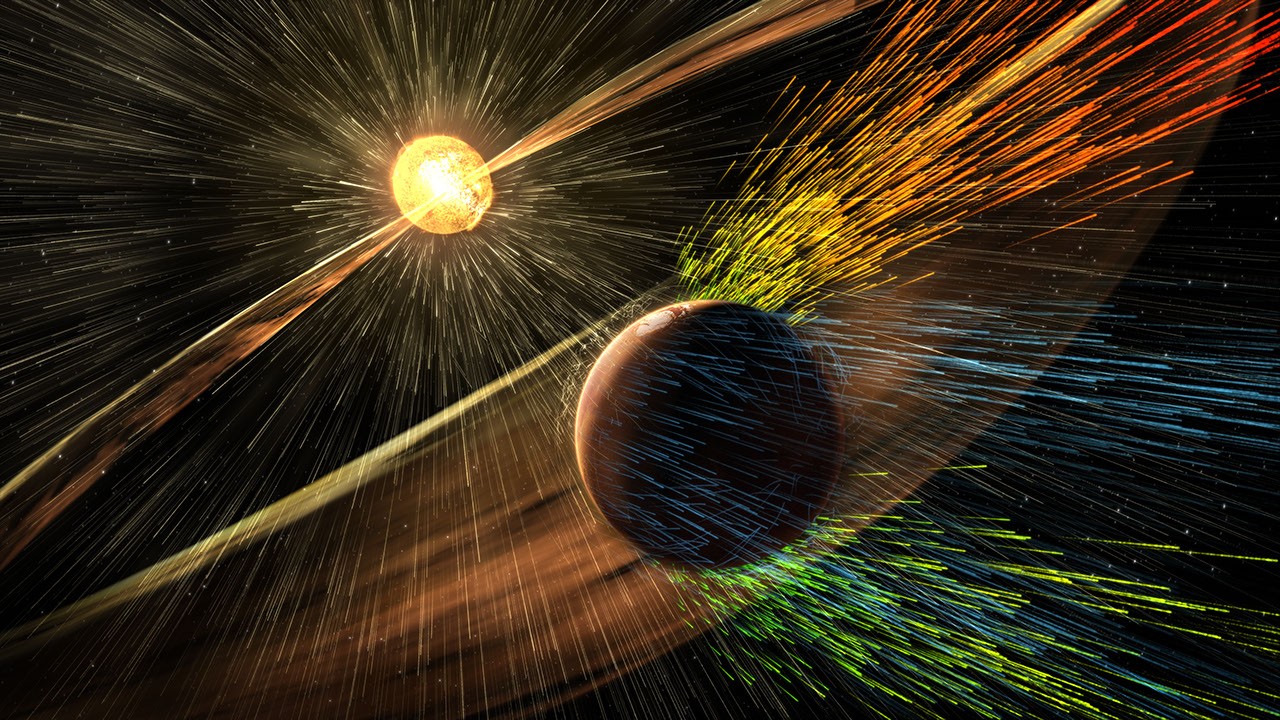
Scientists have confirmed that the same process powering Earth’s auroras operates on a smaller scale at Mars, offering new insights into planetary evolution and solar interactions.
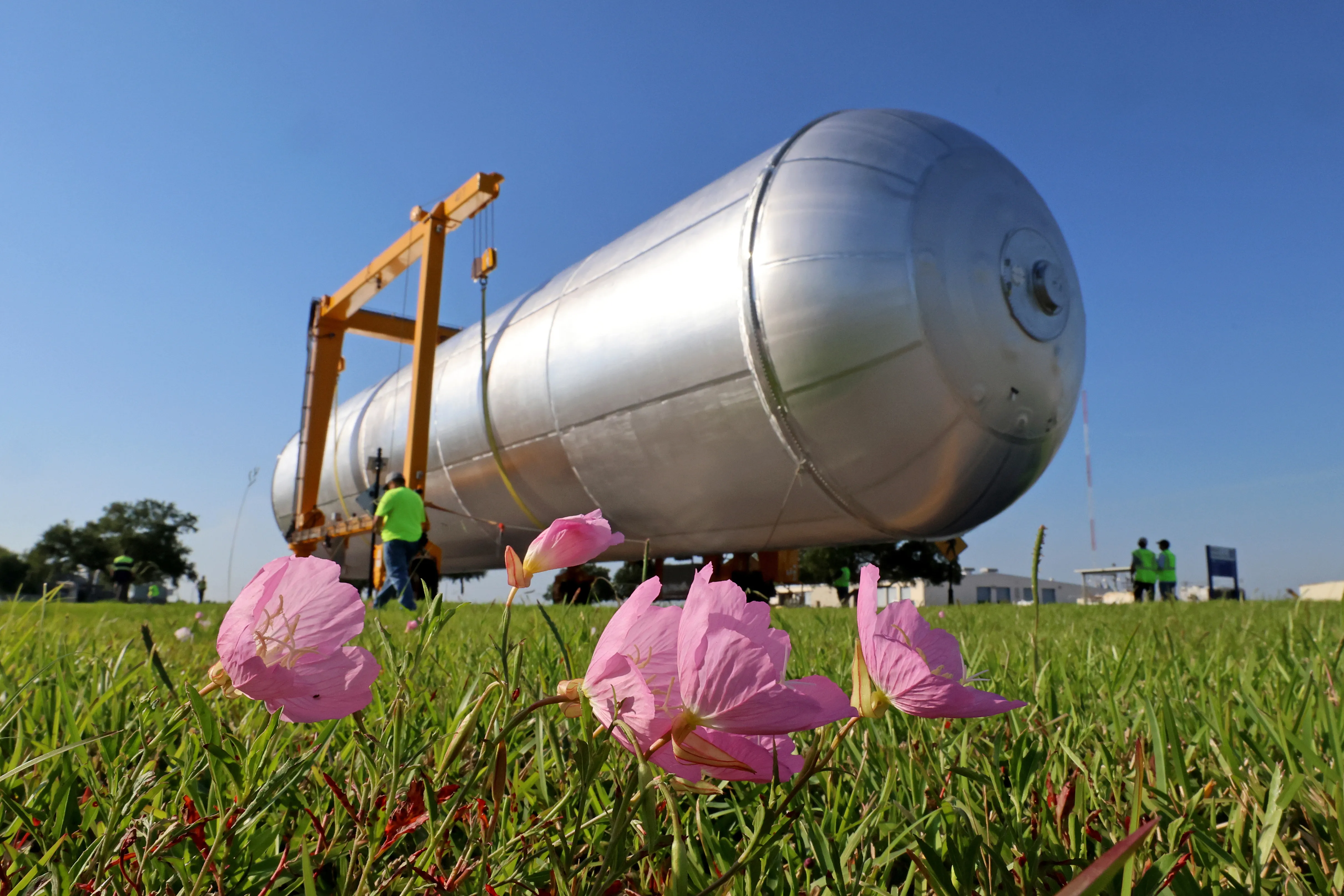
The 130-foot tank for the Space Launch System rocket has been relocated to a test building, marking a key step in the preparation for the Artemis IV mission.
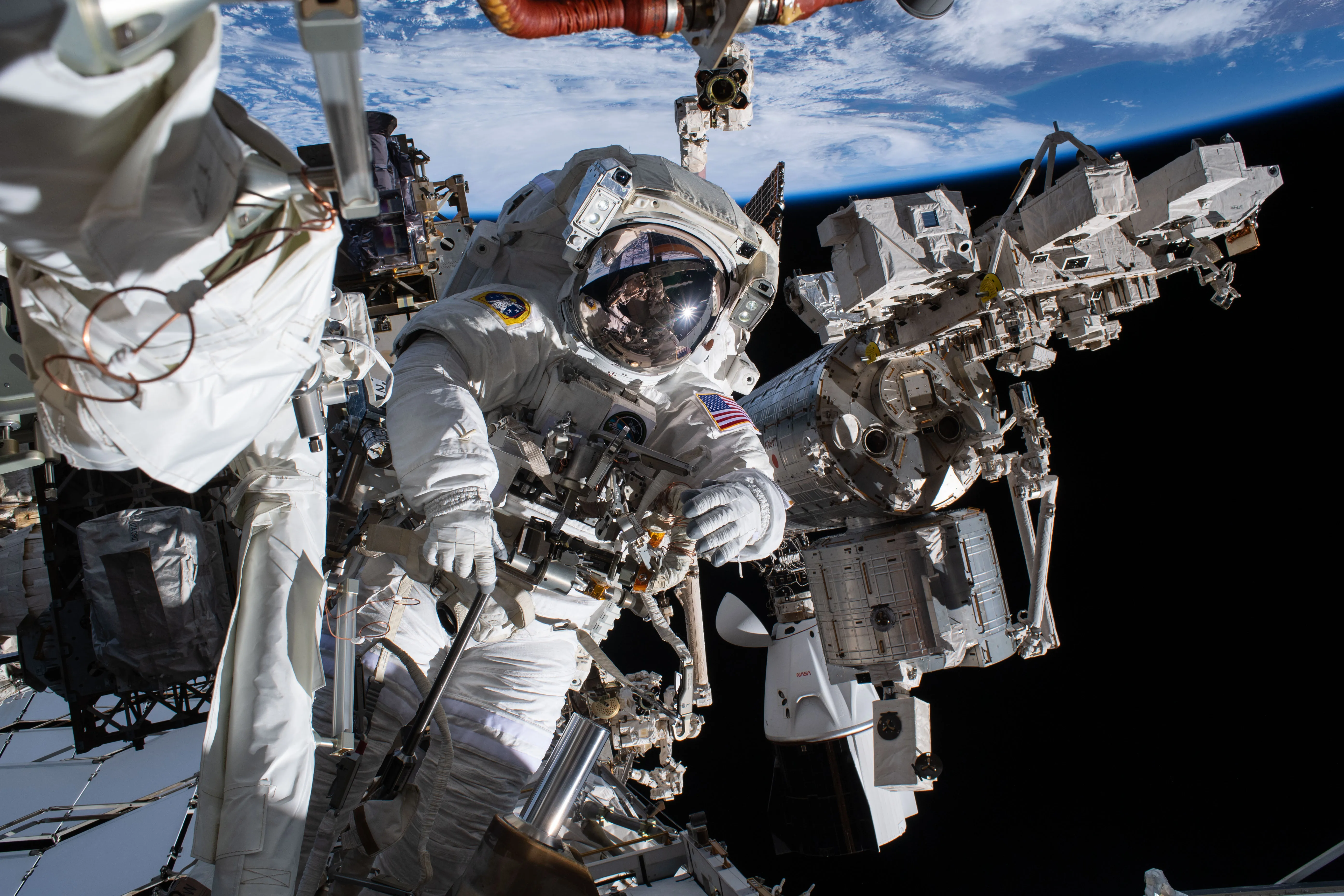
Williams’ work aboard the orbiting laboratory contributed to advancements in medical therapies, computer technology, and future lunar and Mars missions.
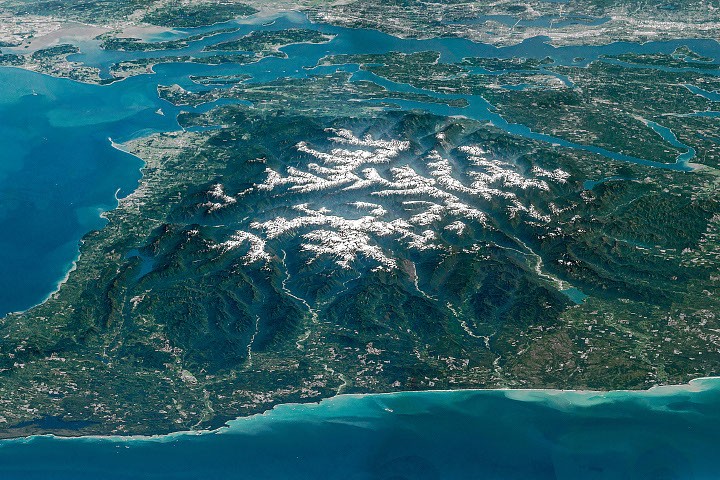
Newly released photographs from the International Space Station reveal the complex interplay of erosion and uplift in the Olympic Peninsula, alongside the historic removal of dams on the Elwha River.
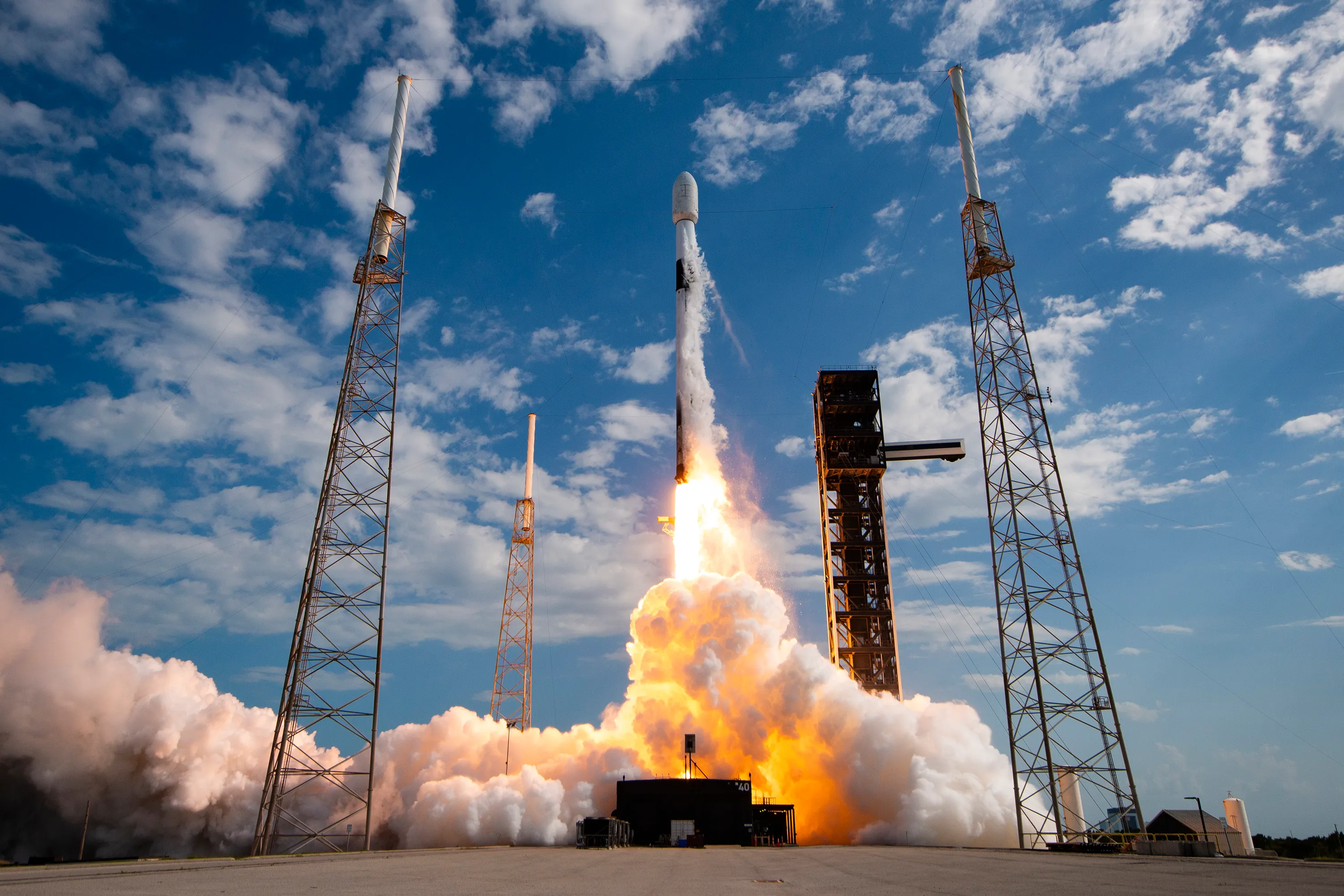
The Defense Advanced Research Projects Agency-funded spacecraft, supported by NASA’s Goddard Space Flight Center, aims to upgrade existing satellites and reduce early decommissioning.
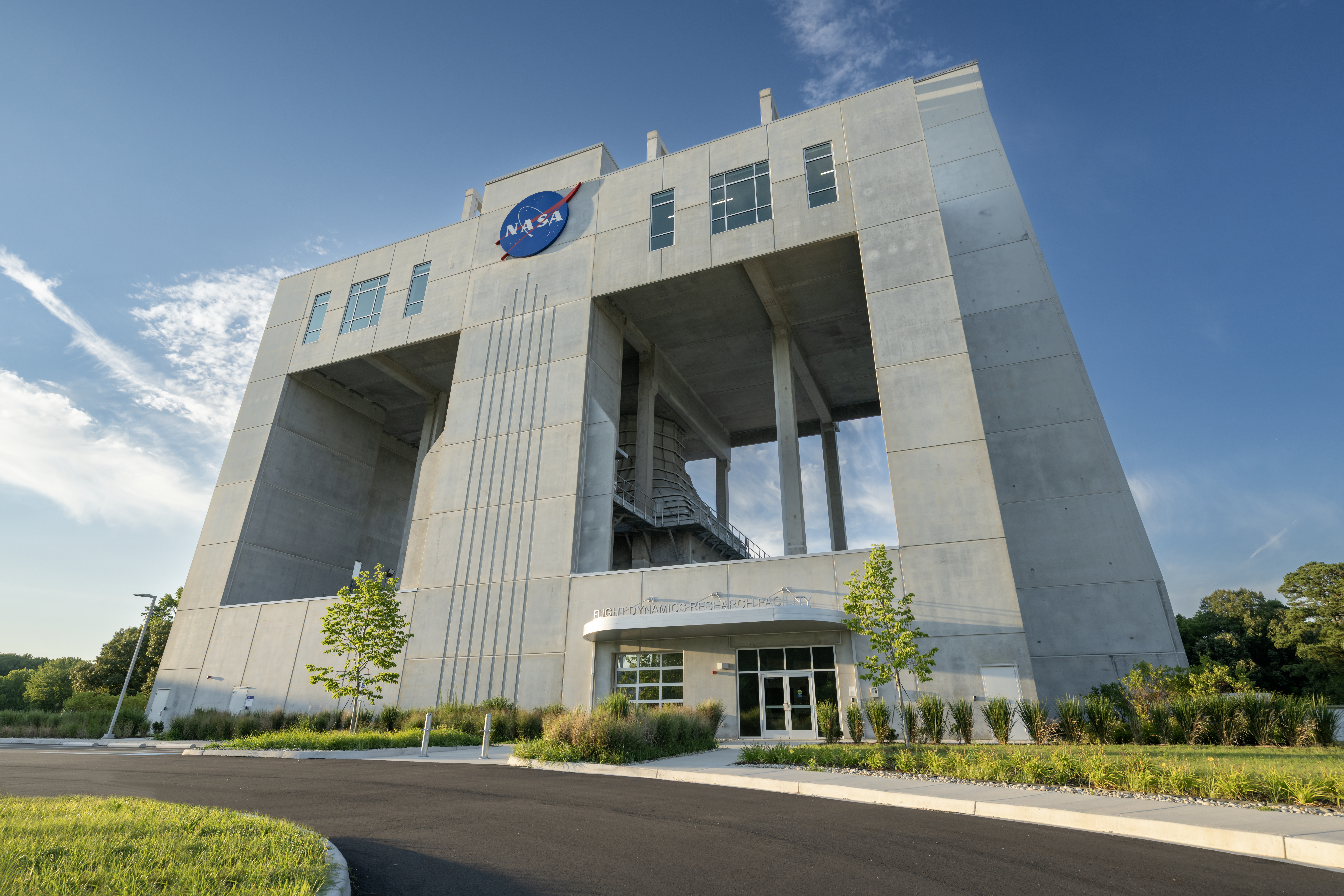
The US space agency invites media to a ribbon-cutting ceremony on July 31, highlighting the state-of-the-art asset’s role in supporting the Artemis program and lunar base development.
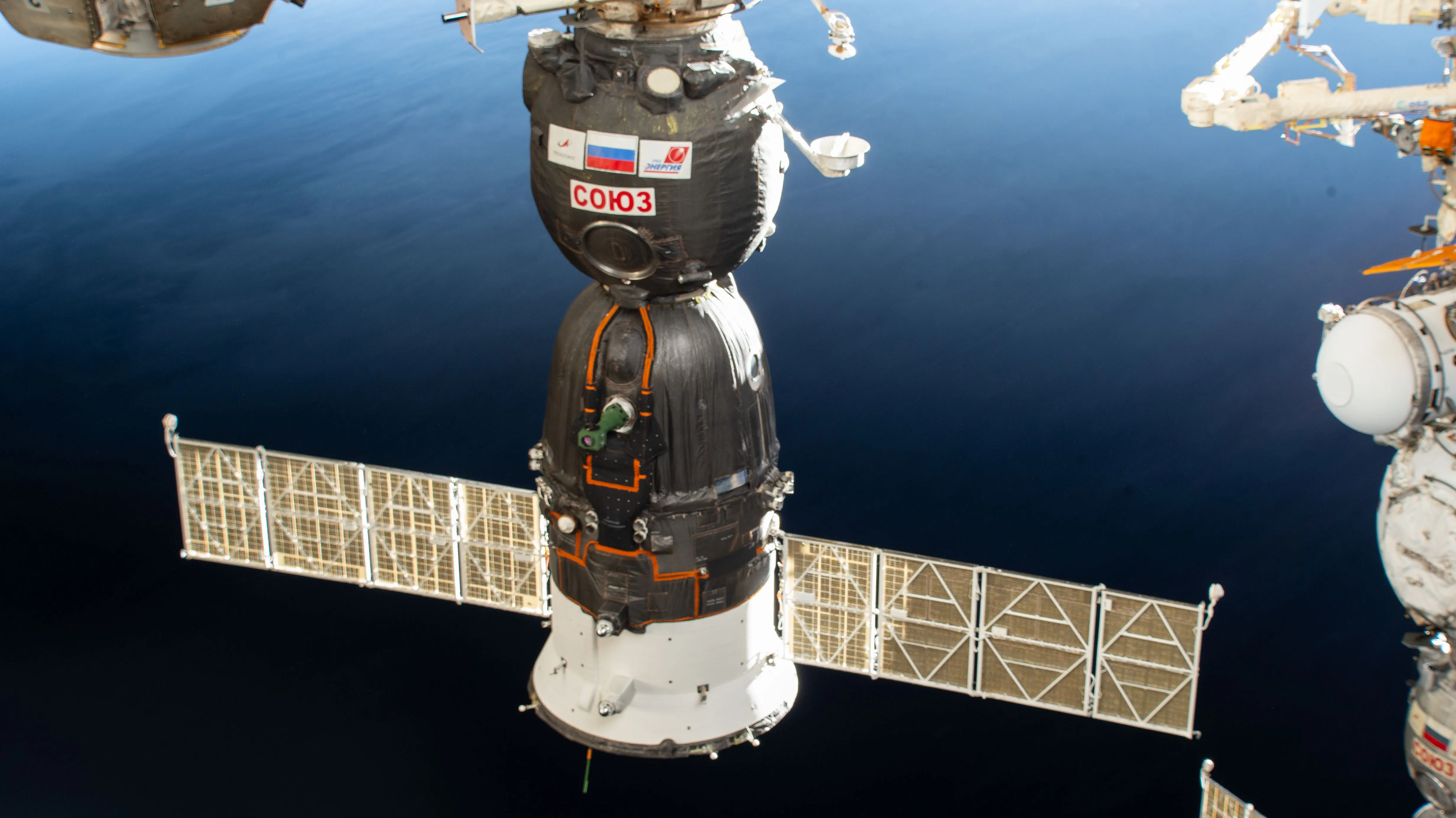
Astronaut Chris Williams and Roscosmos cosmonauts Sergey Kud-Sverchkov and Sergei Mikaev conclude 241-day mission
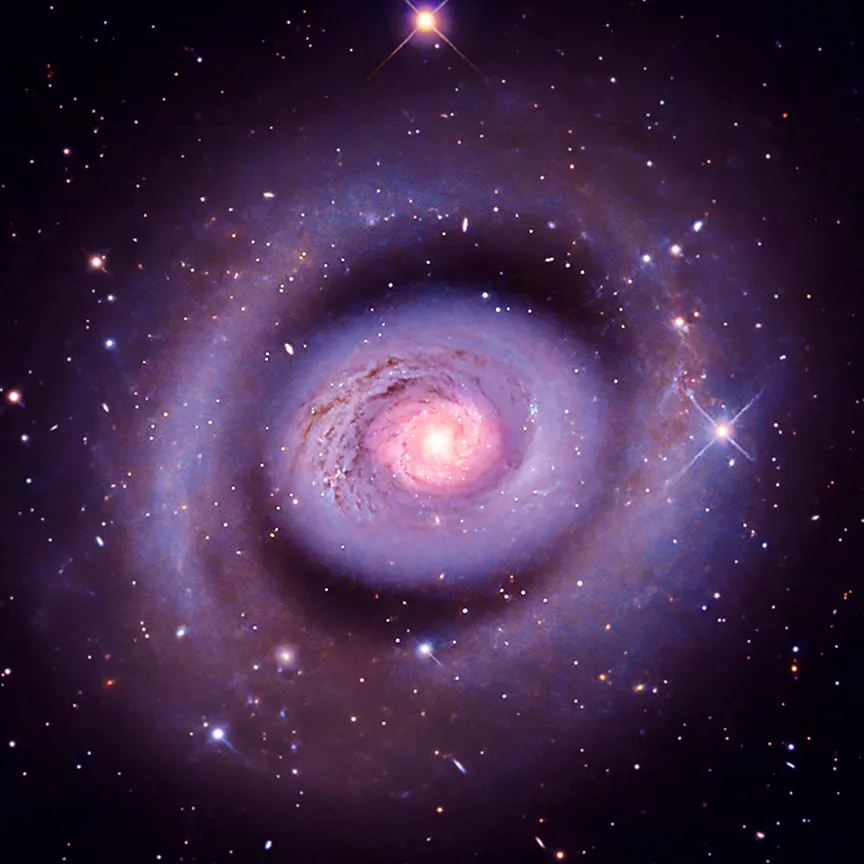
The June 30, 2026 release highlights a bright inner ring in NGC 4736 where star formation is potentially driven by gas dynamics within the galaxy’s oval structure.
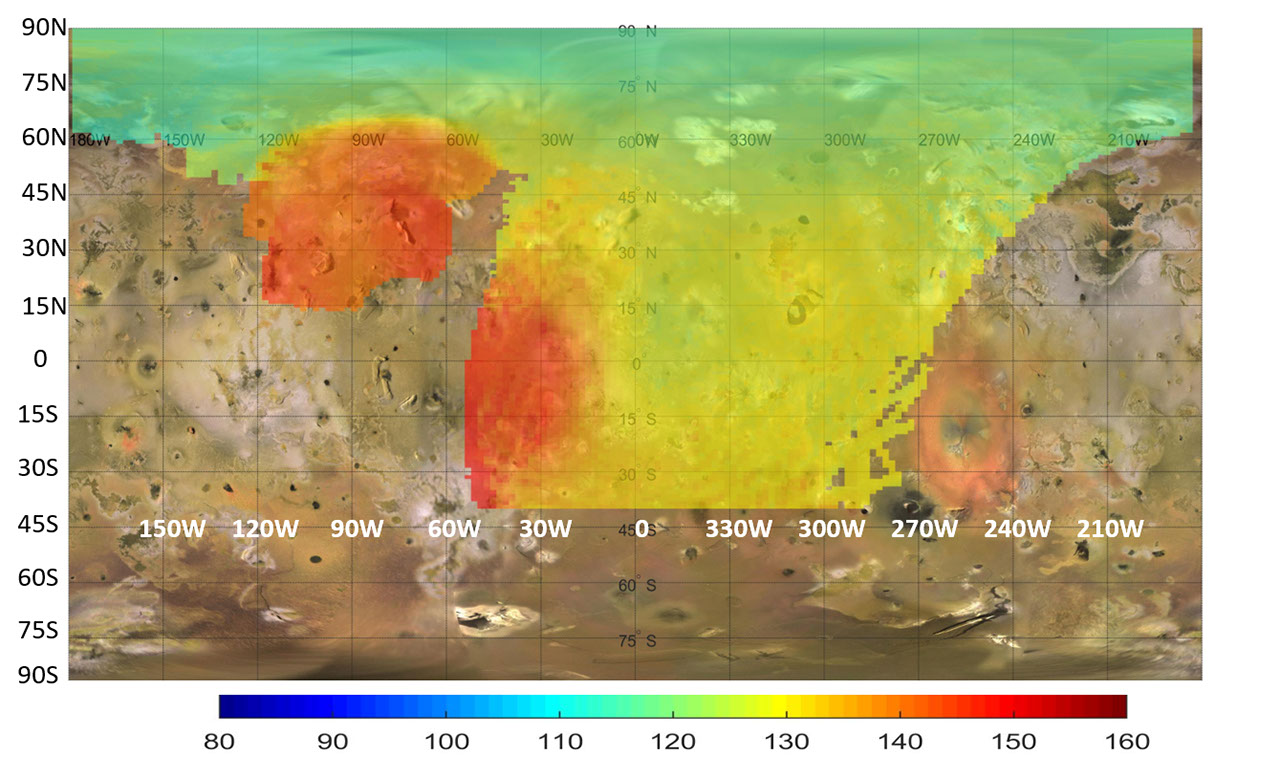
New findings from NASA’s Juno mission identify significant internal heating within the upper tens of metres of Io’s crust, with distinct thermal anomalies linked to active volcanic regions.
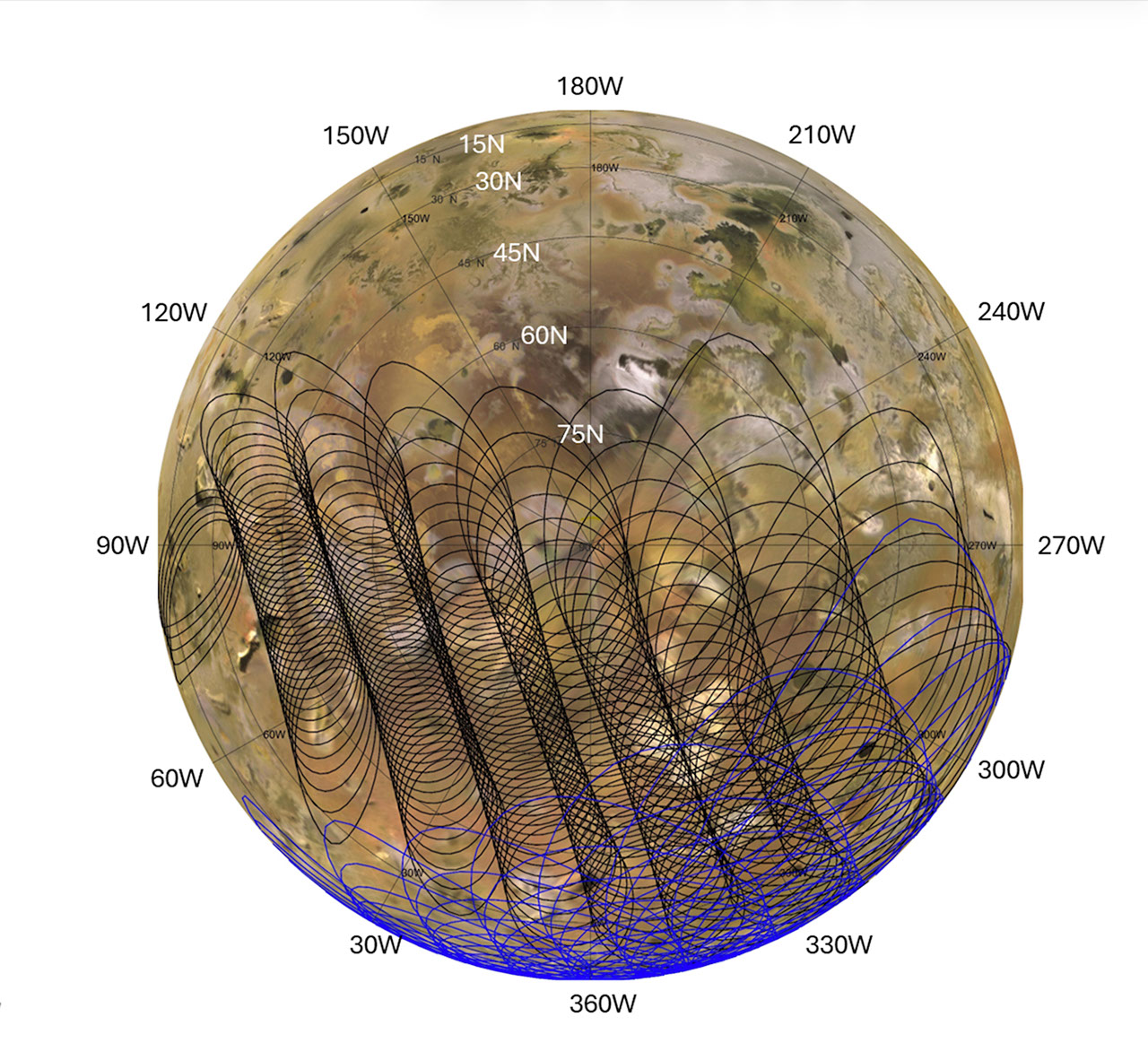
Two close flybys in late 2023 and early 2024 provide detailed thermal mapping of the volcanic moon’s northern and equatorial regions.
The space agency is integrating its vast archives into a whole-of-government initiative aimed at leveraging artificial intelligence for scientific and engineering breakthroughs.
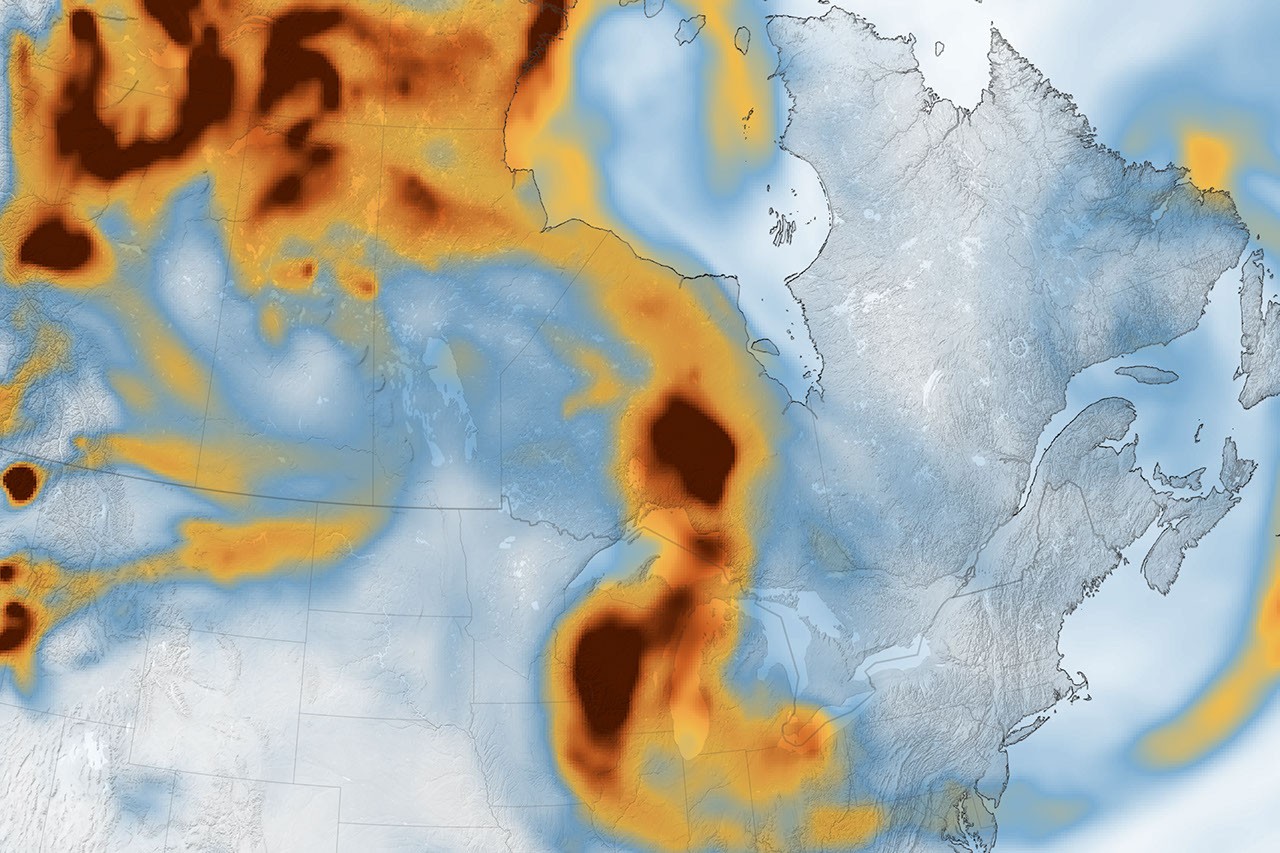
An update to the GEOS model allows scientists to distinguish organic aerosols from wildfire smoke, providing clearer data on PM2.5 emissions that worsened conditions in Detroit, Toronto, and other urban centres.
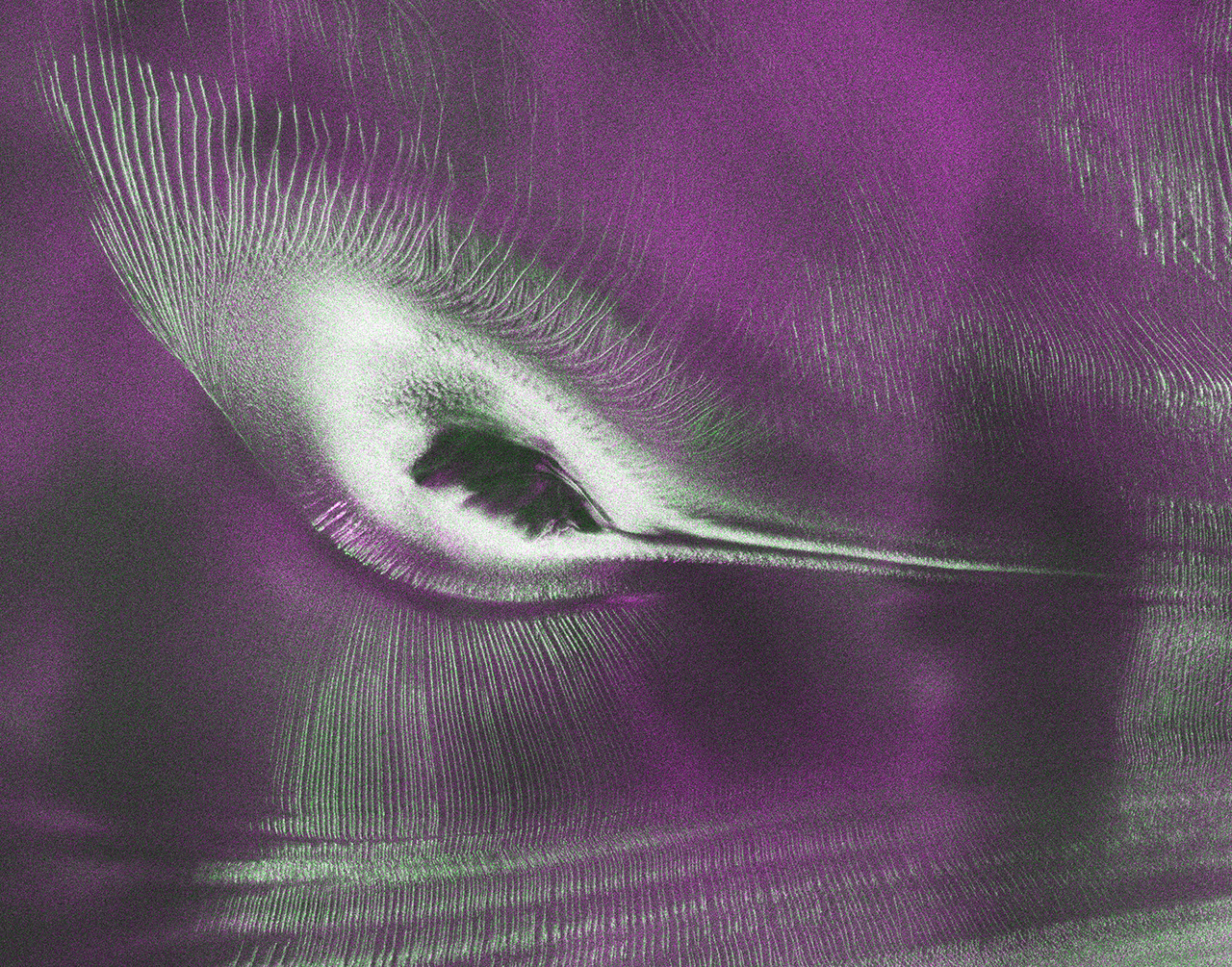
New imagery from the NISAR satellite highlights Nunatak Zaterjavshijsja in East Antarctica, where ice fractures appear as sharp green lines due to volume scattering of microwave signals.
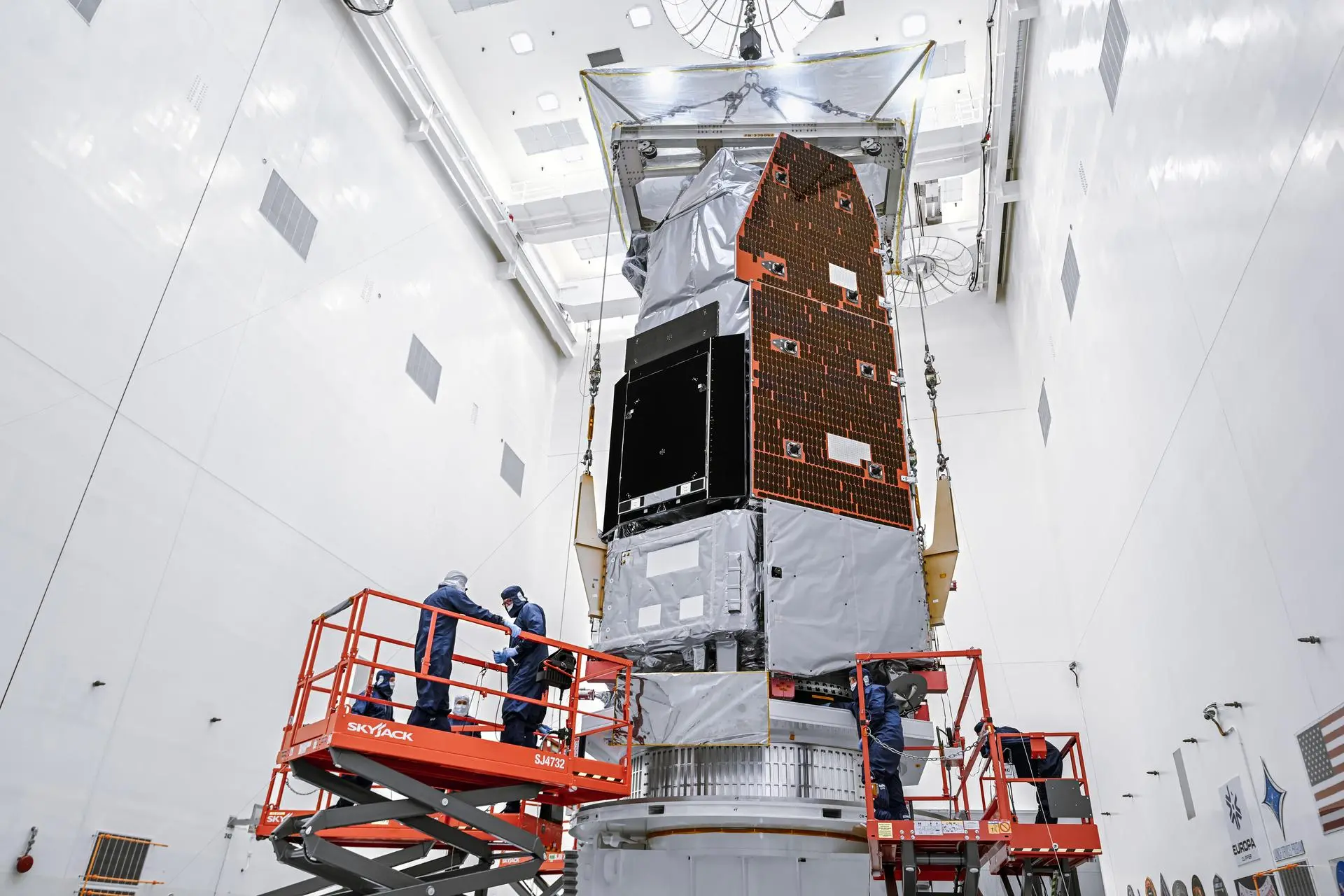
The Nancy Grace Roman Space Telescope is set to launch from Florida on 30 August, with NASA inviting global media to a live briefing to discuss the observatory’s role in cosmic surveys and exoplanet imaging.
Processed files from the NISAR satellite are now available to researchers globally, offering new insights into ice movement, ecosystems, and natural hazards through advanced synthetic aperture radar technology.
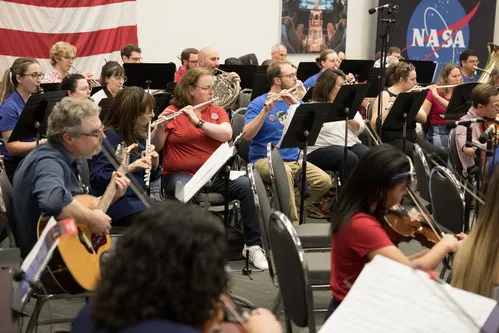
The NASA Langley Research Center hosted a musical celebration on July 16 to honour the United States’ 250th anniversary and the facility’s own centenary-plus milestone.
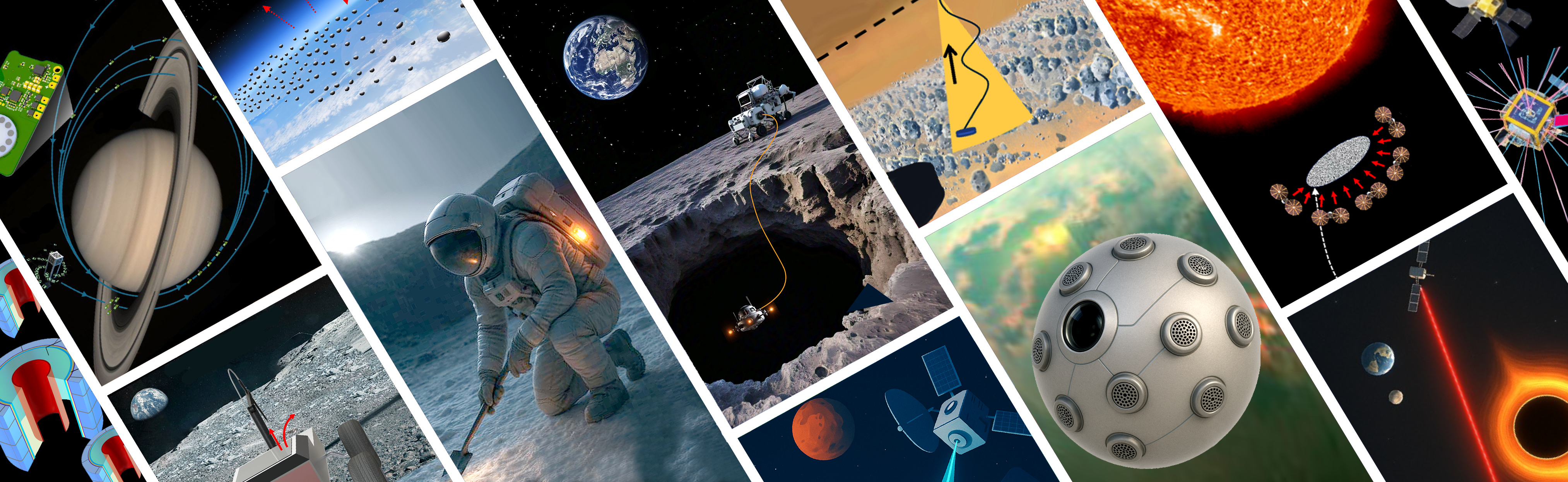
The agency has announced the initial phase of research for projects ranging from controllable dust clouds to photonic interferometry, marking a broad push into speculative but potentially transformative space technologies.
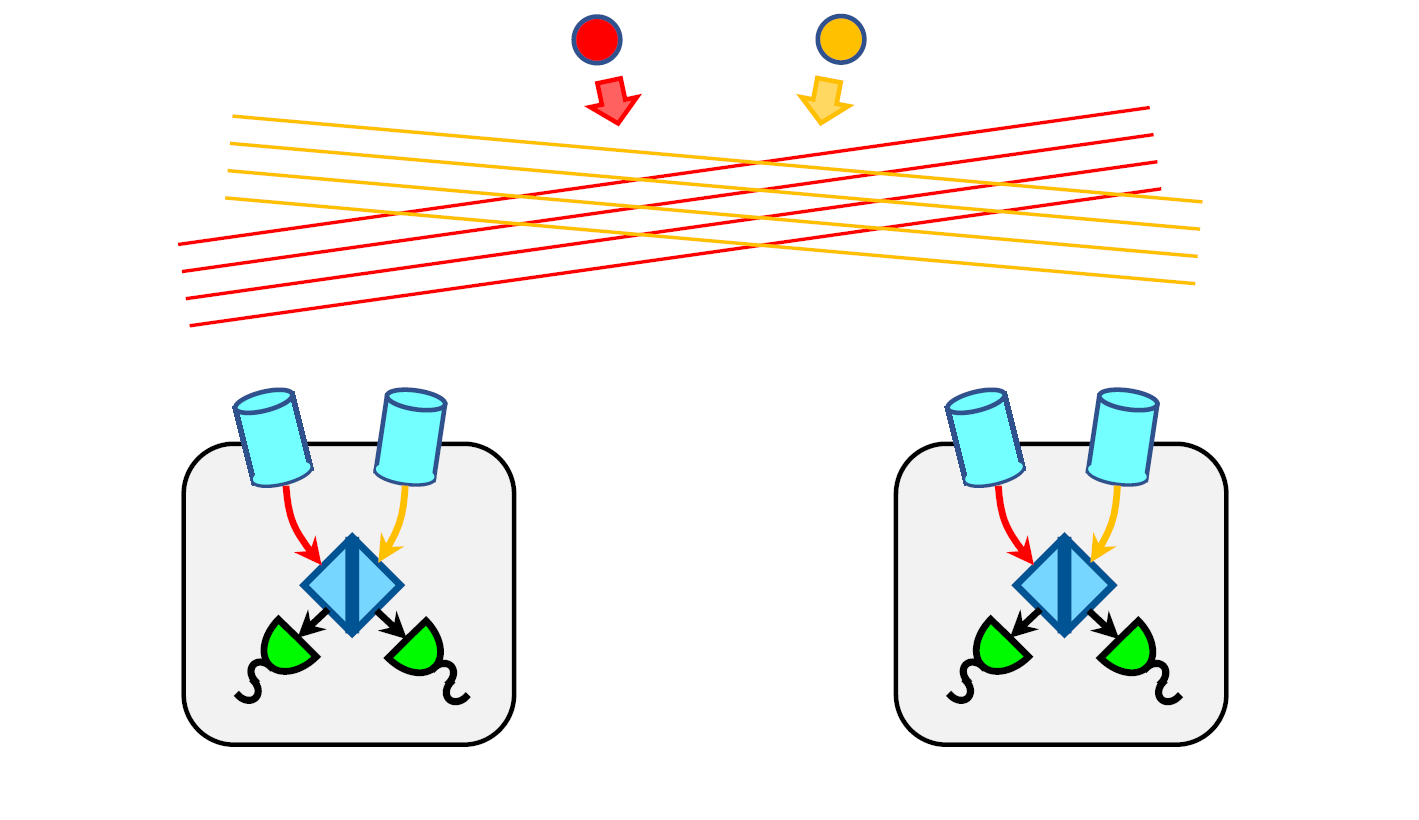
A new concept led by Brookhaven Science Associates aims to observe micro-Hertz to nano-Hertz gravitational waves without the complex optical links required by standard interferometric missions.
Grant recipients must halt all Diversity, Equity, Inclusion, and Accessibility programming and report violations, while the agency also updates its standalone terms and conditions document for the 2025 financial year.
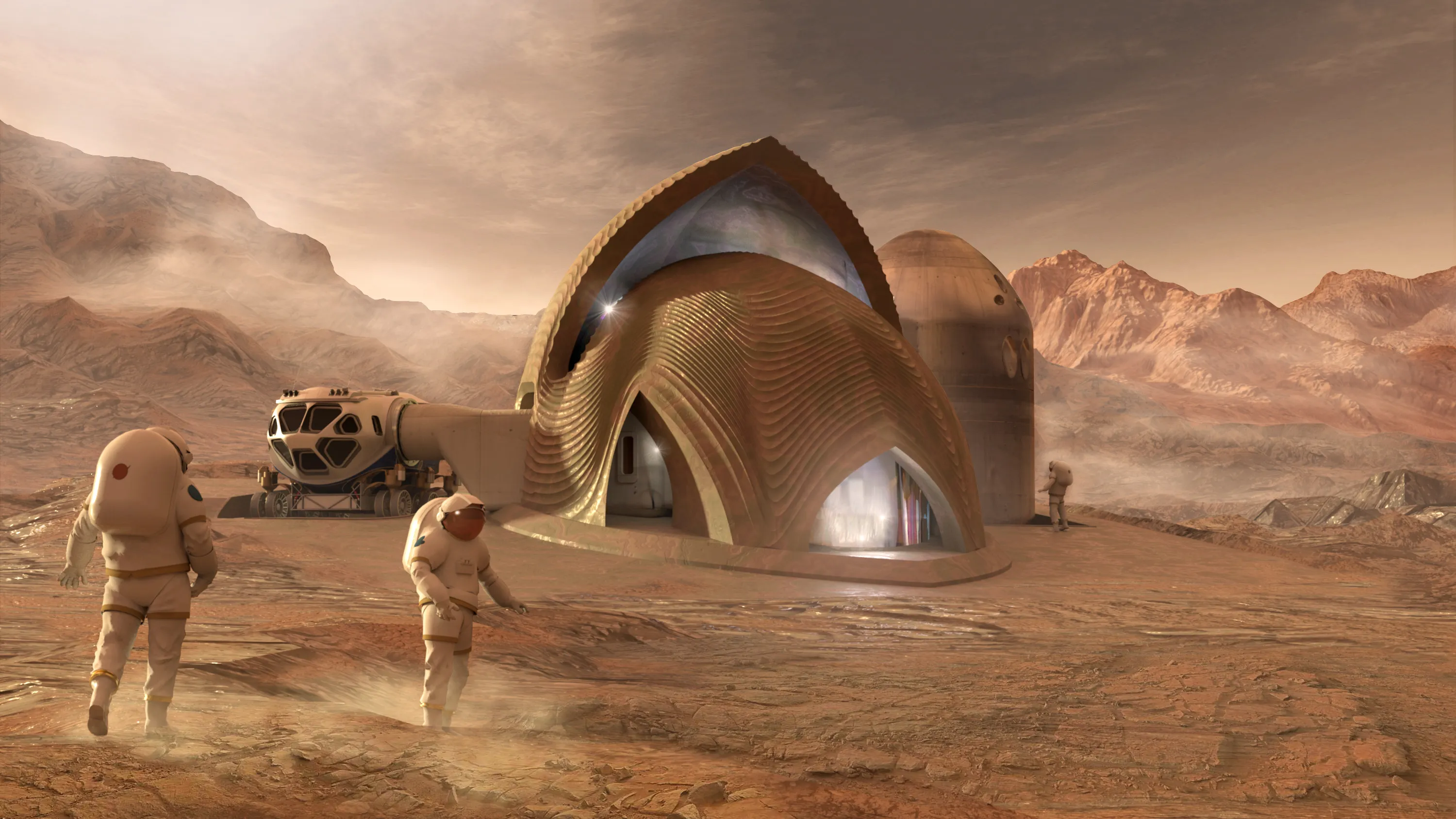
The Johnson Space Center working group recommends a permissible exposure limit of 0.1 mg/m³, derived from lunar data but adjusted for Martian regolith properties.
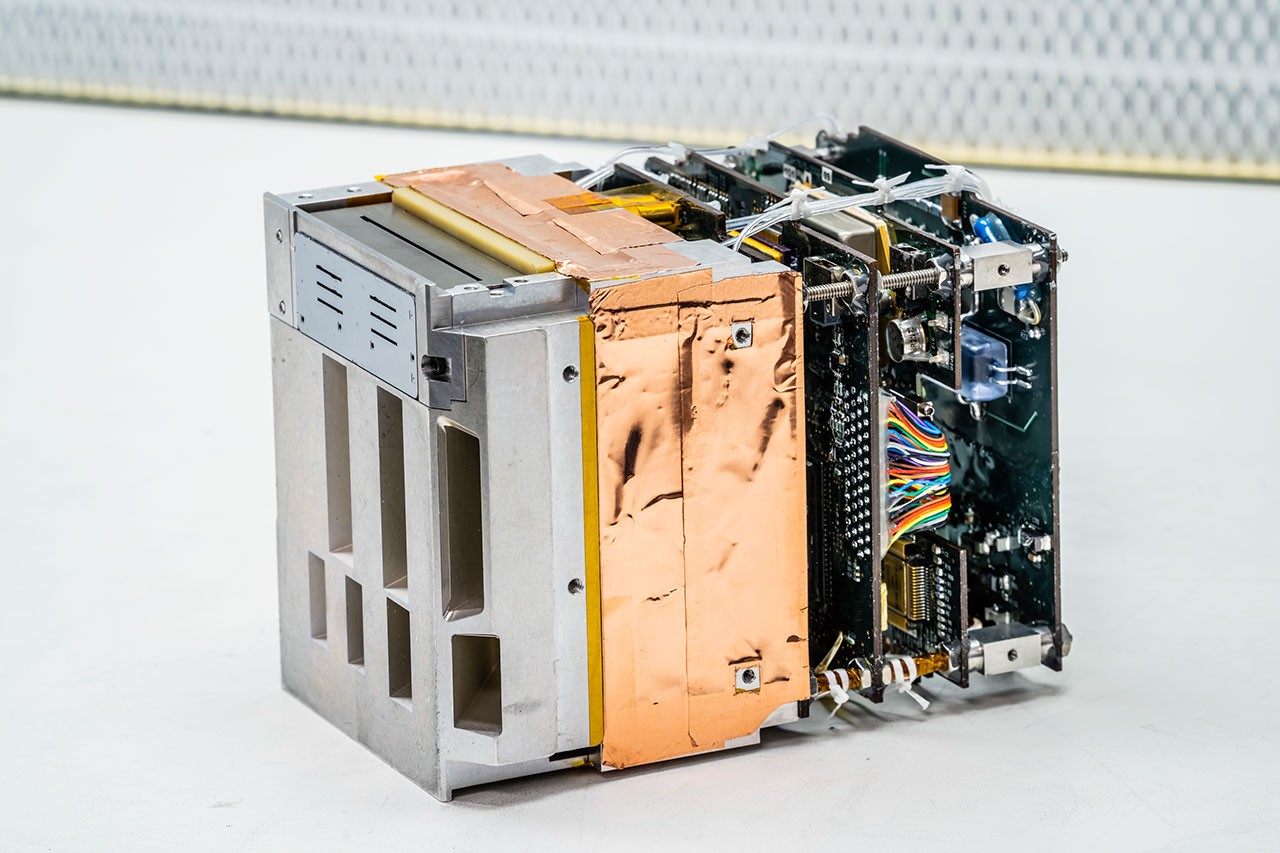
Scientists report that the Relativistic Electron Atmospheric Loss instrument, launched in July 2025, uses three sensor heads to measure energetic particles in real-time without requiring the satellite to rotate.
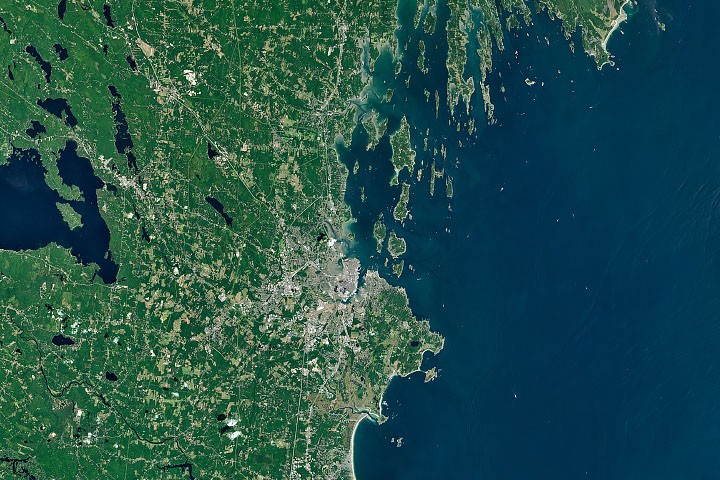
A new analysis from the NASA Earth Observatory explains how bedrock variations and glacial history created the state’s distinct sandy and rocky shores, with direct implications for local economies.
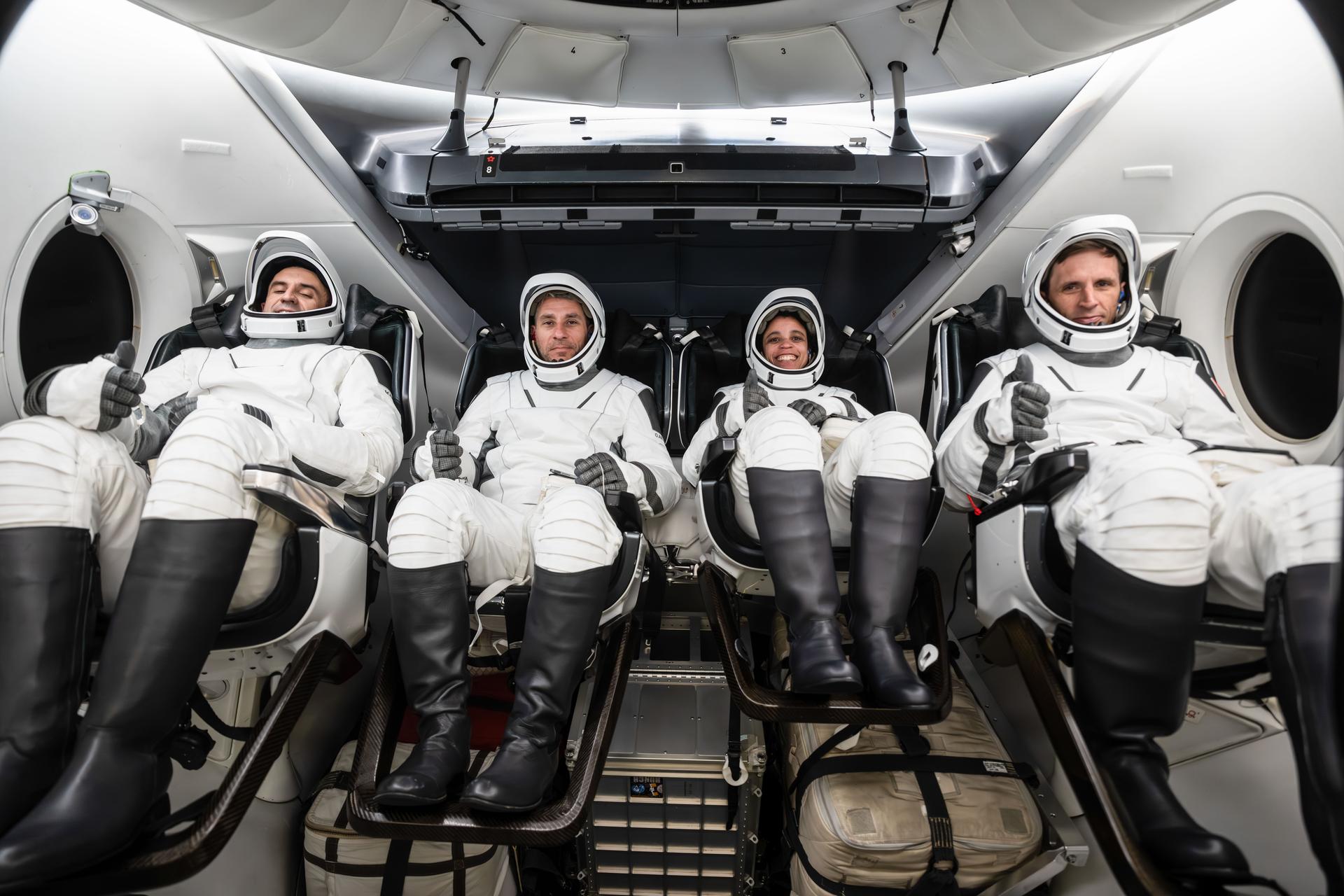
Two news conferences at Johnson Space Center will detail the upcoming rotation mission, which sees Jessica Watkins return to orbit while three other astronauts make their first spaceflights.
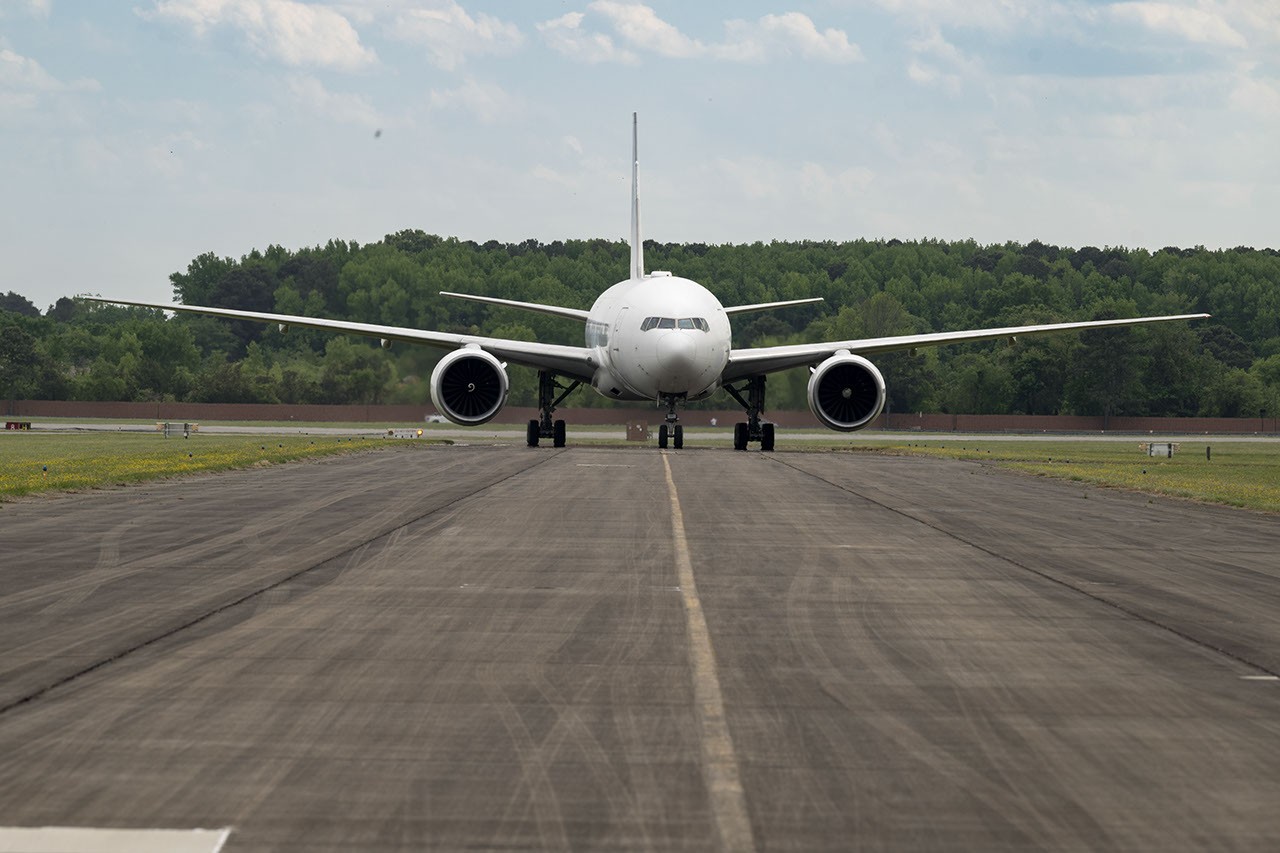
The US space agency is deploying hundreds of scientists and pilots across six new Earth Venture missions, utilising aircraft to bridge the gap between ground sensors and satellite data.
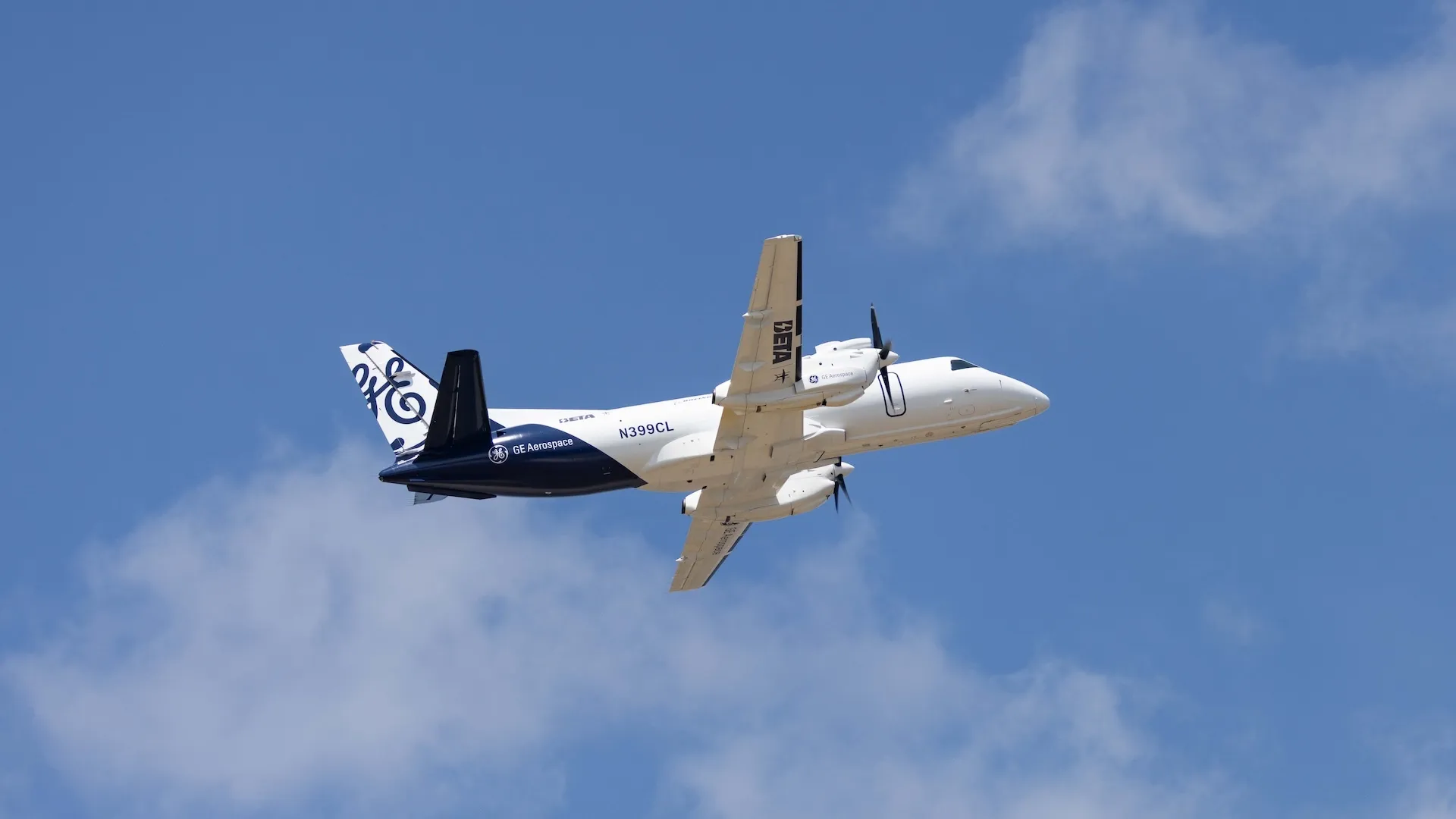
The successful flight validates over 15 years of collaborative research aimed at reducing fuel burn and operating costs for regional-class jets.