NASA identifies mysterious solar crossing as contrail during Perseids peak
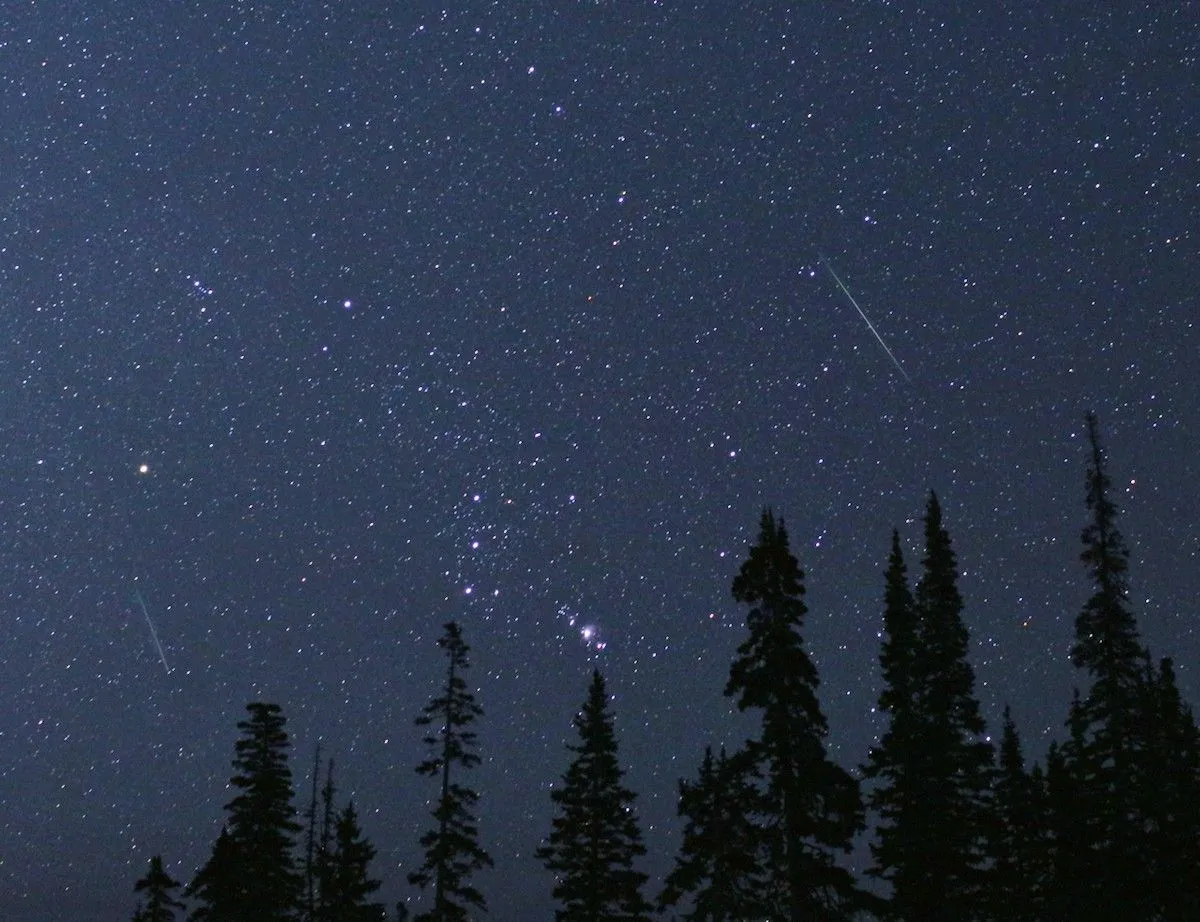
Initial observations suggested a meteor due to trajectory alignment, but flight database checks confirm the object was an airplane contrail reflecting sunlight.
Research, discovery, space, energy systems, and the breakthroughs redrawing what is possible.

Initial observations suggested a meteor due to trajectory alignment, but flight database checks confirm the object was an airplane contrail reflecting sunlight.
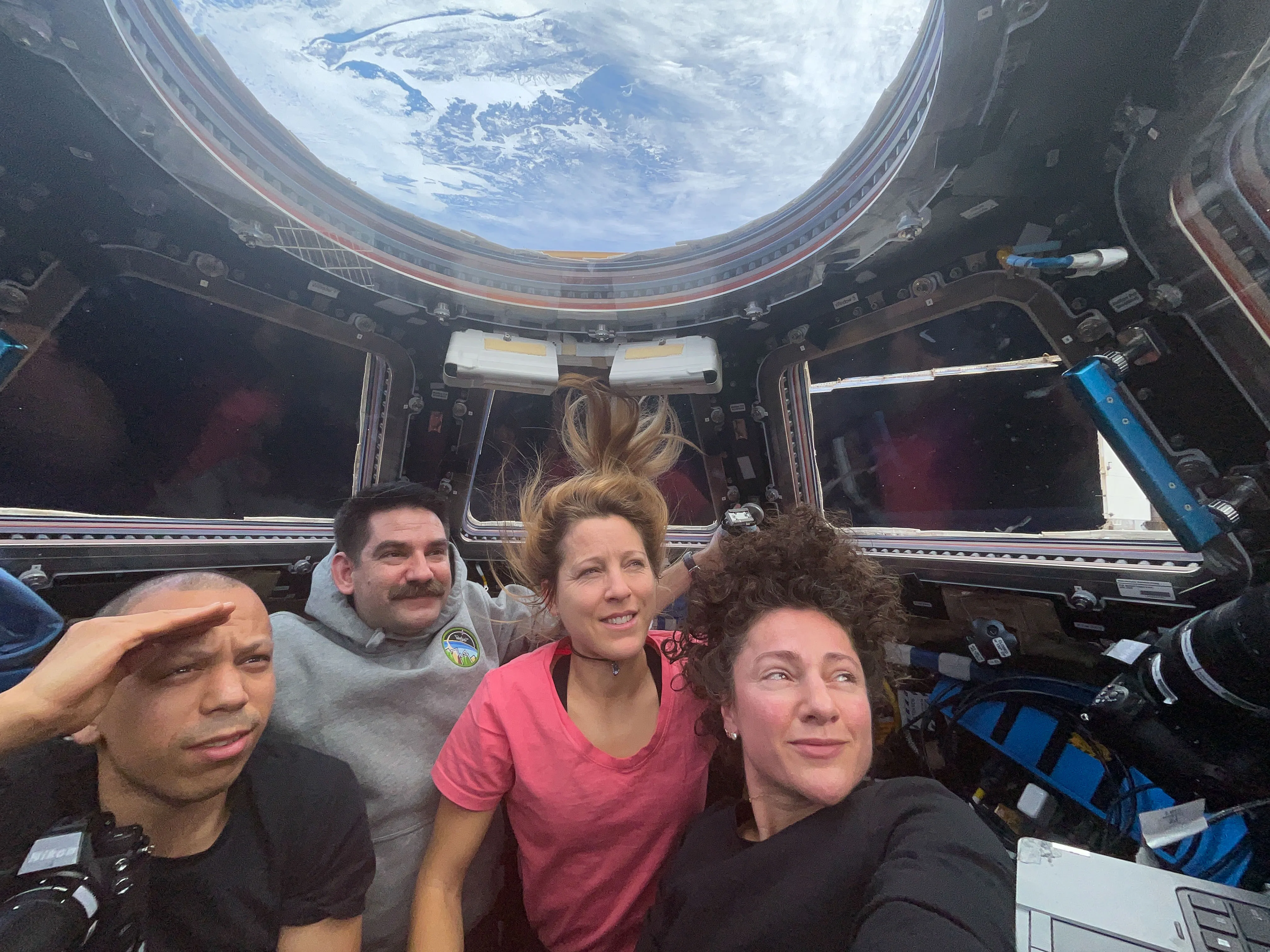
From Robert Markowitz’s coverage of zero-gravity flights to Luna Posadas Nava’s documentation of the Artemis II lunar flyby, these images tell the story of the people and technology shaping the next era of spaceflight.
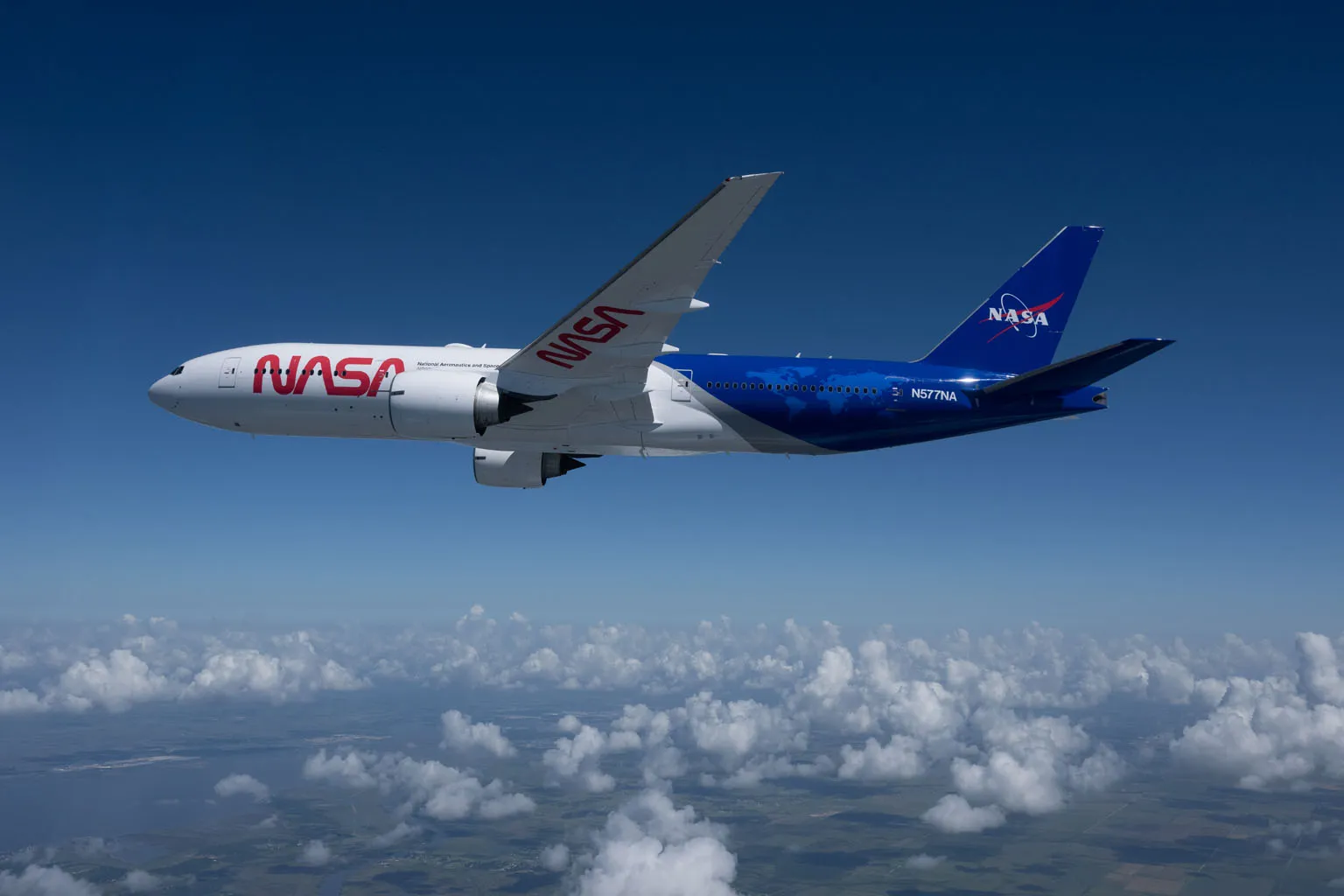
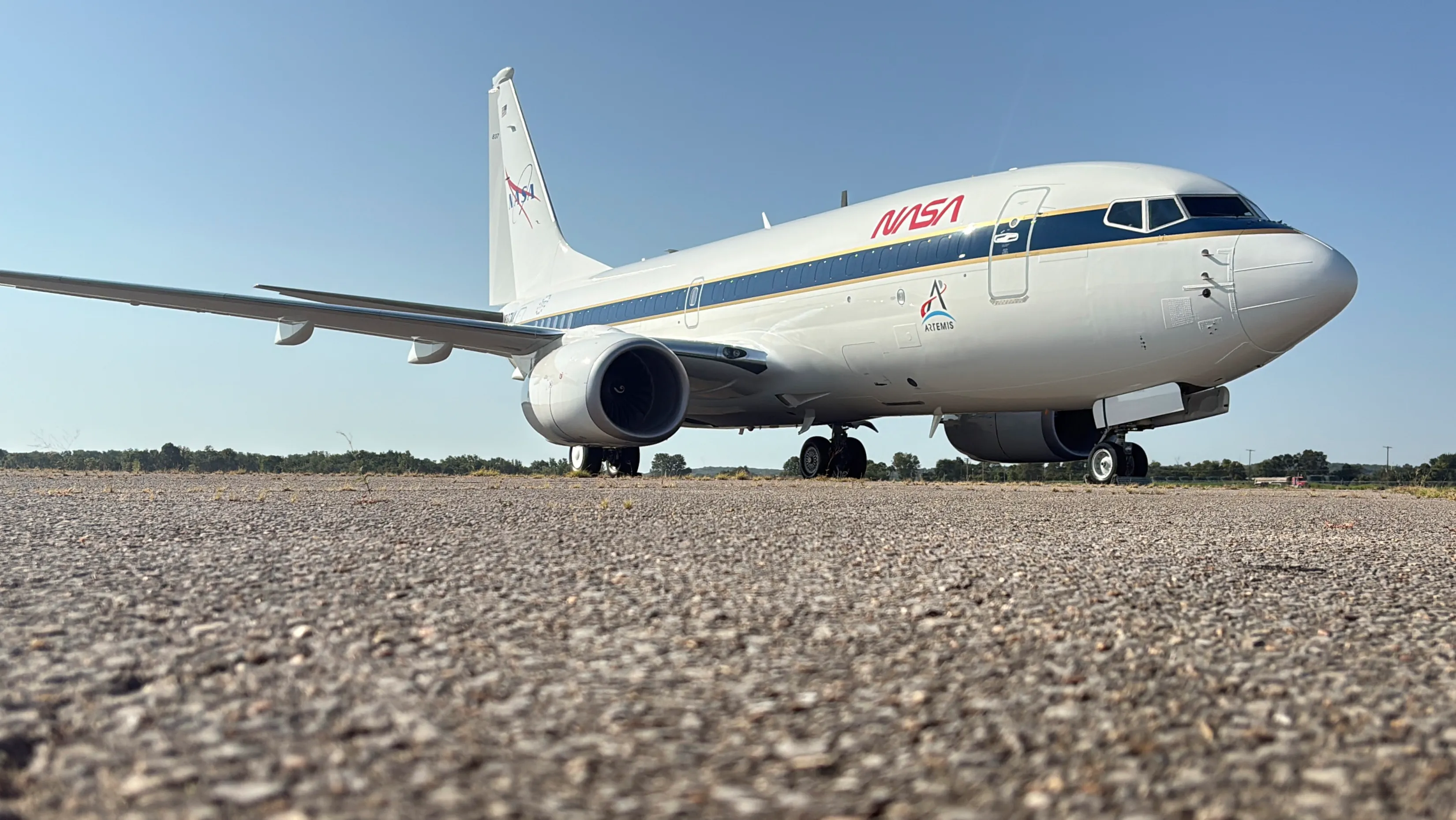
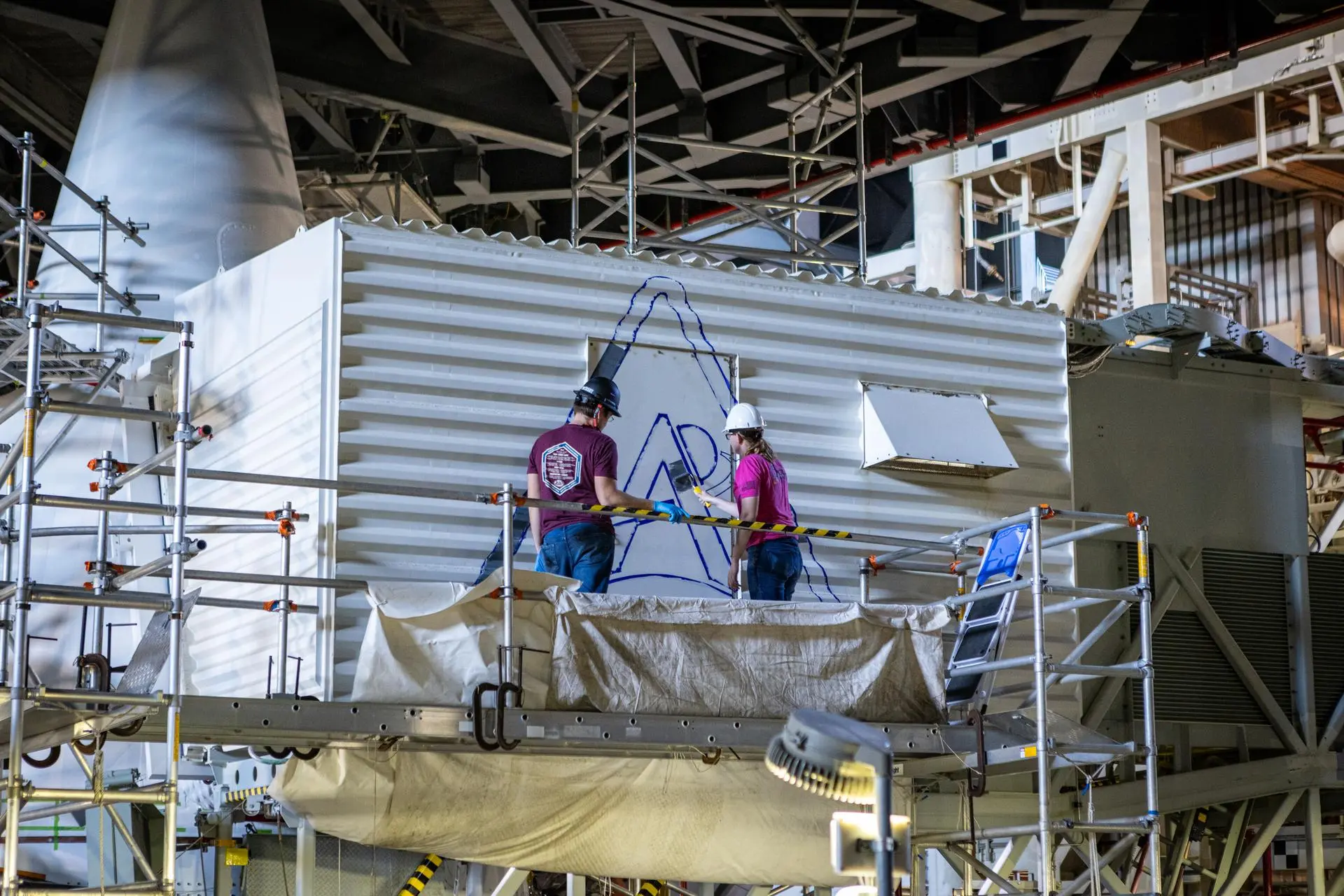
The new paint scheme marks a key milestone for the aircraft, which is scheduled to begin operations as a global data collection platform next year.
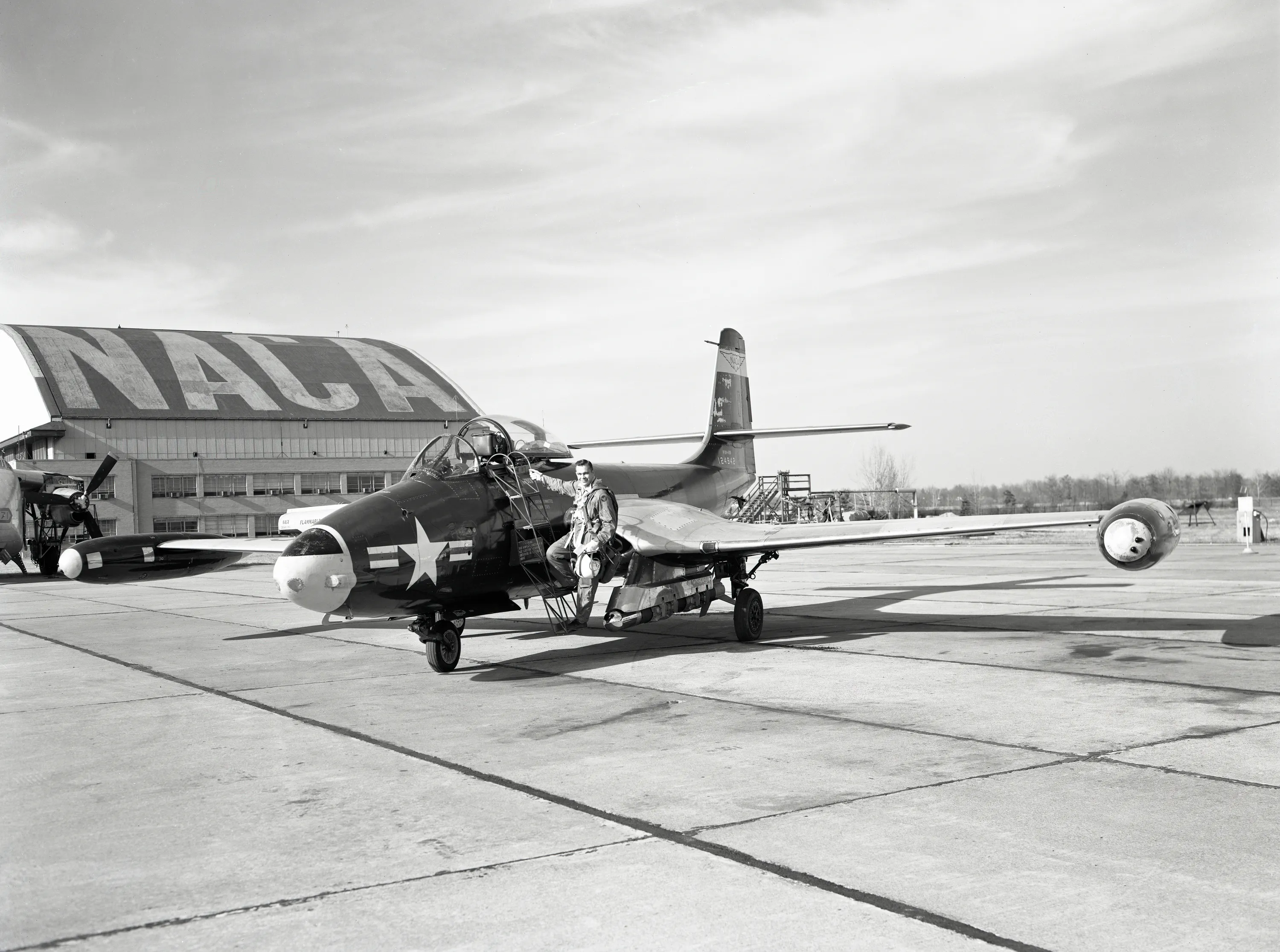
From validating early jet engines to testing hydrogen fuel systems, NASA’s Glenn Research Center has spent more than 80 years bridging laboratory theory and airborne performance, with a major restructuring of flight operations set for October 2025.
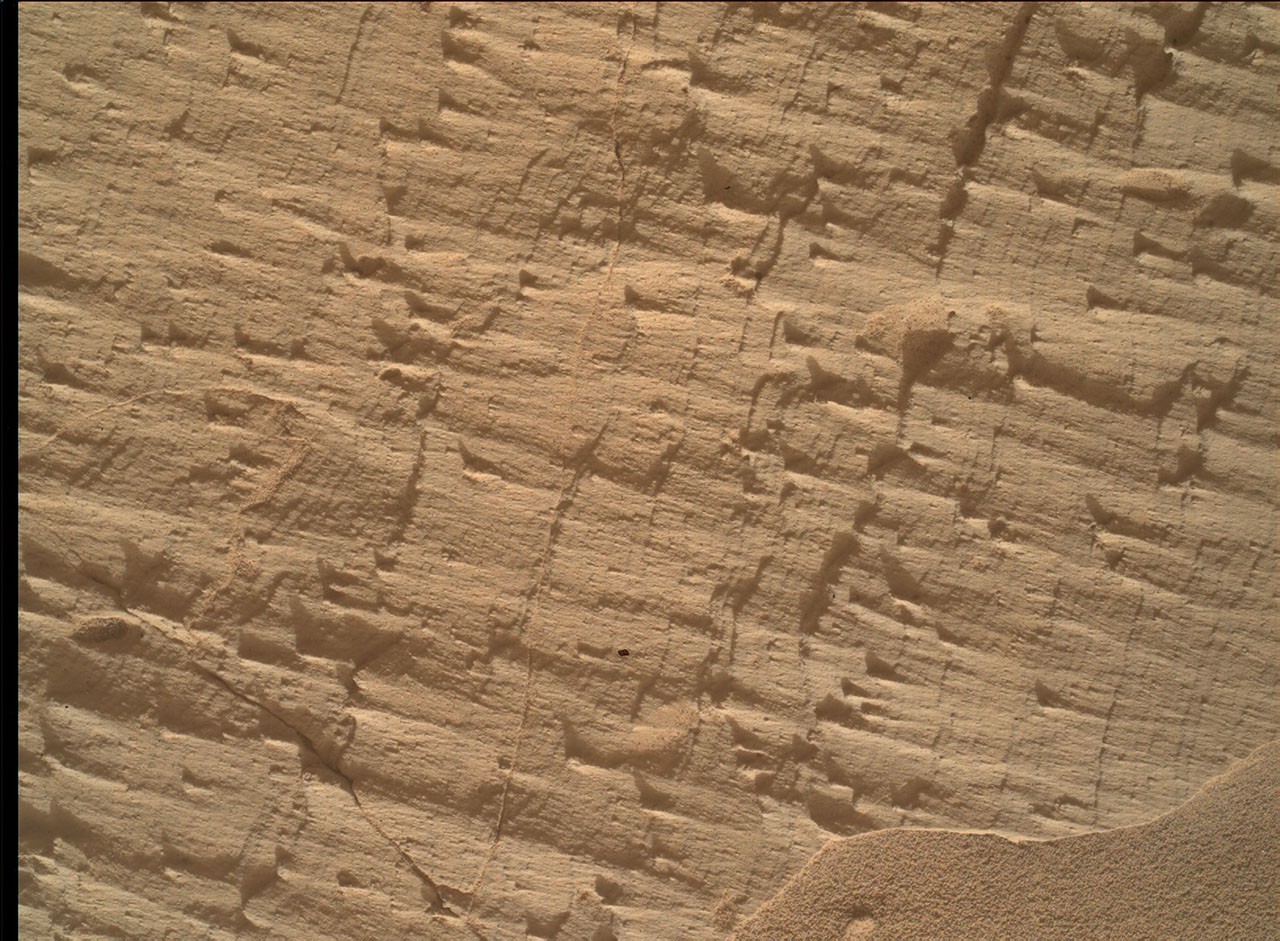
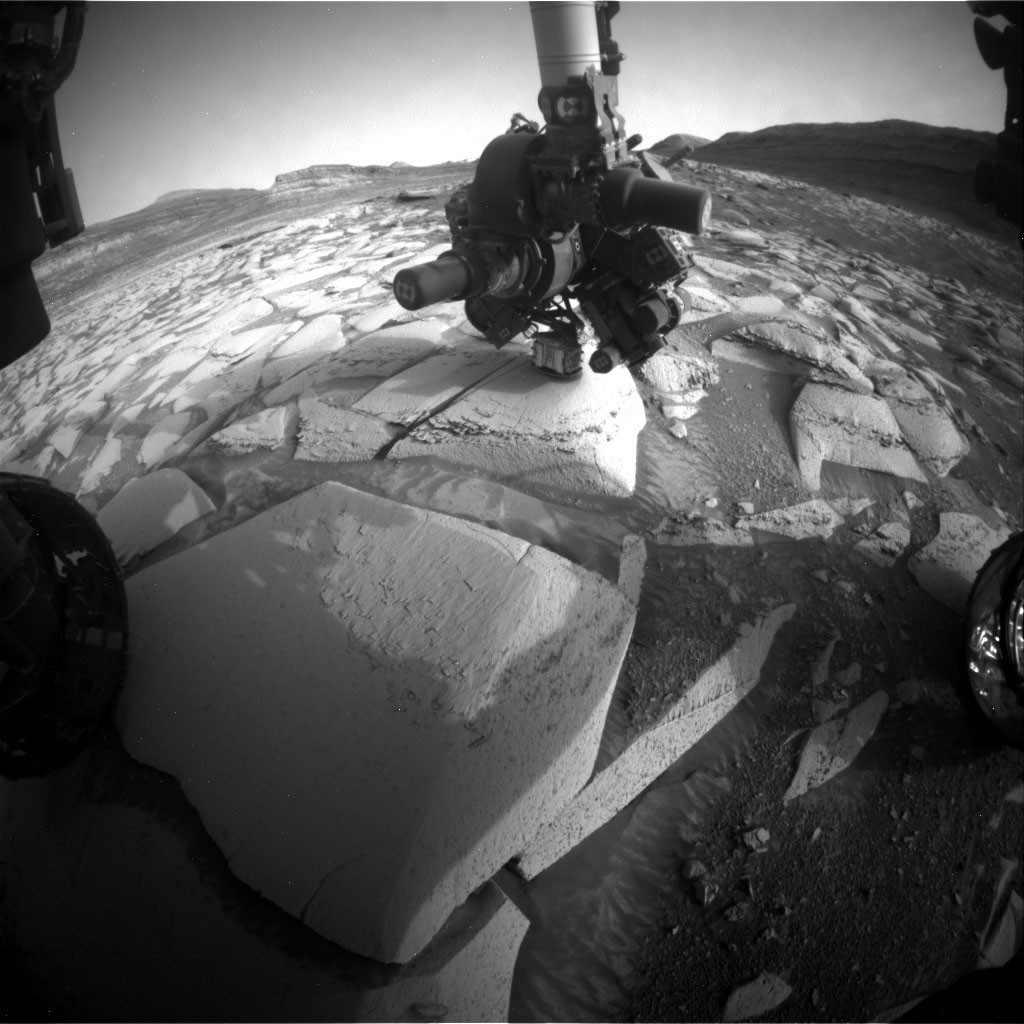
The rover celebrated its anniversary on Sol 4976 with instruments actively measuring chemical compositions and documenting atmospheric conditions.

The Spacecraft Processing Operations Contract on-ramp provision enables commercial providers to offer services for missions launching from locations where capabilities were previously unavailable.

A NASA-funded study published in ES&T: Air highlights the impact of traffic and fuel burning on air quality in a rapidly growing city, providing a critical baseline as Ethiopia implements strict vehicle import bans.

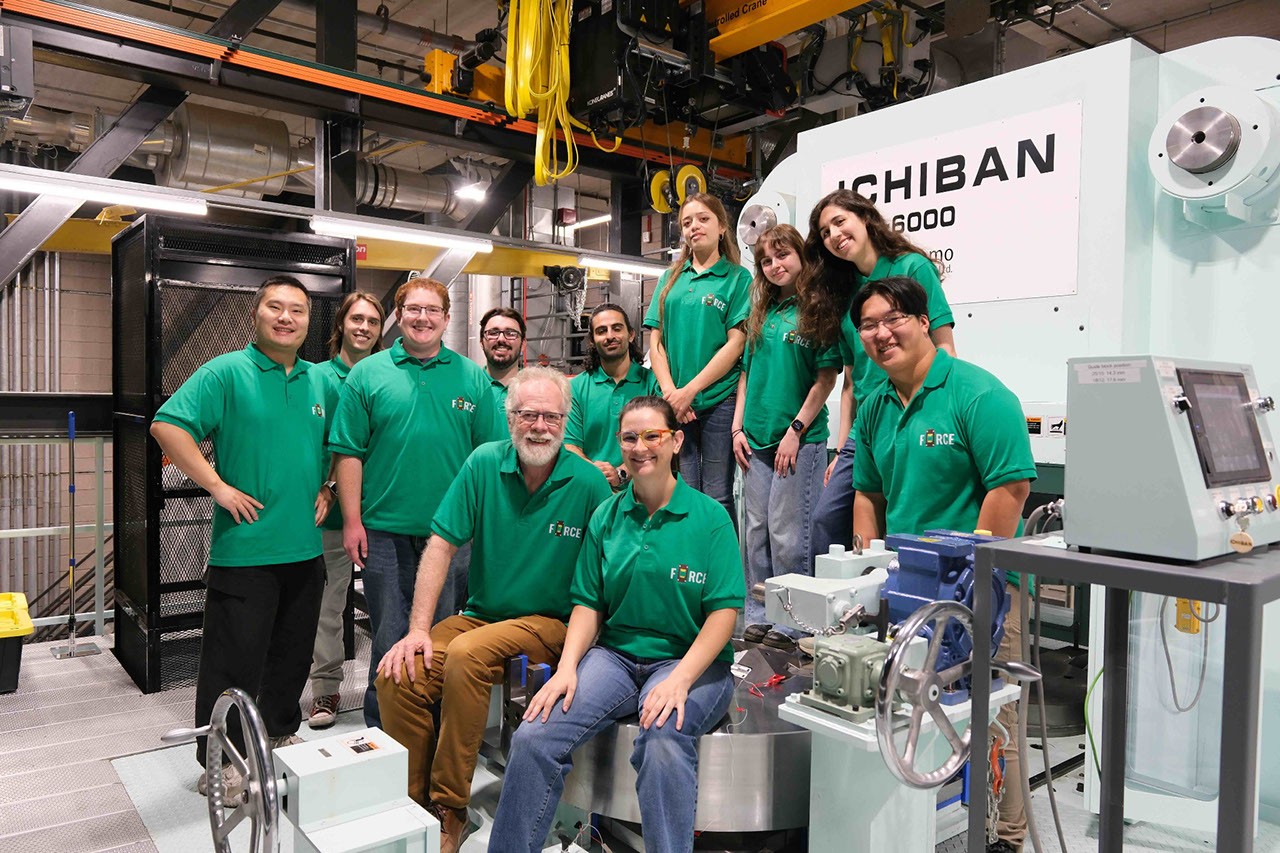
The NASA Science Mission Directorate’s Community of Practice for Education partnered with ASU’s FORCE laboratory to train seven undergraduates in translating complex research for non-expert audiences.

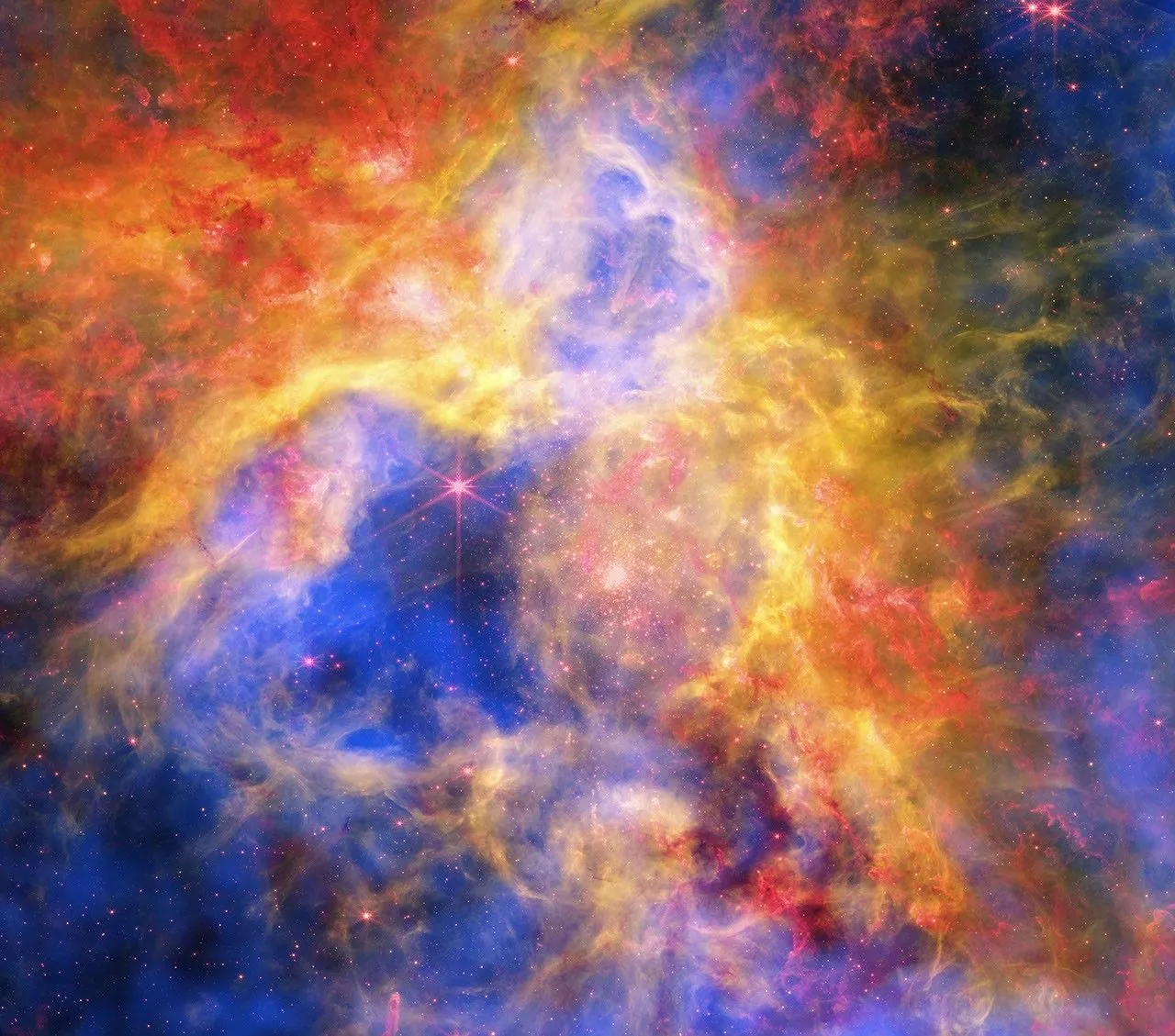
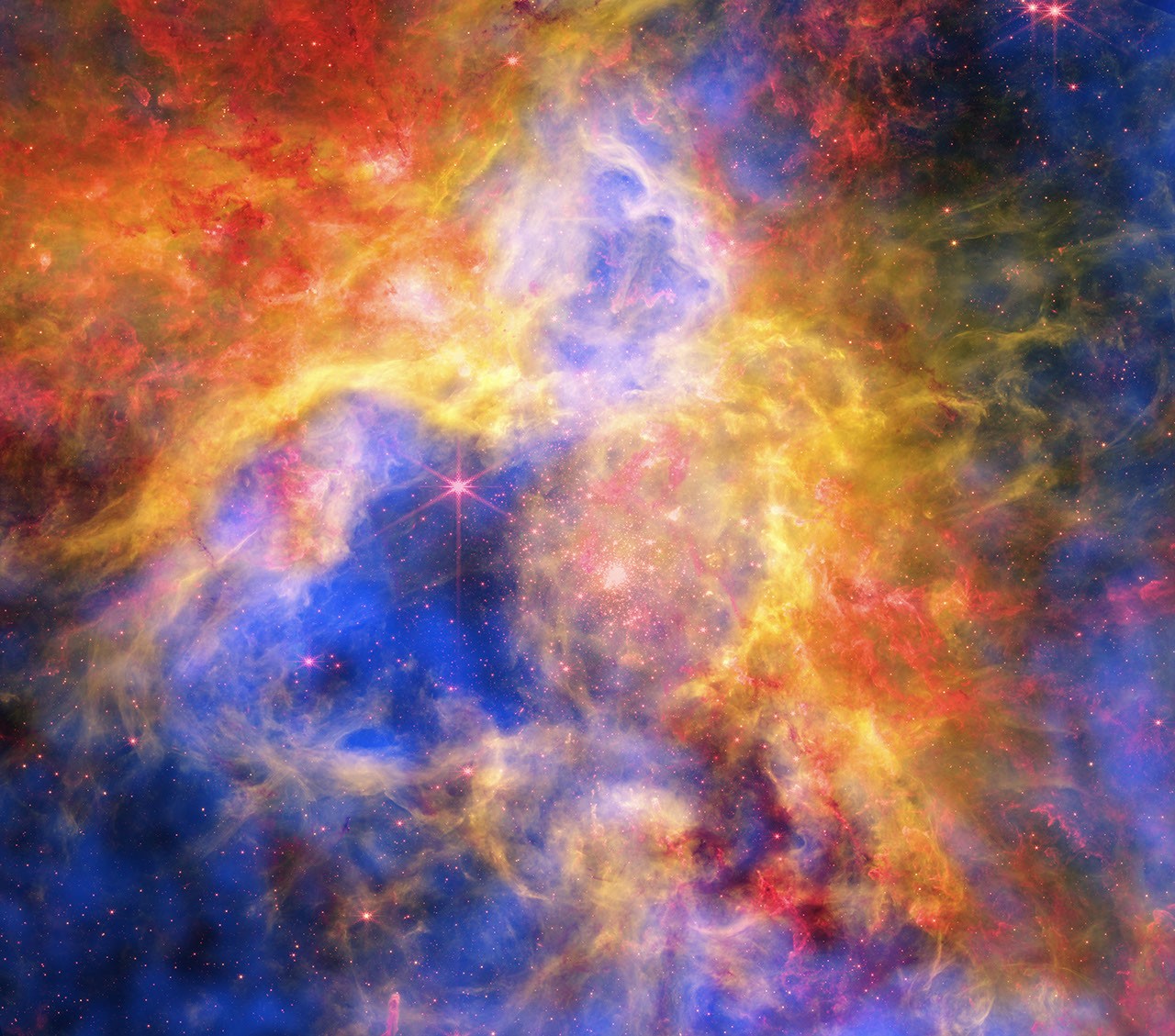
A new image combining observations from Chandra, James Webb and Hubble shows the Tarantula Nebula’s honeycomb-like gas and dust, while analysis suggests hot gas may be escaping the region.

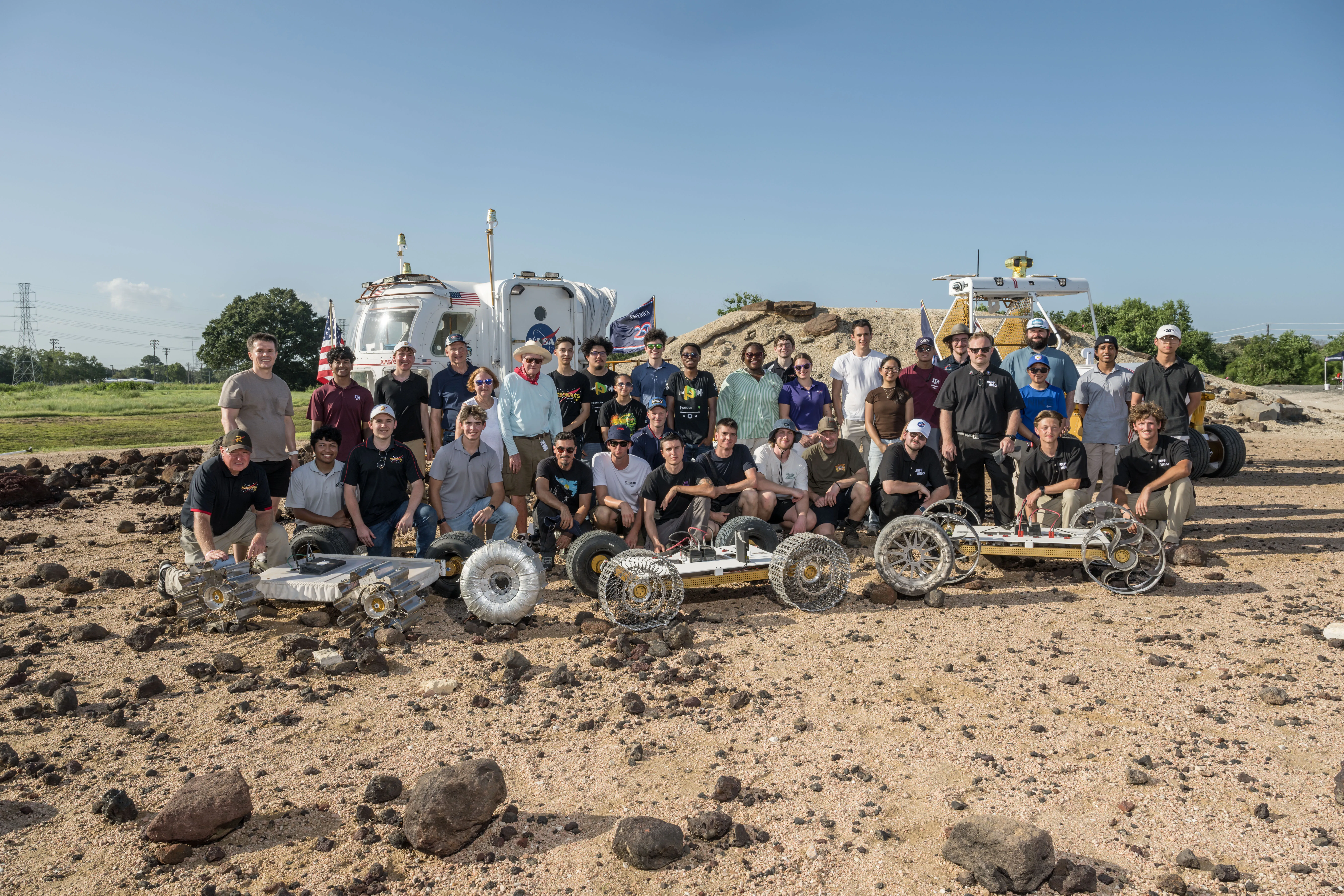
The Rock and Roll with NASA Challenge finalised its search for next-generation lunar wheels, with five teams from 128 global submissions testing prototypes at Johnson Space Center.

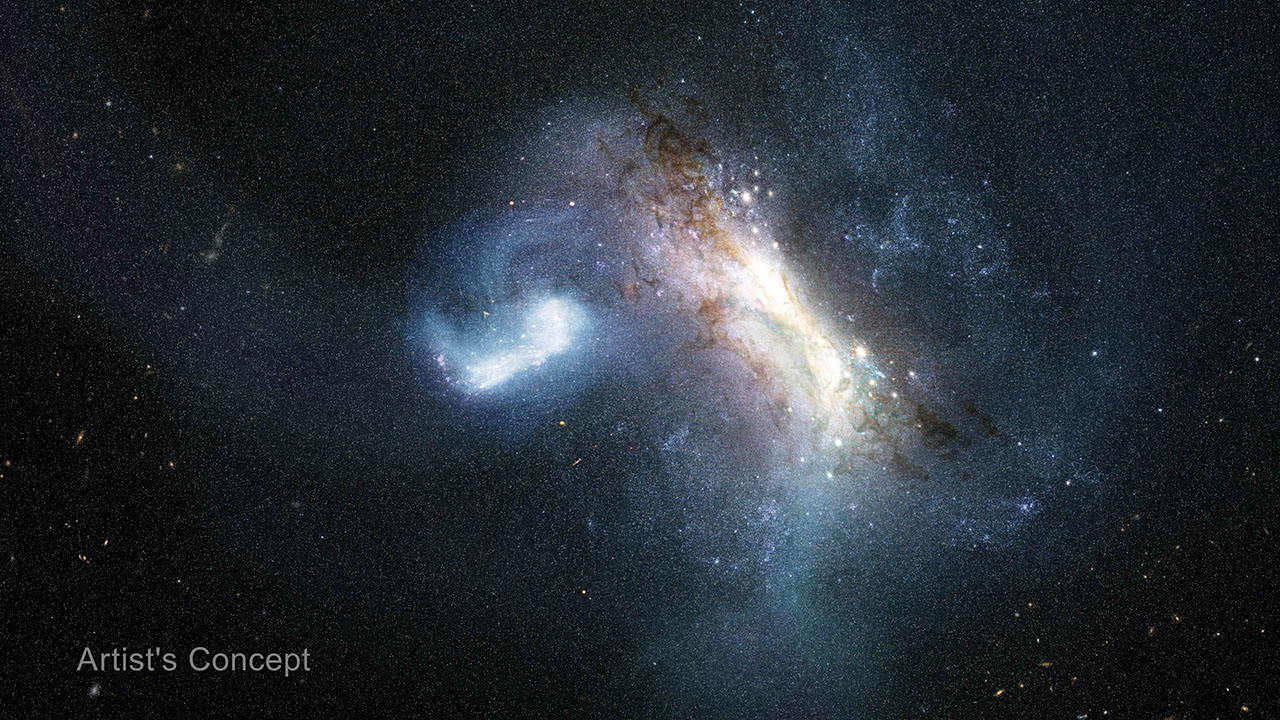
Definitive evidence from NASA’s Hubble Space Telescope confirms the absorption of the LKH dwarf galaxy 11.8 billion years ago, challenging previous models of the Milky Way’s formation.

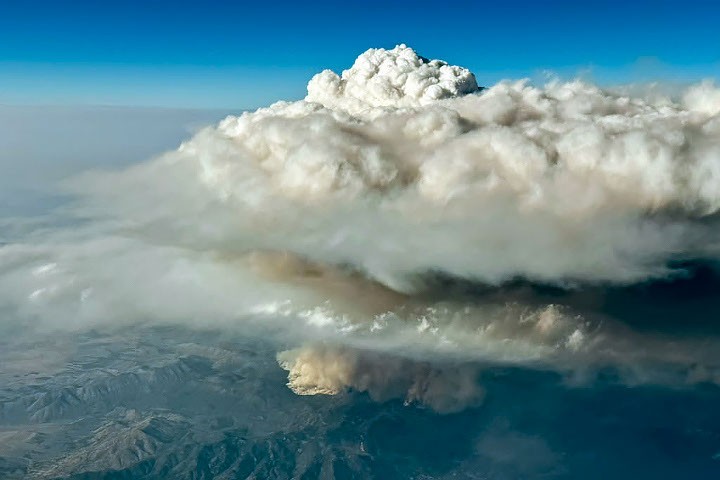
Atmospheric sampling reveals how pyrocumulonimbus clouds inject particles into the stratosphere, aiding efforts to forecast dangerous fire weather phenomena.

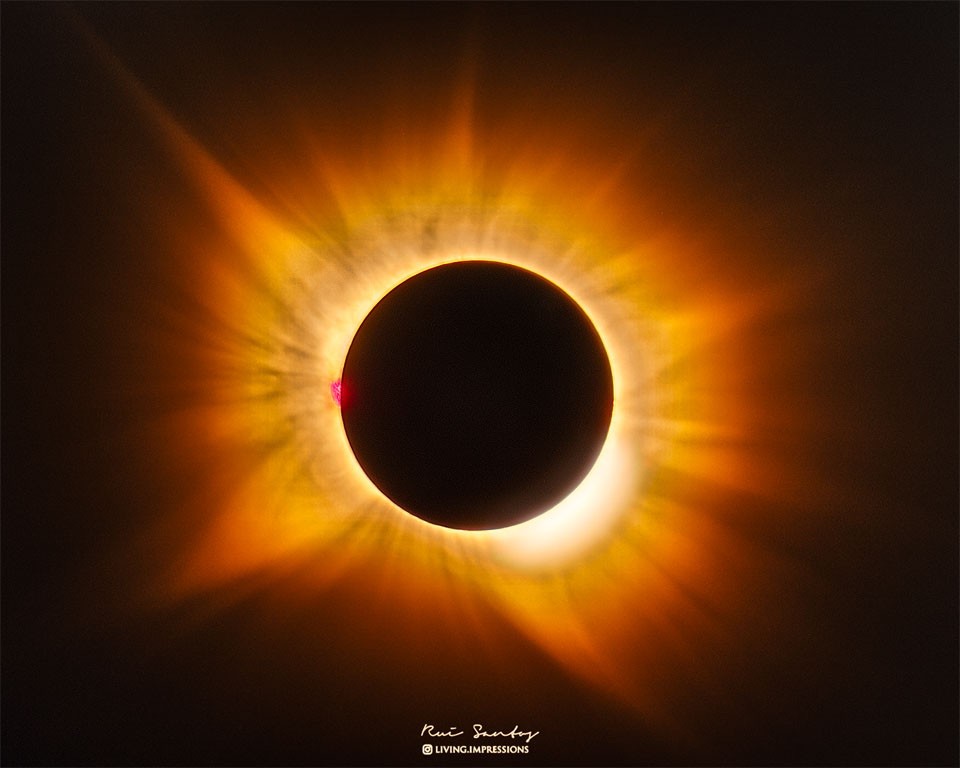
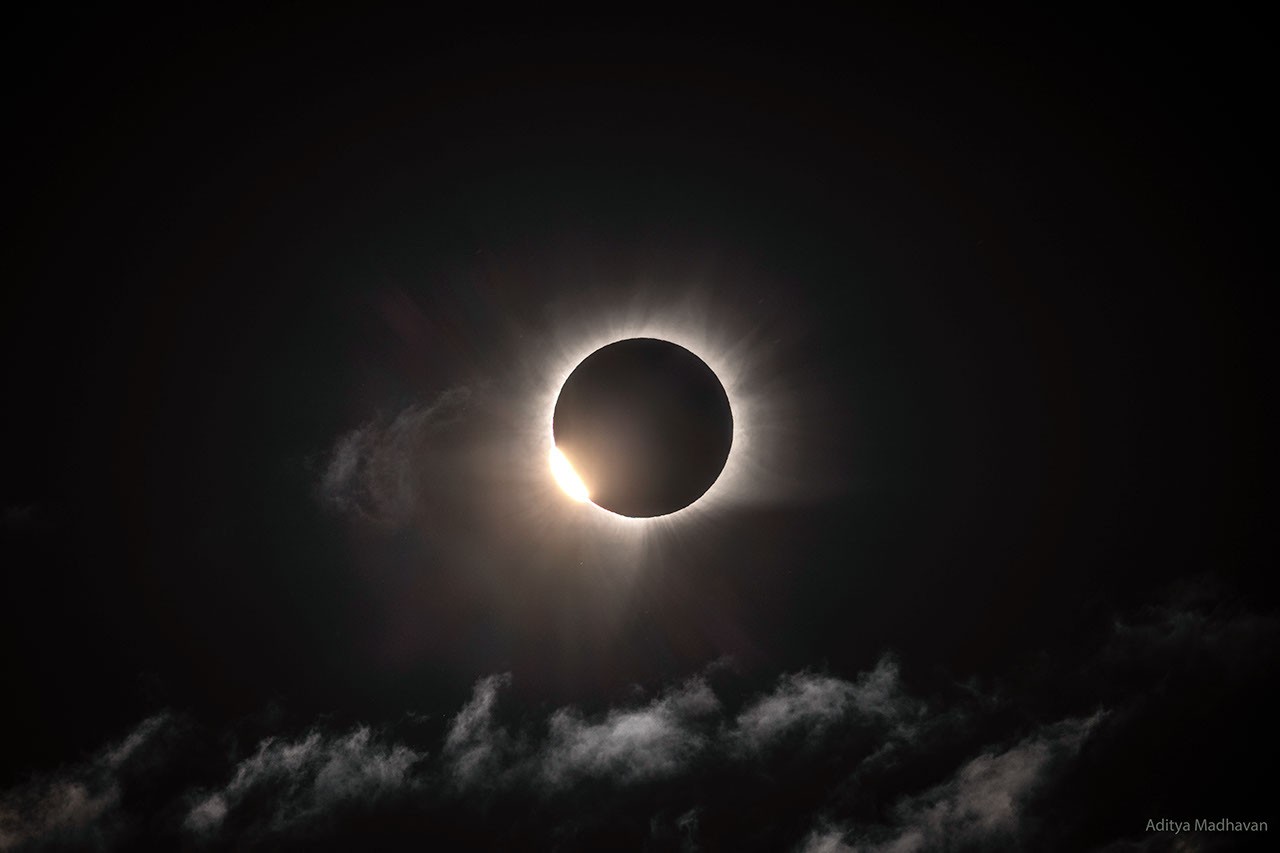
The Astronomy Picture of the Day features a photograph taken in Benavente, Spain, showing how low-angle sunlight and forest fire smoke altered the appearance of the solar corona during the 12 August 2026 event.

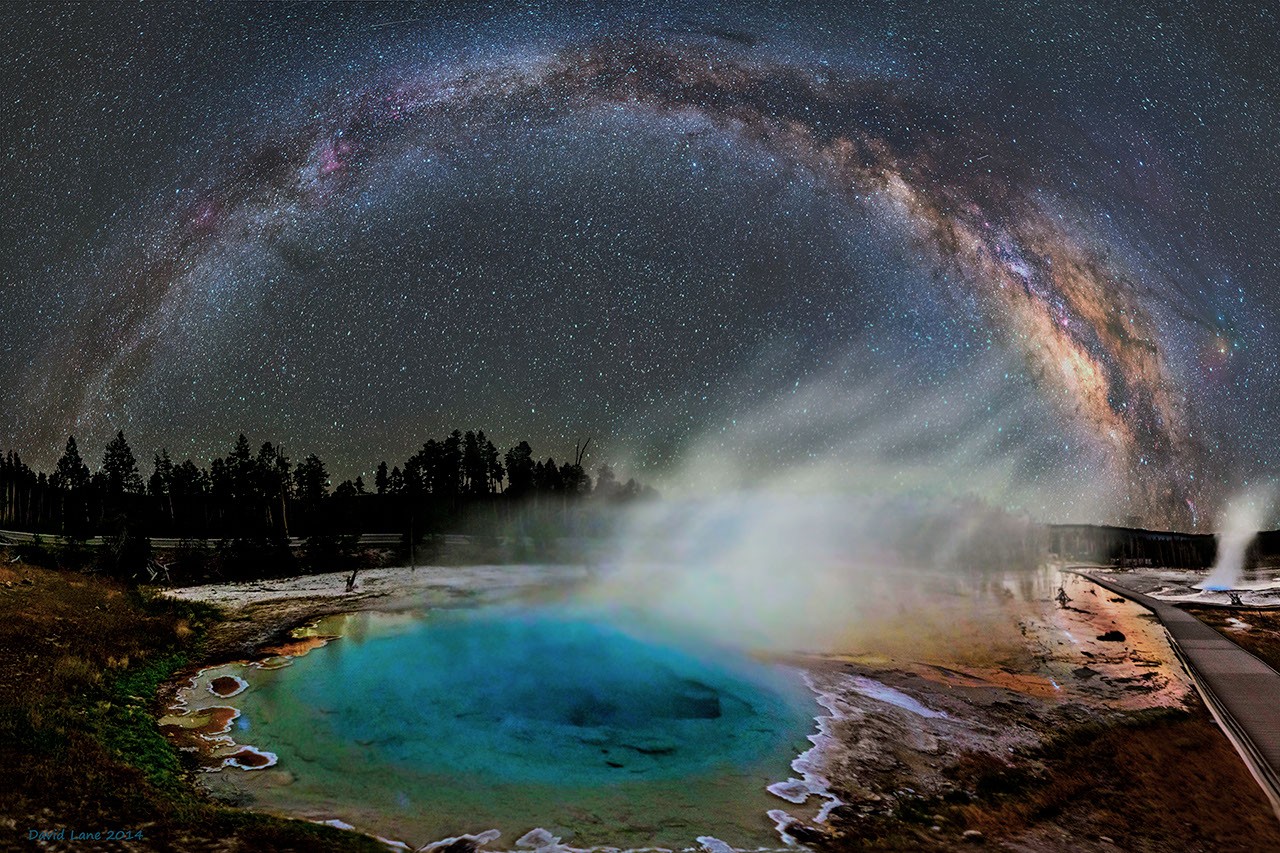
The 16 August 2026 entry in NASA’s Astronomy Picture of the Day series presents a composite view of the galaxy arching over a Wyoming hot spring, linking current geological observations to the region’s supervolcanic history.

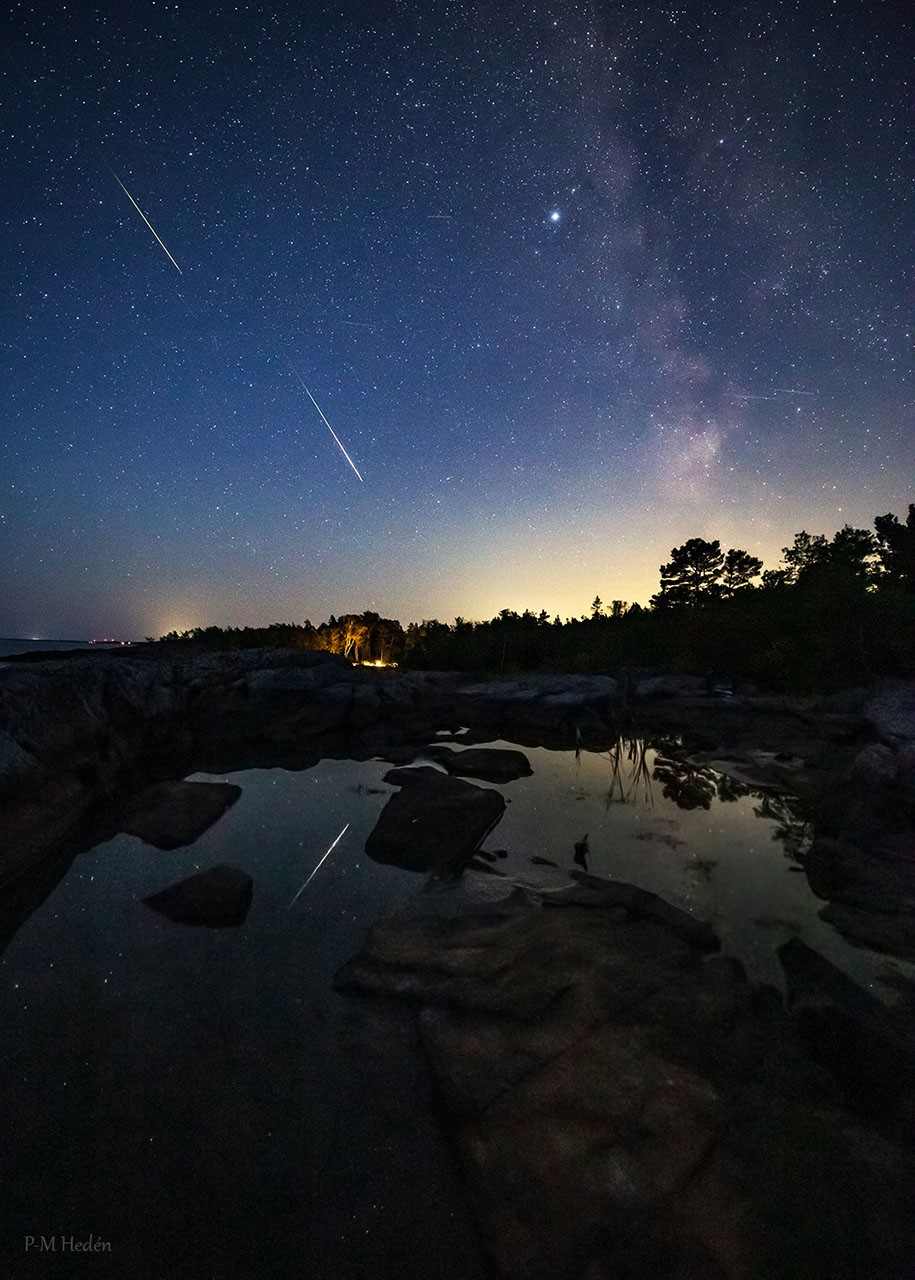
The latest Astronomy Picture of the Day features a photograph taken near Grisslehamn, revealing the mechanics of the annual meteor shower and its timing against a New Moon.

The annual RASC-AL challenge focuses on prospecting in permanently shadowed craters and developing expandable infrastructure, with finalists presenting in Florida next June.

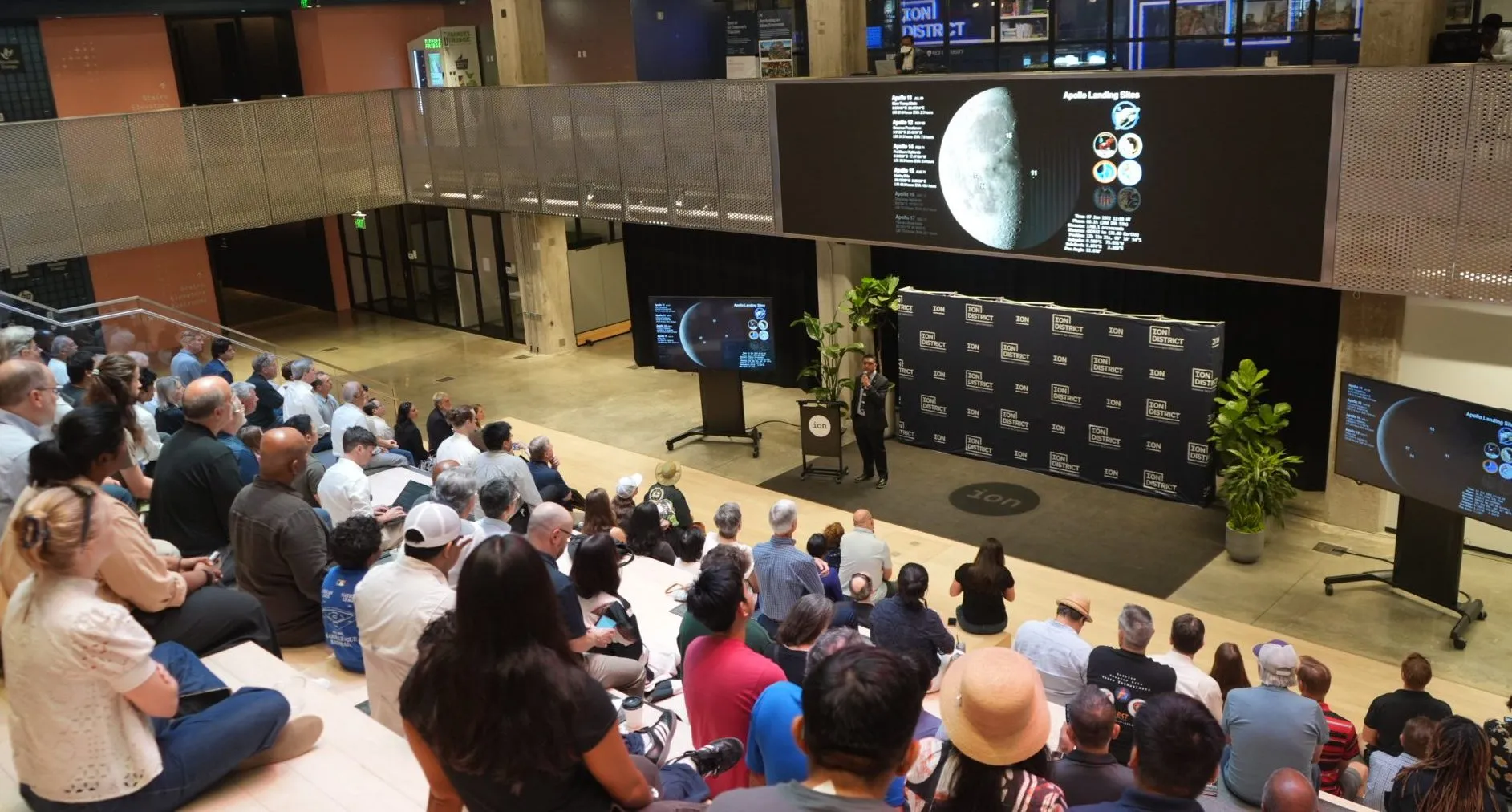
The two-day exposition, held in honour of America’s 250th anniversary, will feature autonomous systems, commercial space displays, and lunar return plans at Florida’s historic launch site.

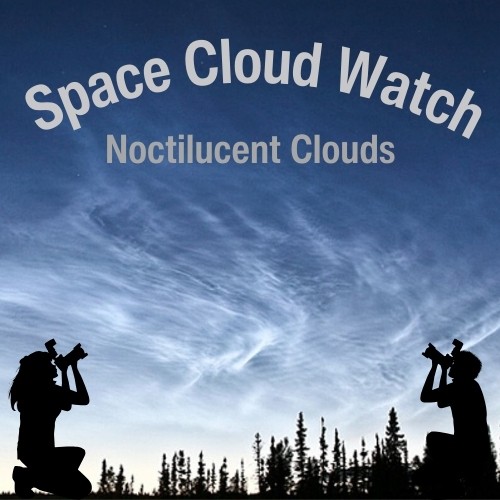
Namai Chandra’s new classification system helps distinguish high-altitude night-shining clouds from lower-altitude look-alikes, supporting citizen science efforts to monitor potential shifts in Earth’s weather patterns.

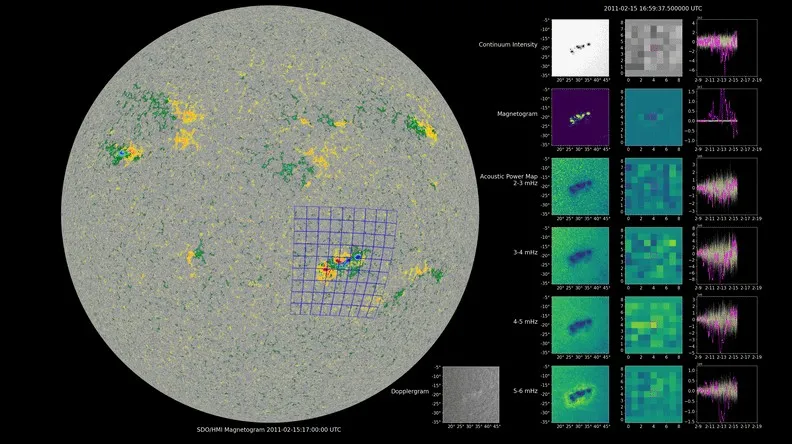
New research published in the Journal of Geophysical Research: Machine Learning and Computation details a sliding-window transformer architecture capable of identifying subtle changes in the Sun’s acoustic waves and magnetic fields.

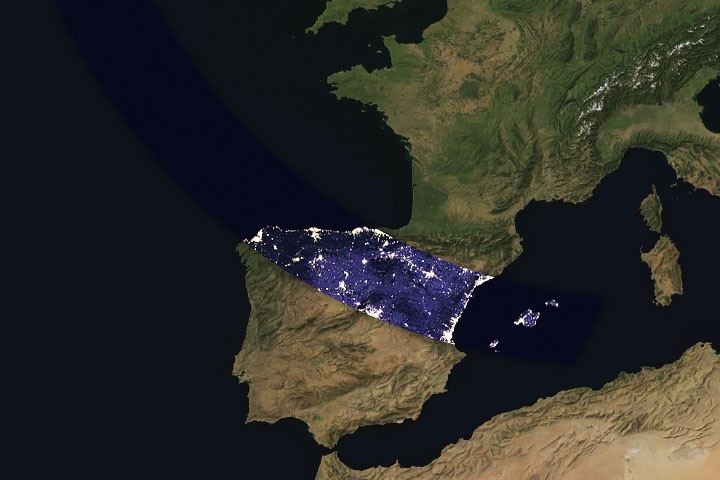
The agency’s latest release shows the path of totality sweeping from Greenland through Spain, with partial views visible across North America and Africa.

A composite image taken in San Millán de los Caballeros reveals a solar prominence during the August 12 event, while NASA instruments track atmospheric shifts from Iceland and the ground.

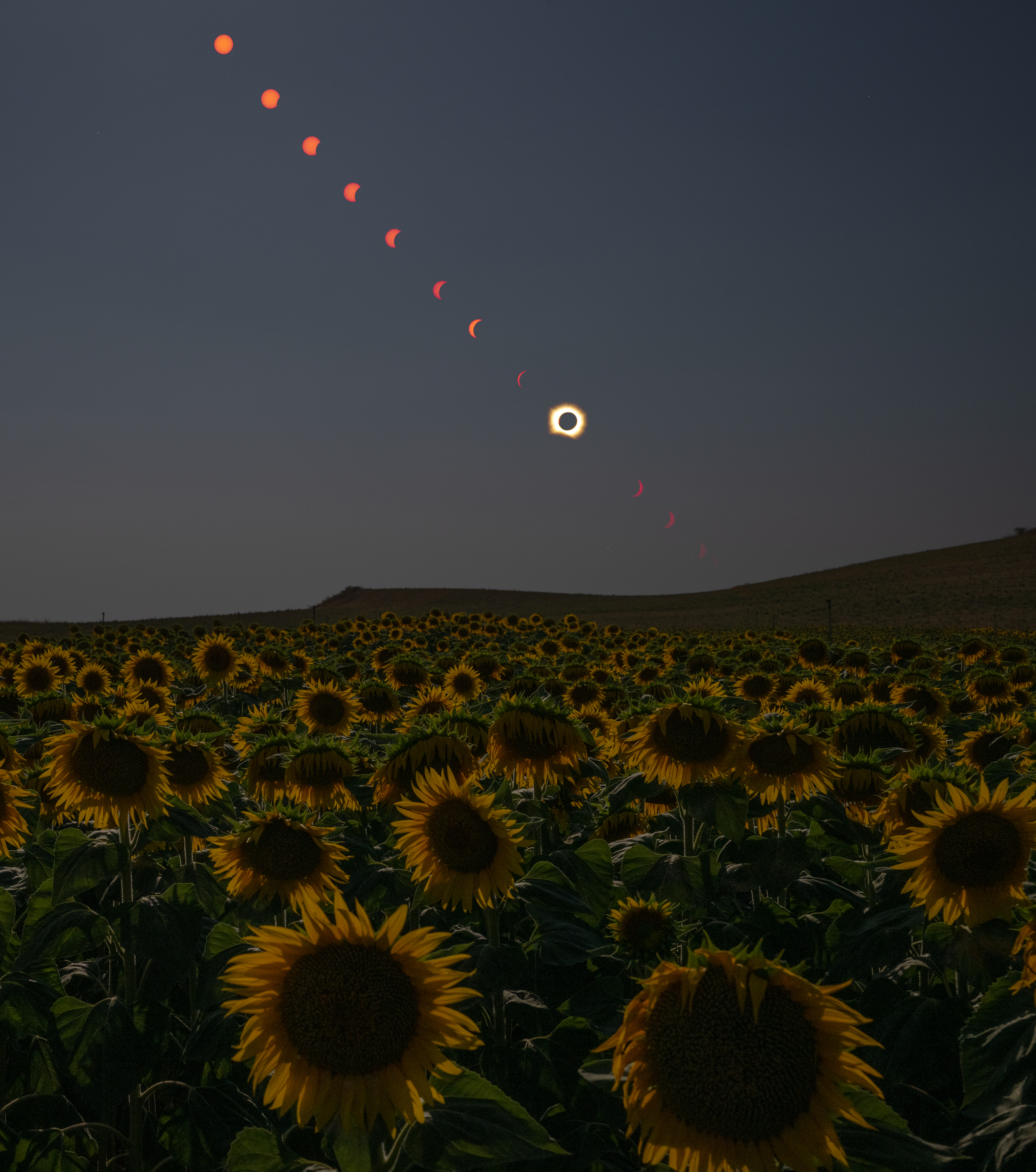
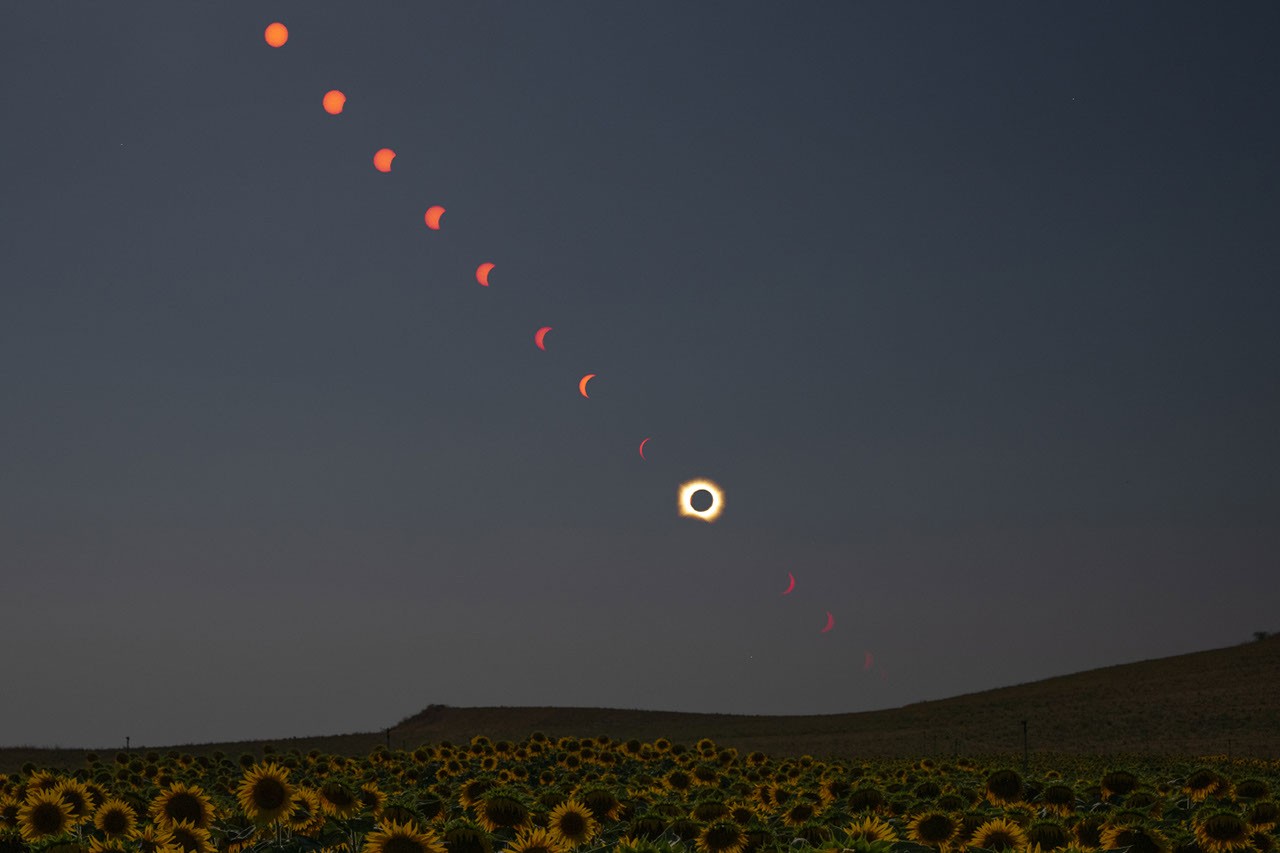
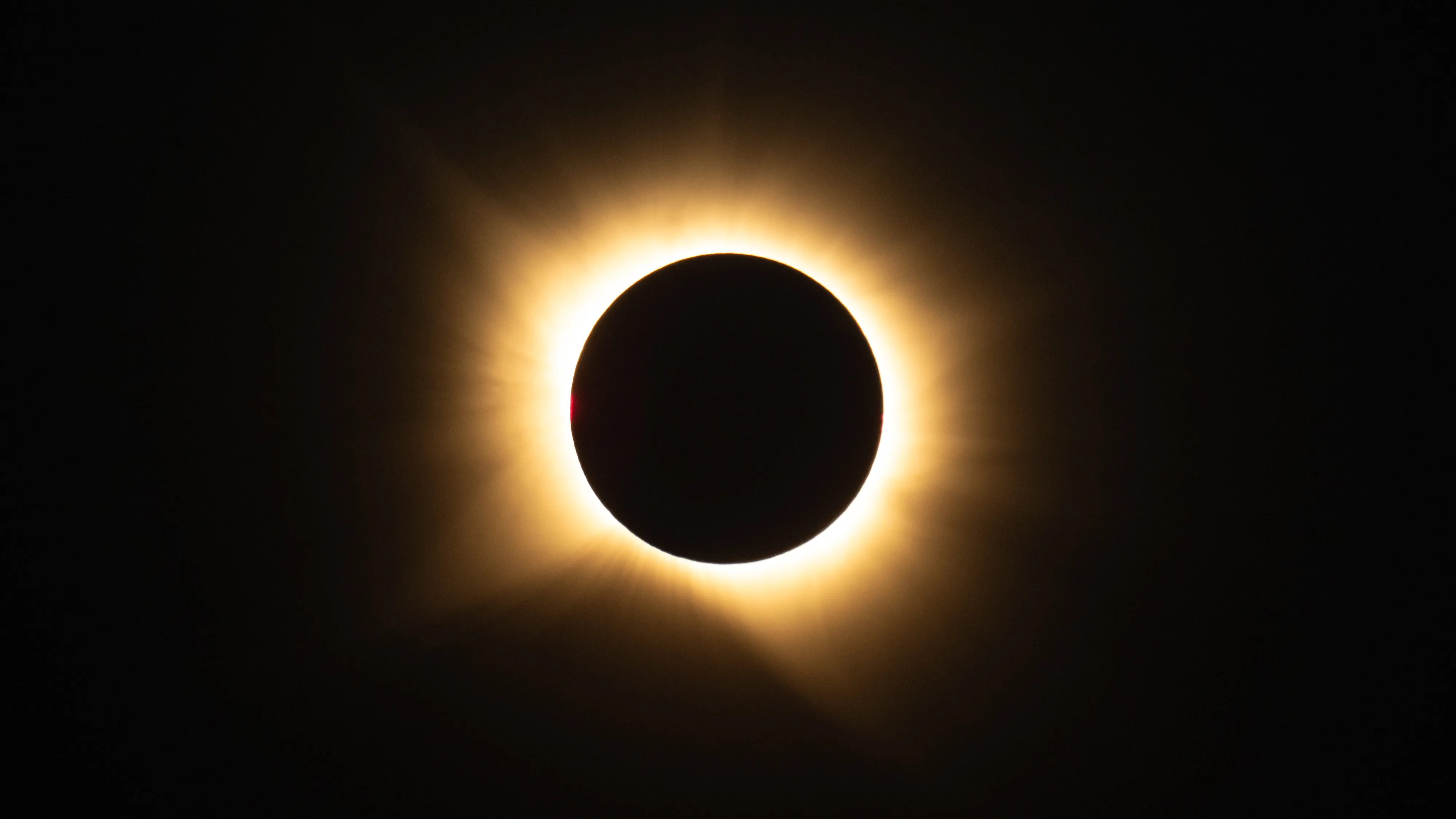
The photograph, published by NASA’s Astronomy Picture of the Day service on 14 August 2026, shows the total solar eclipse of 12 August 2026 as it traversed the Arctic and Europe.

The United States Air Force transferred ownership to NASA’s Armstrong Flight Research Centre in June, with flights to be conducted at Johnson Space Centre in Houston.

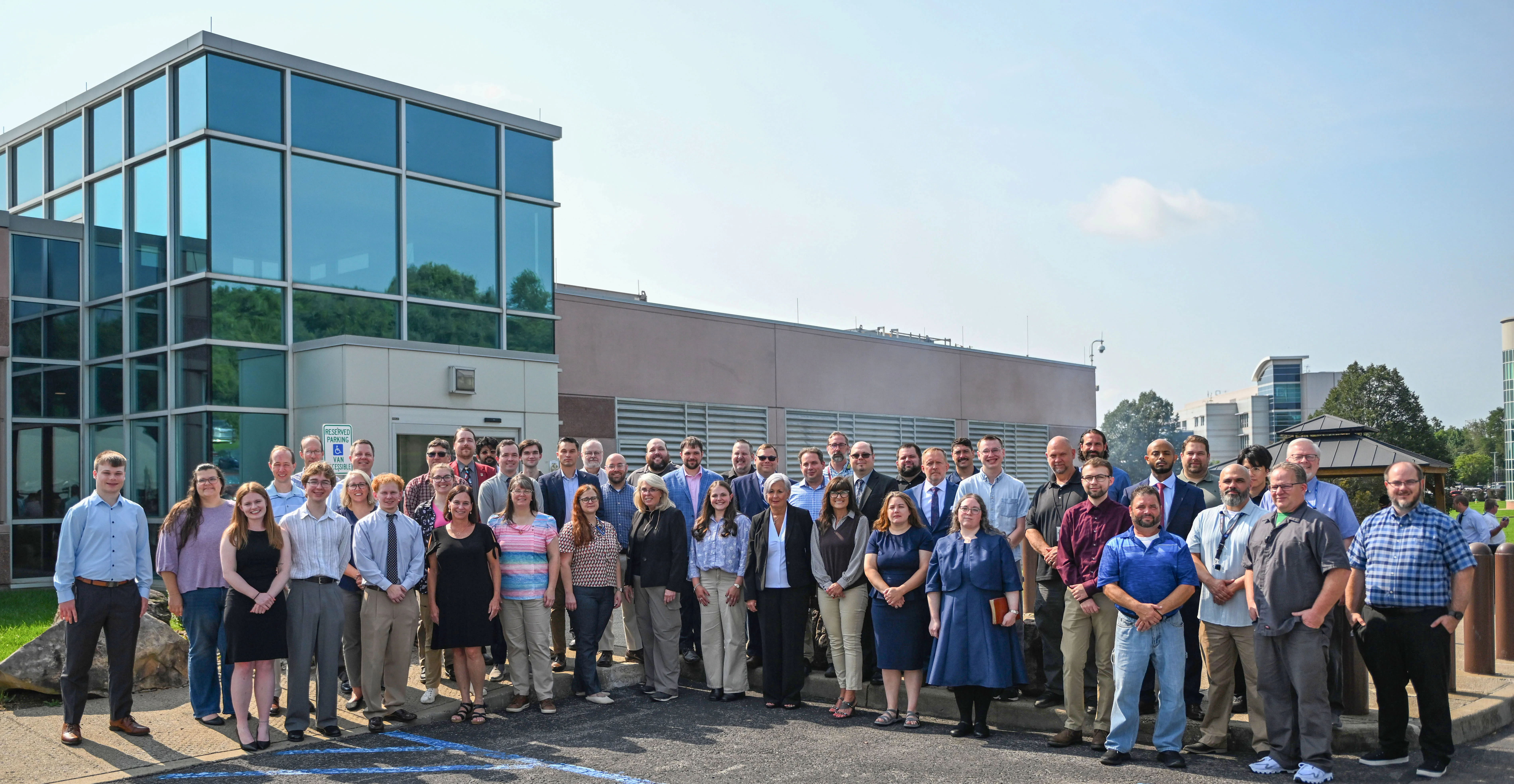
A systems engineer from Grafton has been converted to civil service status, joining 48 colleagues in a workforce directive aimed at strengthening long-term mission assurance capabilities.

The Perseids, one of the year’s most prominent meteor showers, hit its peak on the night of 12 August into the early hours of 13 August 2026, with activity continuing through the end of the month.

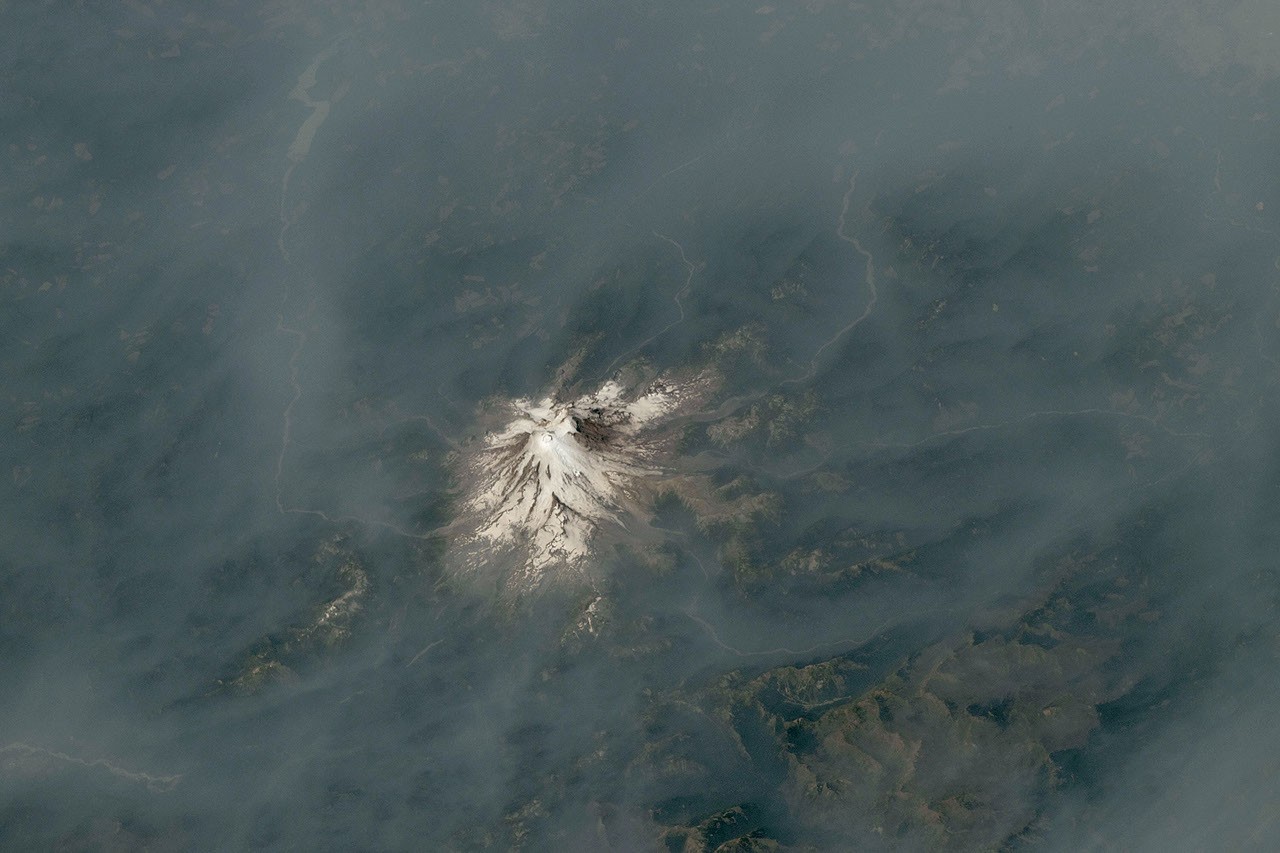
The Grasshopper fire near Mount Hood has burned nearly 84,000 acres, prompting evacuations in Oregon, while smoke from distant blazes degrades air quality at Mount Rainier in Washington.

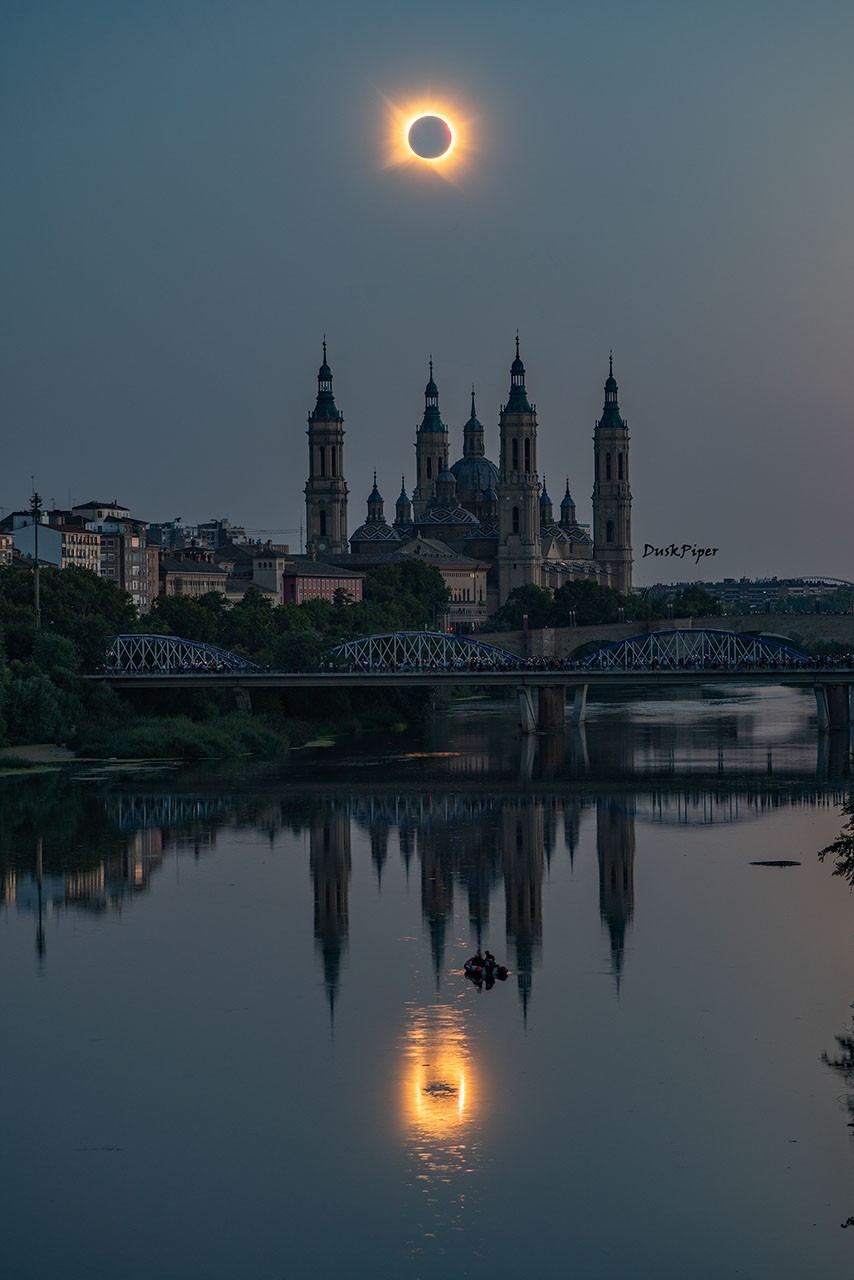
The Astronomy Picture of the Day showcases a photograph by Ruiyu Zhang, capturing the celestial event over the Cathedral-Basilica of Our Lady of the Pillar and the Ebro River.

New computer models help commercial entities navigate the challenges of in-situ resource utilisation, though the exact location of water ice remains uncertain.

The Moon passed between the Sun and Earth on Wednesday, plunging parts of Greenland, Iceland, northern Russia, the Atlantic, Spain, and Portugal into darkness, while partial views were seen across the Americas and Europe.

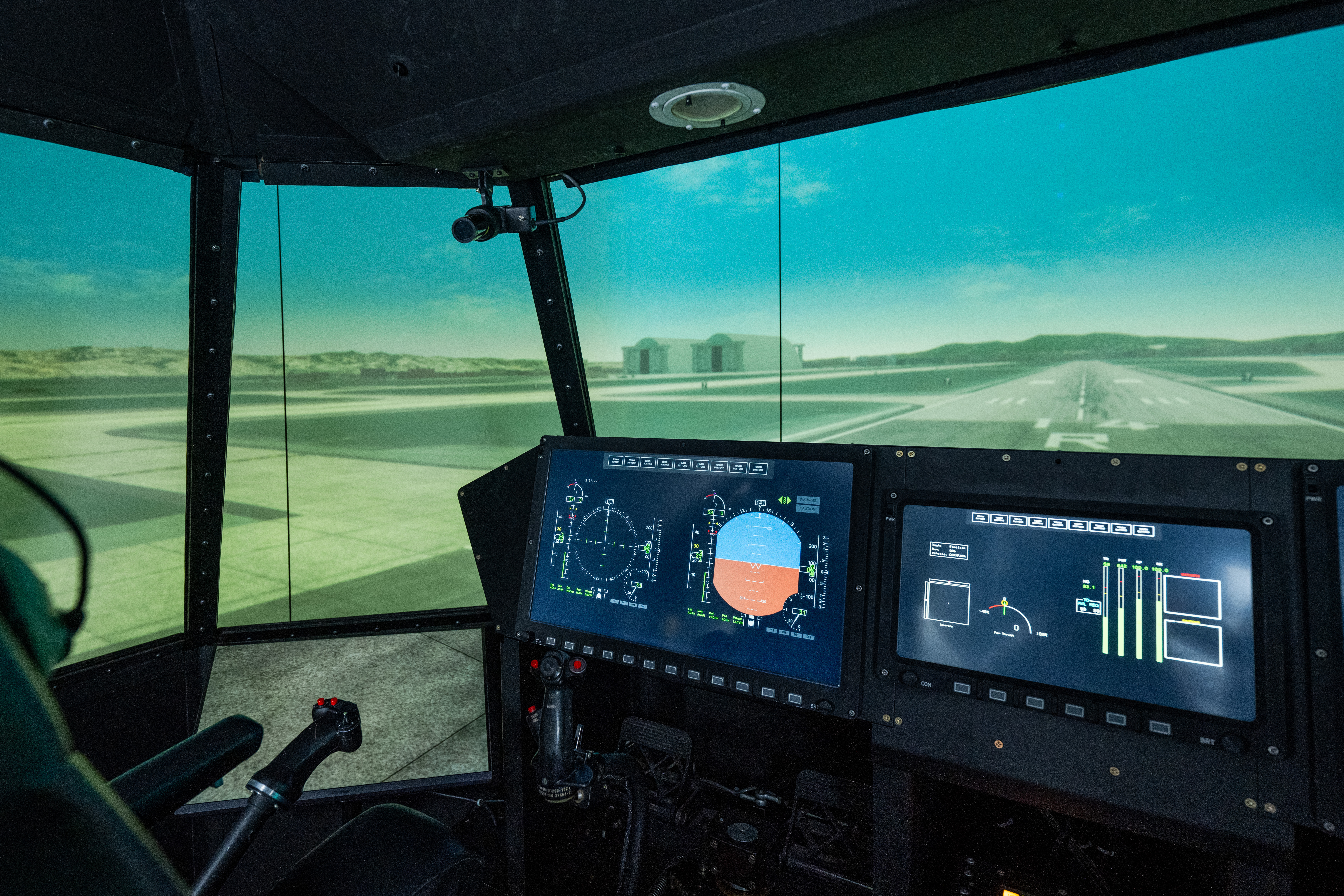
The world’s largest motion simulator has been modernised to support more aggressive mission tasks, including testing lunar landers and air taxis, with configuration time cut in half.

After a career spanning defence contracting and small satellite work, Waitt transitions to a core NASA role at Kennedy Space Center, joining the team for Artemis II and III.

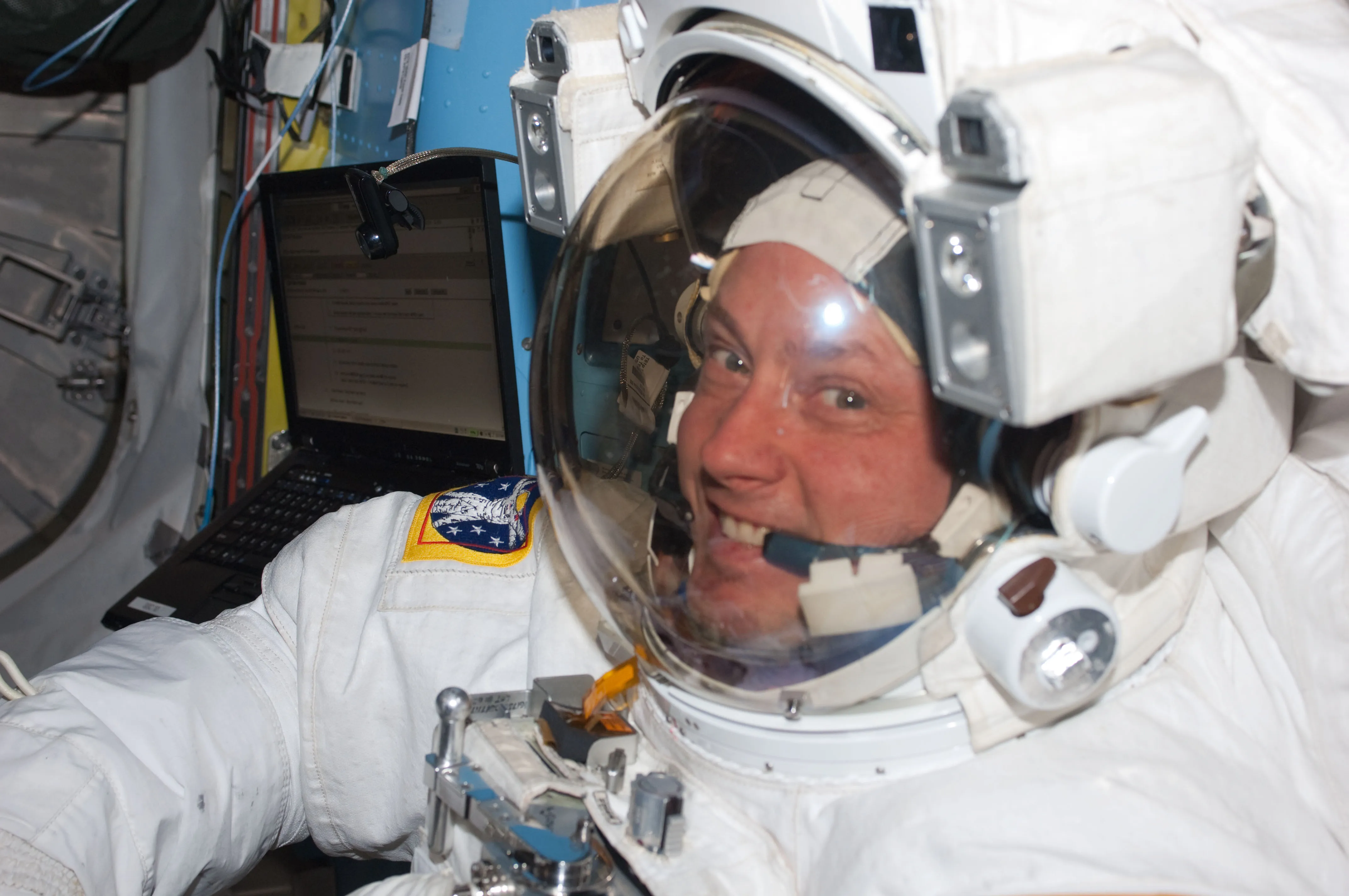
The veteran astronaut leaves behind a legacy of 549 days in space, nine spacewalks, and pivotal roles in both the Space Shuttle and Commercial Crew programs.

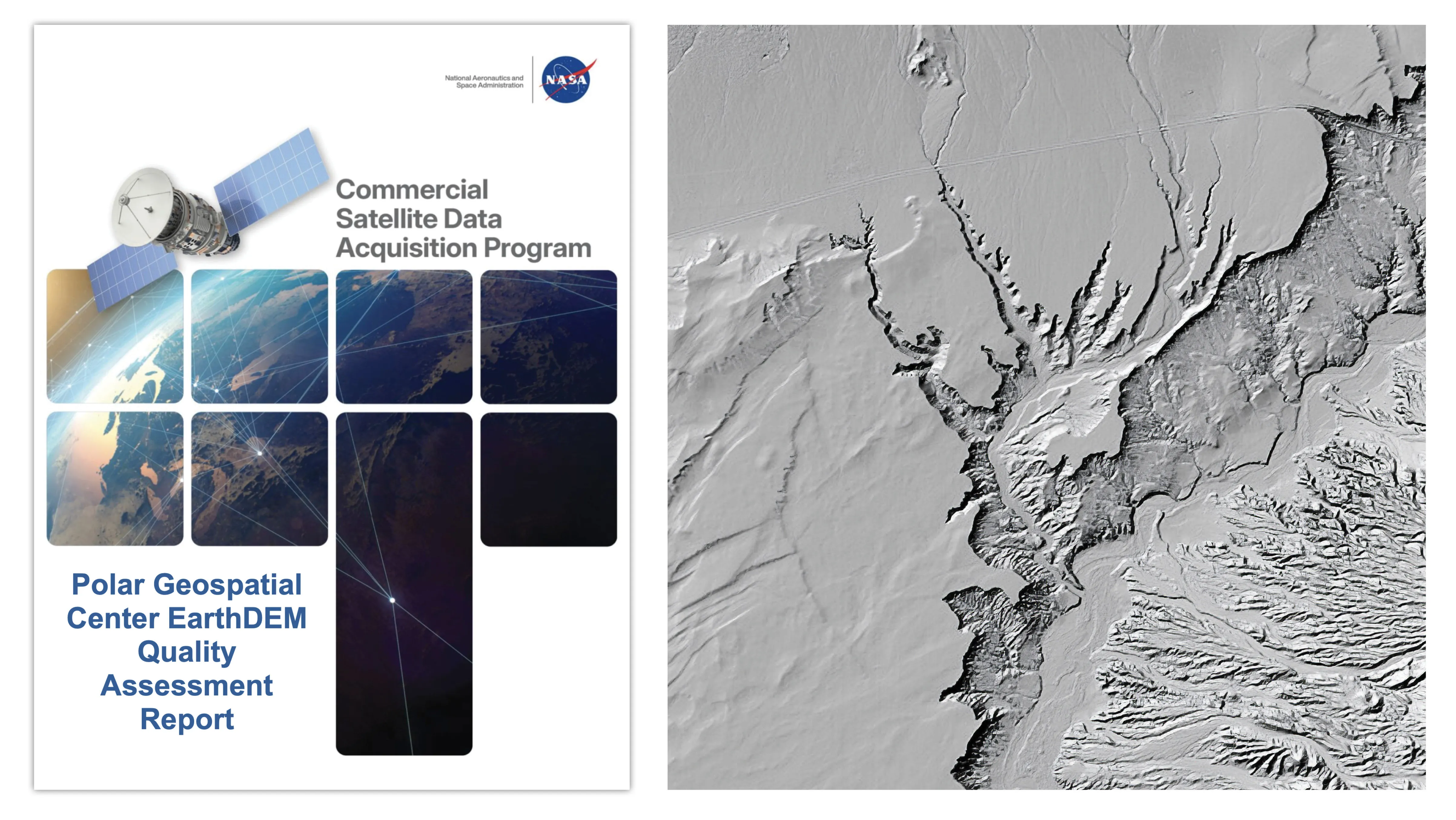
NASA’s Commercial Satellite Data Acquisition program has released an evaluation of the Polar Geospatial Center’s EarthDEM digital surface models, confirming excellent horizontal accuracy but noting that vertical measurements exceed specified error margins.

The Moon’s shadow will traverse the Arctic Circle, cross northern Russia and eastern Greenland, and reach Iceland around 17:45 Universal Time, before moving across the North Atlantic to northern Spain.

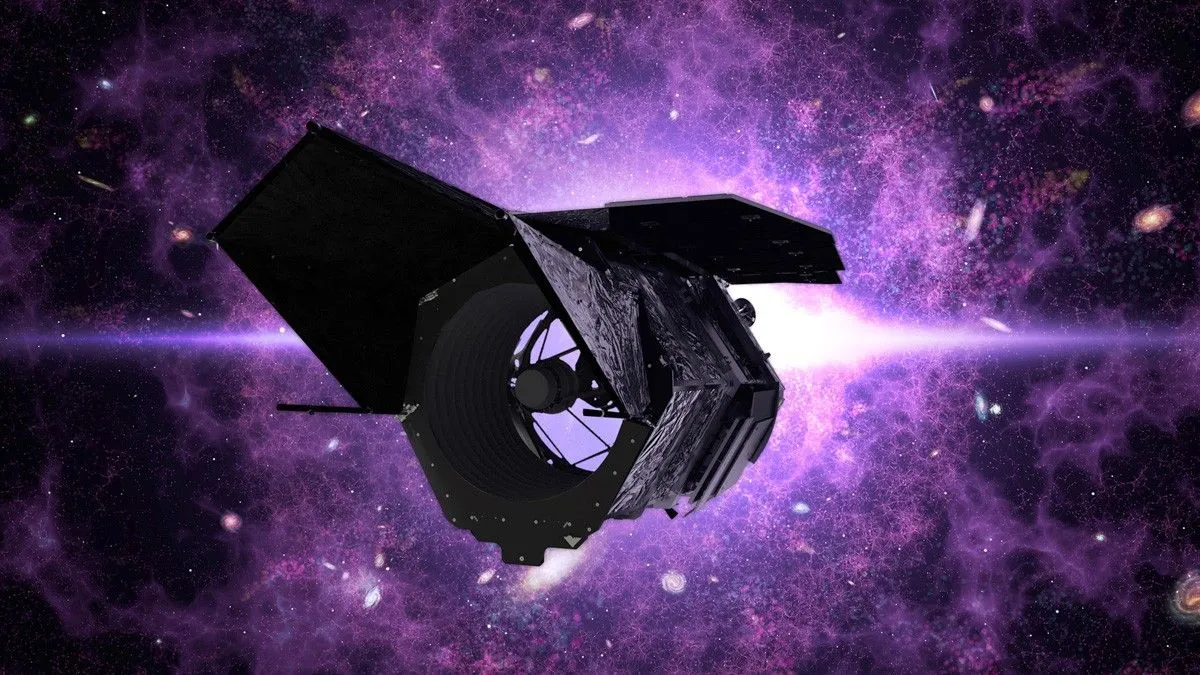
Scheduled for liftoff on 30 August 2026, the mission aims to investigate dark energy, dark matter, and exoplanets using the most powerful coronagraph ever flown in space.

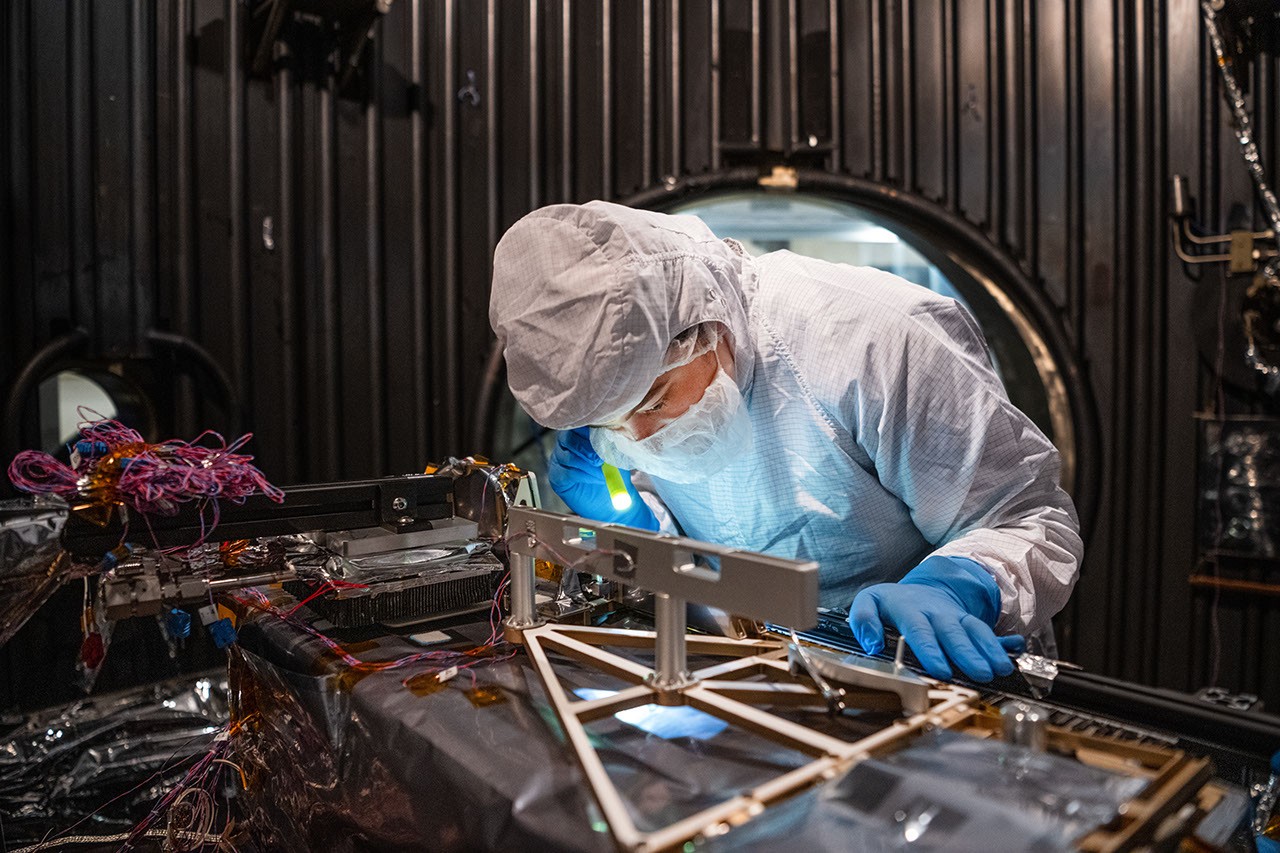
The suitcase-sized payload, led by the University of Maryland Baltimore County, features advanced insulation to survive extreme cold without radioisotope heaters.

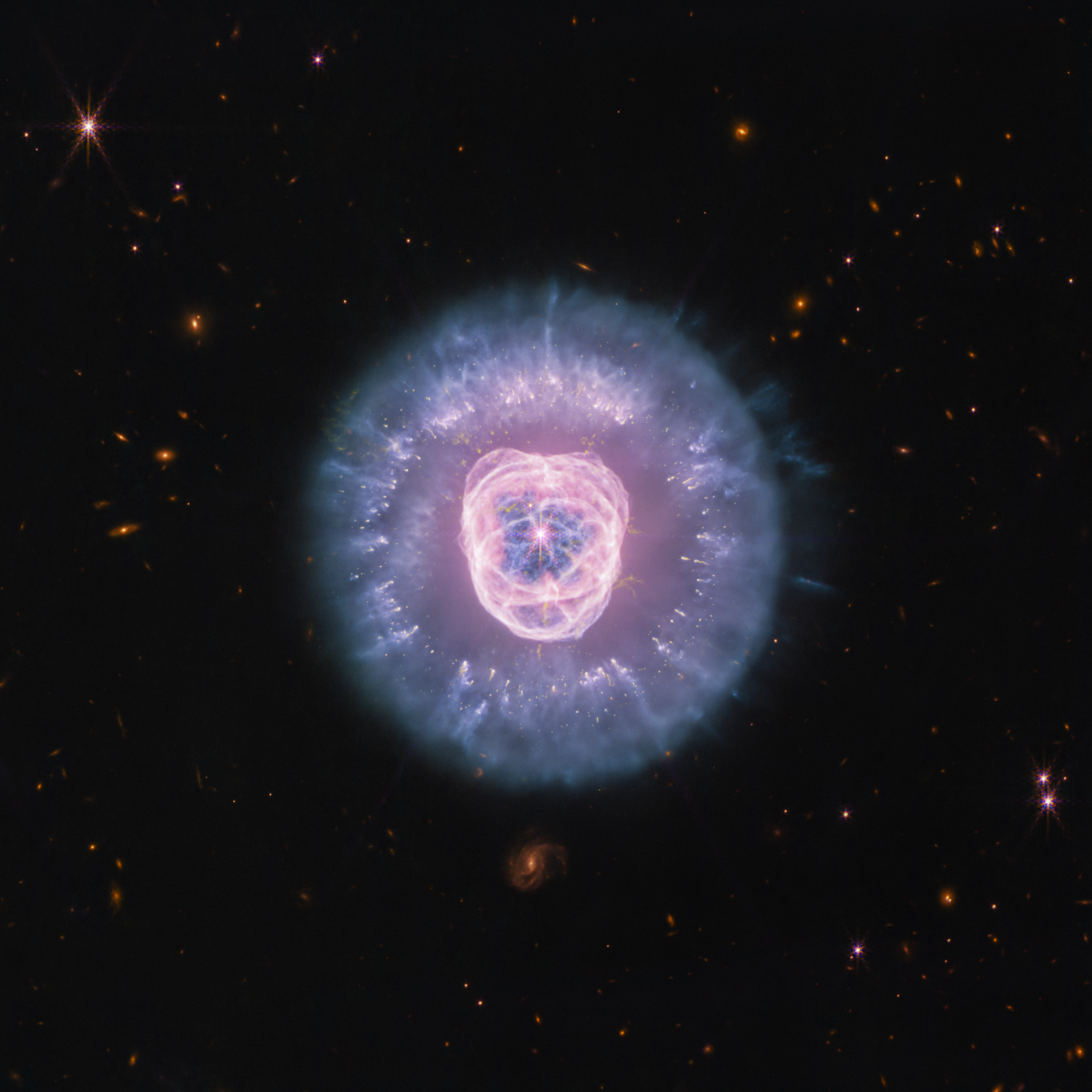
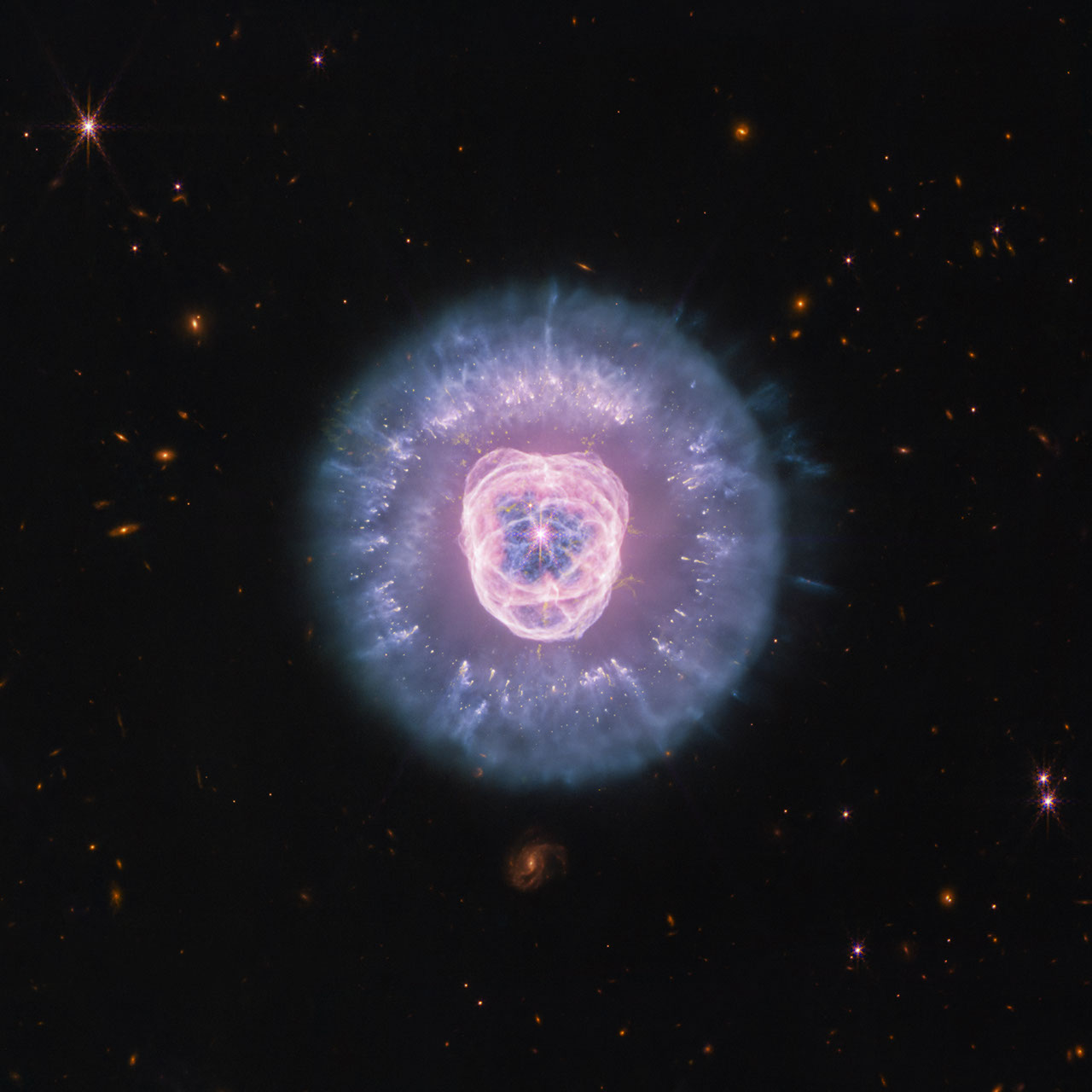
NASA’s James Webb Space Telescope has released fresh observations of NGC 2392, offering a clearer view of the planetary nebula’s remains than previous Hubble Space Telescope data from 2000.

New research led by The Ohio State University suggests gas leakage, mixing, and conduction account for less X-ray-emitting gas than previously expected.

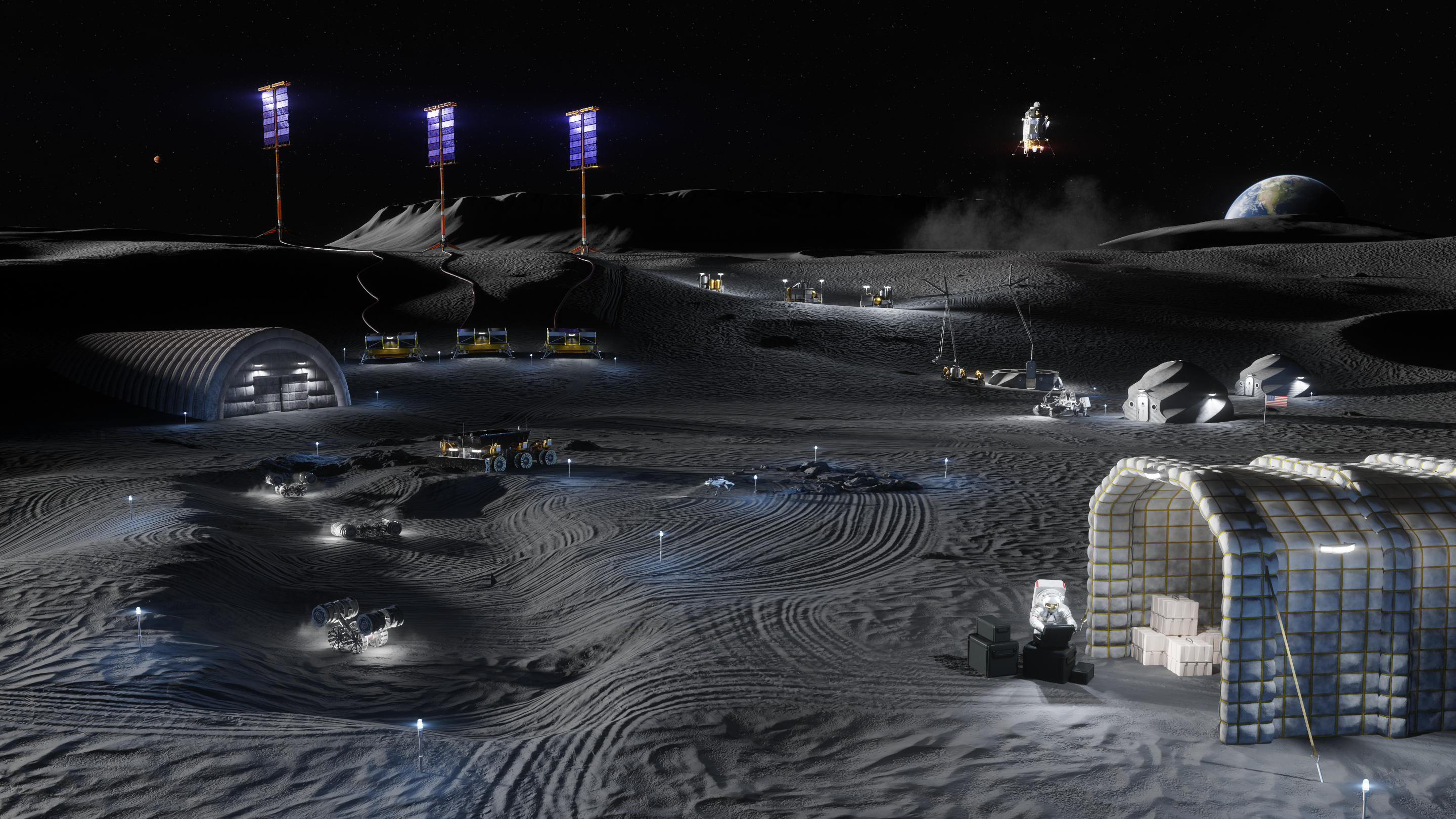
From hazardous regolith to shifting shadows, the path to a permanent lunar settlement requires distributed infrastructure and cross-disciplinary collaboration, according to recent agency presentations.

Astronauts are testing technologies for bone density preservation, medical fluid generation, and robotic automation to ensure safe long-duration spaceflight beyond low Earth orbit.

The rover’s ascent to the suspected erosional supersurface allows for high-resolution analysis of sedimentary structures and atmospheric conditions.

A new report details the 9-metre tidal range, mangrove expansion, and biodiversity that define this crescent-shaped bay in Western Australia’s Kimberley region.

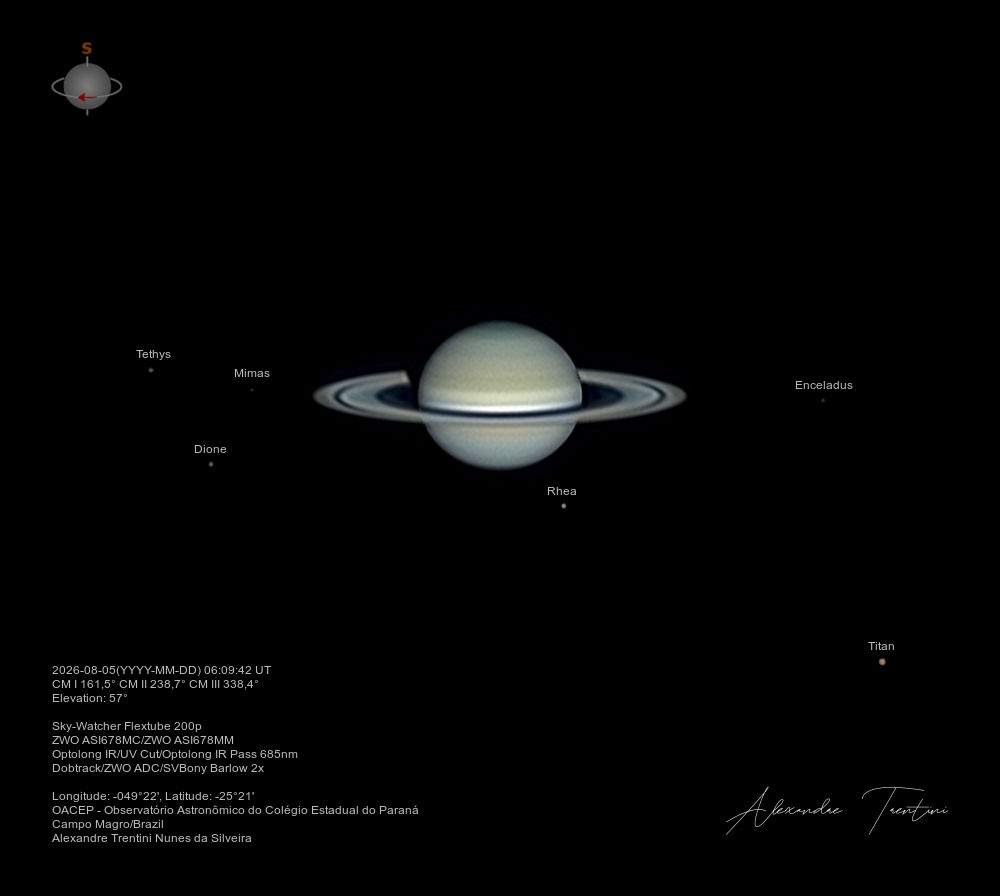
As of June 2026, the gas giant holds 293 confirmed moons, more than double Jupiter’s tally, with the largest, Titan, discovered over three centuries ago.

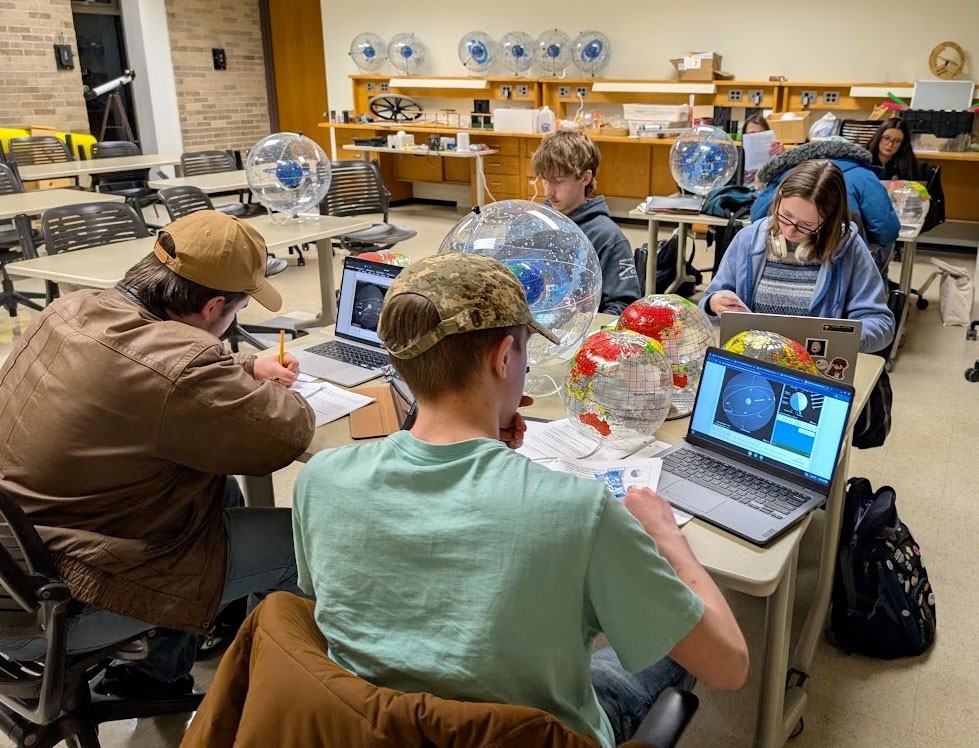
A collaboration between three NASA Science Activation teams and five instructors aims to transform traditional textbook content into Relevant Engaging Active Learning courseware, with field testing scheduled for late 2026.

New platforms will offer Dolby Vision content, including the Artemis III mission, while the service remains free on official channels

New observations from the NIRCam and MIRI instruments provide a clearer view of the dying star’s remains, highlighting dust clumps and ionised gas that were not visible in previous Hubble Space Telescope images from 2000.

As the new academic term begins, NASA is promoting a suite of educational initiatives designed to build a pipeline of technical experts, alongside key dates for major spaceflight operations.
New observations from the PACE satellite confirm that weakened trade winds and suppressed upwelling have drastically reduced chlorophyll concentrations in the central equatorial Pacific, with tangible effects on Peru’s anchovy industry.