BusinessDraft
UAE dismisses reports of billions in frozen funds for Iran as false
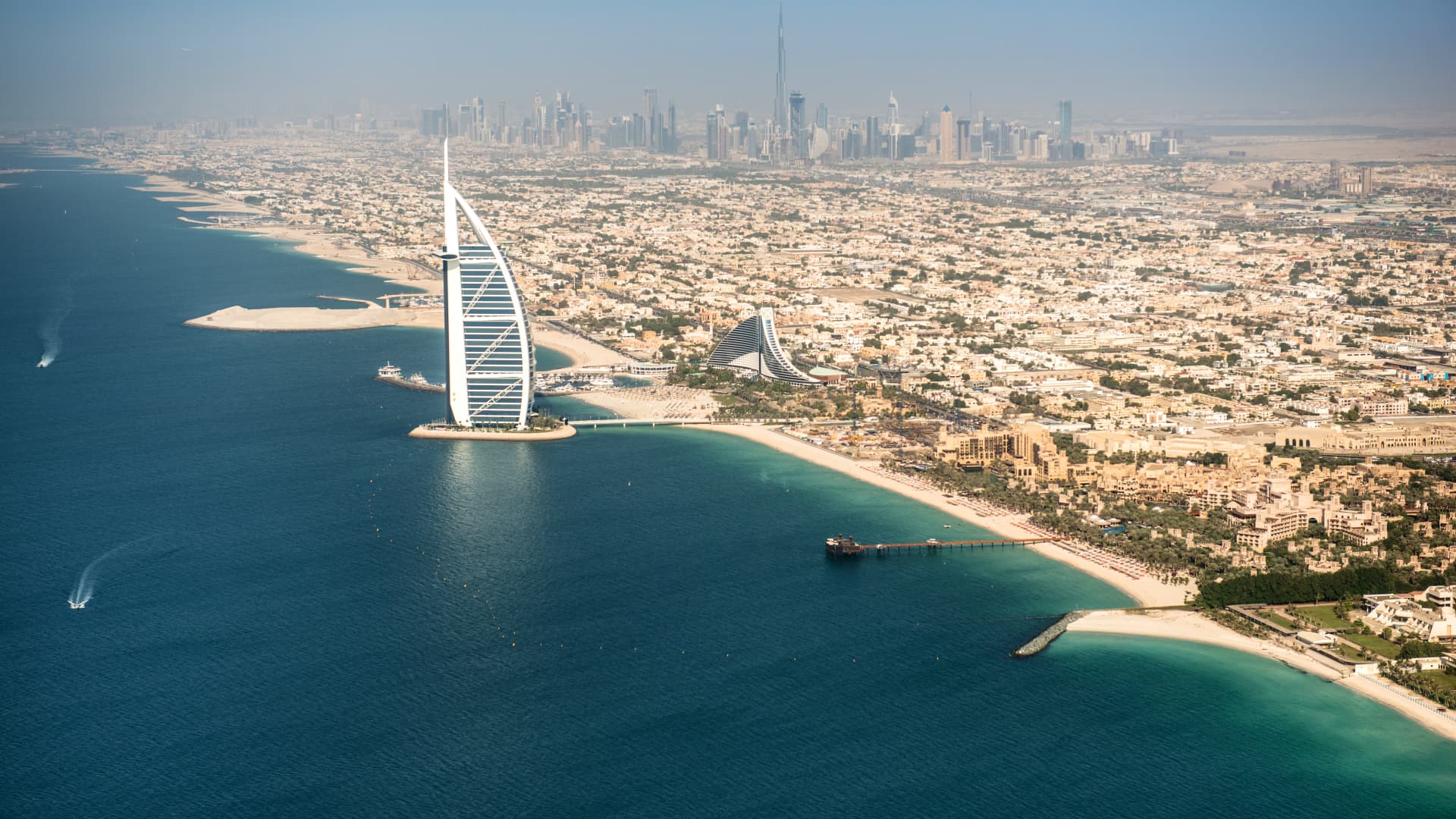
The United Arab Emirates has rejected allegations that it agreed to release billions of dollars in frozen assets to Iran, calling the reports inaccurate.
Markets, companies, capital, and the strategic shifts reshaping the global economy.
The United Arab Emirates has rejected allegations that it agreed to release billions of dollars in frozen assets to Iran, calling the reports inaccurate.
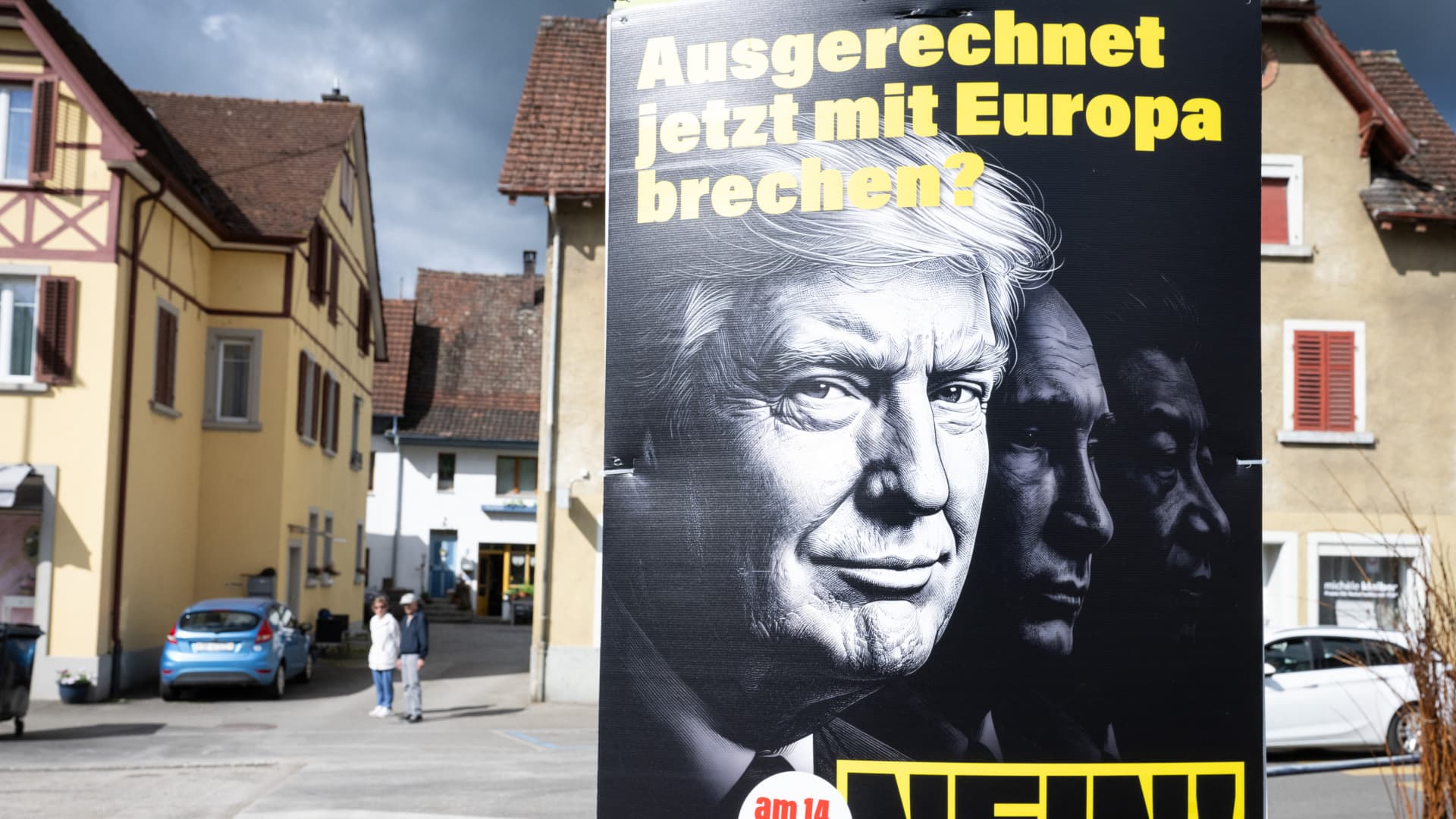
The vote scheduled for 14 June 2026 could tighten immigration rules and strain Switzerland’s free-movement agreement with the European Union, with experts warning of potential economic instability.

Anthropic has disabled its Fable 5 and Mythos 5 models to adhere to a US government export control directive, sparking debate over security capabilities and market access.
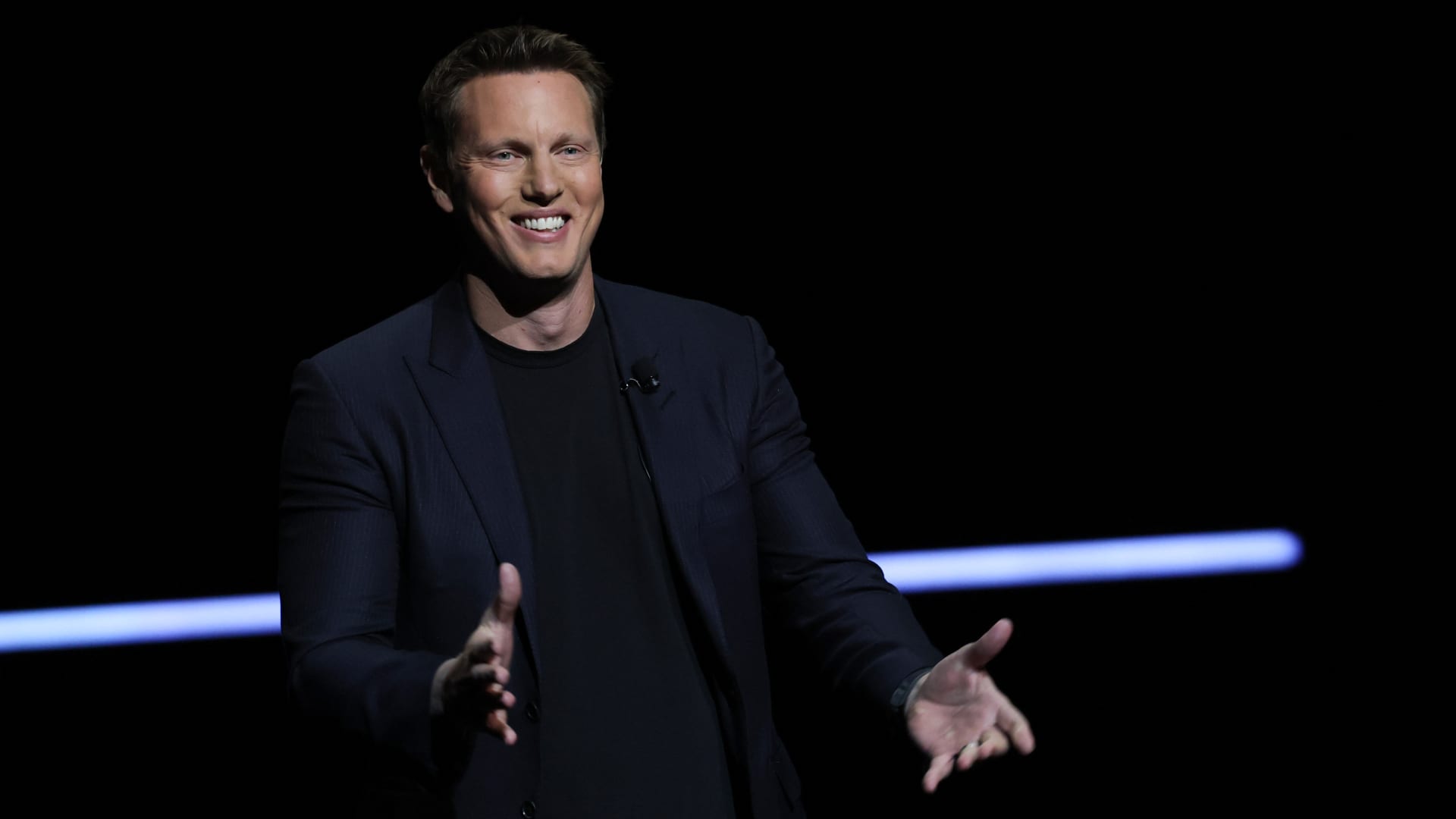
Federal approval marks a key step for the deal, though state-level legal challenges remain a potential obstacle for the combined entity.
While acknowledging that immigration controls may occasionally be necessary, The Economist contends that a proposal to cap Switzerland's population at 10 million is ill-advised and counterproductive.
Early application of the agent in treating pancreatic tumours suggests it may have identified a core biological mechanism, though specific details remain undisclosed.
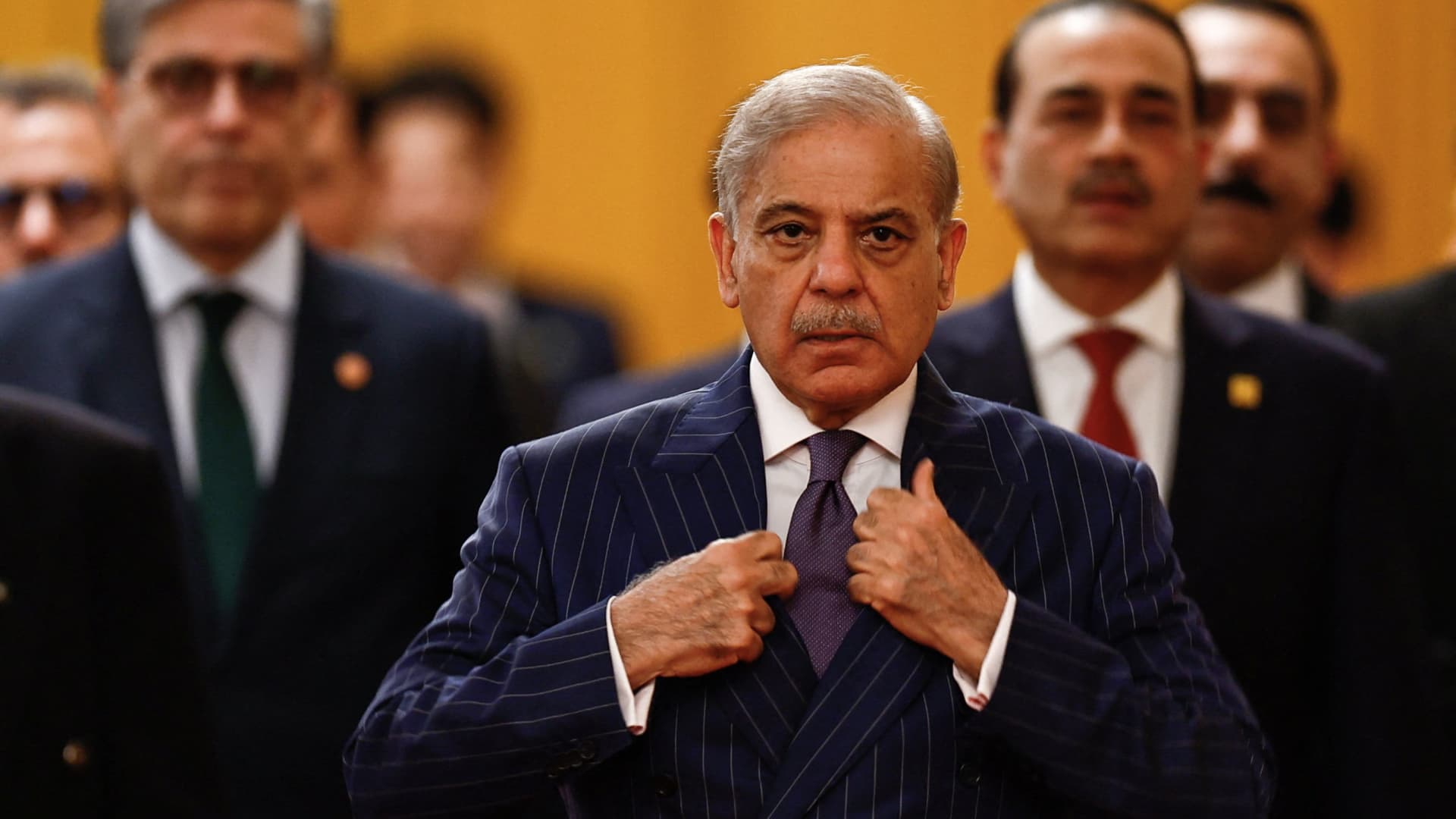
The Prime Minister of Pakistan stated that the United States and Iran have agreed upon a final text for an interim deal, while President Donald Trump asserted on Truth Social that public reporting does not reflect the written terms.
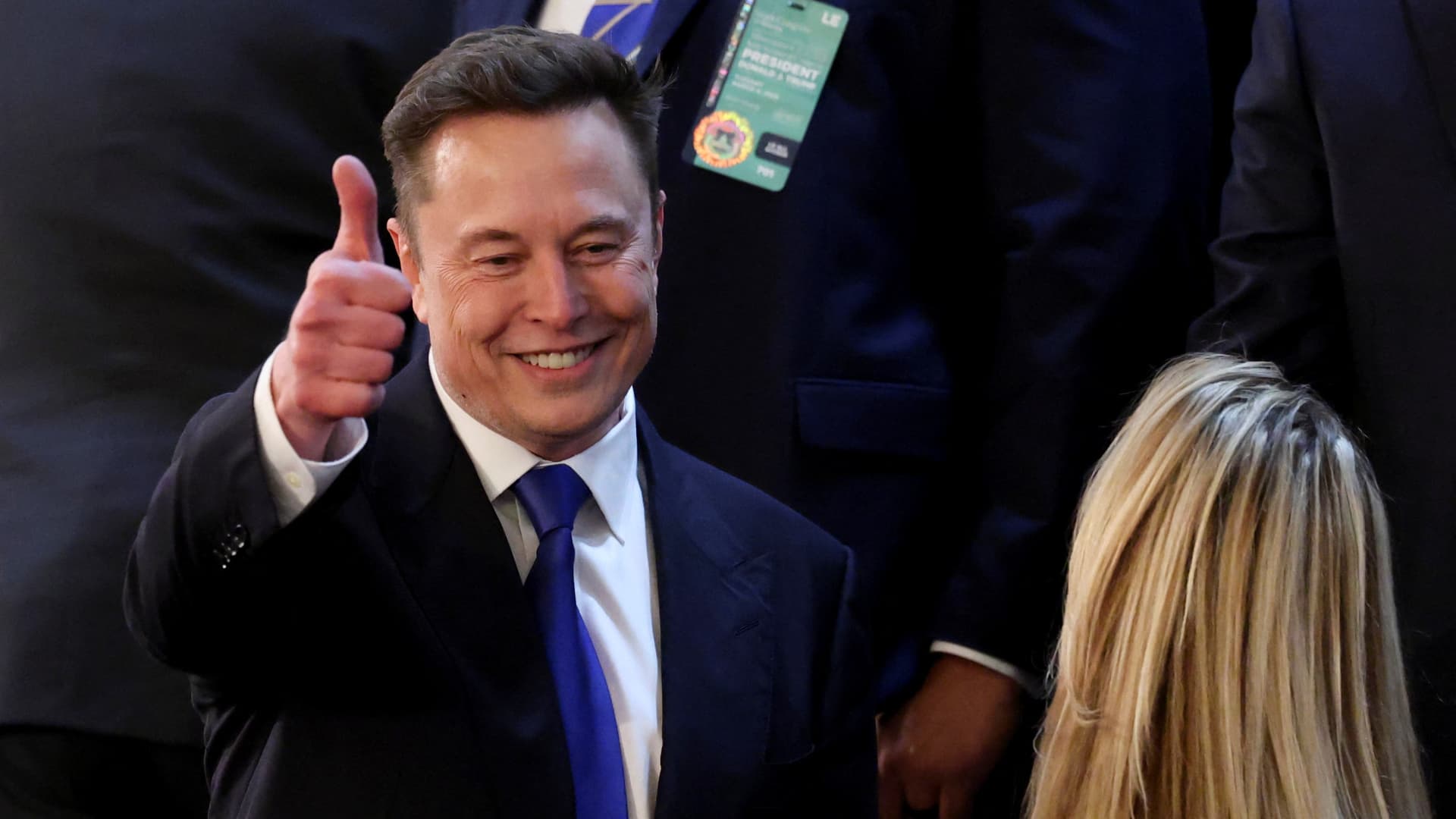
Elon Musk’s net worth surpasses $1 trillion as SpaceX shares open 6.6 per cent above offer price, while geopolitical developments ease oil market pressures.
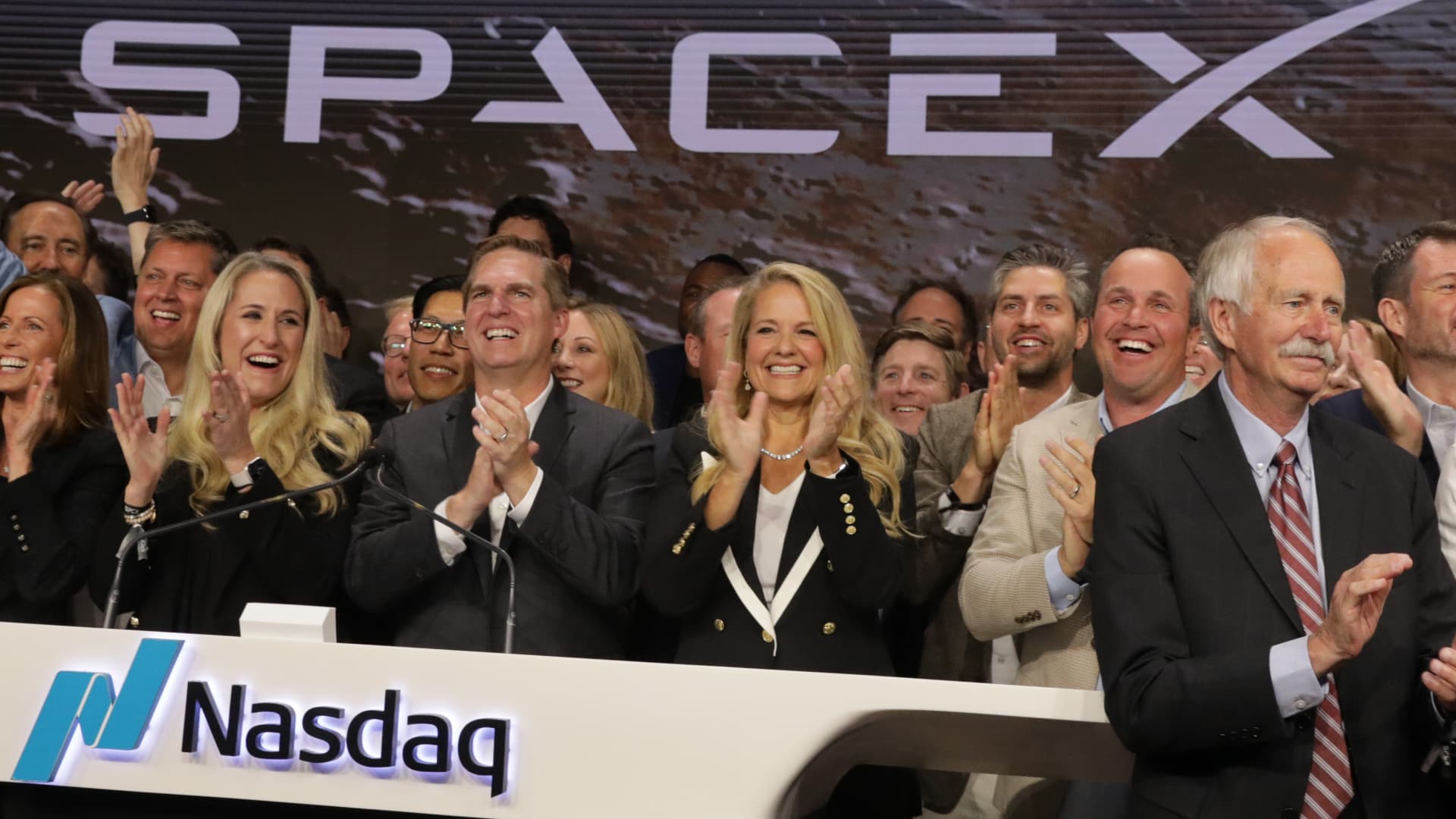
The rocket company’s listing on Friday marks the largest IPO in history, with shares opening at $150 before climbing further to push the enterprise valuation past the two-trillion-dollar mark.
Publicist Erica Bolton confirms the death of the seven-decade career artist, who is survived by his partner and family.
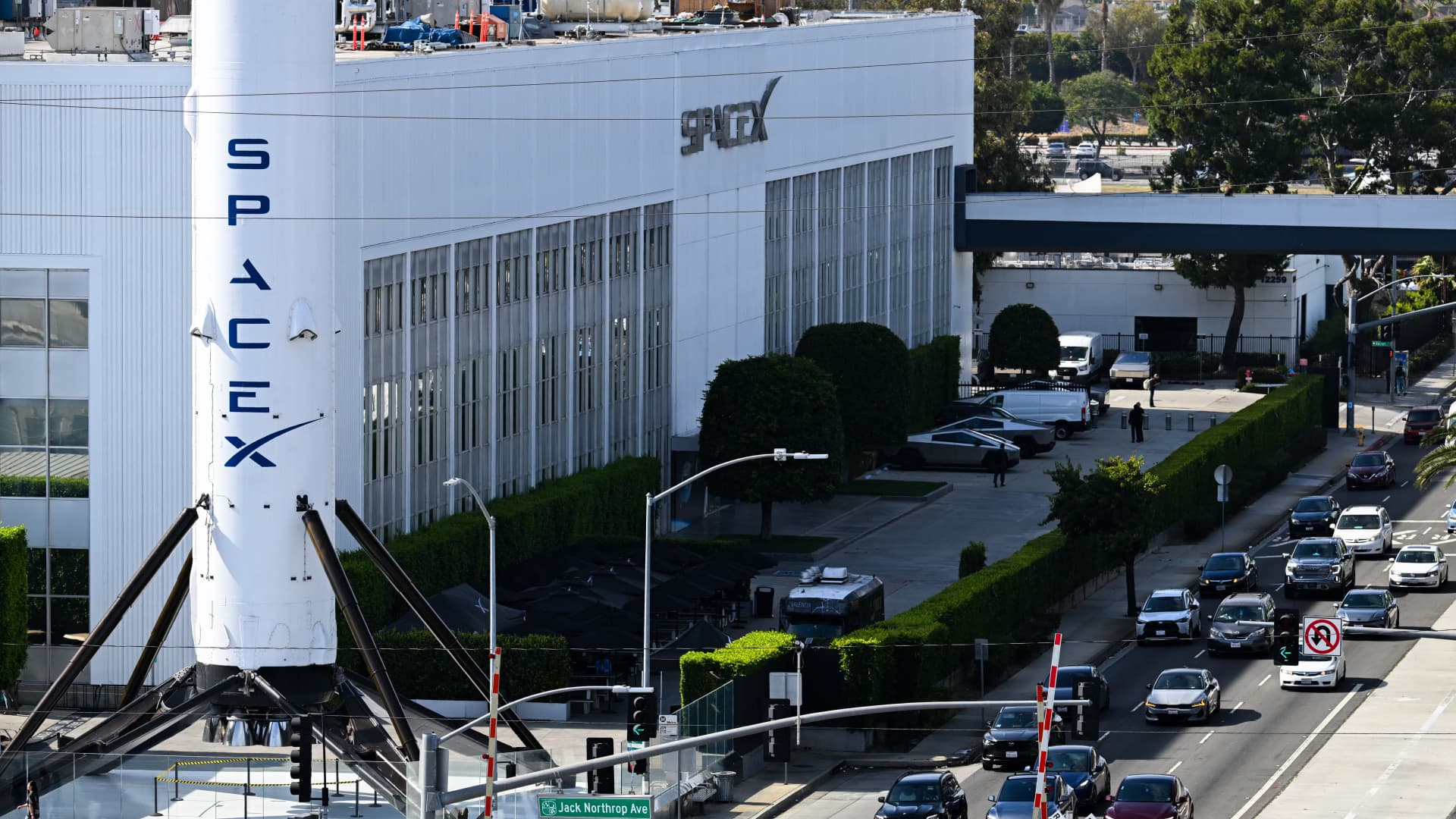
Bloomberg reports orders far exceed the $22.5 billion set aside for individuals, while institutional interest remains strong.
The Economist’s 12 June 2026 political update coincides with broader financial activity, including space equities surging for indirect SpaceX exposure and volatility in insurance stocks following succession announcements.
The Economist’s 12 June 2026 episode outlines the political difficulties confronting South Korea’s leader, alongside coverage of India and a remembrance of Marjane Satrapi.
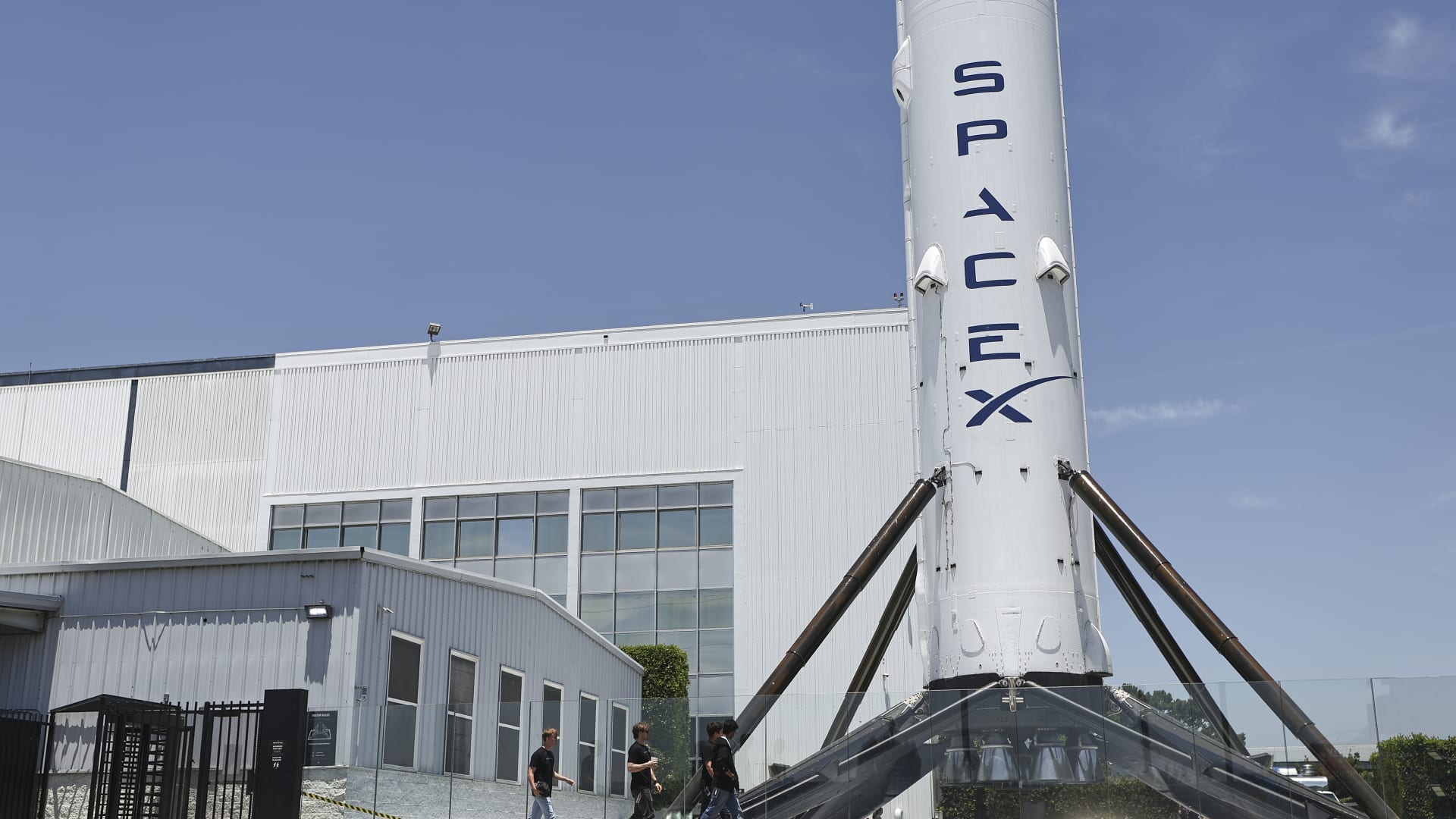
Investors are scrambling for indirect exposure to the privately held aerospace firm, driving sharp rises in space-related equities and booming options activity ahead of Friday’s anticipated listing.
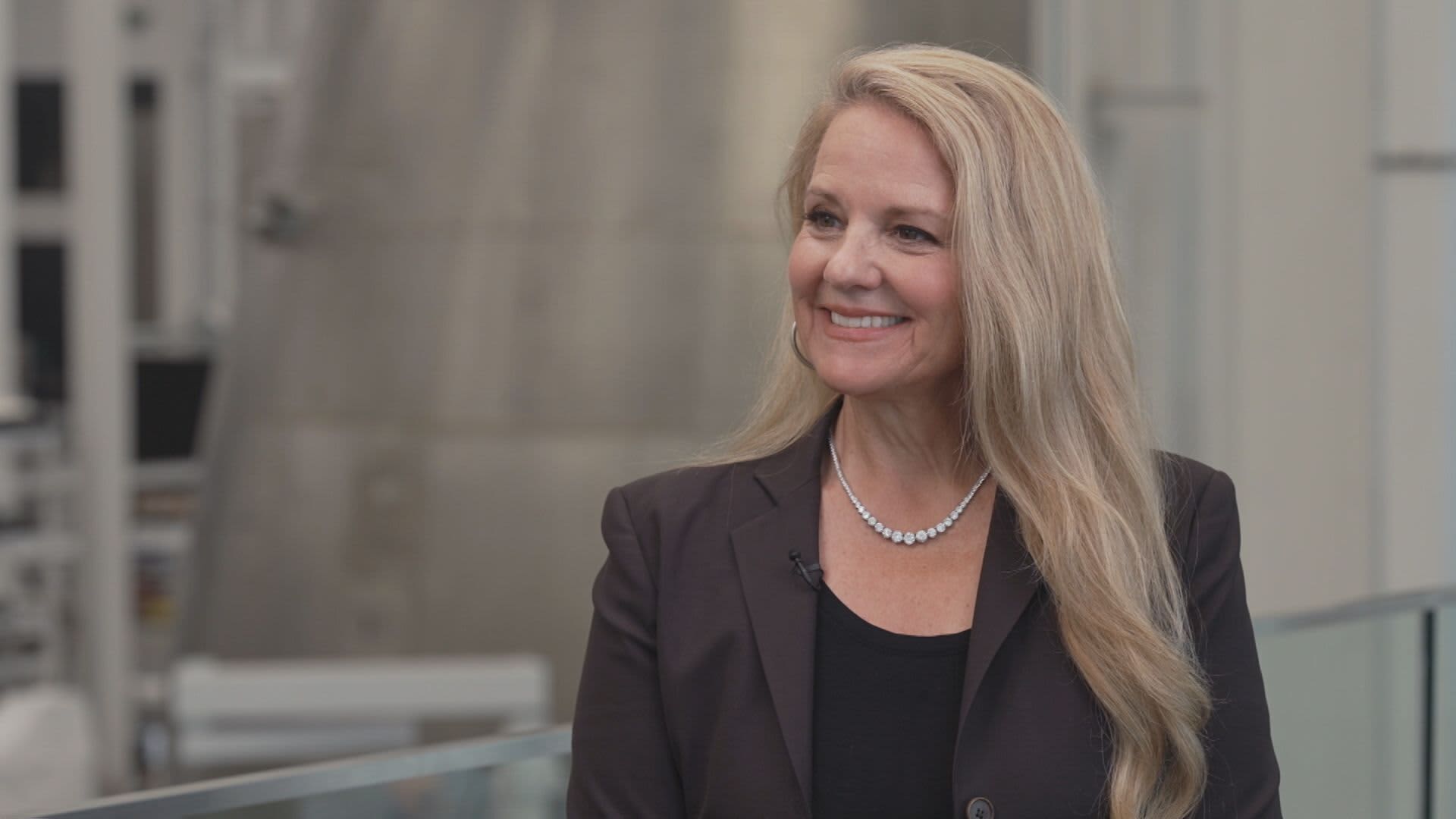
As the space exploration firm prepares for its initial public offering, analysts warn that valuation may be overly optimistic given reliance on Starlink profits and significant losses in the xAI division.
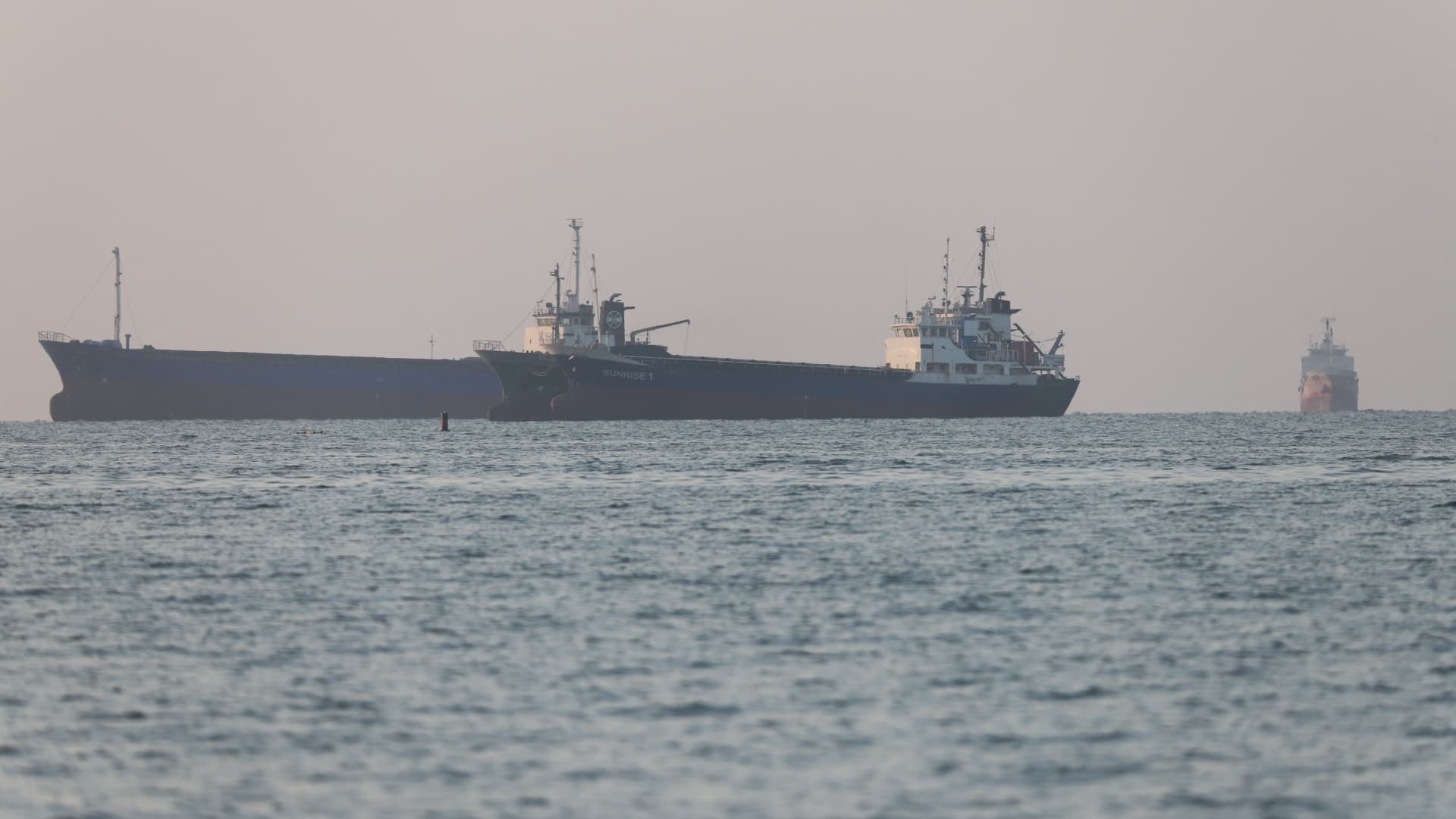
Proposed agreement would lift oil sanctions and restore navigation through critical waterway, according to Iran state media reports of Trump’s comments.
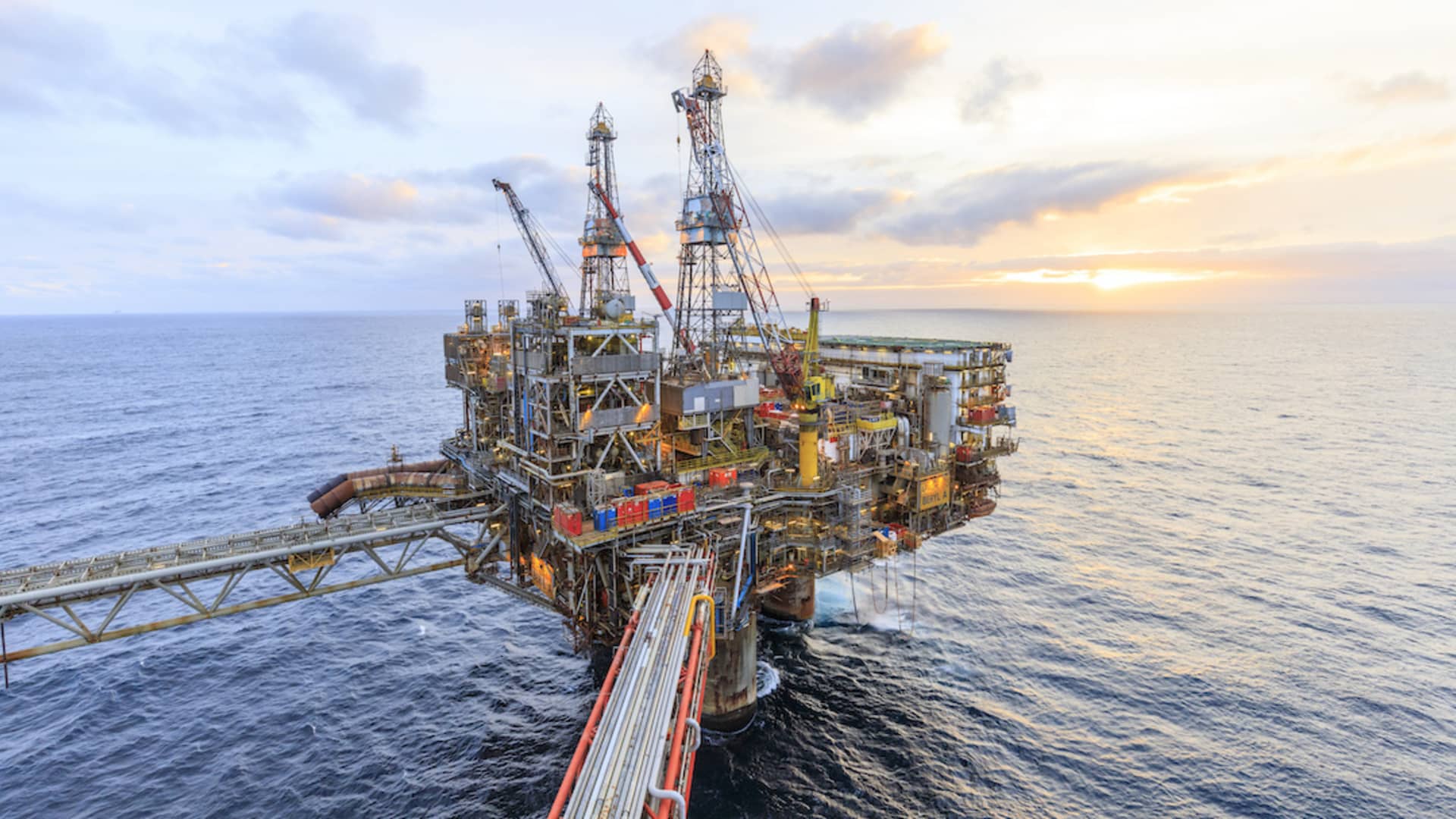
The US president’s announcement marks a sharp reversal from earlier threats to target Iranian oil infrastructure, triggering a broad equity rally including a 1.8 per cent jump in the S&P 500.
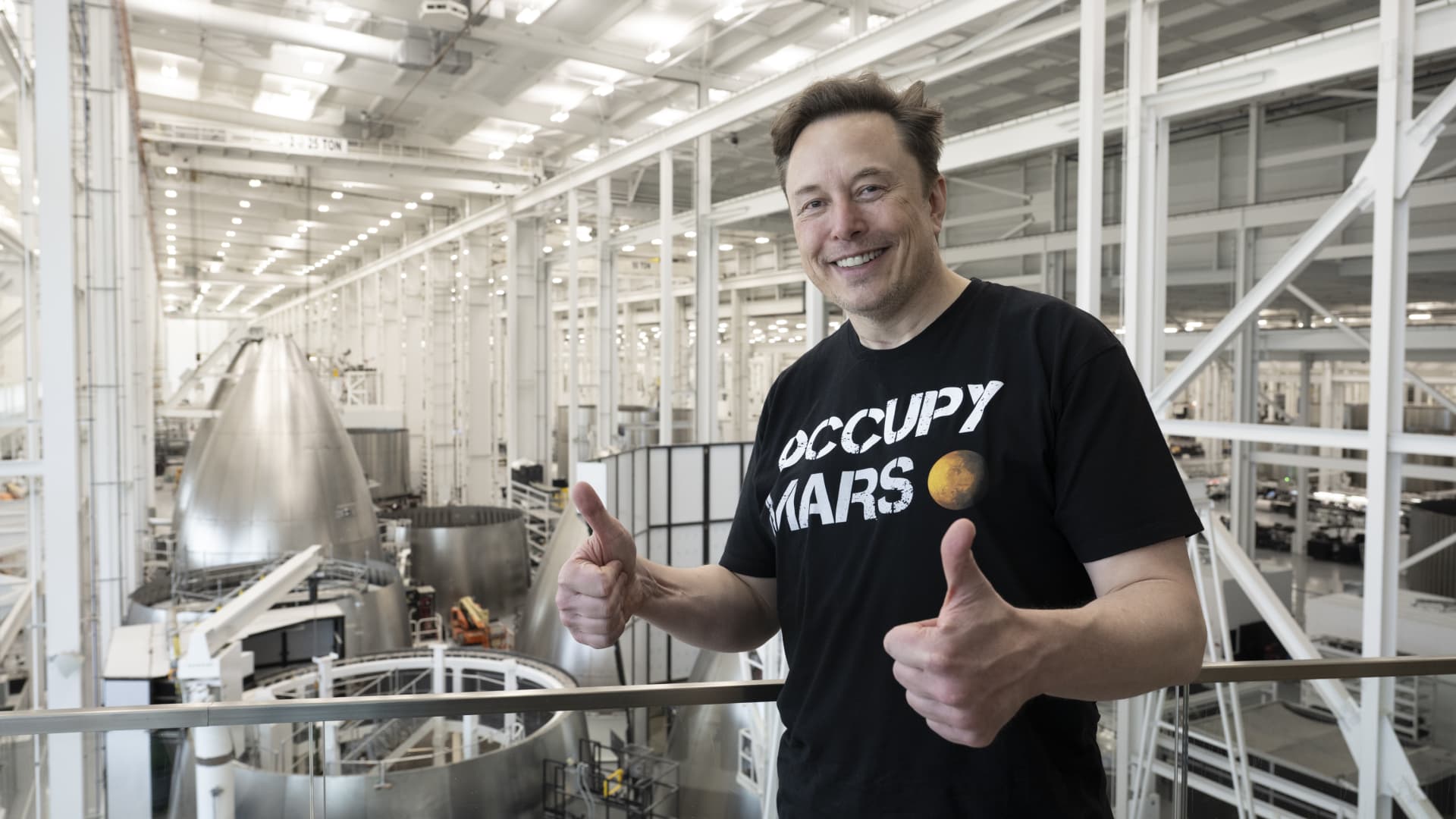
The company awaits its debut on the Nasdaq, surpassing the previous record held by Saudi Aramco.
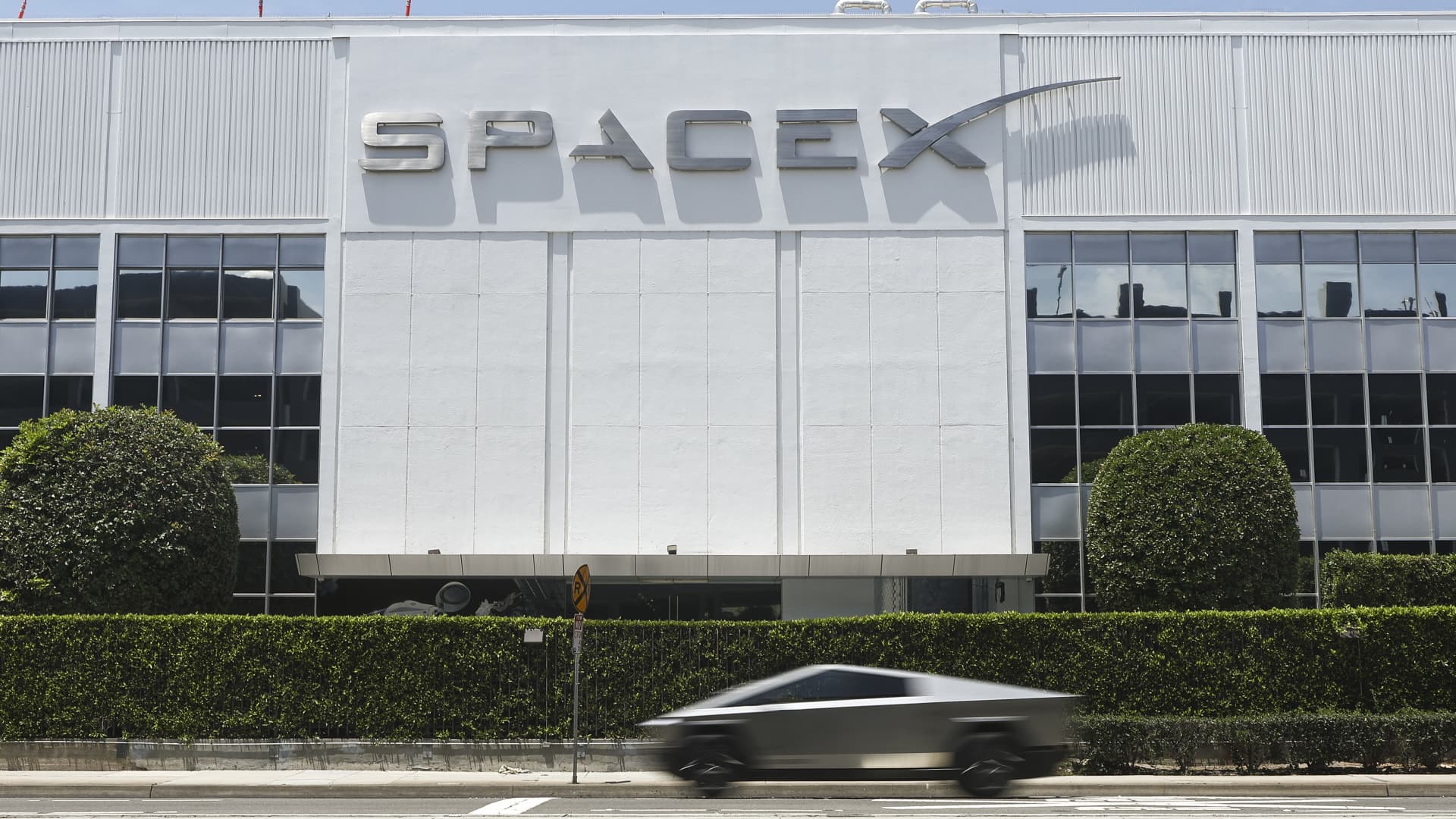
A person familiar with the matter says the Elon Musk-led company plans to direct a percentage in the low 20s of the offering to retail buyers, marking a significant shift in how the private giant intends to distribute shares to the general public.
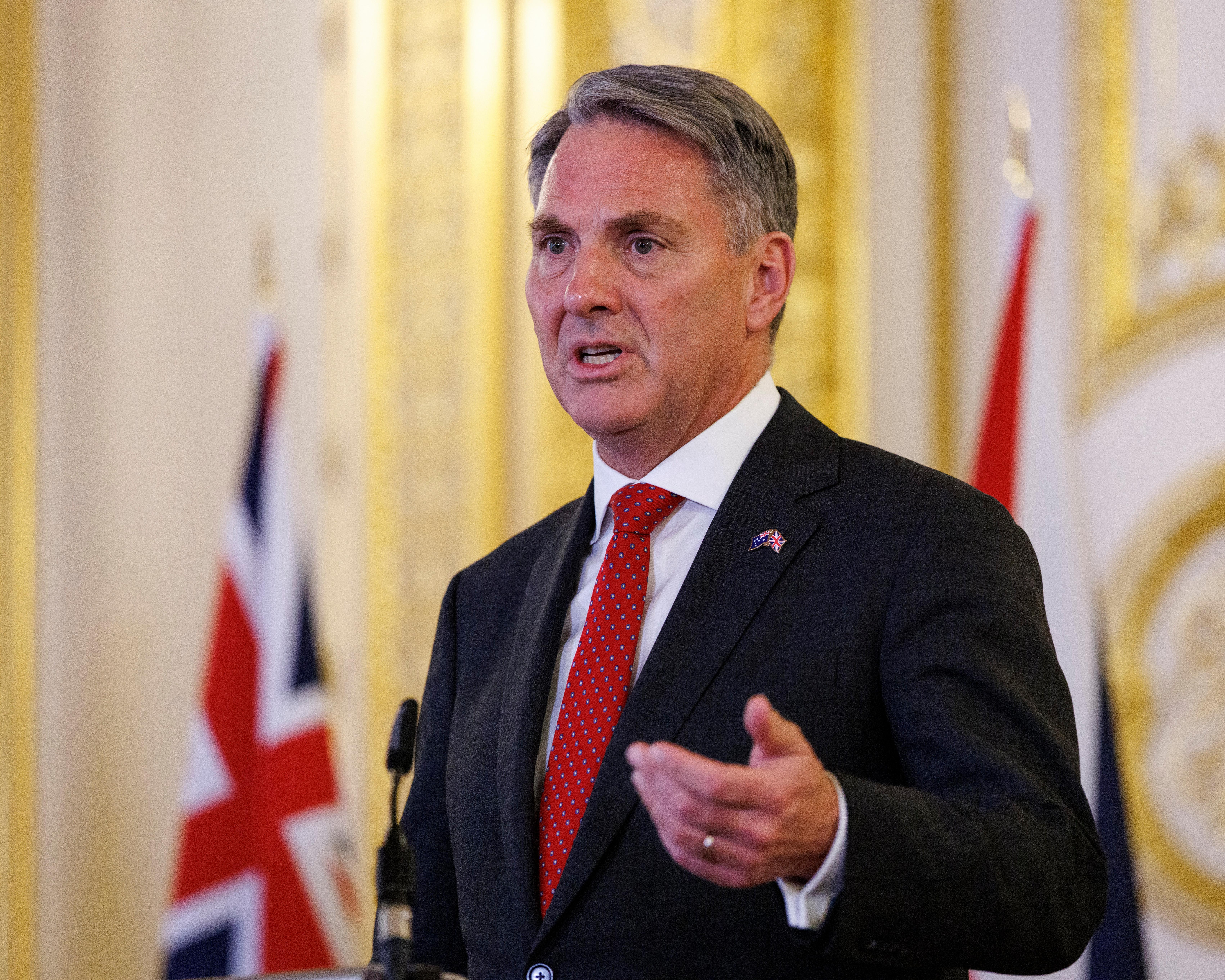
Disagreement over defence spending commitments forces cancellation of scheduled naval base tour, though Canberra reaffirms commitment to submarine partnership
The resignation follows Healey’s warning that current defence funding falls short of NATO targets and could compromise national security.
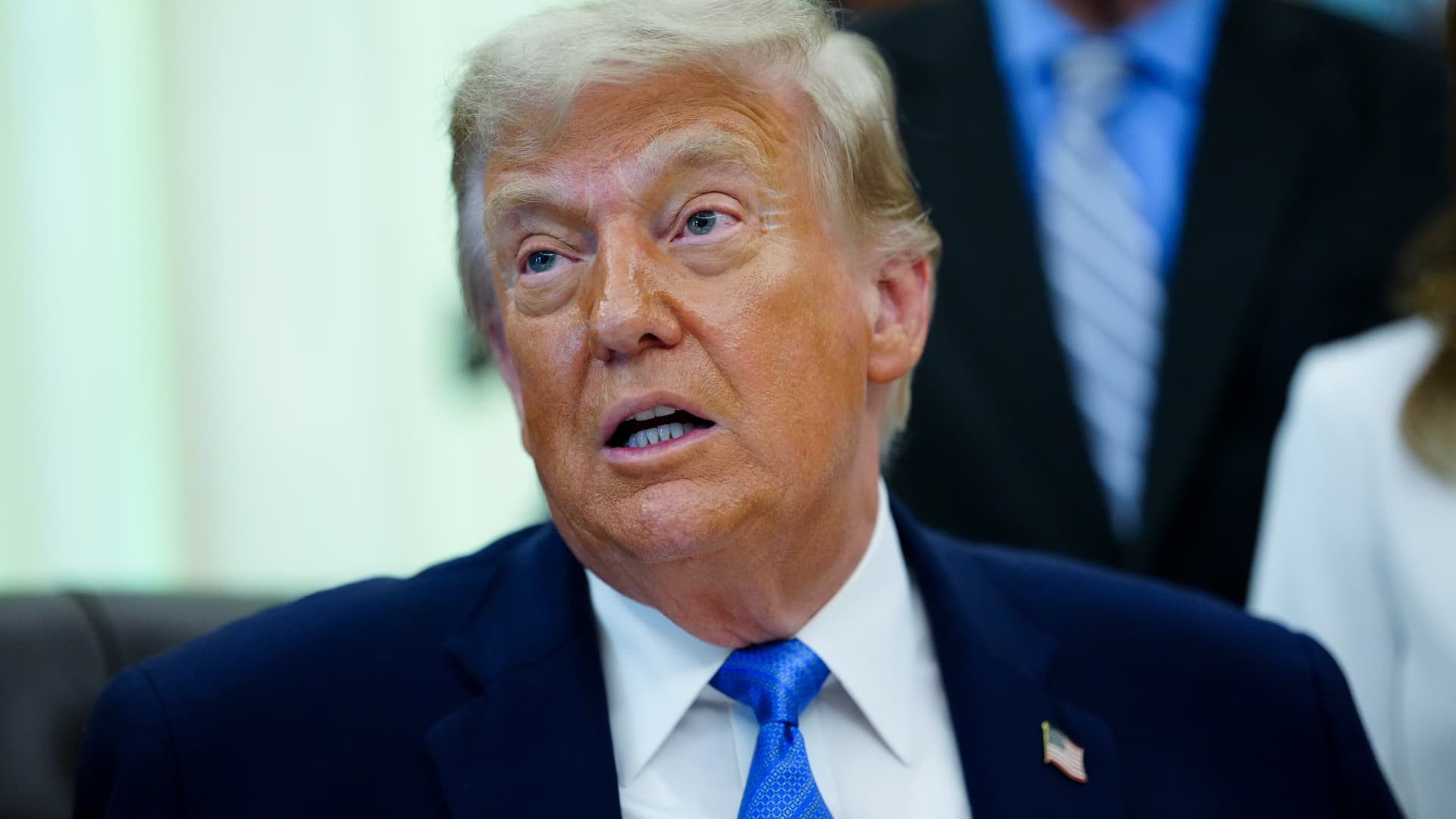
The decision to halt operations comes hours after President Donald Trump warned of severe retaliation, marking a sharp de-escalation in tensions triggered by the downing of a US Army helicopter over the Strait of Hormuz.

House Democrats’ objection to Bill Pulte’s nomination as acting director triggered the expiration of key surveillance authority on Friday, prompting the White House to name the former regulator to the role.
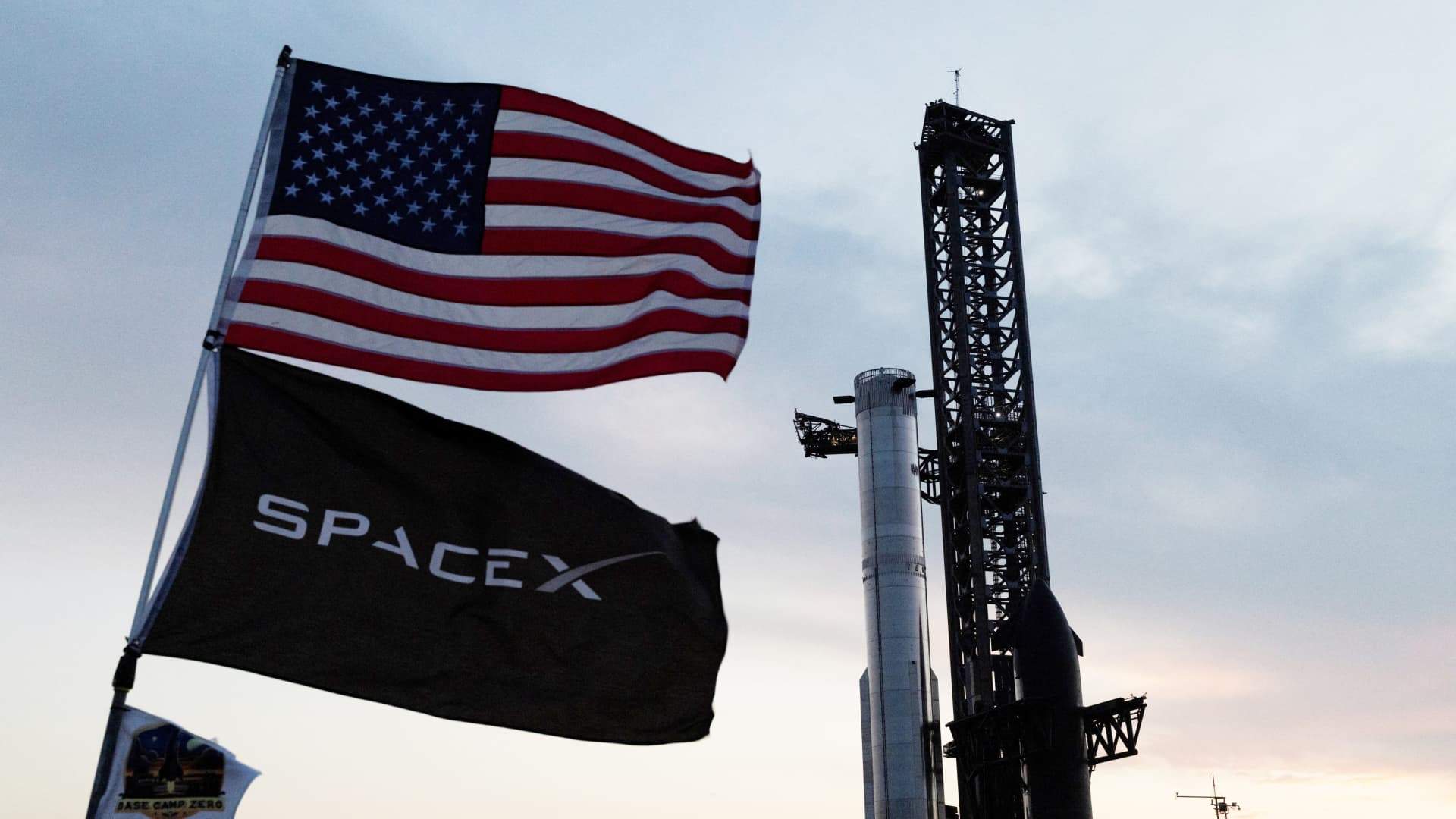
The aerospace firm’s seeking valuation marks a pivotal moment for venture capital returns, though final market capitalisation remains subject to future trading conditions.
New analysis from The Economist raises concerns over whether reforms are needed to preserve the US Treasury market’s status, though specific remedial measures remain undefined in the current coverage.
Tehran’s announcement follows a series of missile exchanges and disputes over the Strait of Hormuz, though independent verification of operational intent remains unavailable.
The Economist’s latest audio release examines whether the American political system still serves as the global model for democratic governance, revisiting the perspective held during Alexis de Tocqueville’s era.
The US intends to take control of Iran’s key oil export hub and broader markets, citing a strategic approach mirroring past actions in Caracas.

Data reported by CNBC on 11 June 2026 reveals the US producer price index climbed 1.1 per cent in May, surpassing the 0.7 per cent increase anticipated by economists.
As the 2026 FIFA World Cup begins, The Economist has released a collection of letters from readers offering suggestions on how to make the tournament more exciting, while the event itself features enhanced sensor technology and early group stage predictions.
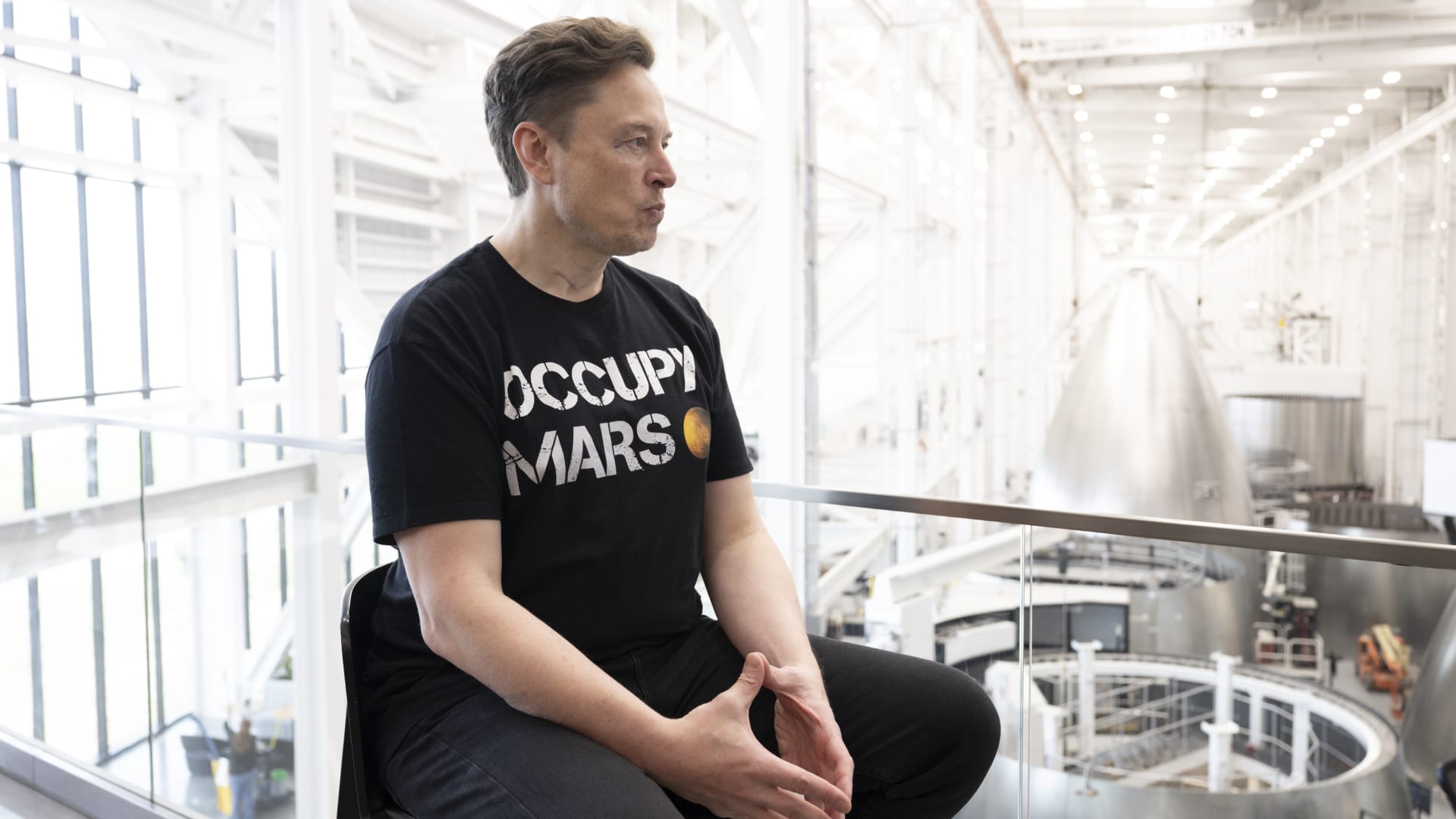
Market watchers describe the aerospace firm’s public debut as a defining moment for broader sentiment and a critical assessment of Elon Musk’s management style.
While the publication’s headline references inflation, broader market data from Q1 2026 shows mixed performance across energy and insurance sectors, with Antero Resources posting record production and AIG facing leadership scrutiny.
Jon Fasman’s latest piece in The Economist explores how pressure from activists compelled the United States to confront the AIDS epidemic.
While the tournament expands to 48 teams, broader trends indicate a fragmentation of shared global moments, coinciding with rising geopolitical tensions and market volatility.

BBRC International seeks removal of chair Donna James, citing governance failures, while Victoria’s Secret defends its strategic pivot and share price surge.

Oracle’s stock price declined following the announcement of plans to raise an additional $20 billion, overshadowing better-than-expected earnings and revenue figures for the fiscal fourth quarter.

The federal government has pledged an additional $100 million over a decade to target prevention, diagnosis, and treatment for the condition affecting seven million Australians, while regulators move to curb illegal peptide sales.
The Economist reports that the restoration of an historic pipeline corridor is providing economic relief to Damascus, framing the outcome as an unexpected development in the region.
A new analysis published by The Economist suggests that while national economic strength contributes to tournament outcomes, a country’s openness to immigration is the most significant factor in determining World Cup success.
Financial markets are pricing in the expectation of a diplomatic resolution driven by US President Donald Trump’s repeated assertions, even as hostilities persist and oil tankers increase dark transits.
A recent report from The Economist highlights a significant shift in the global entertainment landscape, where a surge in local content is driving audience fragmentation and altering traditional dynamics of international influence.
New episode considers viability of devices for health monitoring, though timeline for consumer availability remains unclear.
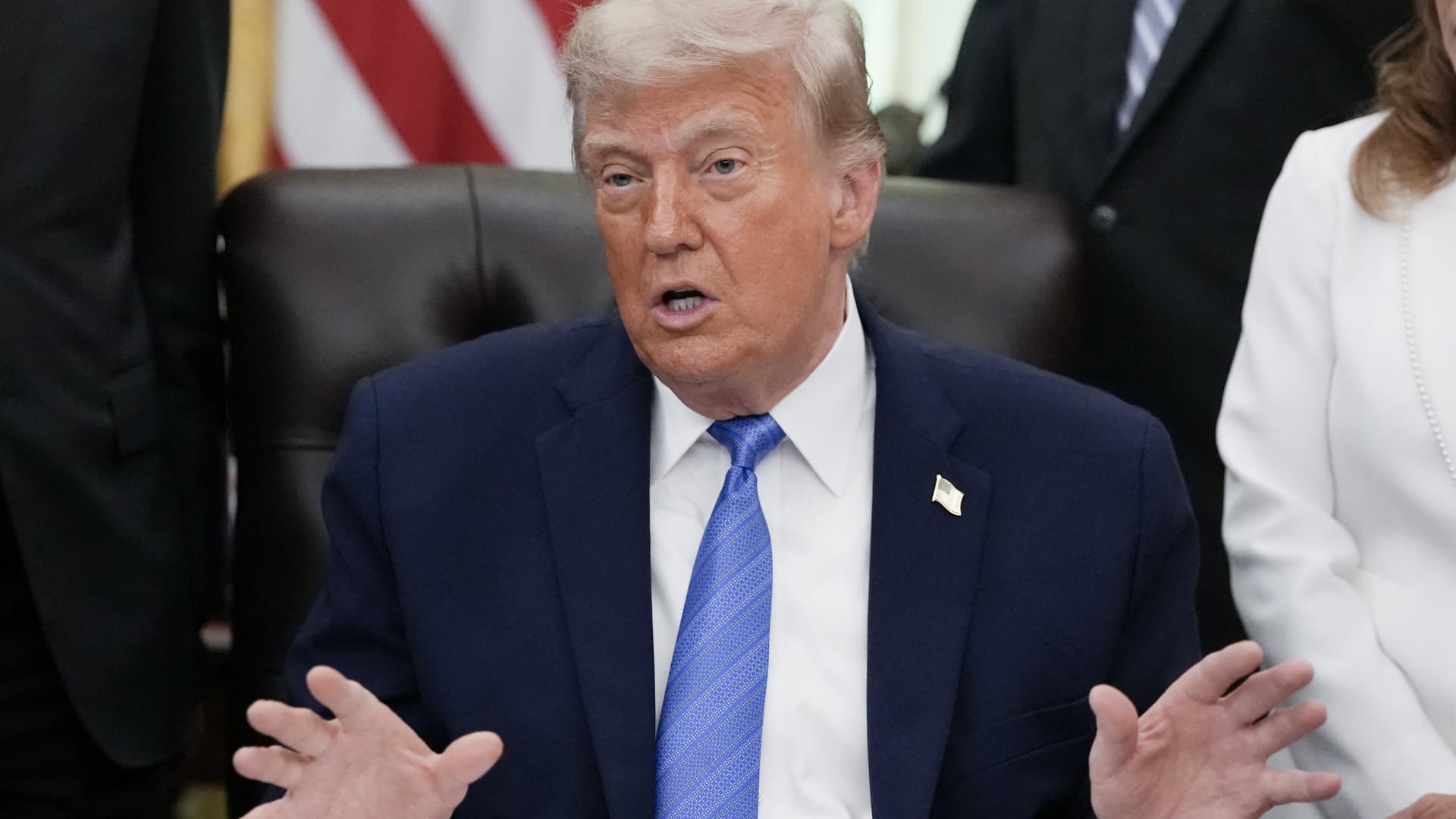
Escalation in the Strait of Hormuz follows the downing of a US Army AH-64 Apache, raising stakes in a region already grappling with significant humanitarian crisis and diplomatic uncertainty.
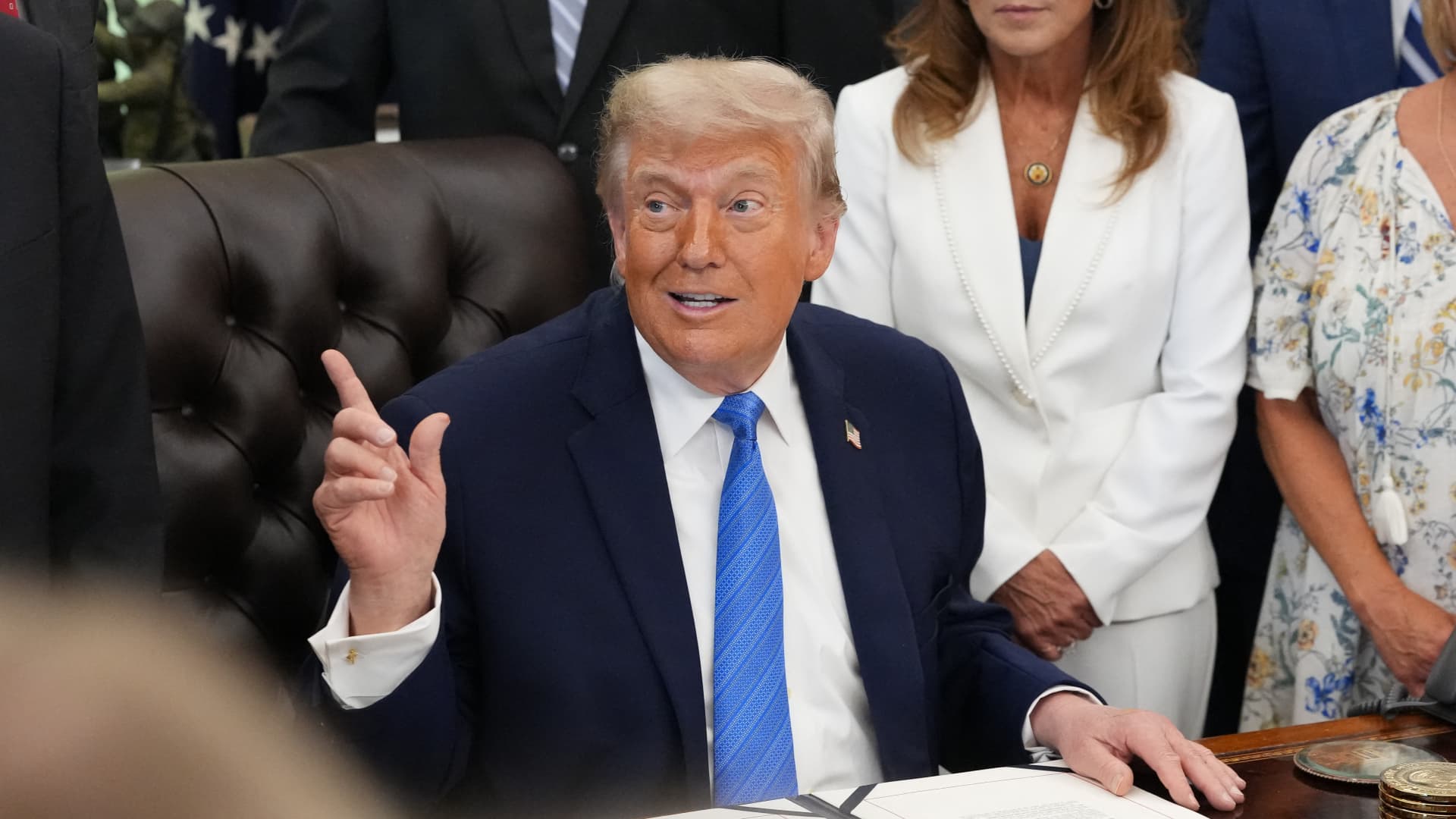
Comments come amid heightened geopolitical tensions after Iran shot down a US helicopter, while separate probe into Fed Chair Jerome Powell concludes
The political group Restore has called for the execution of individuals described as "murderous third-world savages," marking a significant escalation in the tone of British political debate.
In a response to The Economist, the Green Party leader challenges the assertion that the new left’s agenda is detrimental to economic growth, citing employment gains and security benefits.
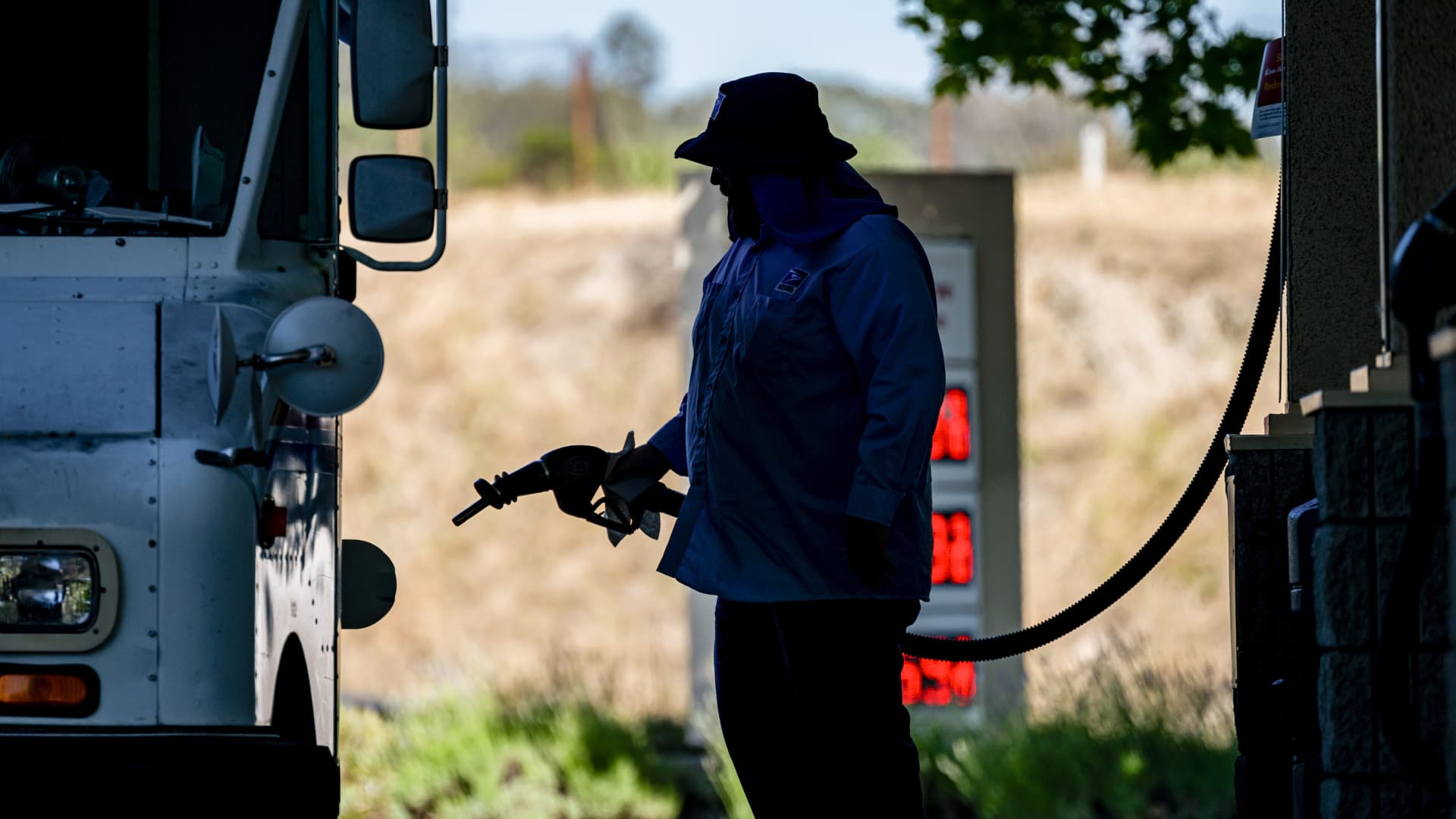
Escalating energy prices linked to the ongoing war in Iran have pushed US consumer inflation to its highest level in three years, complicating the economic outlook for the second quarter.
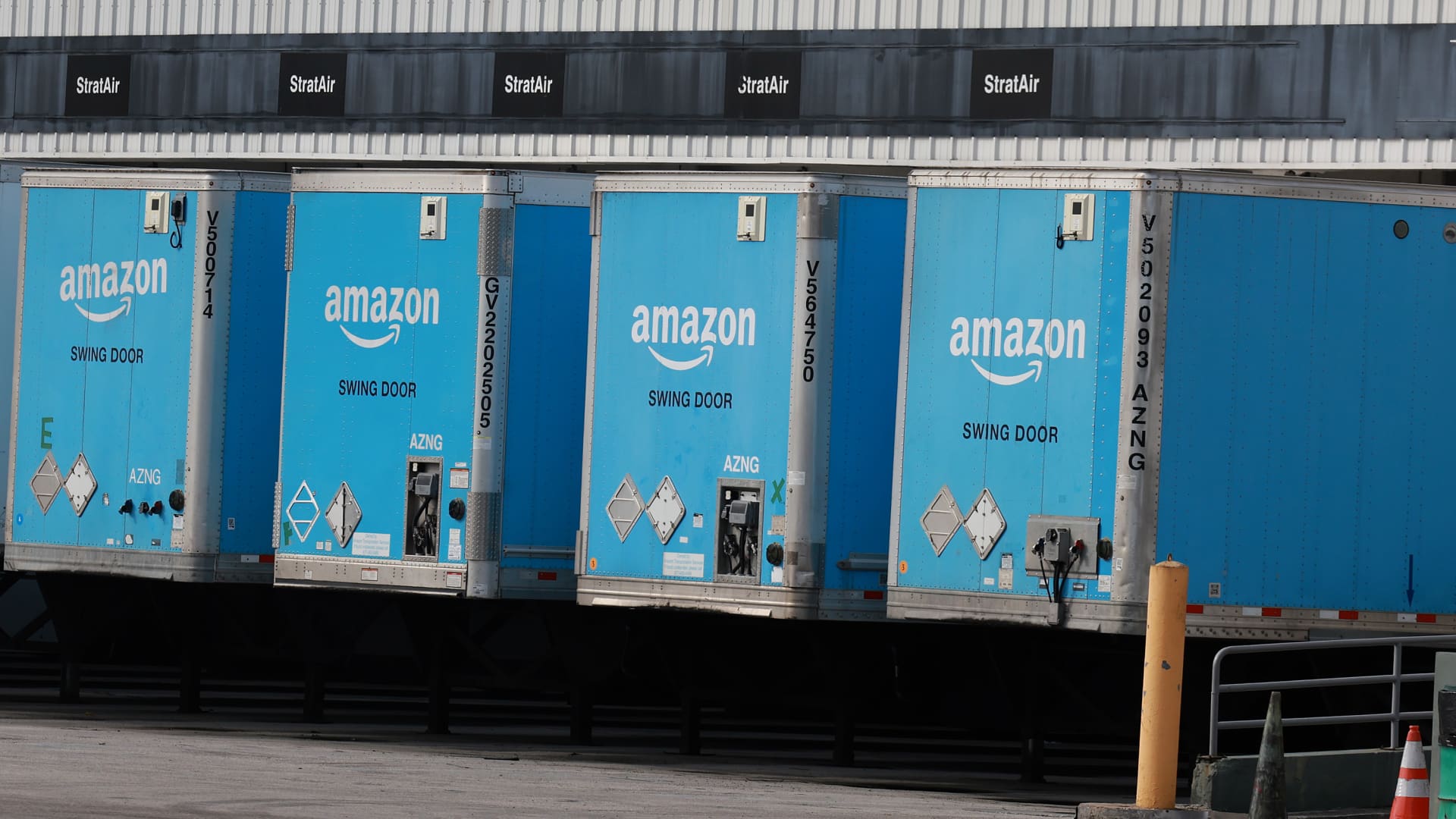
Market reaction reflects concerns over competitive pressure on traditional carriers as Amazon shifts strategy