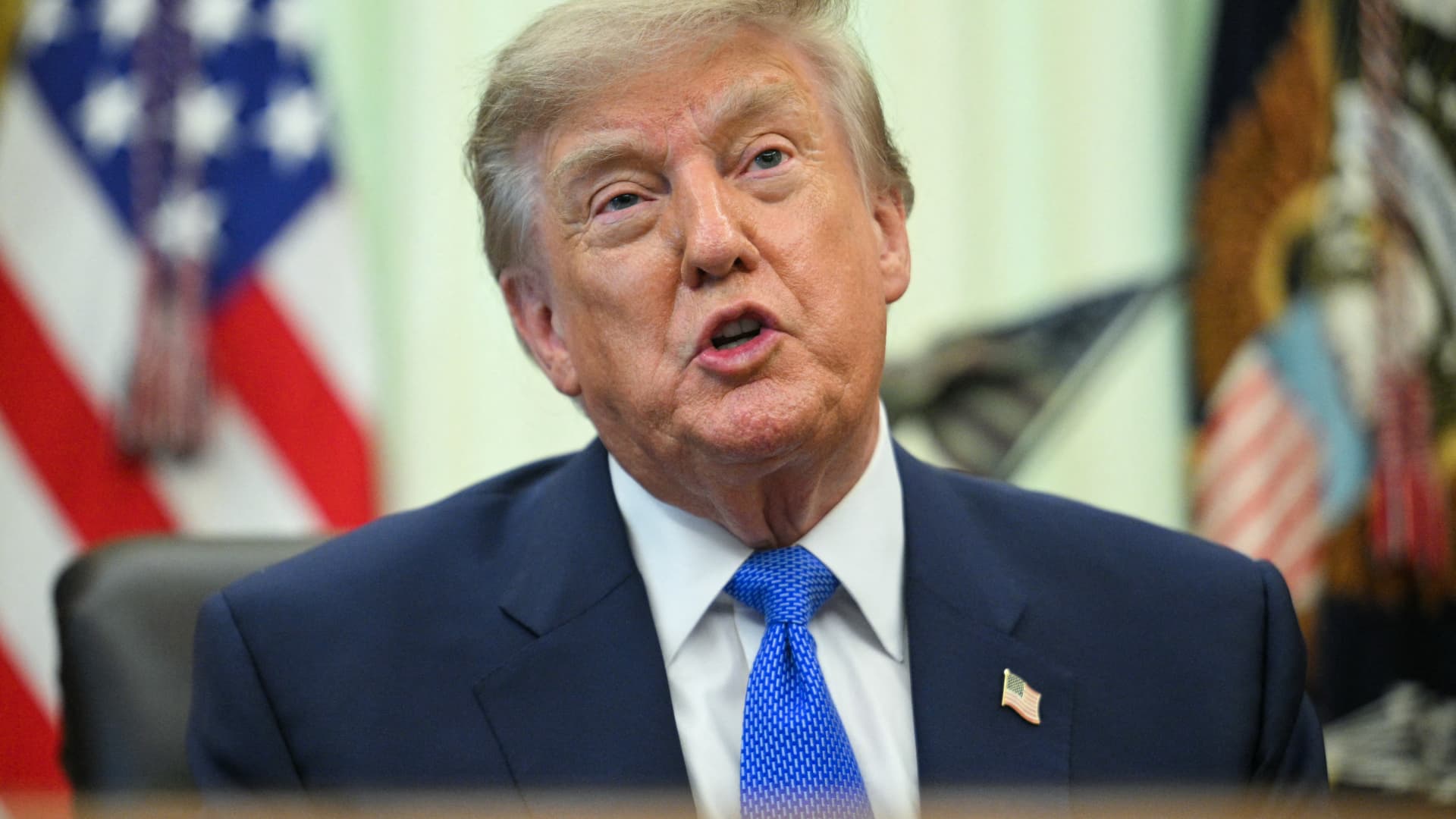
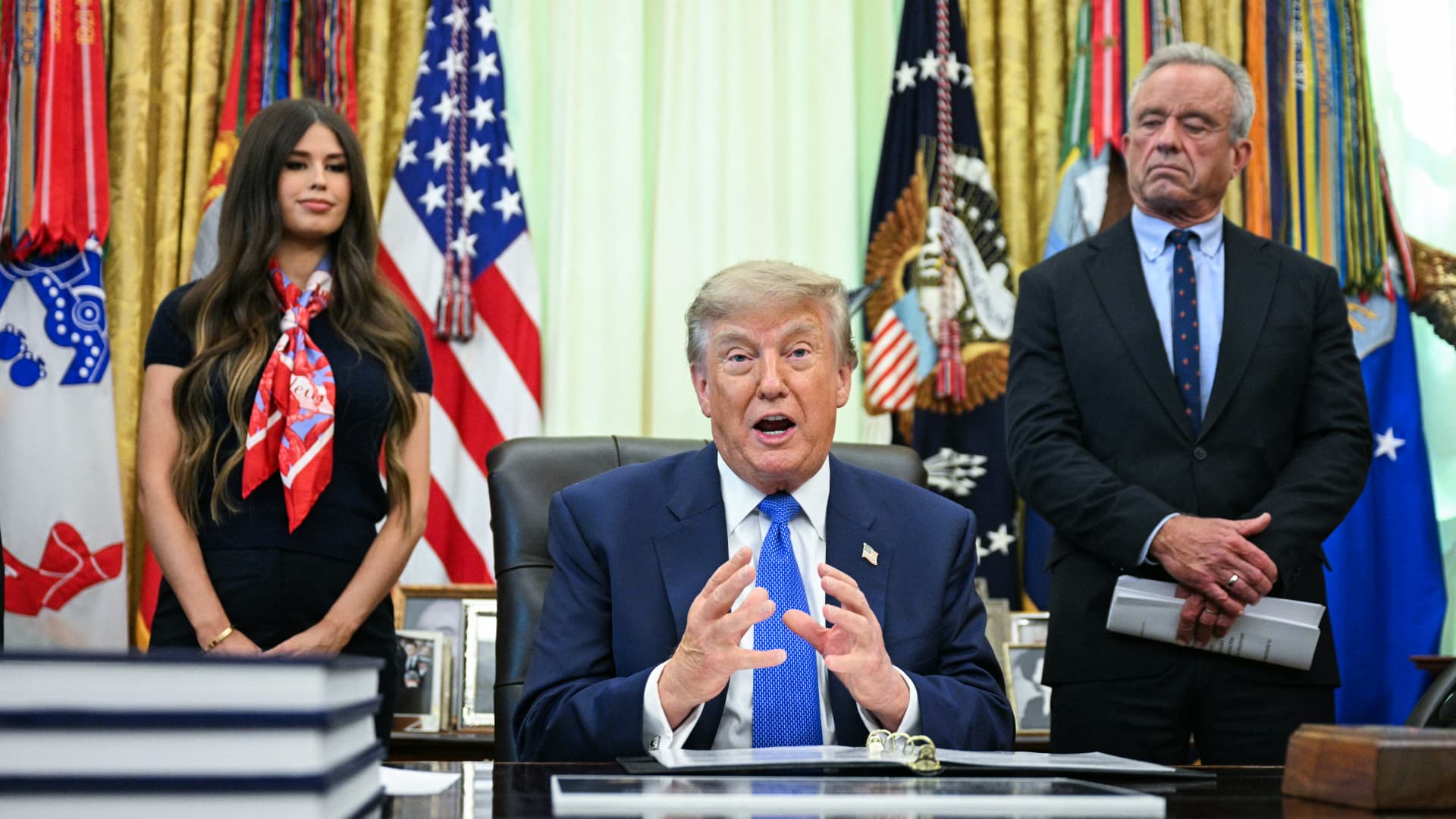
Trump vows intensified strikes on Iran as ceasefire talks stall
Escalation in the Strait of Hormuz follows the downing of a US Army AH-64 Apache, raising stakes in a region already grappling with significant humanitarian crisis and diplomatic uncertainty.
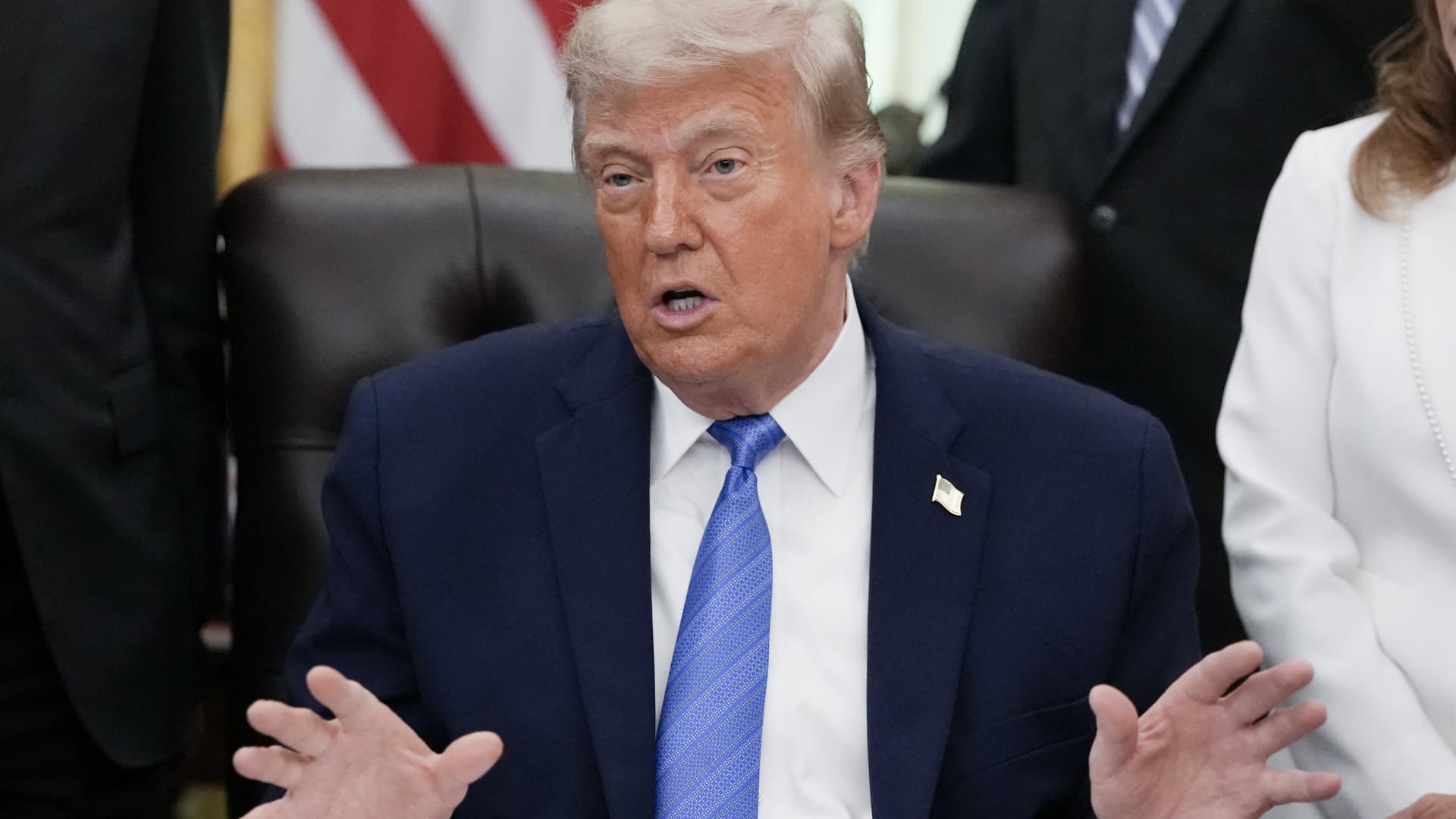
US President Donald Trump has pledged additional military strikes against Iran, stating that American forces will be "attacking them very hard." The announcement marks a sharp escalation in hostilities, occurring shortly after the resumption of US attacks earlier in the week and just days after the President indicated that a diplomatic resolution to the conflict was near.
The decision to intensify the campaign follows the downing of a US Army AH-64 Apache helicopter over the Strait of Hormuz on Monday night. On Tuesday, President Trump accused Iran of responsibility for the incident and vowed a necessary response. US forces subsequently began targeting sites inside Iran, a move that has now been followed by the President’s assurance that the military pressure will continue.
Speaking to Fox News on Wednesday, Trump stated he "may keep going" with the operations. He framed the continued strikes as leverage, telling the network that Tehran had "a chance to sign a deal and survive." This dual messaging—promising further violence while suggesting a diplomatic window remains open—contrasts with the immediate military escalation observed on the ground.
The military actions are unfolding against a backdrop of broader regional instability. The conflict intensified after an Israeli strike killed Iran’s supreme leader, prompting Hezbollah to launch rockets into Israel. In retaliation, Israeli forces have conducted strikes in Lebanon, resulting in at least 3,696 deaths in the country. The United Nations has deployed war crimes investigators as the death toll rises and violence spreads.
Humanitarian conditions in Lebanon have deteriorated significantly, with the UN estimating that almost one million people, representing a fifth of the population, remain displaced. Approximately 1.4 million people currently require humanitarian aid. Meanwhile, diplomatic efforts continue elsewhere, with President Trump having met with Chinese President Xi Jinping in Beijing earlier in the week to discuss trade, artificial intelligence, and security in the Strait of Hormuz.
Despite the President's claim that a deal to end the war was near, the specific terms and stability of any potential ceasefire remain unclear. Iranian leaders have reportedly demanded specific conditions for any agreement, while the exact parameters of the "more attacks" pledged by Trump have not been detailed. The downing of the helicopter has introduced a new variable into negotiations that were already fraught with uncertainty.
As military operations resume, the gap between diplomatic rhetoric and battlefield reality has widened. The US President’s assertion that a deal is imminent stands in stark contrast to the promise of further hard strikes, leaving investors and policymakers monitoring the situation for signs of de-escalation or further regional destabilisation.