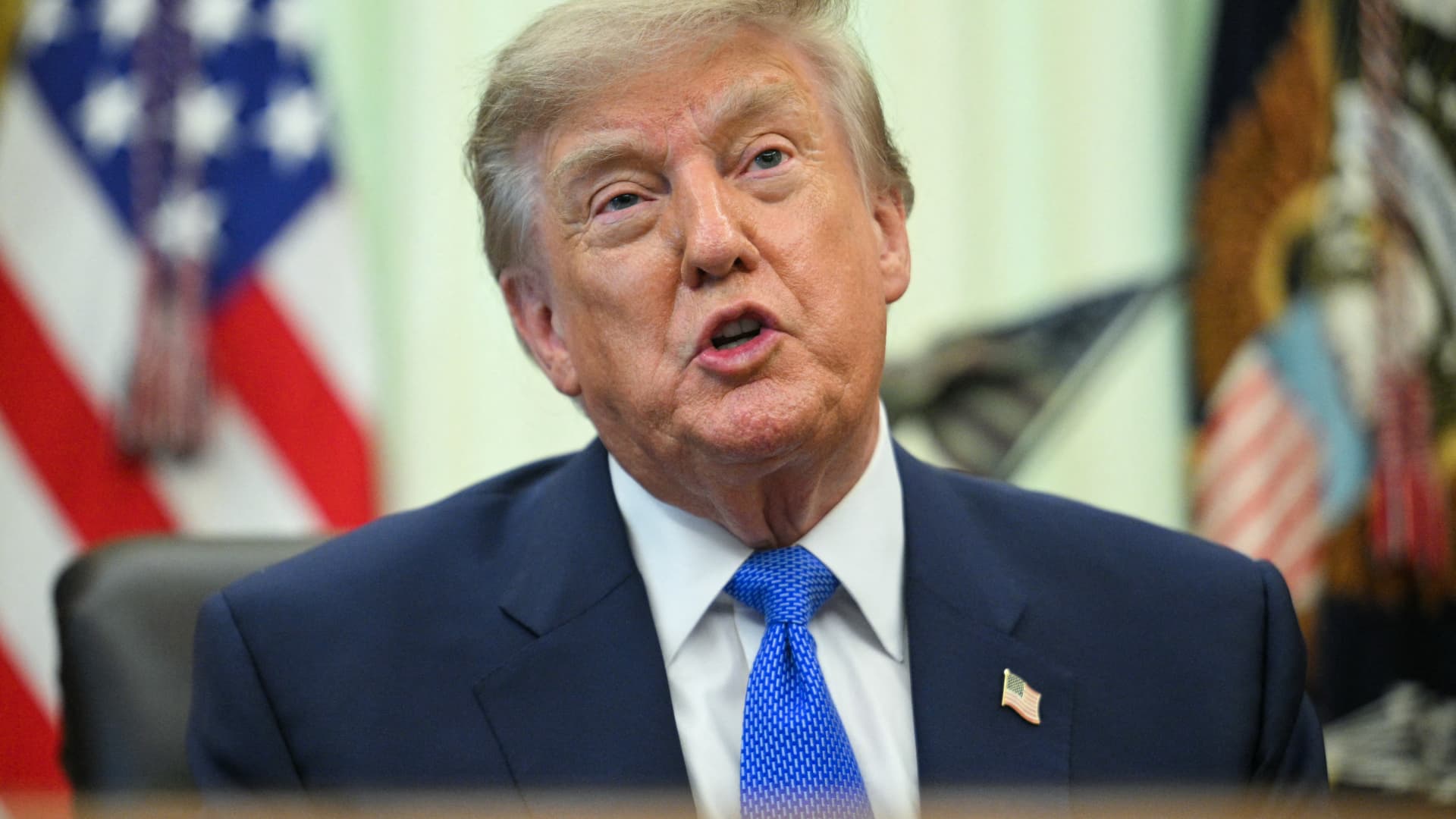
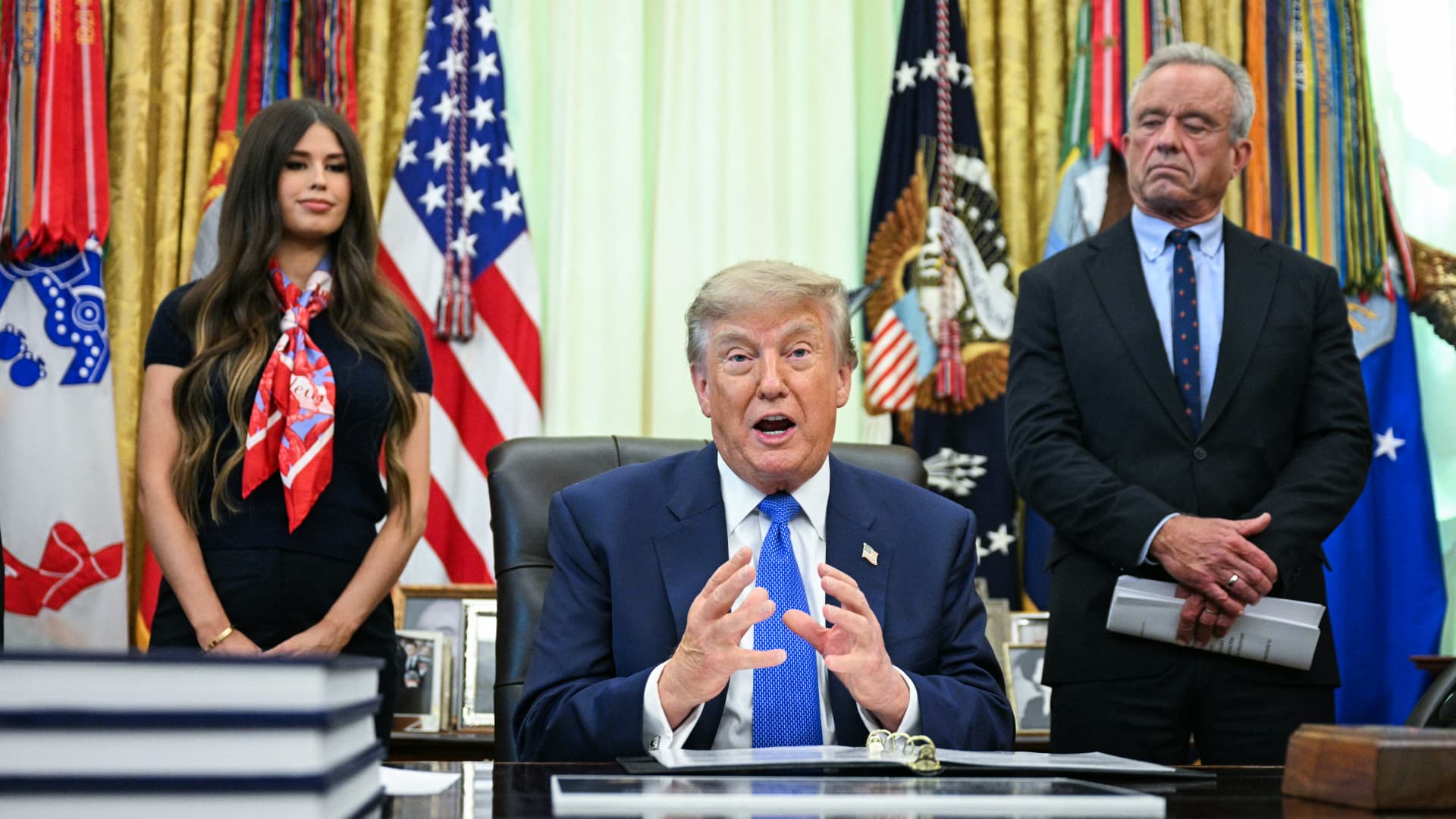
Trump cancels planned military strikes on Iran following ceasefire progress
The decision to halt operations comes hours after President Donald Trump warned of severe retaliation, marking a sharp de-escalation in tensions triggered by the downing of a US Army helicopter over the Strait of Hormuz.
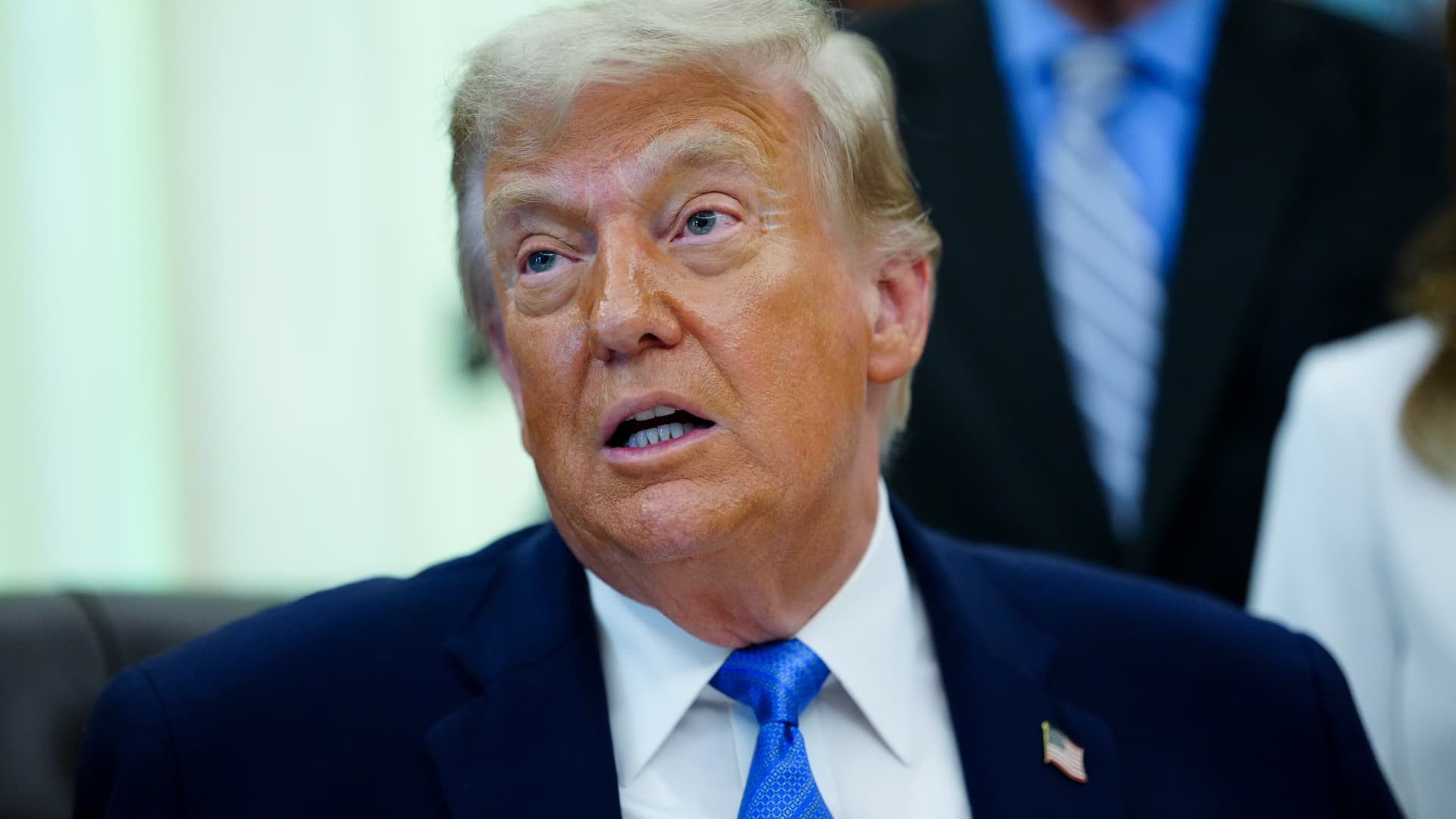
President Donald Trump has cancelled military strikes against Iran that were scheduled for Thursday evening, a move that signals a significant de-escalation in regional tensions. According to a report by CNBC, the reversal follows high-level discussions with Iranian leadership and progress in extending a fragile ceasefire.
The cancellation represents a stark pivot from earlier warnings issued by the US president. Hours before the decision, Trump had stated that the United States would attack Iran "VERY HARD TONIGHT" and subsequently take over Iran's oil infrastructure assets, specifically citing Kharg Island as a target.
The immediate trigger for the recent escalation was the downing of a US Army AH-64 Apache helicopter over the Strait of Hormuz on Monday night. President Trump accused Iran of carrying out the attack and vowed a necessary response, leading to heightened military posturing and threats of direct confrontation.
Kharg Island is a critical asset for Iran's oil infrastructure, making the threat to seize control of the facility a significant escalation in the conflict. The incident occurred against a backdrop of regional instability, with Iran previously threatening to target vessels in the Strait of Hormuz, a vital chokepoint for global energy supplies.
While the cancellation of strikes marks a pause in hostilities, the long-term stability of the ceasefire remains uncertain. The specific details of the diplomatic discussions and the exact terms of the agreement have not been fully elaborated, leaving markets and observers monitoring the situation closely for further developments.