US Inflation Hits Three-Year High as Iran Conflict Drives Energy Costs
Escalating energy prices linked to the ongoing war in Iran have pushed US consumer inflation to its highest level in three years, complicating the economic outlook for the second quarter.
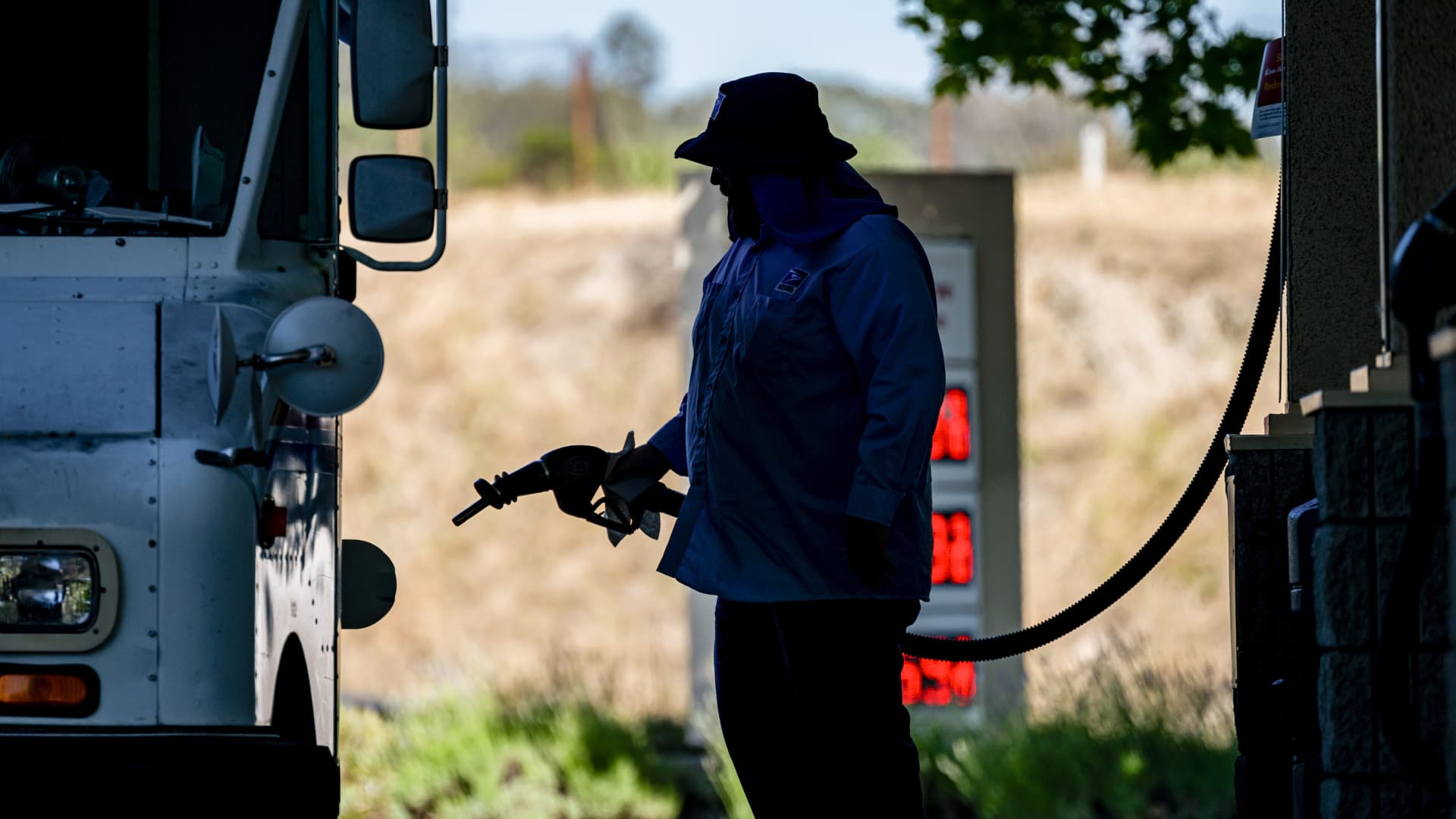
Inflation in the United States accelerated to a three-year high in May 2026, with the Consumer Price Index rising by 4.2 per cent year-on-year. This figure represents a 0.4 percentage point increase from the rate recorded in April, signalling a distinct shift in the economic trajectory for the second month of the year. The primary driver of this inflationary pressure is escalating energy prices resulting from the ongoing war in Iran.
Data reported by NHK News Japan on 10 June 2026 confirms the magnitude of the surge. The rise underscores the interconnected nature of global security and economic performance, as tensions in Iran continue to influence energy markets. The US economy is now facing the dual challenge of managing domestic inflation while navigating an increasingly unstable international security environment.
The geopolitical backdrop has intensified significantly this month. Iran recently shot down a US helicopter, prompting President Donald Trump to vow a response. These hostilities have disrupted energy supplies, directly feeding into the consumer price data and highlighting the tangible economic costs of the conflict.
Despite the broader macroeconomic challenge of rising consumer costs, the technology sector has shown resilience. Institutional investors have continued heavy buying of NVIDIA shares, driven by strong earnings reports from the semiconductor giant. This robust performance in tech contrasts with the wider inflationary pressures affecting the general economy.
The current economic climate exists alongside high-level diplomatic activity. A recent Beijing summit, attended by US business leaders including Elon Musk, Tim Cook, and Jensen Huang, featured discussions on trade, artificial intelligence, and Strait of Hormuz security. This was the first visit by an American president to China since 2017, reflecting the urgent need to address both economic and security interests in the region.
While the US grapples with these inflationary headwinds, Iran is simultaneously dealing with its own economic instability, with residents grappling with hyperinflation and military uncertainty. The divergence in economic conditions between the two nations adds further complexity to the regional outlook.
As energy prices remain volatile, market participants are closely monitoring how these geopolitical shocks will influence Federal Reserve policy and broader market sentiment in the coming months.