Zambia’s Hichilema secures second term amid economic pledges and rights concerns
The 64-year-old leader campaigned on debt restructuring and economic recovery, yet critics highlight persistent poverty and allegations of suppressing political dissent.
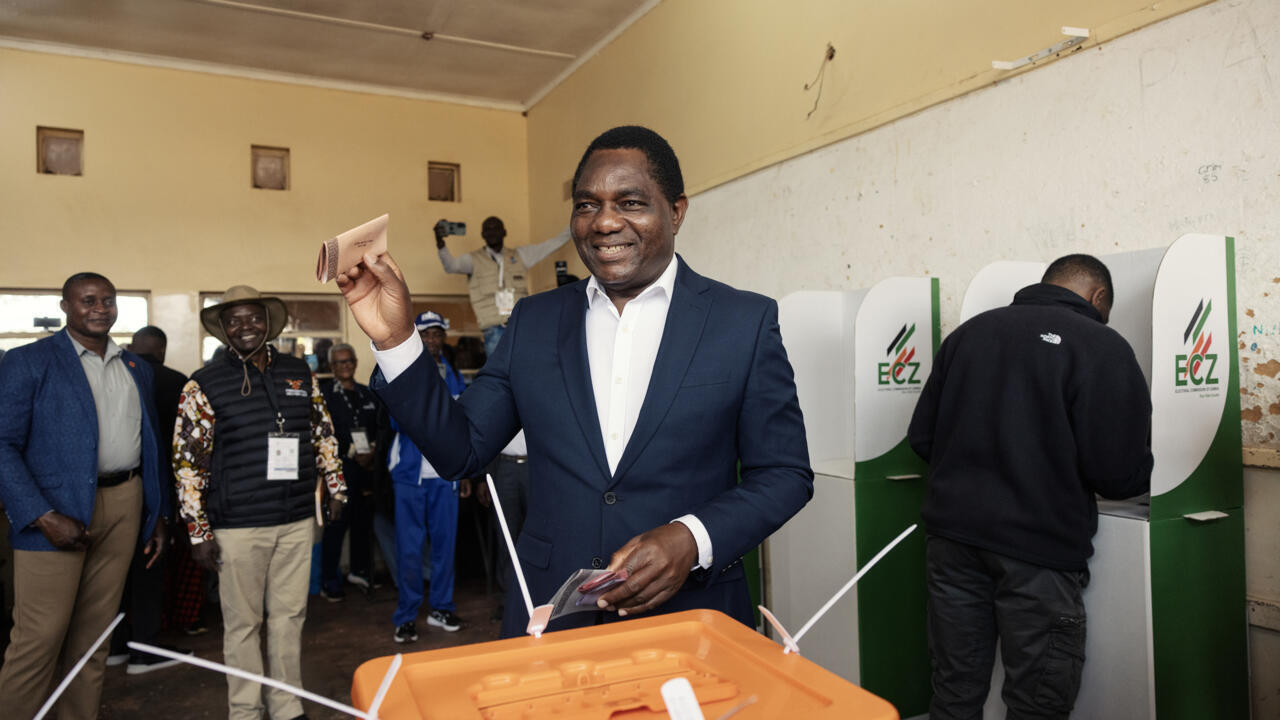
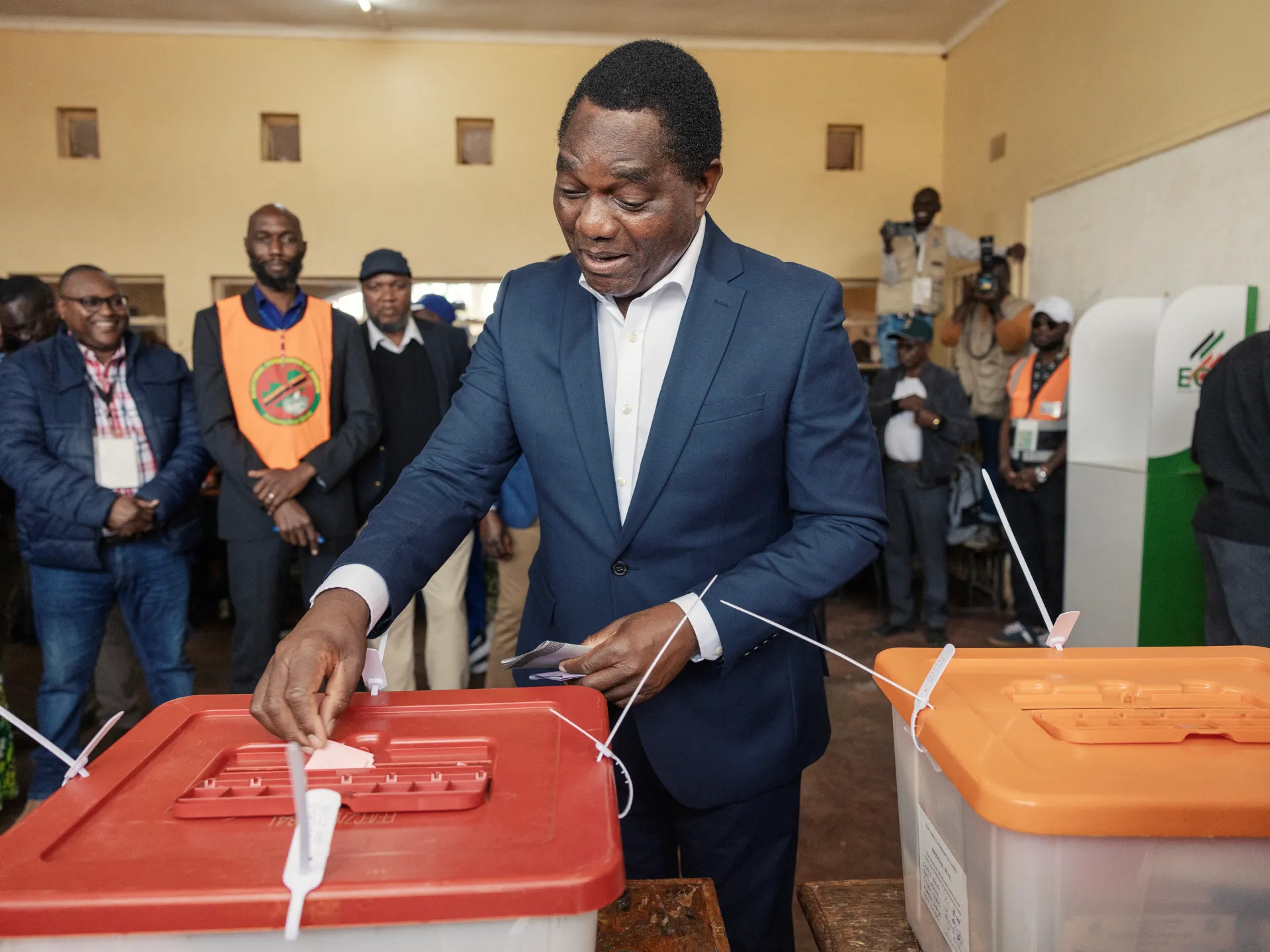
Zambian President Hakainde Hichilema has secured a second term in office, defeating his main challenger Brian Mundubile with approximately 60% of the vote. The 64-year-old leader campaigned on his administration’s record of economic recovery, specifically highlighting the major debt restructuring deal achieved during his first term. Hichilema stated that there is further work to be done, outlining ambitions to double the size of the economy and expand opportunities for households in his new mandate.
Since assuming office in 2021, Hichilema has overseen significant shifts in Zambia’s financial landscape, repairing relations with international lenders and attracting investment to the copper sector. His administration also introduced free secondary education, which brought an estimated 2.3 million children back into classrooms, alongside increased social cash transfers. Supporters credit this managerial approach with reviving the economy after a period of default and crisis, contrasting it with the populist style of previous administrations.
Despite these economic achievements, the election outcome comes amidst growing criticism regarding the government’s handling of social welfare and political freedoms. Opponents argue that poverty and hunger remain widespread, with many citizens citing rising living costs and food prices as primary concerns. The election process itself was marred by reports of violence and ballot theft, which led to the temporary suspension of the vote count nationwide before the final results were announced.
Civil society groups, church leaders, and opposition figures have accused Hichilema of increasing intolerance towards dissent. In November 2024, Catholic bishops alleged that the president was using law enforcement to stifle political opponents, a practice Hichilema had experienced during his own time in opposition. A UN special rapporteur expressed concern in 2025 that the criminal justice system was being weaponised to silence legitimate expression, prompting calls for legal reforms.
Hichilema has firmly rejected allegations of suppressing democratic freedoms, asserting that prosecuting lawbreakers is not equivalent to a loss of human rights. The administration’s focus on corporate management and efficiency has been noted by analysts as concentrating decision-making power within the presidency. As he begins his second term, the president faces the dual challenge of delivering on ambitious economic promises while addressing concerns over political openness and social equity.