Trump claims dialogue with Kim Jong Un bolsters South Korea’s safety
Following orders to scale back Ulchi Freedom Shield exercises, Donald Trump asserts that Kim Jong Un’s ‘very positive’ response to communications enhances regional security.
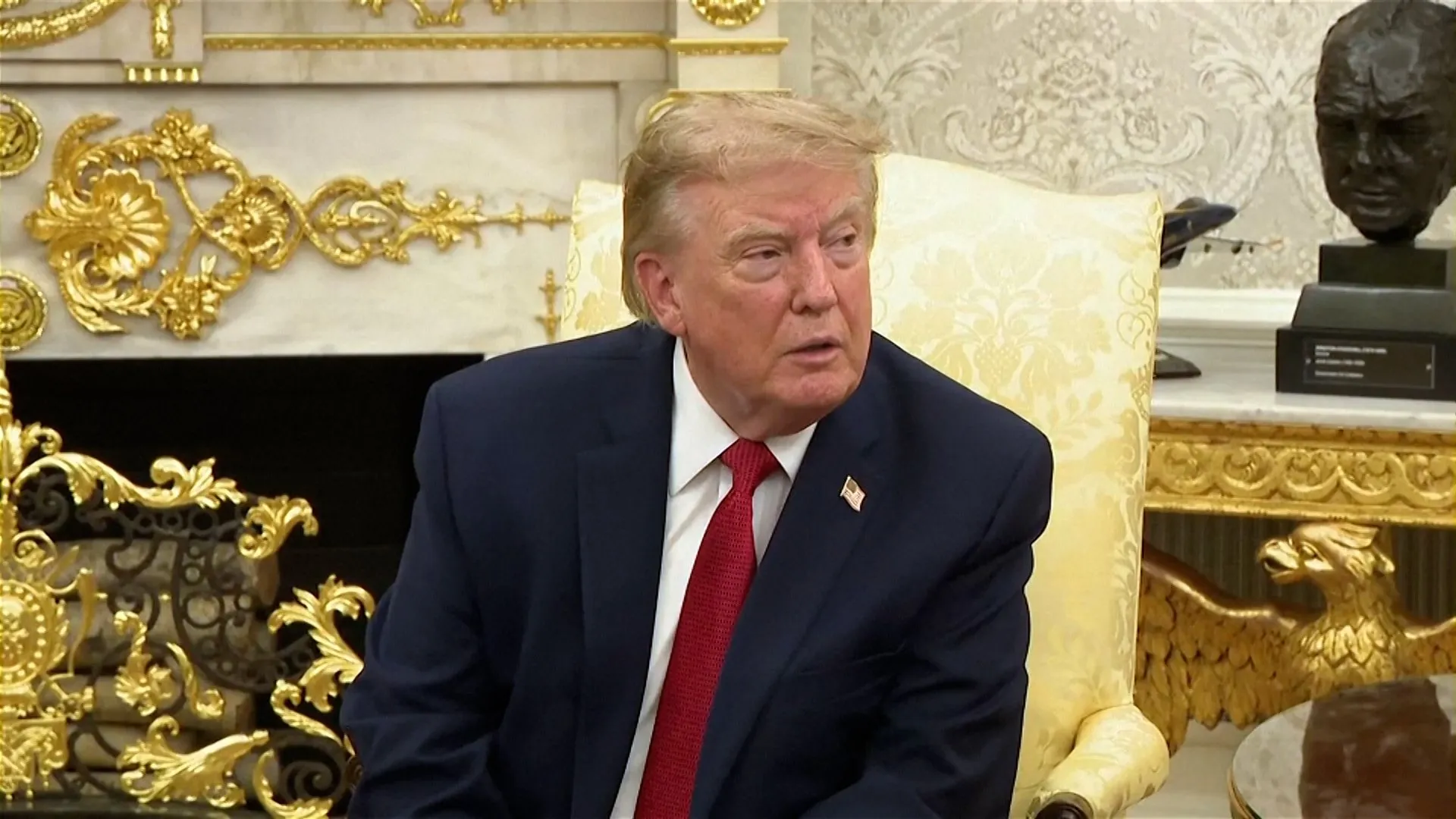
US President Donald Trump has stated that ongoing dialogue with North Korean leader Kim Jong Un contributes to the safety of South Korea, following reports that the North Korean regime has responded positively to recent communications. The assertion comes amidst a significant shift in US military posture in the region, with the President linking diplomatic engagement directly to security outcomes.
Trump revealed that Kim Jong Un has responded ‘very positively’ to US communications, framing the interaction as a stabilising factor for the peninsula. The President argued that maintaining a channel of dialogue with the North Korean leadership is a critical component in ensuring the safety of South Korea, suggesting that personal diplomatic ties serve as a buffer against regional instability.
This statement follows a directive issued on 17 August 2026, in which Trump ordered the Pentagon to substantially reduce the scope of the annual Ulchi Freedom Shield military exercises conducted with South Korea. The decision marks a notable departure from previous joint training protocols, reflecting a recalibration of US defence strategy in East Asia.
In justifying the reduction in drill scope, Trump cited his relationship with Kim Jong Un as a primary factor. He also pointed to South Korea’s refusal to join the United States in its war on Iran as a contributing reason for the scaled-back operations. The move has prompted immediate reactions from Seoul, with the South Korean presidential office issuing a response to the decision on the same day.
The timing of Trump’s comments suggests an effort to contextualise the reduction in military preparedness as a strategic choice driven by diplomatic progress rather than a withdrawal of security commitments. By attributing South Korea’s safety to his engagement with Kim, the President is attempting to frame the policy shift as a proactive security measure.
However, the specific mechanisms by which dialogue with Kim Jong Un translates into enhanced safety for South Korea remain undefined in the President’s statements. The claim relies heavily on the subjective assessment of the efficacy of personal diplomacy over traditional military deterrence, a stance that contrasts with the established framework of joint defence exercises.
As the US continues to navigate its complex relationships in the region, the interplay between military reductions and diplomatic overtures will likely remain a focal point of international scrutiny. The South Korean government’s response to the drill scaling and the subsequent diplomatic claims from Washington will be closely monitored for any further shifts in alliance dynamics.