Yahoo Sports journalist cites World Cup coverage as catalyst for US soccer boom
A correspondent’s account of the 2026 tournament suggests a cultural shift in American sports consumption, contrasting with historical precedents set by the 1994 event.
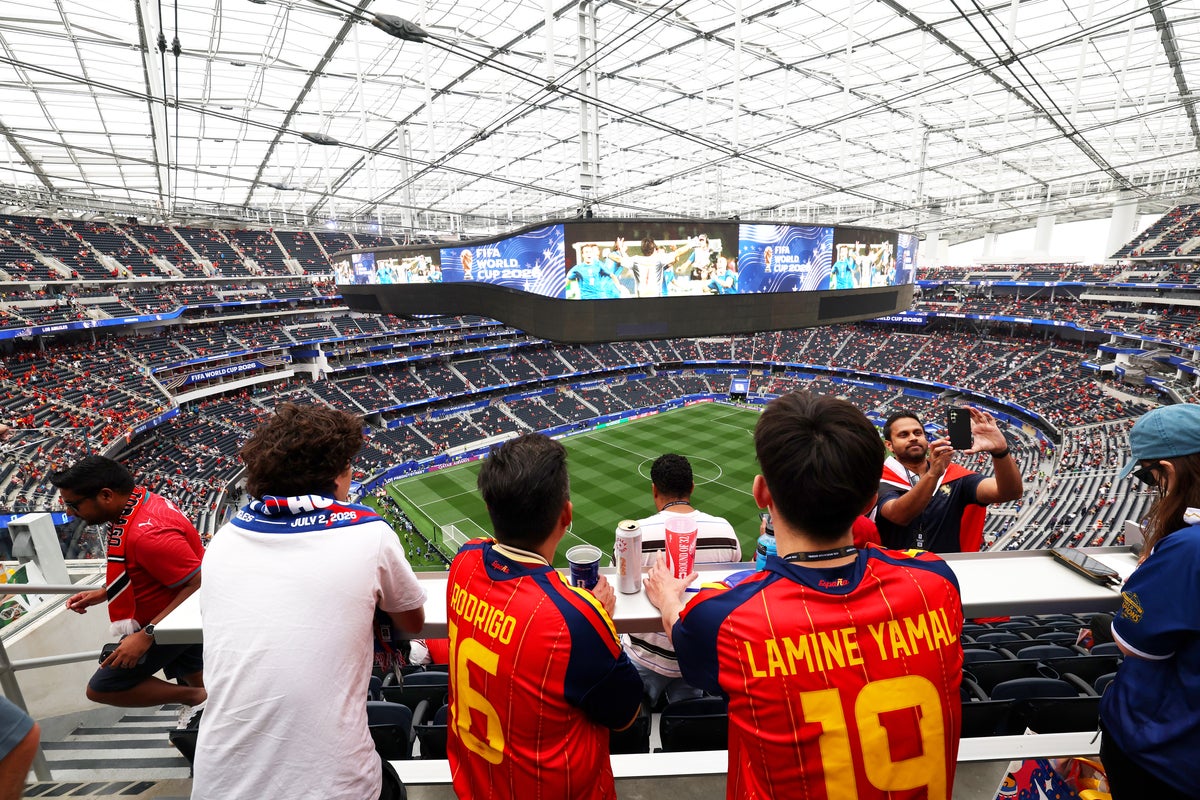
A recent report by Yahoo Sports journalist Kieran Jackson suggests the 2026 FIFA World Cup may trigger a significant surge in soccer’s popularity across the United States. Jackson’s three-week account, primarily based in Los Angeles with a reporting stint in Mexico City, details a tournament characterised by high levels of sports fanaticism and a multicultural atmosphere that contrasts with previous public perceptions of American interest in the sport.
The report notes that while the 1994 World Cup previously boosted football popularity and led to the creation of Major League Soccer, the 2026 event has demonstrated a deeper integration of the game into the cultural fabric. Jackson observed intense engagement in cities including San Francisco, Seattle, and Los Angeles, where fans displayed detailed knowledge of club rivalries and international politics, moving beyond the casual interest often associated with the host nation.
Infrastructure and technology played a visible role in the tournament experience, with Jackson highlighting the use of driverless Waymo taxis in Culver City as a notable aspect of West Coast life. The coverage also documented the vibrant atmosphere at Mexico City’s Azteca Stadium during England’s 1-0 victory over Mexico, driven by a goal from Jude Bellingham. The match was described as a high-point of the tournament, with the stadium’s atmosphere providing a stark contrast to the more subdued reception found in some US venues.
However, the report also addressed significant governance and policy concerns, particularly regarding the treatment of Iran’s squad by US immigration officials. Jackson described the handling of the team as "utterly contemptible," citing visa issues and broader political tensions under the Trump administration. These issues were juxtaposed against the generally smooth immigration processes experienced by other attendees and the peaceful protest culture observed in Seattle during the first-ever World Cup Pride Match.
Jackson concluded that the tournament’s success in generating a "soccer boom" hinges on sustained engagement beyond the final whistle. Interactions with fans, including detailed discussions about Major League Soccer rivalries and general match tactics with local transport workers, indicated a level of passion that could sustain long-term growth. The report suggests that while FIFA faces ongoing challenges, the product itself remains resilient, with the 2026 World Cup potentially marking a turning point for the sport in the United States.