WNBA establishes task force amid transgender participation controversy
Following declarations of eligibility by former NBA players and comments from Sophie Cunningham, the WNBA convenes a working group to address the debate while maintaining its current collective bargaining agreement.
The WNBA has established a task force to address the growing controversy surrounding transgender athlete participation, issuing a statement that condemned hate directed at players and rejected efforts to marginalise others. The league’s move comes in response to comments made by Minnesota Lynx guard Sophie Cunningham regarding locker room safety, as well as public declarations of eligibility by former NBA players Enes Kanter Freedom and Royce White for the 2027 WNBA Draft.
In a statement released via a spokesperson on Wednesday, the league confirmed it has convened discussions on the topic and will continue to engage stakeholders in the coming weeks and months. The WNBA emphasised that there are no immediate eligibility matters affecting the league, while strongly denouncing what it described as bad-faith efforts to demean or marginalise individuals. The organisation stated it would approach these conversations thoughtfully and in alignment with its core values.
Despite the new task force, the WNBA currently lacks specific public policy regarding transgender, non-binary, or intersex participation. The collective bargaining agreement, ratified in the spring, simply states that only players who are women are eligible to play. This clause has not been clarified to address the specific circumstances of transgender athletes, a gap that has drawn criticism from within the league.
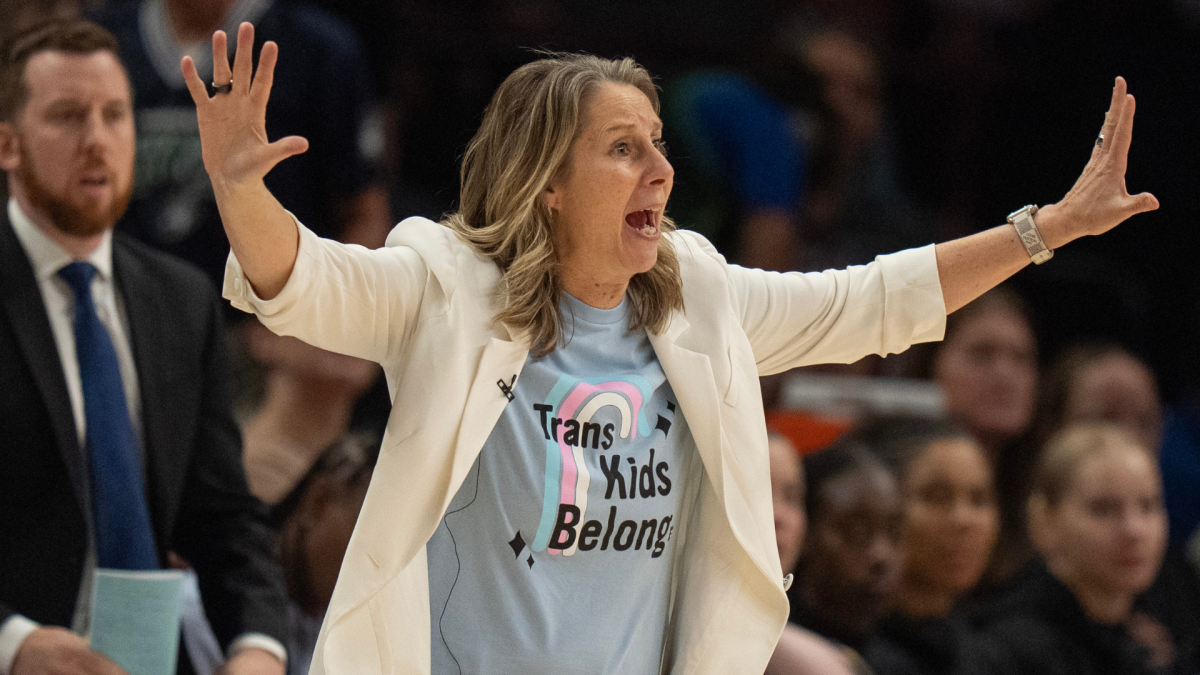
Minnesota Lynx head coach Cheryl Reeve, who has been a vocal ally of the transgender community, stated she has been asking WNBA leadership for years about the league’s stance on this issue. Reeve questioned what the league’s protocol would be when such a situation arose and whether the organisation would be prepared to handle it. Her comments highlight internal concerns that the league was not adequately prepared for the current political climate surrounding the sport.
The controversy has intensified as conservative groups have utilised Cunningham’s comments to push bills banning transgender participation in sport, holding rallies outside Indiana Fever games. The Heritage Foundation praised Enes Kanter Freedom’s declaration as a provocative challenge, sharing a paper by Scott Yenor that argued for the dismantling of Title IX sports requirements. This political pressure contrasts with the league’s current commercial success, which includes a new CBA increasing the salary cap to $7 million, a $3 billion television deal, and sold-out arenas.
Historically, the WNBA has had two non-binary players, AD Durr and Layshia Clarendon, both of whom were assigned female at birth. No transgender woman has ever played in the league, nor has one come close to making a team in its 30-year history. While the league and union prioritised other issues during the recent labour negotiations, the absence of a clear policy has left the organisation vulnerable to external narratives that have dominated sports governance in the United States over the past decade.
The NCAA adopted a blanket ban on transgender women in 2025, following a shift from previous testosterone suppression requirements, while the International Olympic Committee moved to a sport-by-sport policy before implementing a similar blanket ban. In the United States, more than half of the states now have bans in place, a trend that began with Idaho in 2000. The Supreme Court recently ruled that excluding transgender people from school sports does not violate Title IX, further complicating the landscape for professional leagues.
The WNBA’s decision to form a task force represents an attempt to regain agency in the public discourse. By dismissing the declarations of Kanter Freedom and White without making a reactionary policy, the league has avoided reinforcing what it termed false narratives. However, the lack of immediate clarity on eligibility rules leaves the organisation navigating a complex intersection of labour agreements, political activism, and evolving social debates.