WHO to convene emergency committee as DRC Ebola death toll surpasses 130
Health Minister Samuel Roger Kamba reports 513 suspected cases linked to the Bundibugyo strain, for which no vaccine exists, as the outbreak spreads from Ituri province into neighbouring regions.
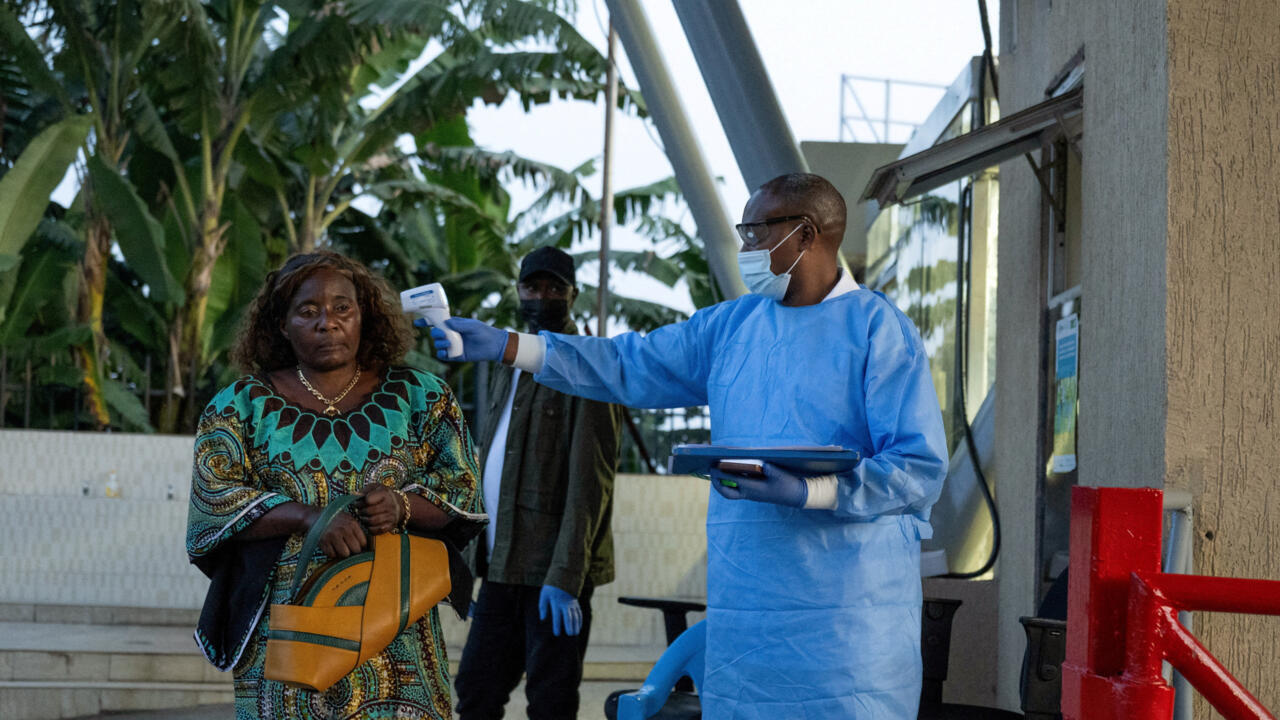
The death toll from an Ebola outbreak in the Democratic Republic of Congo has risen to at least 131 from 513 suspected cases, according to Health Minister Samuel Roger Kamba. The World Health Organization is set to host an emergency committee meeting on Tuesday to discuss the escalating crisis, which the UN health agency’s chief declared an international public health emergency two days prior.
Kamba provided the updated figures to Congolese national television, noting that the toll remains an estimate and further research is required to confirm whether all 131 deaths are definitively linked to the virus. The previous assessment of the epidemic in the country’s east recorded 91 deaths out of 350 suspected cases, indicating a sharp acceleration in the outbreak’s trajectory.
In response to the growing threat, the Africa Centres for Disease Control and Prevention declared the outbreak a Continental Public Health Emergency late Monday. The declaration empowers the Ethiopia-based body to mobilise additional resources, including emergency response teams and enhanced surveillance operations, to contain the spread.
The Africa CDC cited intense cross-border population movements, mining-related mobility, insecurity in affected areas, and weak infection prevention measures as primary drivers for the continental emergency. The agency expressed deep concern regarding the proximity of affected areas to Rwanda and South Sudan, highlighting the risk of regional dissemination.
The outbreak is centred in Ituri province, a gold-mining hub on the border with Uganda and South Sudan, where regular cross-border movement increases transmission risks. The virus has already spread beyond the epicentre, with suspected cases reported in Butembo, a commercial hub in North Kivu province approximately 200 kilometres away, and in Goma, a key provincial capital currently controlled by the Rwanda-backed AFC/M23 militia.
Complicating the response, Kamba noted that community alert was slow because many residents initially believed the illness was mystical, leading to delays in seeking hospital care. Laboratory testing capacity remains limited, with few samples able to be tested to date, meaning current assessments rely heavily on suspected case data.
The current outbreak is caused by the Bundibugyo strain of the Ebola virus, for which no vaccine or specific treatment currently exists. This strain has killed more than 15,000 people in Africa over the past half century, underscoring the severity of the public health challenge facing the region.