Putin arrives in Beijing for Xi summit following Trump’s departure
Russian President Vladimir Putin has landed in the Chinese capital to mark the 25th anniversary of the Treaty of Good-Neighborliness and Friendly Cooperation, a move that underscores Moscow’s dependent status and Beijing’s positioning as a central player in a fragmented global order.
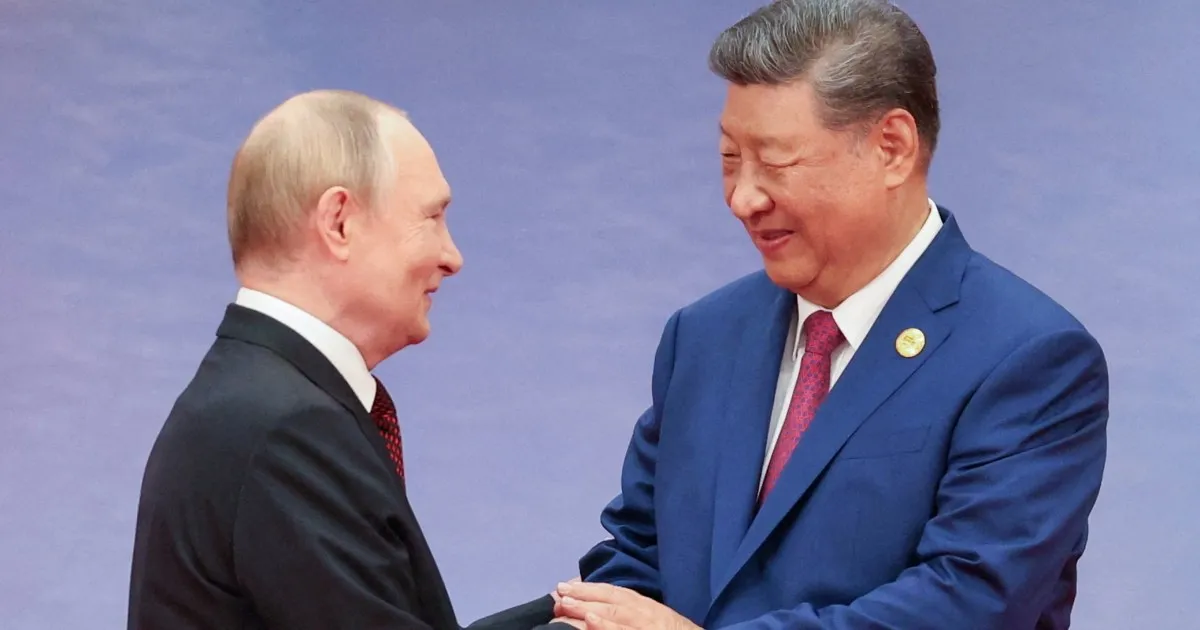
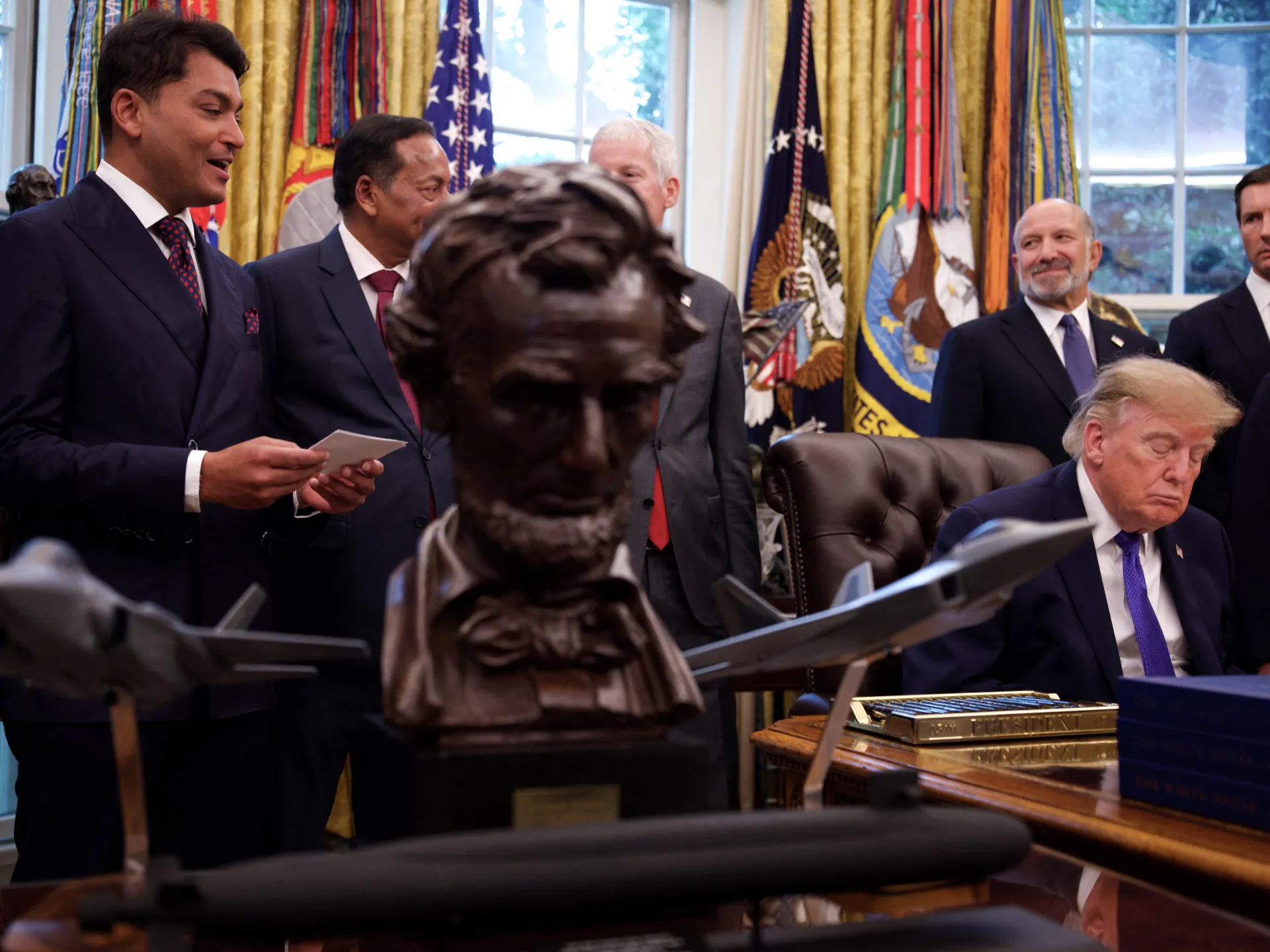
Russian President Vladimir Putin arrived in Beijing on Tuesday evening to commence high-level talks with Chinese President Xi Jinping, marking the 25th anniversary of the Treaty of Good-Neighborliness and Friendly Cooperation. The summit follows the departure of US President Donald Trump from China last week, a visit that analysts describe as yielding scant progress on contentious geopolitical issues, including the status of Taiwan and the ongoing US-Israel war on Iran.
The timing of the visits has been interpreted as a significant diplomatic display of China’s growing leverage. By hosting the American and Russian leaders in consecutive days, Beijing is positioning itself as an indispensable interlocutor capable of engaging rival powers on its own terms. Analysts suggest this strategy reinforces China’s self-image as a neutral superpower, attempting to maintain a posture of non-alignment despite its deepening strategic ties with Moscow.
Despite the high-profile nature of the meetings, experts do not anticipate major strategic shifts or the formation of new military alliances. Marina Miron, a postdoctoral researcher in defence studies at King’s College London, noted that the focus will likely remain on deepening bilateral relations through economic cooperation and the exchange of military technologies. Oleg Ignatov, a senior Russia analyst at Crisis Group, echoed this assessment, stating that while the relationship is strategic, it lacks a negative agenda and is unlikely to evolve into a formal military pact.
The economic dimensions of the partnership are expected to take precedence, with both nations seeking to advance joint projects in energy and dual-use technologies. Miron highlighted that China is seeking access to Russian energy resources at a discount, while Russia remains dependent on Chinese dual-use technologies, particularly for drone production. This dynamic underscores an asymmetrical relationship where Russia, grappling with Western sanctions and the war in Ukraine, is increasingly the junior partner.
Timothy Ash, an associate fellow at Chatham House, described the visit as a reflection of Russia’s diminished standing, comparing Putin’s posture to Trump’s recent trip. “Putin needs this more than Xi,” Ash said, noting that Moscow is likely seeking increased military support. However, Ignatov cautioned against viewing the relationship solely through a hierarchical lens, arguing that both nations are ultimately vying for a multipolar world where no single dominant power dictates terms.
Looming over the discussions is the conflict in Iran, which has disrupted global energy markets by largely closing the Strait of Hormuz. While the immediate economic impact falls heavily on China, analysts suggest Moscow is content that Beijing did not pressure Tehran to end the conflict during Trump’s visit. This outcome reinforces the stability of the Russia-China axis, with both sides benefiting from the sidelining of Gulf energy competitors in the short term.
Ukraine is also expected to be a key topic of discussion, though analysts do not anticipate China issuing ultimatums to Moscow. Miron indicated that Beijing will call for mediation and peaceful negotiations, aiming to prevent the humiliation of Russia while avoiding direct involvement in the conflict. The summit ultimately serves to consolidate Beijing’s role at the centre of an increasingly fractured international order, making the capital impossible to ignore in global diplomacy.