WHO links European wildfire surge to climate-driven heat extremes
The World Health Organization has attributed the increasing frequency and intensity of wildfires across western and southern Europe to climate change, citing record temperatures and successive heatwaves since May.
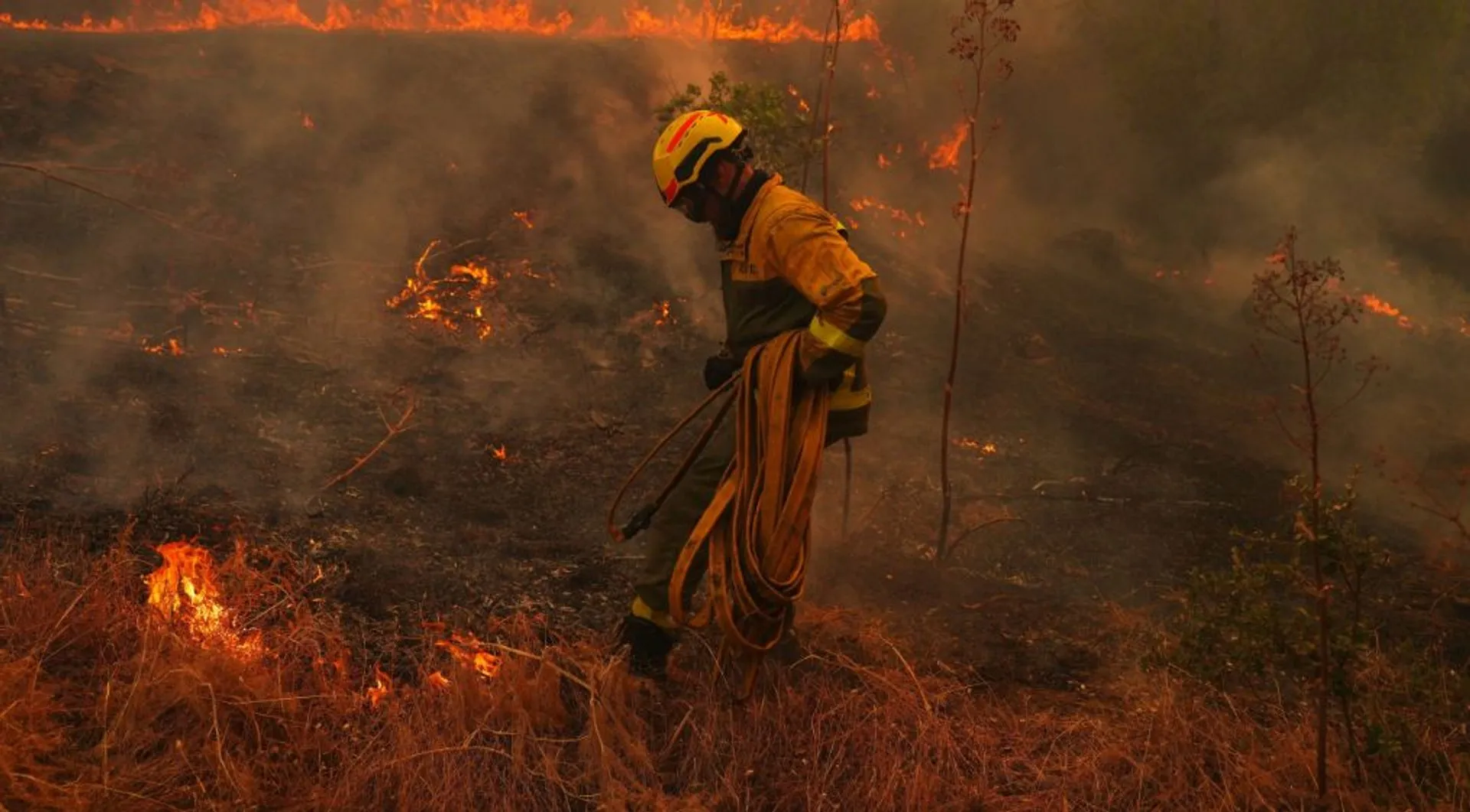
France and Spain have mobilised thousands of firefighters to combat wildfires that are currently ravaging western and southern Europe, with neighbouring countries providing additional assistance. Authorities have described the scale of the current blazes as unprecedented, marking a significant escalation in emergency response efforts across the continent.
The World Health Organization has issued a warning linking the heightened frequency and intensity of these fires to climate change. The organisation cited record temperatures and successive heatwaves experienced across Europe since May as primary contributing factors to the deteriorating conditions.
Eduardo Rojas, chairman of the board at the Programme for the Endorsement of Forest Certification, Soraya Fettih, global campaigns coordinator at the international environmental organisation 350.org, and Laurie Laybourn, executive director of the non-partisan think tank Strategic Climate Risks Initiative, have provided expert commentary on the unfolding crisis.
The deployment of resources highlights the severity of the disaster, with France and Spain identified as the hardest-hit nations. The involvement of international aid underscores the cross-border nature of the emergency, as local capacities are stretched to their limits by the sustained extreme weather events.
While the immediate focus remains on suppression efforts, the attribution of these events to broader climatic shifts by the World Health Organization places the current crisis within the context of long-term environmental challenges facing the region.