WHO declares Ebola emergency as funding crisis and geopolitical tensions weaken pandemic defences
The World Health Organization has classified the outbreaks in Uganda and the Democratic Republic of the Congo as a public health emergency of international concern, highlighting systemic risks amid budget cuts and supply chain disruptions.
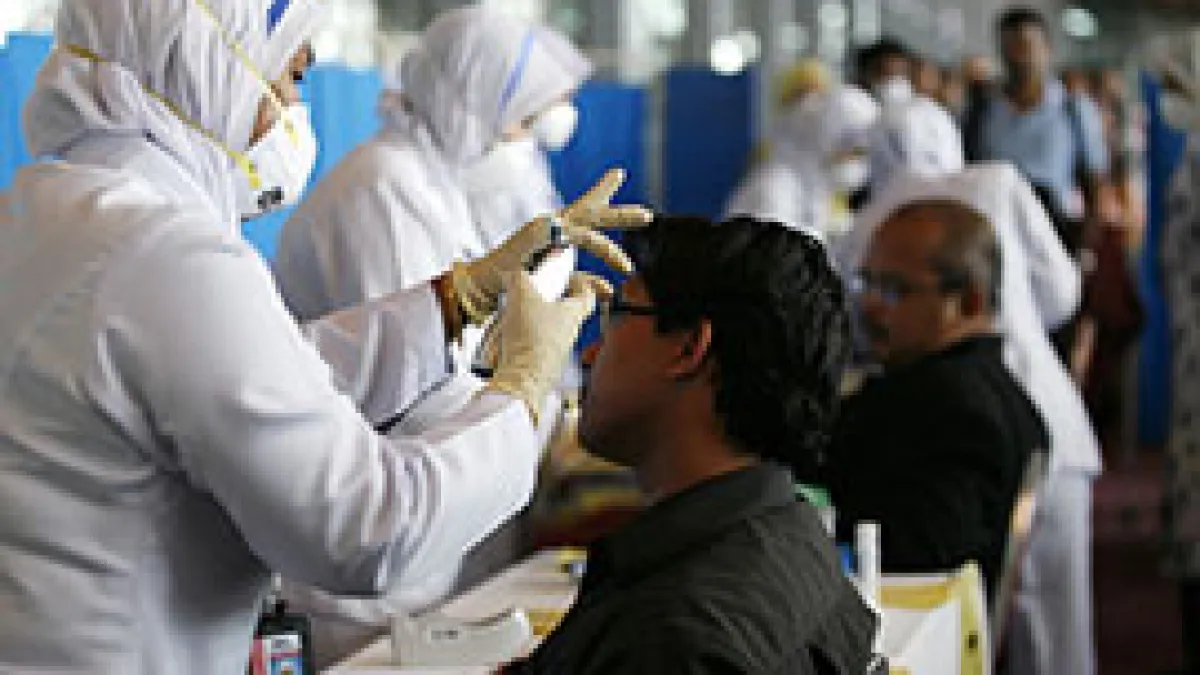
The World Health Organization has declared the Ebola outbreak in Uganda and the Democratic Republic of the Congo a public health emergency of international concern. The announcement coincides with efforts by multiple nations to contain a hantavirus outbreak linked to a cruise ship voyage to South America. While the pathogens differ, the simultaneous emergence of these viruses has intensified scrutiny over the world’s capacity to manage cross-border health crises, particularly as the agency navigates a severe financial shortfall.
The crisis deepened following the United States’ official withdrawal from the agency in January 2025. President Donald Trump cited mishandling of previous health emergencies as the rationale for the exit, removing a donor that previously contributed nearly one-fifth of the WHO’s budget. Consequently, the agency’s programme budget for 2026-27 has been set at more than $6.2 billion, representing a nine per cent decrease from the previous year. Director-General Tedros Adhanom Ghebreyesus warned in May 2025 that the lack of donor support posed the greatest disruption to global health financing in memory.
Financial constraints have directly impacted operational capabilities. Kaja Abbas, an associate professor of infectious disease epidemiology, noted that funding cuts have weakened disease surveillance efforts, thereby reducing readiness to deliver effective responses to epidemics. Krutika Kuppalli, an infectious diseases physician, warned that these reductions risk delaying outbreak detection and slowing response times. Despite these challenges, the WHO has deployed experts, personal protective equipment, and laboratory support to the affected regions in Africa, while coordinating regional preparedness efforts under the International Health Regulations.
Beyond funding, structural and political barriers continue to hamper global coordination. Negotiations on the Pathogen Access and Benefit-Sharing annex to the 2025 Pandemic Agreement remain stalled due to disputes over equitable access to vaccines and treatments. Kuppalli emphasised that delays in sharing pathogen samples and genomic data can cost valuable time in the early stages of an outbreak. Simultaneously, the US Department of Health and Human Services cancelled approximately $500 million in contracts for mRNA vaccine development last August, affecting 22 research initiatives focused on emerging pathogens.
Geopolitical instability and domestic policy shifts further complicate the landscape. The US-Israel war on Iran has driven up oil and gas prices, disrupting supply chains and causing medicine costs to rise by up to 96 per cent in India and 20 to 30 per cent in the UK. Additionally, a July 2025 BMJ report highlighted rising antivaccine sentiment within US health leadership, with Health Secretary Robert F Kennedy Jr promoting unverified claims about vaccine dangers. The International Pandemic Preparedness Secretariat stressed that sustained investment and strong multilateral coordination are essential to maintain the scientific capabilities needed to prevent future economic and health losses.