WHO declares Bundibugyo Ebola outbreak in DR Congo international health emergency
The World Health Organization has classified the current Ebola outbreak in the Democratic Republic of Congo as a public health emergency of international concern, citing the lack of a vaccine for the Bundibugyo strain and the virus’s spread into densely populated and conflict-affected regions.
The World Health Organization has declared the current Ebola outbreak in the Democratic Republic of Congo a public health emergency of international concern, marking the second time the Bundibugyo strain has triggered such a global alert. The declaration follows the confirmation of 91 deaths and approximately 350 suspected cases, with the epicentre located in the Mongbwalu health zone of Ituri province.
The outbreak is caused by the Bundibugyo strain, for which there is currently no specific vaccine or treatment. Unlike the Zaire strain, which accounts for the largest recorded outbreaks, existing vaccines are ineffective against this variant. Control measures rely entirely on rapid case detection, contact tracing, and strict adherence to protective protocols. The mortality rate for the Bundibugyo strain historically ranges between 30 and 50 percent.
Congolese Health Minister Samuel-Roger Kamba confirmed the latest figures on Sunday, noting that most affected individuals are women between the ages of 20 and 39. The outbreak began with a nurse visiting a health centre in Bunia on 24 April, but the primary cluster of deaths involved four healthcare workers in Mongbwalu over four days, alerting the WHO on 5 May. Delays in reporting were exacerbated by local communities initially attributing symptoms to mystical illness or witchcraft, leading many to seek treatment at prayer centres rather than medical facilities.
The virus has already spread beyond Ituri province, complicating containment efforts. A confirmed case and one death have been recorded in Goma, a city of 850,000 people under the control of the Rwanda-backed AFC/M23 rebel group. Additionally, the Ugandan government confirmed two deaths in Kampala involving Congolese nationals who had recently travelled from the DRC. The Africa Centres for Disease Control and Prevention has warned of a high risk of spread to other eastern African nations bordering the DRC.
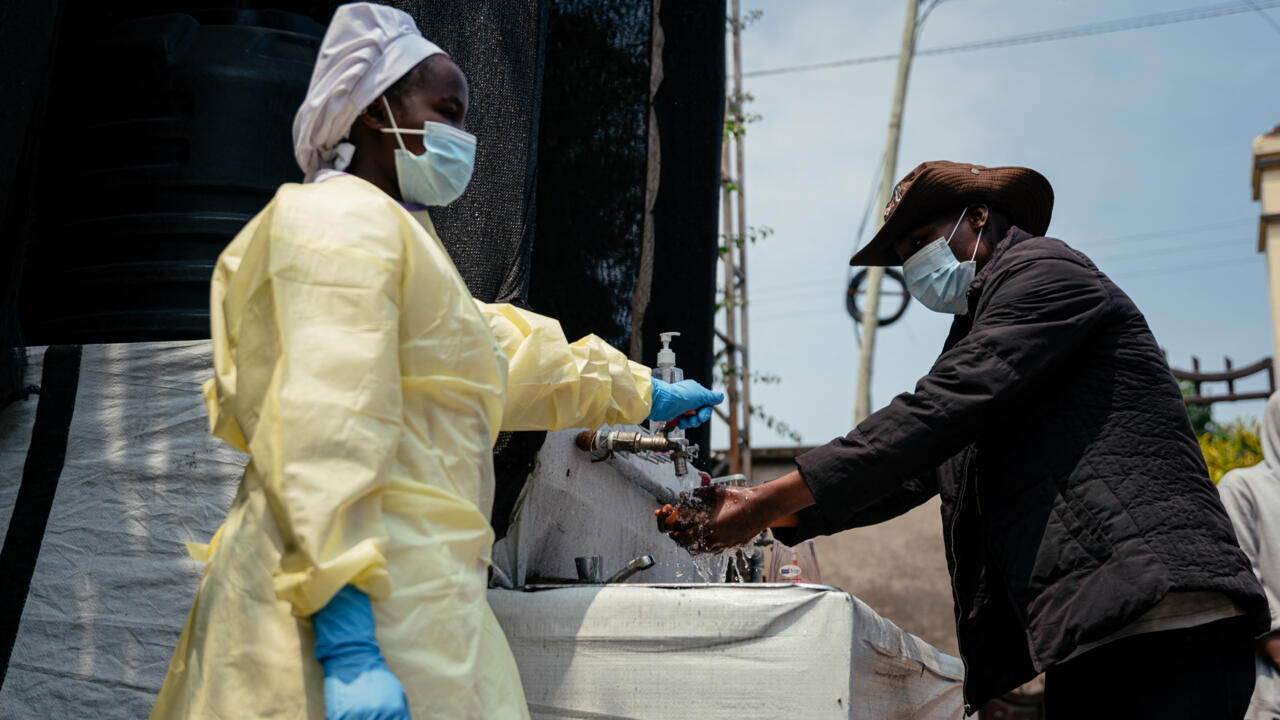
Access to the outbreak zone remains difficult due to intense population mobility linked to gold mining and violence by armed groups. In response, Minister Kamba arrived in Bunia on Sunday with tents to establish treatment centres, while the WHO arranged a cargo plane to deliver protective equipment from a depot in Kenya after stocks in Kinshasa were depleted. Aid groups, including the International Rescue Committee and Médecins Sans Frontières, confirmed on Monday that teams were actively responding to the crisis.