Spain urges global financing reform as aid cuts threaten maternal health systems
Madrid highlights its 2025–2030 health strategy and new leadership network as official aid falls by 23 per cent, with some regions seeing service cuts of up to 70 per cent.
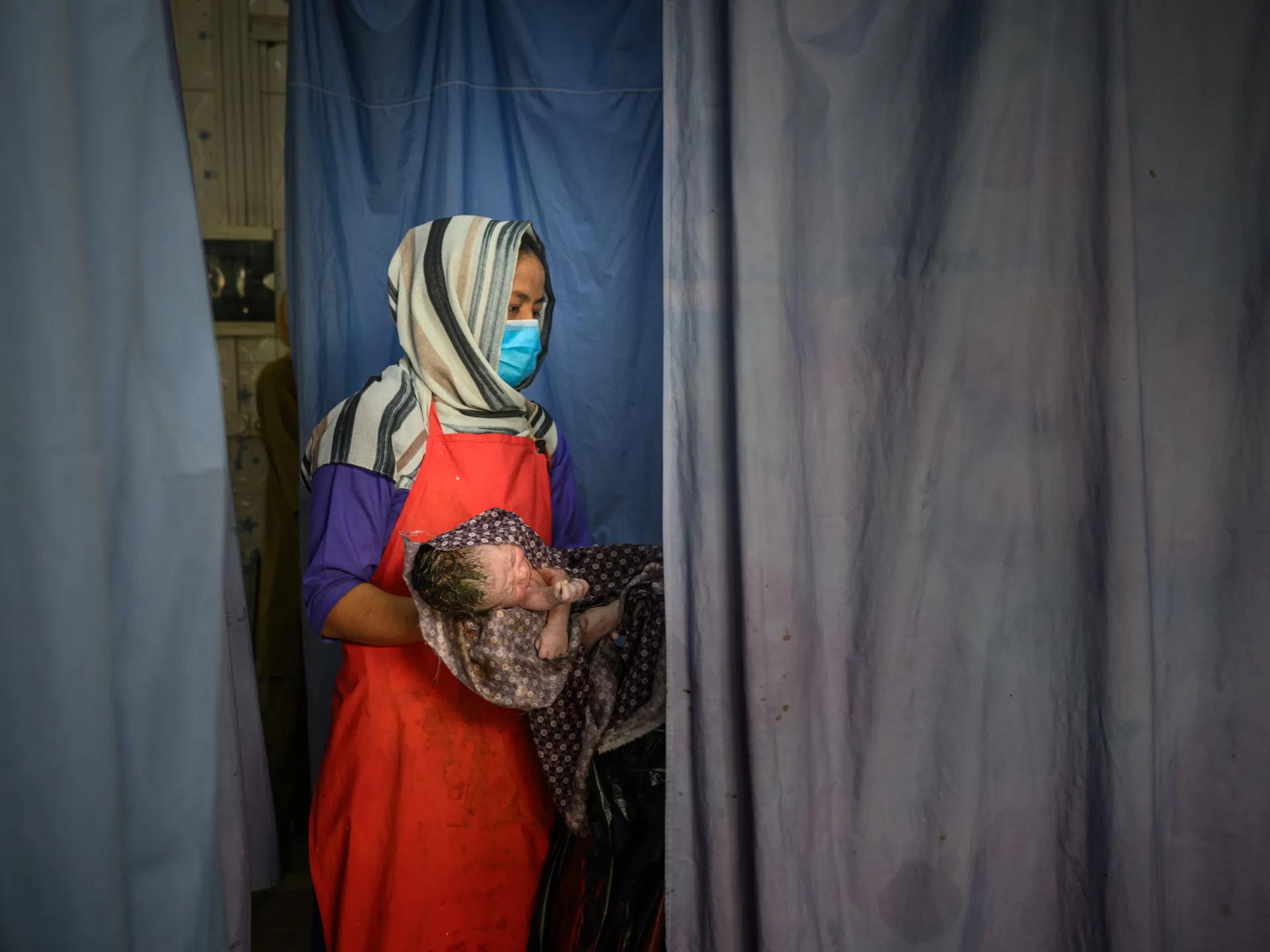
A recent opinion piece published in Al Jazeera warns that global maternal and child health systems are approaching a breaking point, driven by a confluence of aid reductions, sovereign debt, and ongoing conflict. The article, authored by a representative of the Spanish government, cites data indicating that official development assistance fell by 23 per cent in 2025, marking the largest annual drop in history.
The text argues that these fiscal constraints are having immediate and severe impacts on healthcare delivery. In some regions, cuts to maternal care, vaccination programmes, and emergency response services have reached as high as 70 per cent. Furthermore, more than 50 countries are currently experiencing health worker job losses and the breakdown of training pipelines, undermining the capacity of health systems to function effectively.
Citing estimates from The Lancet medical journal, the article projects that without intervention, more than 14 million additional people could die by 2030, including 4.5 million children under the age of five. The author contends that the true measure of global progress is not found in financial markets, but in whether women survive pregnancy, children are vaccinated, and adolescents can grow up healthy and safe.
Beyond the humanitarian imperative, the piece outlines significant economic arguments for reversing these trends. It states that closing the gap in women’s health alone could add at least $1 trillion to the global economy by 2040. Additionally, every dollar invested in childhood vaccination or adolescent mental health is estimated to return approximately $20 over a lifetime through healthcare savings and increased productivity.
Spain is positioning its policy response around these challenges through its Global Health Strategy 2025–2030, which places equity, resilient health systems, and sexual and reproductive health rights at the centre of its international action. The article notes that Spain recently joined the Global Leaders Network, a group comprising 12 heads of state and government committed to advancing the health and rights of women, children, and adolescents.
The author also references Spain’s role in the Fourth International Conference on Financing for Development in Sevilla, where the government helped focus international attention on debt distress and the reform of the global financing architecture. The piece calls for broader international action to protect sexual and reproductive health rights, arguing that these rights are central to dignity, equality, and public health, and should not be subject to political negotiation.