WHO declares Bundibugyo Ebola outbreak in DR Congo a global emergency
The World Health Organization has classified the outbreak in the Democratic Republic of Congo as a Public Health Emergency of International Concern, citing the absence of approved treatments for the Bundibugyo strain and the challenges posed by ongoing instability.
The World Health Organization has declared the ongoing Ebola outbreak in the Democratic Republic of Congo a Public Health Emergency of International Concern. The emergency designation follows the identification of the rare Bundibugyo strain, a variant that has not been detected for over a decade and for which there is currently no approved vaccine or targeted therapeutic drug. While experimental vaccines are in development and those for the Zaire species may offer some cross-protection, the immediate lack of specific medical countermeasures presents a significant governance and public health challenge.
Initial transmission appears to have begun in late April, with the first known case identified as a nurse in Bunia, the capital of Ituri province. The virus had likely been spreading undetected for several weeks before symptoms manifested, a delay exacerbated by initial blood tests returning negative results because standard protocols typically screen for more common Ebola species. The situation deteriorated rapidly when the nurse died in Bunia and her body was repatriated to the gold-mining town of Mongwalu for a funeral, an event that exposed numerous attendees to the virus and accelerated local transmission.
The outbreak is situated in a region severely impacted by armed conflict, which has displaced approximately 250,000 people and created porous borders that facilitate the movement of populations. This instability has hindered coordinated response efforts, with cultural factors further complicating containment. In some affected communities, the illness has been attributed to witchcraft, leading individuals to seek treatment from prayer centres and traditional healers rather than seeking hospital care. This has delayed reporting and allowed the virus to spread within communities before official health interventions could be deployed.
Geographic spread has extended beyond the initial epicentre in Ituri province. A confirmed case has been reported in Goma, a city of 850,000 people under the control of the AFC-M23 rebel group. Additionally, two deaths have been recorded in Kampala, Uganda, involving Congolese nationals who had recently travelled to the Ugandan capital. The Africa Centres for Disease Control and Prevention has identified Uganda, Rwanda, and South Sudan as countries at high risk of further spread, prompting neighbouring states to reinforce border screenings and implement preventive measures.
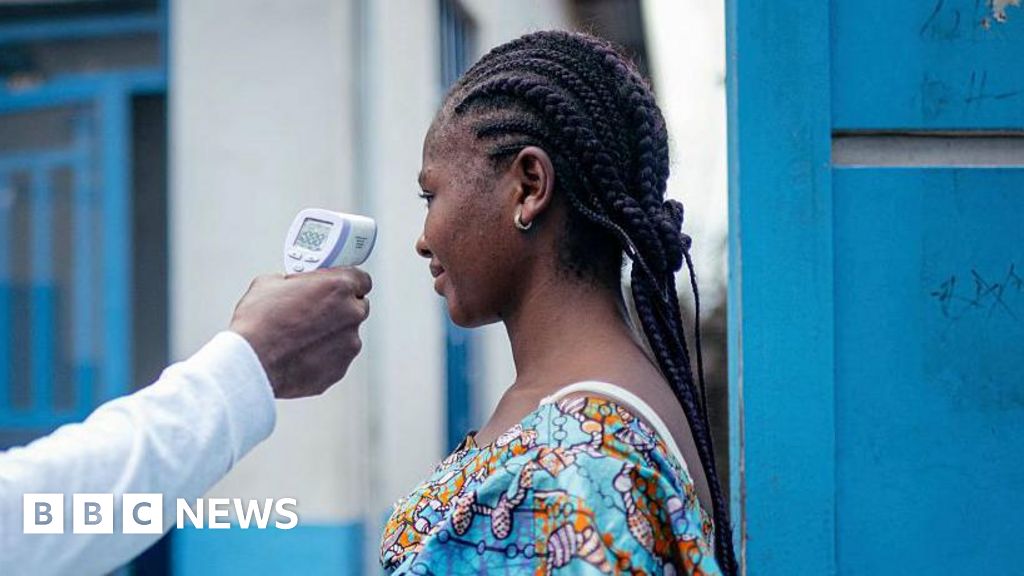
In response to the crisis, the World Health Organization and Médecins Sans Frontières are establishing treatment centres and developing a comprehensive response plan. A toll-free number, 151, has been established for symptom reporting, and public health campaigns are focusing on safe burial practices and hygiene. While the AFC-M23 group in Goma has activated its own response mechanisms, cooperation with the Congolese government is unlikely, adding a layer of political complexity to the medical emergency. Neighbouring countries are taking unilateral steps, with Uganda postponing a major pilgrimage event and Rwanda tightening entry protocols, although the overall risk of a pandemic outside east Africa remains minimal.