White House alleges China used 40 nations to evade tariffs via transshipping
US trade adviser Peter Navarro cites lost jobs and revenue as Beijing and Washington prepare for high-stakes diplomatic talks in Washington.
The White House has released a report alleging that China has utilised the export channels of more than 40 countries to circumvent United States tariffs. The document identifies Canada, India, Mexico, Japan, and South Korea as nations that have facilitated this routing of goods through jurisdictions with lower American import duties.
According to the report, the practice involves transferring cargo through intermediate nations to repack and conceal the true origin of products, a process described by US officials as transshipping. The White House characterises this activity as "fraud cloaked in paperwork," asserting that China has exploited these logistical pathways to avoid higher levies imposed on direct exports.
Government and private sector estimates cited in the report suggest that between $30 billion and $300 billion in goods have been moved through this shadow network. White House trade adviser Peter Navarro stated that the alleged evasion has resulted in significant losses, costing "American jobs and billions in revenue."
In response to the allegations, a spokesperson for the Chinese embassy in Washington told the BBC that "trade wars have no winners." The spokesperson opposed the use of unilateral actions and state power to target Chinese companies, adding that any measures concerning transshipped goods must not harm the interests of third parties.
The United States has indicated it is deploying artificial intelligence tools to detect and disrupt these transshipment efforts. The report arrives amidst a backdrop of ongoing sanctions, including restrictions on humanoid robot exports and drone technology, despite a temporary pause in most tariffs following talks in May 2025.
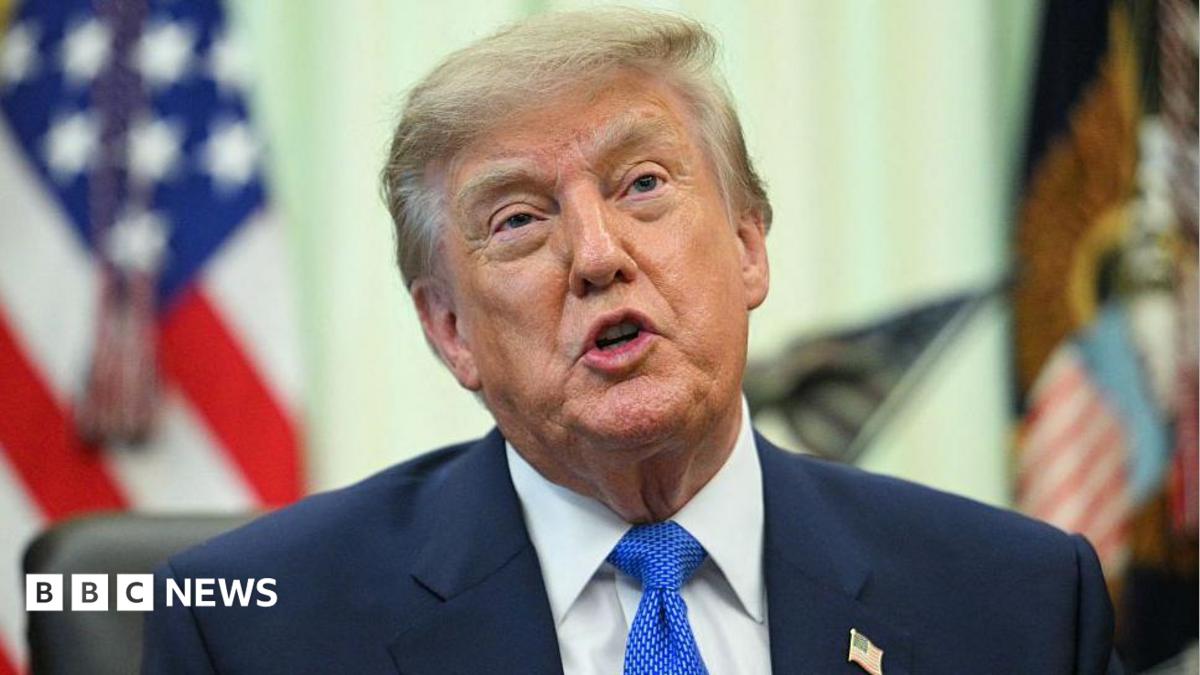
This disclosure precedes a scheduled meeting between President Donald Trump and Chinese leader Xi Jinping in Washington. The report is expected to intensify existing diplomatic friction, as Washington continues to introduce new tariffs using alternative legal levers after previous sweeping levies were struck down by the US Supreme Court.
The BBC has contacted the US embassies in the named countries, including Canada, India, Mexico, Japan, and South Korea, for comment regarding their involvement in the reported trade flows.