Osun election serves as critical litmus test for Tinubu’s 2027 prospects
With the 2027 presidential race looming, Saturday’s off-cycle election in Osun State is being analysed as a key indicator of political alliances, the Independent National Electoral Commission’s preparedness, and President Bola Tinubu’s influence in a strategic region.
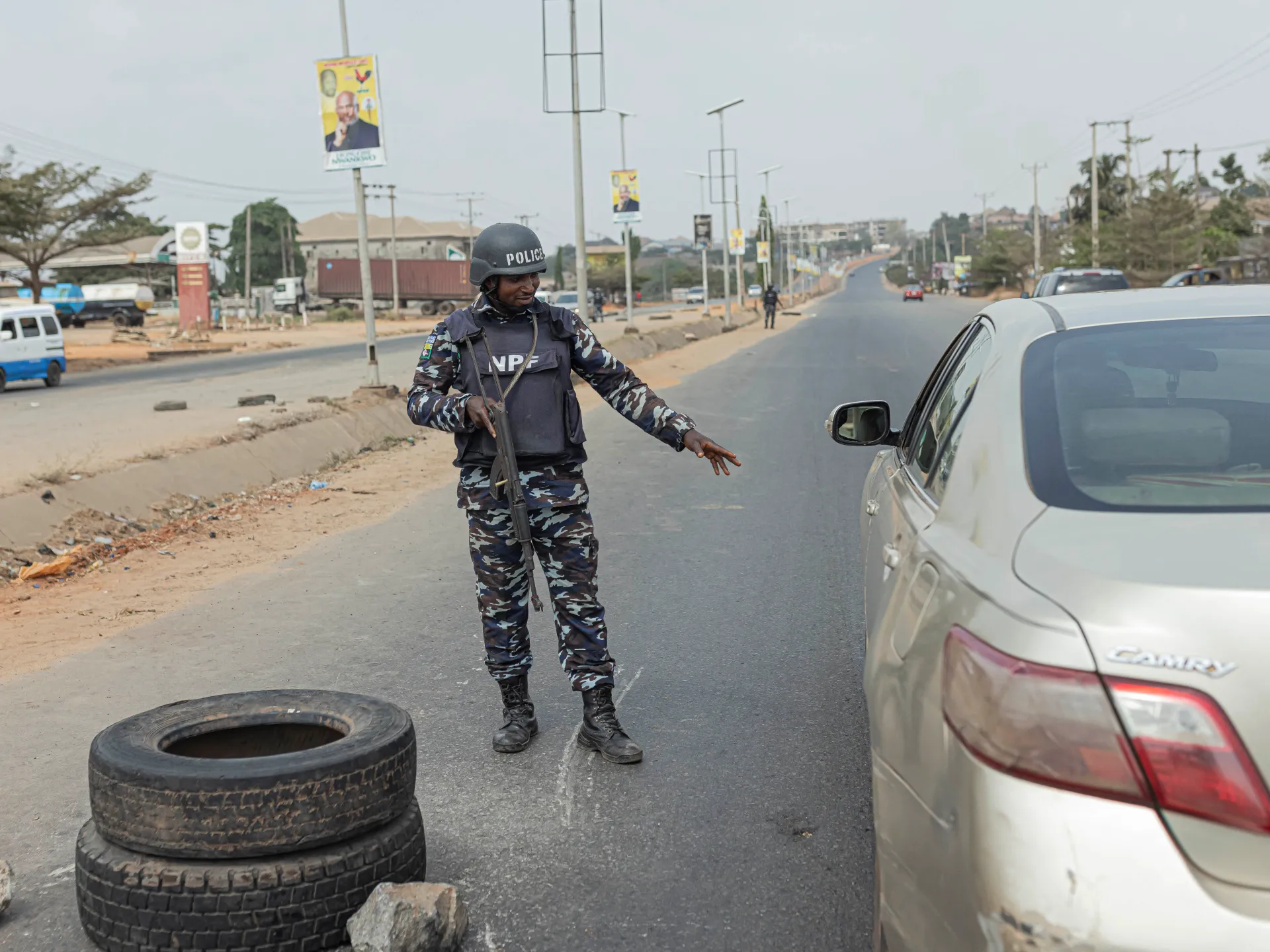
Voters in southwestern Nigeria’s Osun State cast their ballots on Saturday in an off-cycle governorship election that political analysts view as a significant barometer for the upcoming 2027 general elections. The contest, which pits incumbent Ademola Adeleke against ruling party candidates, is widely regarded as the final major electoral test before the national vote, offering early signals on voter loyalty and the stability of political alliances.
The election features Adeleke, who previously held the governorship on the Peoples Democratic Party ticket and is now running on the Accord Party platform, facing Bola Oyebamiji of the All Progressives Congress and Najeem Folasayo Salaam of the African Democratic Congress. For the ruling All Progressives Congress, a victory would mark a return to power in a state where President Bola Tinubu’s family has deep roots, potentially reinforcing the party’s position in a region central to the president’s political base.
Beyond the governorship, the poll serves as a critical test of whether political defections and elite alliances translate into tangible electoral support. Nigeria’s party system is characterised by fluid allegiances, with many politicians switching platforms. The result will reveal whether lawmakers who have moved to the ruling party can retain their seats without the backing of the incumbent governor’s machinery, a factor that could shape legislative dynamics in the National Assembly.
Local issues such as infrastructure, public services, and state governance remain the primary drivers for many voters, distinct from the national economic and security crises that will likely define the 2027 campaign. However, national politicians are interpreting the outcome as a gauge of President Tinubu’s reach. A strong showing for the All Progressives Congress would suggest that the southwest remains a reliable base, providing strategic flexibility as the president navigates friction in other regions, including parts of the north.
Conversely, a loss or mixed result would challenge the assumption that political momentum automatically converts into votes, potentially limiting the president’s room to manage northern defections. Ikemesit Effiong of SBM Intelligence noted that while the election is not a verdict on 2027, it offers a critical assessment of the Independent National Electoral Commission’s preparedness and the ruling party’s current momentum in a strategic demographic.