Washington declares 'economic D-Day' against Tehran as Gulf tensions escalate
The US administration has intensified economic pressure on Iran and its supporters following the collapse of a 60-day ceasefire, with the UAE severing financial ties in response to missile threats.
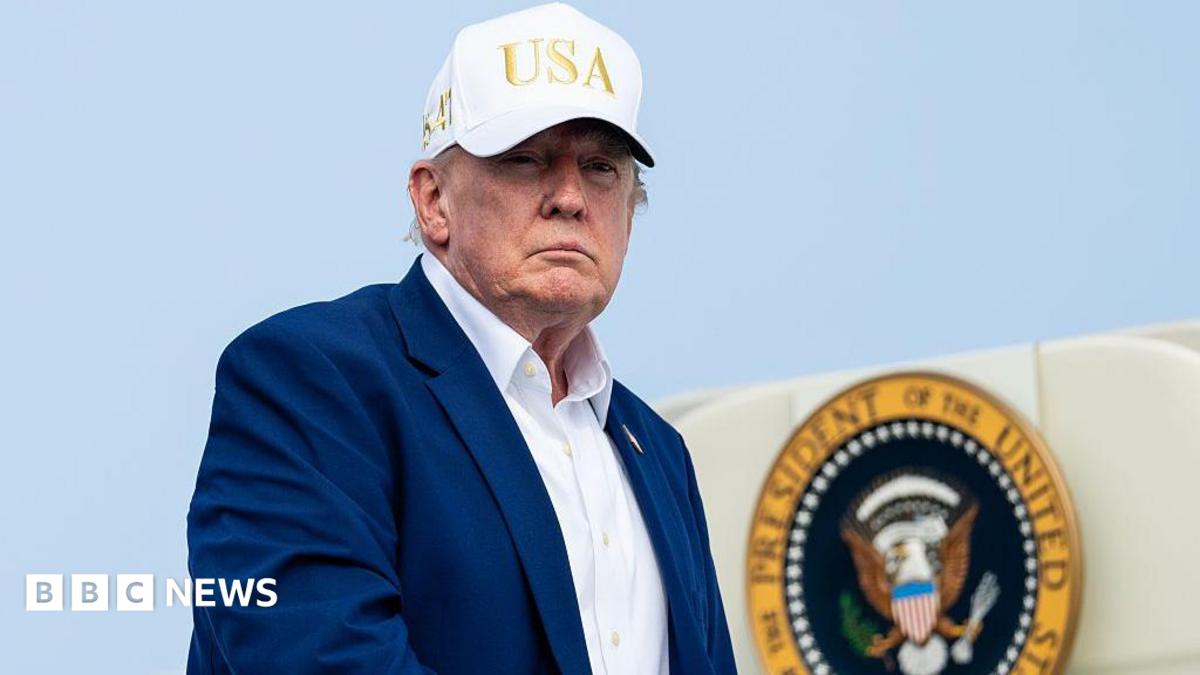
US President Donald Trump has announced the launch of what he termed "the most crushing economic operation ever" against Iran and any nation providing it with financial or logistical support. The declaration, issued on Truth Social, marks a significant escalation in the conflict that began in late February between the US, Israel, and Iran. The move follows the formal expiration of a 60-day ceasefire on Monday, which concluded without a diplomatic settlement or a clear military off-ramp.
The new measures, which Trump labelled "economic D-Day," specifically target oil smuggling, cash transfers, exchange houses, and ship registries. The President warned that any country allowing its institutions to aid Iran would face "tremendous economic consequences," though he did not specify the precise nature of these penalties. This strategy extends a campaign of economic pressure initiated in April with "Operation Economic Fury," a joint Treasury and Pentagon effort designed to degrade Tehran’s warfighting capability by cutting off revenue streams and imposing a naval blockade.
Regional dynamics have shifted sharply in response to the renewed hostilities. The United Arab Emirates, a key US ally, announced it would sever all financial and economic ties with Iran after its defence ministry detected two ballistic missiles launched from Iran targeting maritime traffic. Both missiles landed in the sea. This decision is significant given that Iranian entities have historically used Dubai’s financial system to transfer money through exchange houses and shell companies. In retaliation, Iran’s armed forces warned neighbouring Gulf states that providing support to the US military would be considered collusion.
Global energy markets are already under strain due to the conflict. Iran has restricted marine traffic through the Strait of Hormuz, a critical route for approximately 20 percent of global crude oil and liquefied natural gas, leading to rising energy prices. The US and Oman have been negotiating separately with Tehran to reopen the strait, although Trump has reportedly threatened to bomb Oman if it obstructs these talks. The economic pressure on Washington is further compounded by the approaching November midterm elections, where the cost of the war to American consumers is a growing political concern.
China, while not explicitly named in Trump’s latest post, remains a central figure in the economic standoff. Businesses in China, particularly privately owned "teapot refineries" in Shandong province, are the largest buyers of Iranian oil. Beijing has previously rejected US sanctions on these entities, with the Ministry of Commerce stating that such measures violate international law and should not be recognised or enforced.
Iran’s Foreign Minister Abbas Araghchi dismissed the new sanctions as a "diversion" from America’s own economic problems, warning that "doubling down on failed policies will only bring further defeat." US Treasury Secretary Scott Bessent has stated that the US intends to impose economic isolation on Iran "like the world has never seen before." The BBC has contacted the Chinese embassy in Washington, the White House, and the US Treasury Department for comment, but no response was recorded at the time of publication.