Saudi-Sudanese Coordination Council signed in Riyadh
The new institutional platform covers ten strategic sectors, including Red Sea security and reconstruction, as Riyadh seeks to secure its strategic depth.
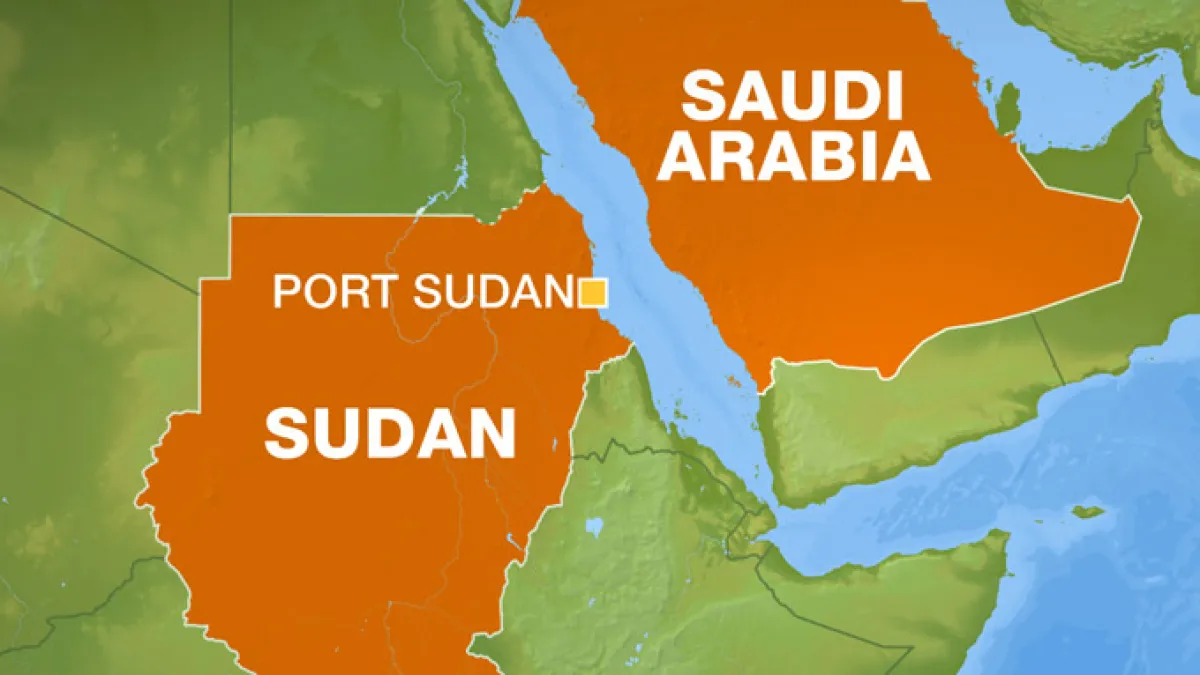
Saudi Arabia and Sudan have signed an agreement to establish the Saudi-Sudanese Coordination Council, a move that formalises a comprehensive institutional platform for bilateral cooperation. The accord was signed in Riyadh on 17 August 2026 by Saudi Foreign Minister Prince Faisal bin Farhan Al Saud and his Sudanese counterpart, Mohieddin Salem.
The agreement is designed to oversee ten major strategic areas, marking a shift from previous political and humanitarian support towards a long-term strategic, economic and investment partnership. The sectors covered include Sudan’s reconstruction, agriculture and food security, livestock, gold and mining, the Red Sea and ports, energy and electricity, finance and banking, industry and food processing, communications and digital transformation, and tourism, real estate and services.
According to Sudan’s Foreign Minister, the council’s priorities centre on security, defence and the economy. The inclusion of the Red Sea as a specific area of strategic cooperation reflects a shared understanding that maritime security is a joint responsibility. This development follows Sudan’s accession to a maritime defence alliance established by Saudi Arabia on 30 July 2026.
The signing of the council is viewed by analysts as an institutional expression of Saudi Arabia’s conviction that Sudan’s stability is indispensable to the kingdom’s own national security. Riyadh has long regarded the stability of a unified Sudan as a critical component of its strategic depth, a concept in strategic thought that refers to the wider geographical sphere that absorbs shocks before they reach a state’s core.
Historical relations between the two nations have been characterised by mutual appreciation and a lack of serious political crises, rooted in religious, cultural and social ties. Saudi Arabia previously mediated the Sudanese conflict through the Jeddah platform, a role that was welcomed by both sides of the conflict. The new council is intended to consolidate these ties into a permanent framework for development and security.
The agreement also reflects a broader regional strategy aimed at countering projects of fragmentation that have targeted pivotal states in the Arab world. By supporting Sudan’s unity and strengthening its ability to control its coastline, Saudi Arabia is investing in the security of the Red Sea as a whole, ensuring that the stability of the western shore supports the security of the eastern shore.