European drought fuels transport and food inflation
Reduced Rhine shipping capacity and crop failures are driving up costs, prompting economists to question whether climate extremes are creating persistent inflationary pressures for the ECB.
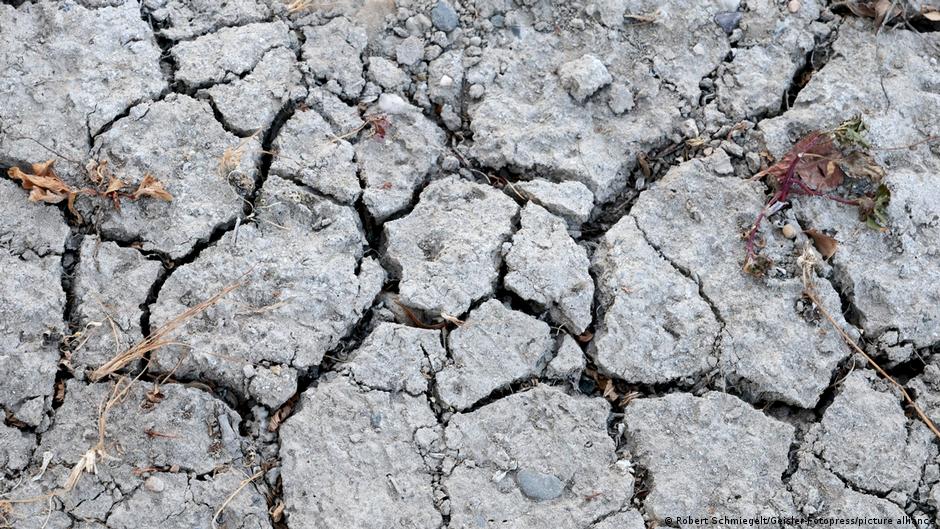
Ongoing drought conditions across Germany and Europe are straining the region’s economic infrastructure, with reduced river levels diminishing cargo capacity on the Rhine. This logistical bottleneck is significantly increasing transport costs per metric ton, particularly for energy sources such as diesel and heating oil that rely heavily on waterway transport. Torsten Schmidt, an economist at the RWI – Leibniz Institute for Economic Research, noted that these rising costs are being passed directly on to consumers, contributing to broader price increases.
The impact extends beyond logistics to the agricultural sector, where crop failures have driven up food prices. According to the Food and Agriculture Organization of the United Nations, food prices are currently approximately 30 per cent higher than in 2020, with sharp increases recorded in meat and oilseeds. The FAO’s data accounts for the cumulative effects of global warming, extreme weather events, and crop losses, highlighting the growing link between climate variability and food security.
Institutional responses to these trends are becoming more pronounced. A study published in July 2025 by the European Central Bank and five European research institutes warned that frequent extreme weather events could destabilise food prices, making central bank mandates for price stability increasingly challenging to deliver. The report, titled "Climate extremes, food price spikes, and their wider societal risks," suggests that if temperature rises have long-term effects on inflation, economic growth may be hampered by the need for higher interest rates.
Current data indicates that while Germany’s inflation rate stood at 2.4 per cent in June, slightly below the EU average of 2.8 per cent, high transport costs at 5.3 per cent remain a major driver. Inflation rates across the euro area ranged from 2 per cent in France to 5.4 per cent in Lithuania during the same period. The ECB recently raised its deposit rate by 0.25 percentage points to 2.25 per cent on 11 June, a move that reflects the central bank’s ongoing assessment of monetary conditions.
Schmidt from the RWI explained that the key question for monetary policy is whether the current cost spike is a one-time, temporary event or if it is being compounded by other factors, such as energy price shocks from the US-Iran and Russia-Ukraine wars. He predicted that a single weather-related price spike would probably not trigger tighter monetary policy, but warned that the coincidence of multiple crises could result in wider, more persistent inflation that the ECB could no longer ignore.
Holger Schulz of the German Savings Banks Association recommended that the German economy return to operating with higher inventory levels as an "insurance premium" against unpredictable supply chain crises. Citing lessons from the COVID-19 pandemic, the war in Ukraine, and the closure of the Strait of Hormuz, Schulz argued that maintaining higher stock levels is essential in a world that remains unpredictable on multiple fronts.