Venezuela quakes prompt global review of seismic resilience frameworks
Following twin earthquakes in Venezuela that killed at least 32 people, international reports examine how nations with established seismic frameworks mitigate risk through technology, regulation, and community infrastructure.
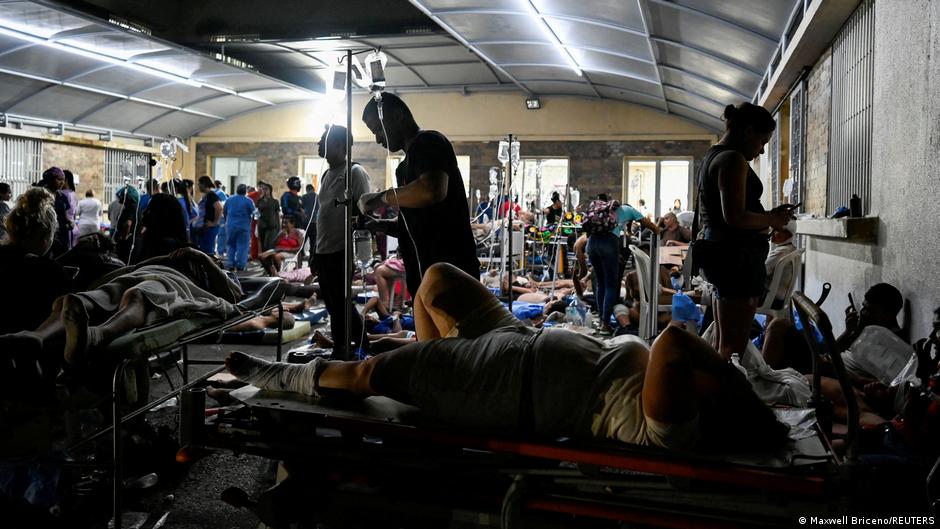
Two major earthquakes measuring magnitude 7.2 and 7.5 struck central Venezuela on Wednesday, 24 June 2026, killing at least 32 people and injuring approximately 700. The tremors, which occurred seconds apart west of Moron, caused extensive structural damage in Caracas and the state of La Guaira. Acting President Delcy Rodriguez declared a state of emergency in response to the disaster, which remains an unusual occurrence despite the country’s proximity to tectonic plate boundaries.
The event has triggered a broader examination of how high-risk nations build seismic resilience through preparation and innovation. While Venezuela sits near the South American and Caribbean tectonic plates, countries along the Pacific Ring of Fire, including Mexico, Chile, and Canada, are responsible for approximately 90% of the world’s earthquakes. These nations have developed distinct strategies to mitigate seismic risks, ranging from early warning systems to strict building codes.
Japan utilises the Earthquake Early Warning system, operated by the Japan Meteorological Agency since 2007. The system employs over a thousand seismic sensors to detect primary waves and send alerts via phones, television, and radio, providing critical seconds before stronger shaking begins. Additionally, Japan enforces strict building codes established in 1981, requiring new constructions to meet rigorous seismic standards. Essential facilities often employ seismic isolation systems that allow structures to sway and absorb energy rather than resist it.
Chile implemented sweeping regulatory reforms following the 1960 Valdivia earthquake, the strongest ever recorded. The country introduced strict building regulations requiring seismic resilience, which were tested during the 2010 Maule earthquake when many modern buildings remained intact. Chile also established the Chilean National Disaster Prevention and Response Service (SENAPRED) to align risk reduction strategies across sectors, emphasising that resilience requires a combination of policy changes and community-level capacity building.
Mexico operates the Mexican Seismic Alert System (SASMEX), launched in 1991 after the devastating 1985 Mexico City earthquake. Coastal sensors detect major earthquakes and provide up to a minute of warning to inland cities, allowing time to seek shelter and trigger emergency systems. The country commemorates the 1985 disaster annually on 19 September with nationwide earthquake drills involving schools, businesses, and public institutions to reinforce constant readiness.
In Canada, the city of Vancouver has developed a network of disaster support hubs in public spaces such as parks, libraries, and community centres. Situated near the Cascadia Subduction Zone, the region faces the threat of rare but devastating earthquakes. These hubs, marked with yellow signs, are designed to serve as shelters and points for emergency supplies and medical help, aiming to strengthen community resilience and ensure rapid recovery when seismic events occur.