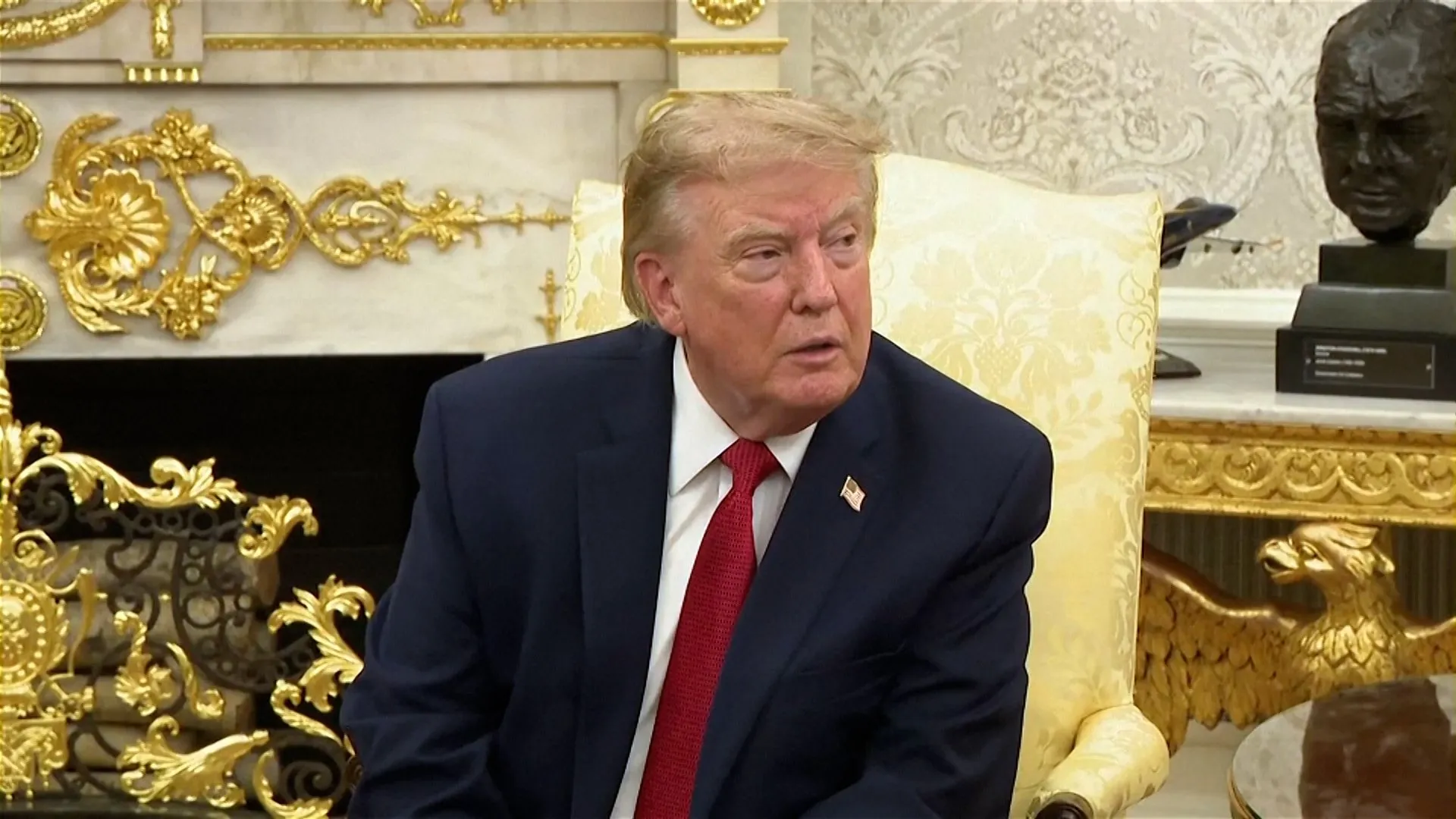
US to scale back joint military exercises with South Korea following diplomatic rift
The decision, announced via Truth Social, comes after Seoul refused to assist Washington in the denuclearisation of Iran, marking a significant shift in established security cooperation norms.
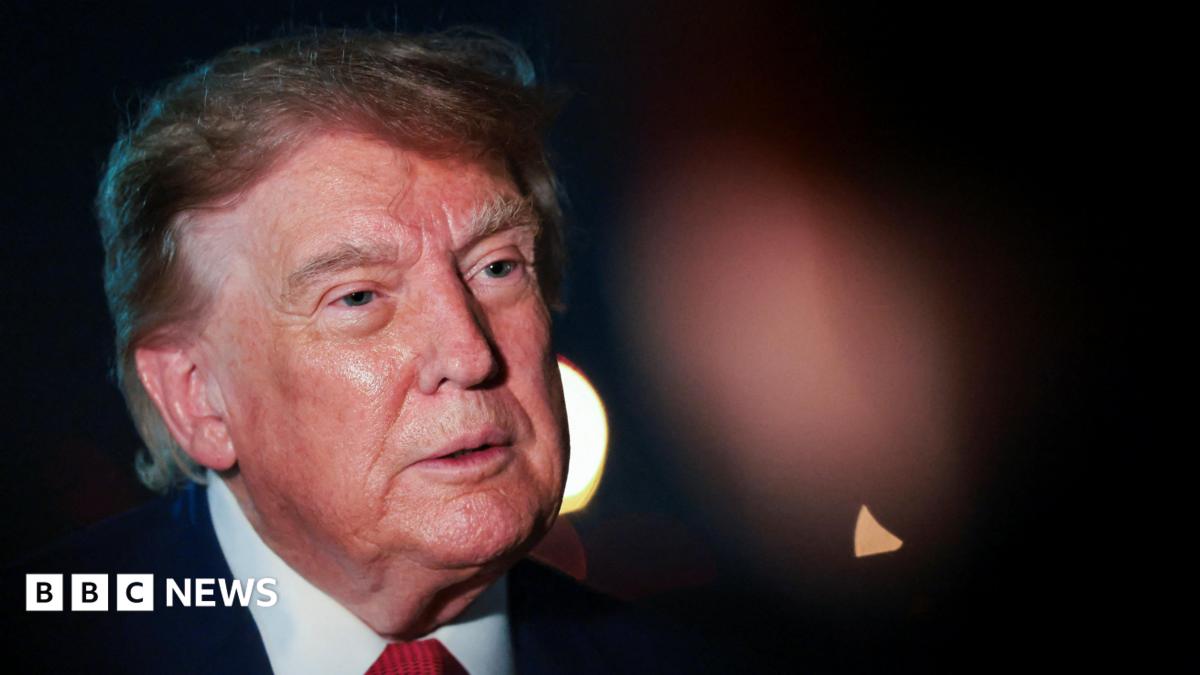
The United States has announced a substantial reduction in joint military exercises with South Korea, a move that disrupts scheduled operations set to begin on Monday. President Donald Trump communicated the decision through a post on Truth Social on Sunday evening, framing the cancellation as a response to both financial burdens and shifting geopolitical alliances.
In his statement, Trump described the regular drills as "costly" and "hostile," noting that the United States typically bears the majority of the financial burden. He cited his "very good relationship" with North Korean leader Kim Jong Un as a key factor in the decision to scale back these operations, a stance that diverges from established American foreign policy norms regarding the Korean peninsula.
The announcement follows recent diplomatic friction between the two allies. Trump pointed to South Korea’s refusal to assist the United States in the "denuclearisation" of Iran as a contributing factor to the decision. While the specific details regarding the scope and duration of the reduction have not been elaborated upon, the move signals a potential recalibration of the US-South Korea security partnership.
Trump, who last visited Kim Jong Un in person in 2019, has previously bucked traditional diplomatic protocols in his dealings with North Korea. The cancellation of these exercises, which are a staple of the bilateral military relationship, leaves the long-term impact on regional security cooperation unclear as details remain sparse.
This development emerges amidst a broader context of shifting international dynamics, with other nations, such as Colombia, seeking tariff suspensions following natural disasters, and migration tensions rising at the Ceuta border due to social media misinformation. However, the immediate focus remains on the abrupt change in US military posture in East Asia.