US Supreme Court’s emergency docket becomes central route for major rulings, ProPublica reports
ProPublica says the court issued more substantive decisions through its “shadow docket” than in open court during the term ending in 2025, possibly for the first time in its modern history.
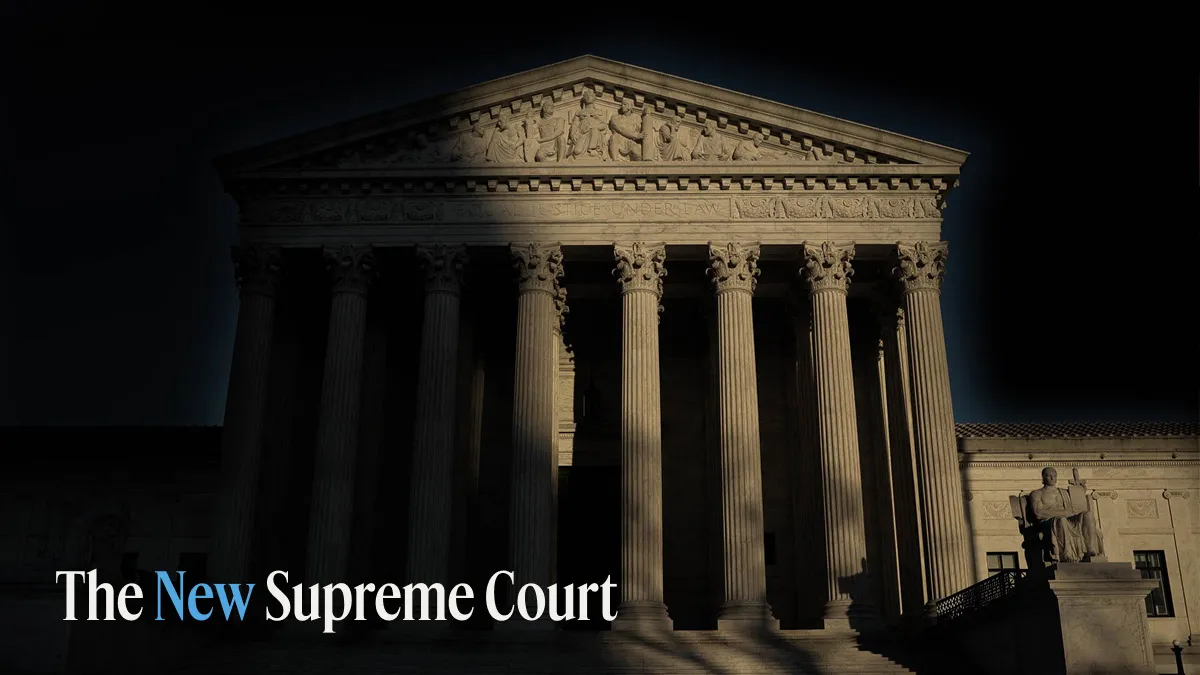
The US Supreme Court issued more substantive decisions through its emergency, or “shadow”, docket than in cases argued in open court during the term ending in 2025, according to an analysis by ProPublica.
The finding was based on an examination of tens of thousands of court filings. ProPublica said it separated routine requests, such as deadline extensions, from challenges involving long-established constitutional rights.
The shadow docket is an emergency process in which justices rarely hear arguments. Orders are often unsigned and may provide limited or no explanation of the reasoning or votes behind a decision.
ProPublica said major rulings have continued during the court’s summer recess. Every Supreme Court decision since July has been issued through the shadow docket, and that pattern is expected to continue until the new term begins on 5 October.
Experts consulted by ProPublica said the court’s shadow-docket rulings have generally benefited Donald Trump, although not all have done so. The report cited a ruling involving the US Postal Service as an exception but did not identify its legal outcome.
Trump criticised some of the justices he nominated in a post on Truth Social, describing the court’s decisions as among the most damaging in the country’s history. Supreme Court representatives did not respond to ProPublica’s questions.