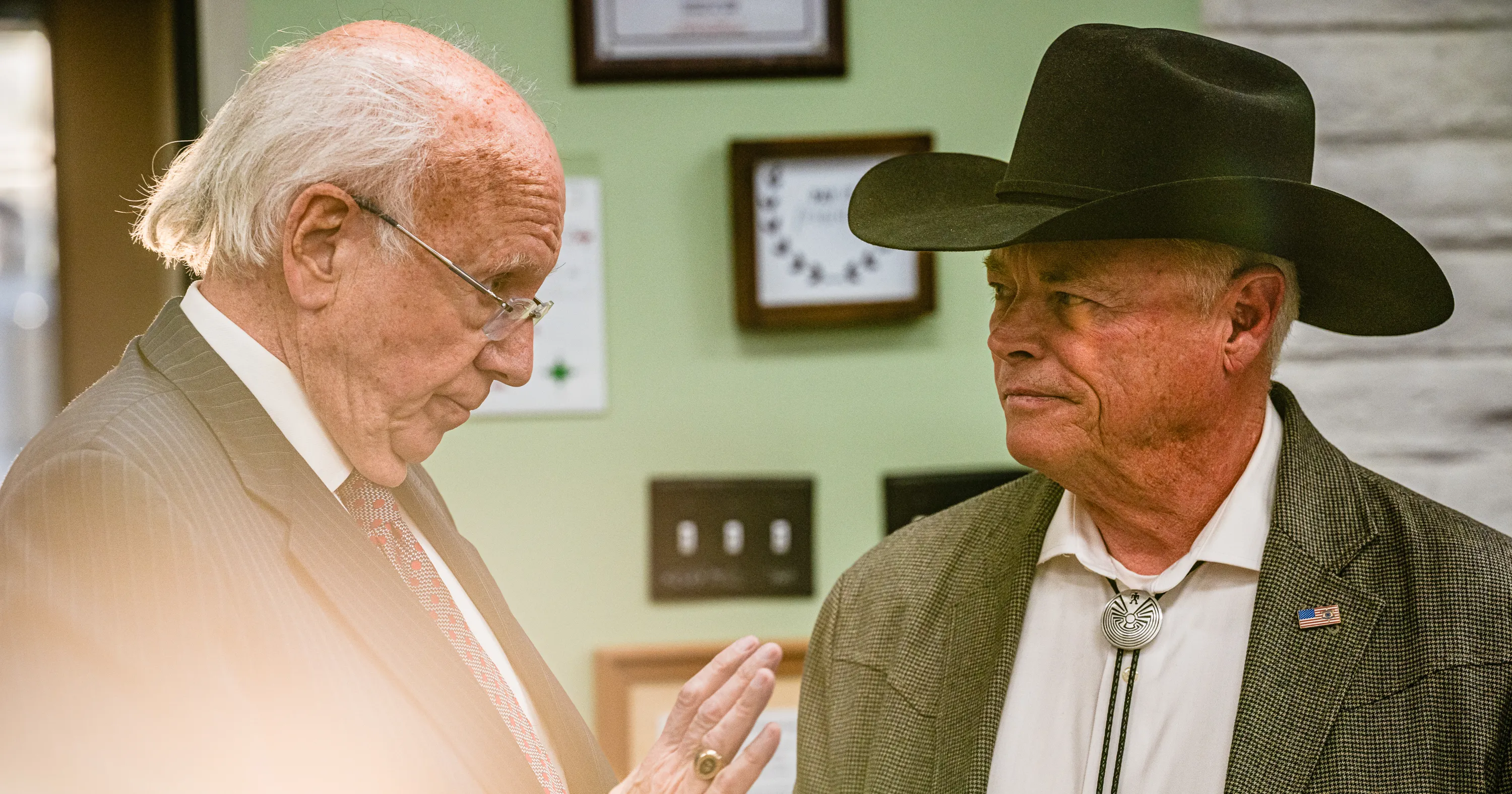
Tennessee Lawmakers Seek Answers on Private Youth Prison Oversight
Four Democratic state representatives have written to the Department of Children’s Services, citing a recent investigation that found Wayne Halfway House facilities repeatedly failed to report abuse and serious incidents.
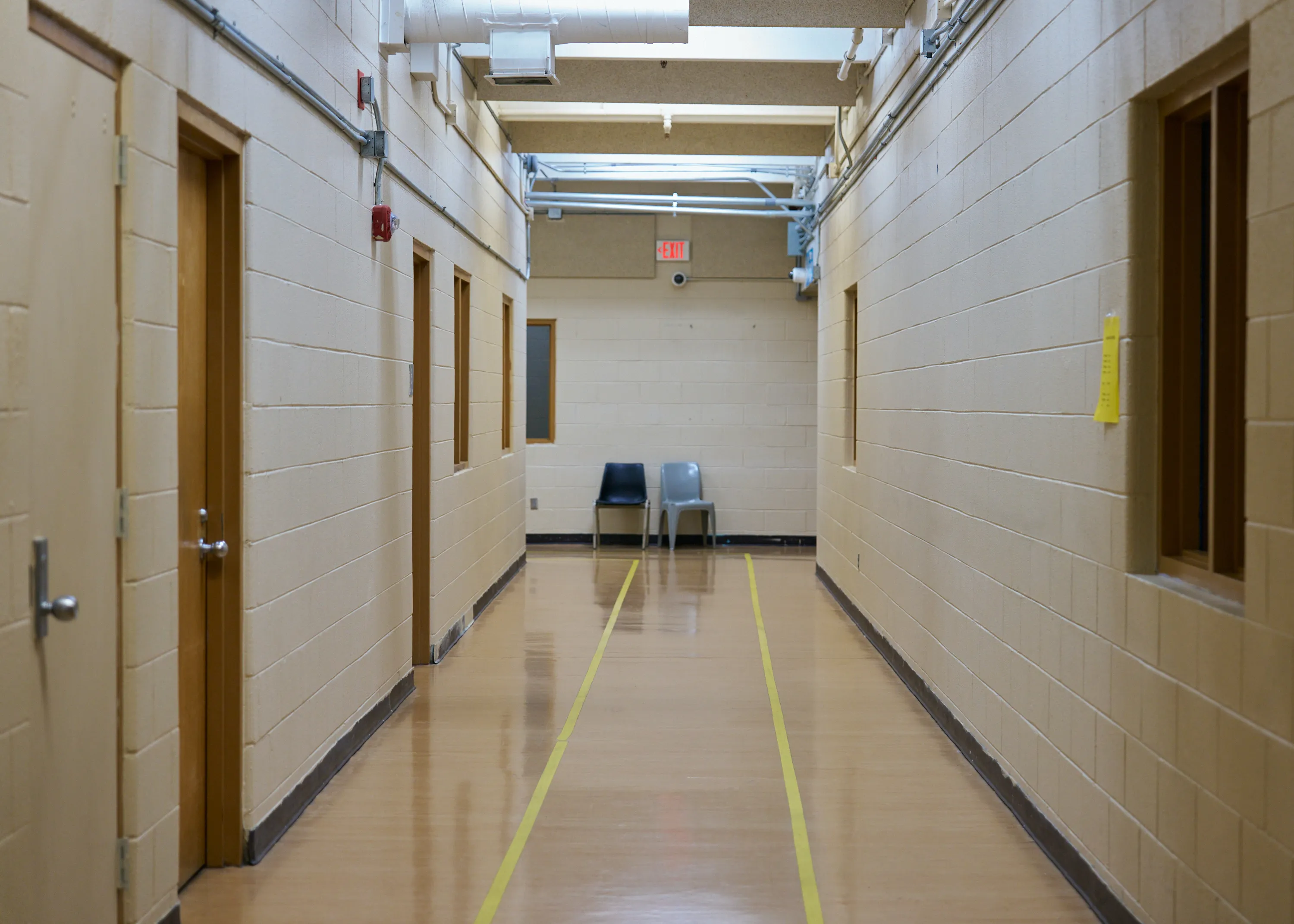
Four Democratic Tennessee state lawmakers have sent a letter to the Department of Children’s Services (DCS) demanding clarification on safety protocols and financial oversight within the state’s juvenile justice system. The correspondence references a recent joint investigation by WPLN and ProPublica, which found that facilities operated by businessman Jason Crews and his company, Wayne Halfway House, repeatedly failed to report abuse and other serious incidents to the state as required.
Wayne Halfway House currently operates all three of Tennessee’s highest-security youth prisons. The investigation involved interviews with dozens of former staff members and youth, alongside a review of emergency call logs, company records, and state documents. In the letter, the lawmakers stated that the allegations of unreported physical and sexual abuse, dangerous restraints, and injuries demand an urgent, transparent, and independently verifiable response from the department.
Wayne Halfway House has contested the findings. A spokesperson stated that the company continues to meet or exceed performance standards set by Tennessee, citing state audits. The company also noted that it has helped more than 200 youth earn a high school diploma or equivalent in the last three years. In emailed statements regarding the previous reporting, the company vehemently denied that Crews or his firm ever discouraged staff from reporting serious incidents, describing former employees who spoke to the news organisations as “untrustworthy sources” with a “clear bias” against the company.
The lawmakers have requested specific answers regarding the steps DCS is taking to address the allegations, the total state expenditure for placing youth in Wayne Halfway House facilities, and the identity of the operator being considered for new juvenile facilities. They also requested a meeting with DCS leadership to discuss legislative and administrative actions necessary to ensure child safety does not rely on abuse first becoming a news story. DCS confirmed it is investigating the incidents uncovered by the reporting but did not respond to a request for comment on the specific letter.
The current dispute occurs against a backdrop of significant state investment, with Tennessee planning to spend more than $400 million to build additional juvenile facilities. The lawmakers highlighted a cost disparity, noting that the expense of holding 31 youth at a Wayne Halfway House facility for a year is roughly equivalent to the cost of expanding grocery benefits for 700,000 school-aged children during the summer.
Previous legislative efforts to establish independent oversight have also faced obstacles. In 2024, State Sen. Heidi Campbell, who signed the current letter, pushed for independent oversight of juvenile justice facilities. However, the bill failed after a Wayne Halfway House lobbyist requested an exemption for privately run facilities, citing concerns about giving regulatory power to an outside agency without extensive consideration.