US strikes Iranian infrastructure for sixth night as Gulf states brace for escalation
Washington maintains it remains open to talks but insists on accountability for shipping attacks, even as Iran’s Revolutionary Guard claims retaliatory strikes on US bases in Bahrain and drones in Kuwait.
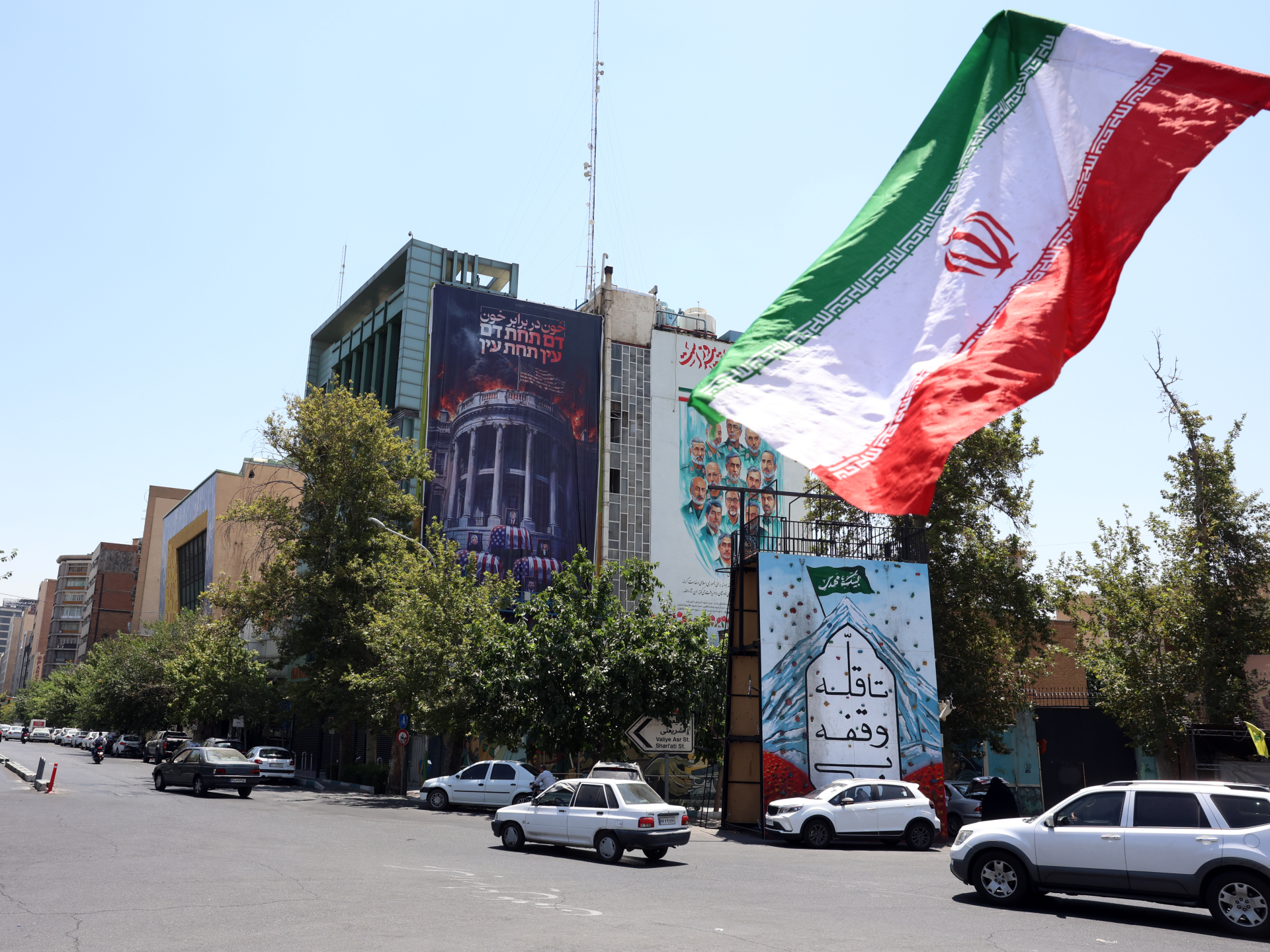
The United States has conducted its sixth consecutive night of military strikes against Iranian infrastructure, intensifying a week of spiralling hostilities that threaten to unravel an interim deal signed by both nations last month. US military operations commenced at 18:00 GMT on Thursday, targeting facilities across southern Iran, including Qeshm Island, Bandar Abbas, Chabahar, Iranshahr, and Bandar-e Khamir.
Iranian state media reported significant damage to critical infrastructure, with the Tasnim news agency confirming a missile strike on an airport in Iranshahr. Attacks also hit a communications tower in Bandar Abbas, resulting in widespread power outages, and a bridge in Bandar-e Khamir. These strikes follow explicit threats from US President Donald Trump earlier in the week to target Iranian power plants and bridges should negotiations not resume.
In retaliation, Iran’s Islamic Revolutionary Guard Corps (IRGC) claimed it had struck a US airbase in Bahrain, citing the attack as retribution for a US strike on a children’s cancer hospital in Ahvaz that forced the evacuation of patients. The IRGC also launched attacks involving 32 drones against Kuwait and Jordan. Kuwait’s army confirmed that these drone strikes caused material damage to vital facilities, underscoring the widening geographic scope of the conflict.
Regional security has tightened considerably, with Gulf states strengthening air defences and military preparedness around crucial infrastructure. Iranian Army spokesman Mohammad Akraminia warned that hostilities would expand to new areas if US attacks persist, while Iranian Brigadier General Ebrahim Zolfaghari had previously threatened a “crushing blow” on regional infrastructure in response to threats against Iranian power grids.
Diplomatic channels remain strained despite US assertions to the contrary. White House Press Secretary Karoline Leavitt stated that President Trump remains open to diplomacy but will hold Iran accountable for attacks on shipping in the Strait of Hormuz. Conversely, Iran’s Ministry of Foreign Affairs stated on Wednesday that Tehran has no plans to engage in talks with the US and is focused solely on defence. President Trump also declined to rule out the deployment of ground troops to Iran, signalling that the option remains on the table as the military situation deteriorates.