US intensifies strikes on Iran as diplomatic channels fracture over Strait of Hormuz
US Central Command states operations aim to degrade military capabilities and contest control of critical waterway, as conflicting reports emerge regarding the status of detained US citizen Dena Karari.
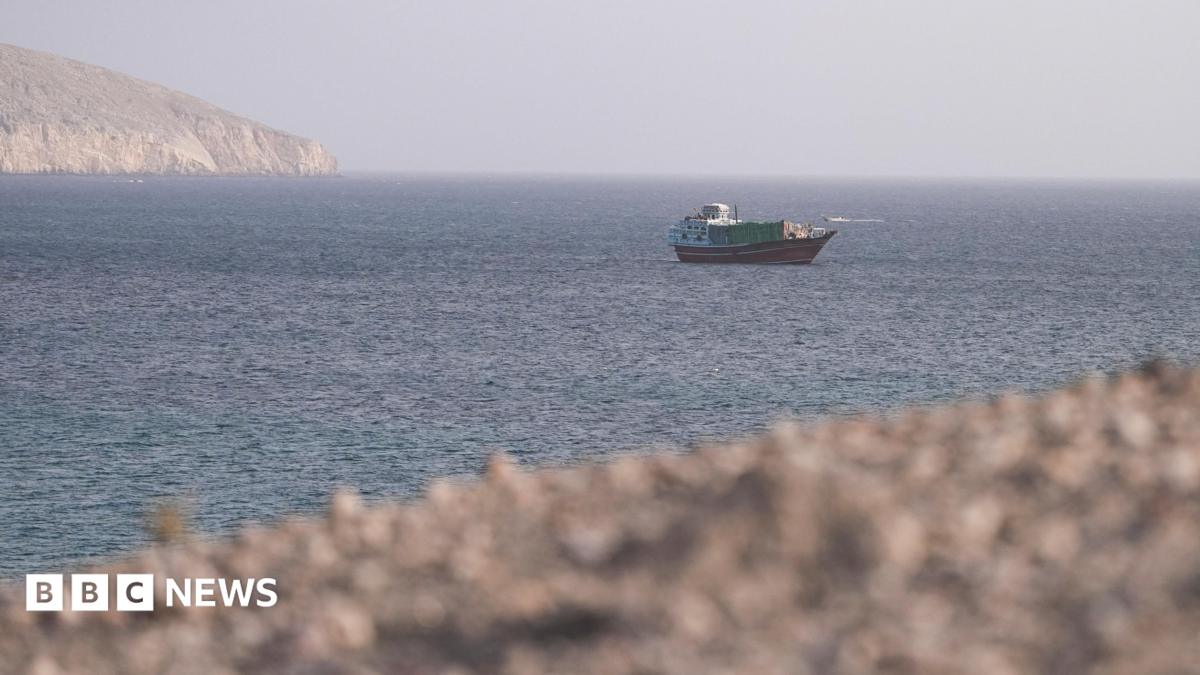
The United States military has launched a sixth consecutive night of strikes against Iranian infrastructure, intensifying hostilities that threaten to unravel a preliminary deal signed by both nations last month. US Central Command stated the operations, which commenced at 18:00 GMT on Thursday, were designed to further degrade Iranian military capabilities and contest control of the Strait of Hormuz following Iranian actions against regional shipping.
Attacks targeted facilities across southern Iran, including Qeshm Island, Bandar Abbas, Chabahar, Iranshahr, and Bandar-e Khamir. Iranian state media reported that US missiles struck close to the Gulf island of Qeshm and in Bushehr, the site of a nuclear power plant. The strikes follow an overnight exchange of fire, with Tehran claiming it had struck US military bases in Jordan, Kuwait, and Bahrain, while the US described a six-hour wave of strikes on multiple locations in the strait.
White House Press Secretary Karoline Leavitt indicated that President Donald Trump remains open to diplomacy but insisted the administration would hold Iran accountable for attacks on shipping. Leavitt told reporters that while Iran has expressed a desire to make a deal, the president would not allow ships to be fired upon in the strait without consequence. This stance contrasts sharply with Iran’s Ministry of Foreign Affairs, which stated on Wednesday that Tehran has no plans to engage in talks and is focused solely on defence.
Tensions are further complicated by conflicting reports regarding the release of US detainee Dena Karari. President Trump praised Iran for her release on Truth Social, describing it as a gesture of goodwill, while her attorney Jared Genser confirmed she was returning to the US. However, Iran’s judiciary denied on Thursday that any US prisoner had been released or exchanged, contradicting earlier claims by the White House.
Regional security has tightened considerably, with Gulf states strengthening air defences and military preparedness around crucial infrastructure. Iranian Army spokesman Mohammad Akraminia warned that hostilities would expand to new areas if US attacks persist, while top negotiator Mohammad Bagher Ghalibaf stated Tehran had no reason to abide by any agreement that did not benefit the country. The Strait of Hormuz, a critical waterway effectively blocked by Tehran in response to prior US-Israeli strikes, remains shut.