Former Italian highway chief sentenced to 12 years for bridge collapse
The former chief executive of the country’s primary highway infrastructure provider has been handed a 12-year prison term following a fatal bridge collapse, marking a significant development in the nation’s infrastructure governance.
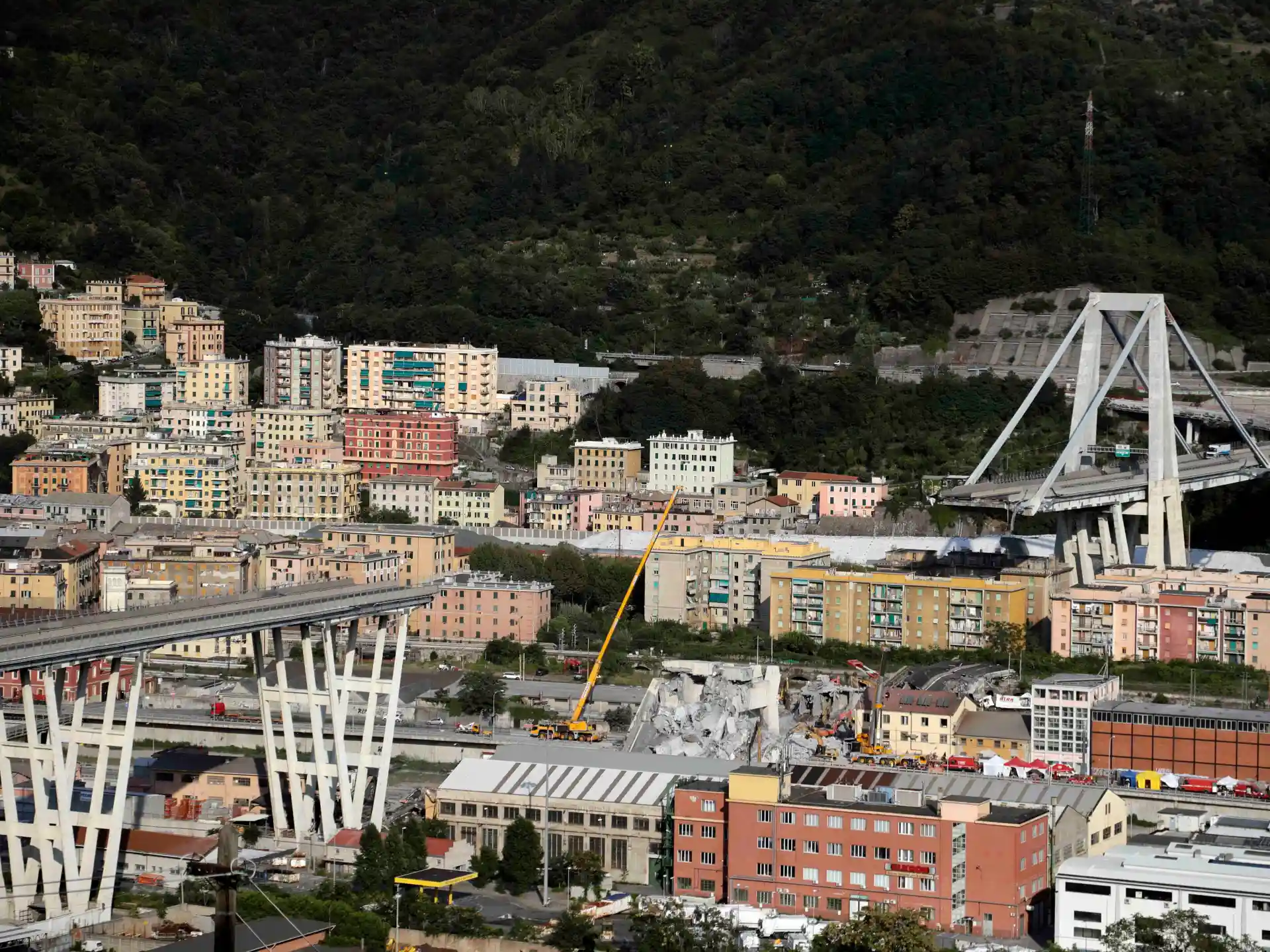
The former chief executive of Italy’s main highway operator has been sentenced to 12 years in prison in connection with a bridge collapse, according to reports from Al Jazeera Global News. The verdict represents a substantial legal consequence for the leadership of the entity responsible for managing the country’s primary motorway network.
The sentencing underscores the severity with which authorities are treating failures in critical infrastructure oversight. By imposing a decade-long prison term, the judicial process has moved beyond administrative penalties, signalling a shift towards personal accountability for executive decisions within the public works sector.
Italy’s highway infrastructure is managed by a central operator that oversees significant portions of the national motorway system. The collapse of a bridge under its jurisdiction has triggered this legal outcome, highlighting the intersection of engineering safety, corporate governance, and public safety.
The case has been categorised under both security and politics, reflecting the broader implications of the incident. Infrastructure failures of this magnitude often prompt reviews of regulatory frameworks and safety protocols, making the sentencing a pivotal moment for policy discussions surrounding public works in Italy.
While the specific identity of the former CEO and the precise location of the bridge were not detailed in the initial reporting, the confirmation of the 12-year sentence establishes a clear precedent. The ruling serves as a stark reminder of the legal risks associated with the management of large-scale public infrastructure projects.
The decision comes amid ongoing scrutiny of infrastructure safety standards across Europe. The sentencing of a top executive from the main highway operator suggests that Italian authorities are prioritising strict enforcement of safety regulations to prevent future tragedies.
This development may influence how infrastructure projects are monitored and managed in the future, with increased pressure on corporate leaders to ensure rigorous compliance with safety protocols. The case remains a focal point for discussions on governance and accountability in the public sector.