Texas Democrats Demand Probe Into Attorney General Ken Paxton Over Voting Registration
The Collin County Democratic Party has lodged a formal complaint with the Texas secretary of state, citing reports that Ken Paxton voted in the May primary runoff while registered at an address where he no longer lives.
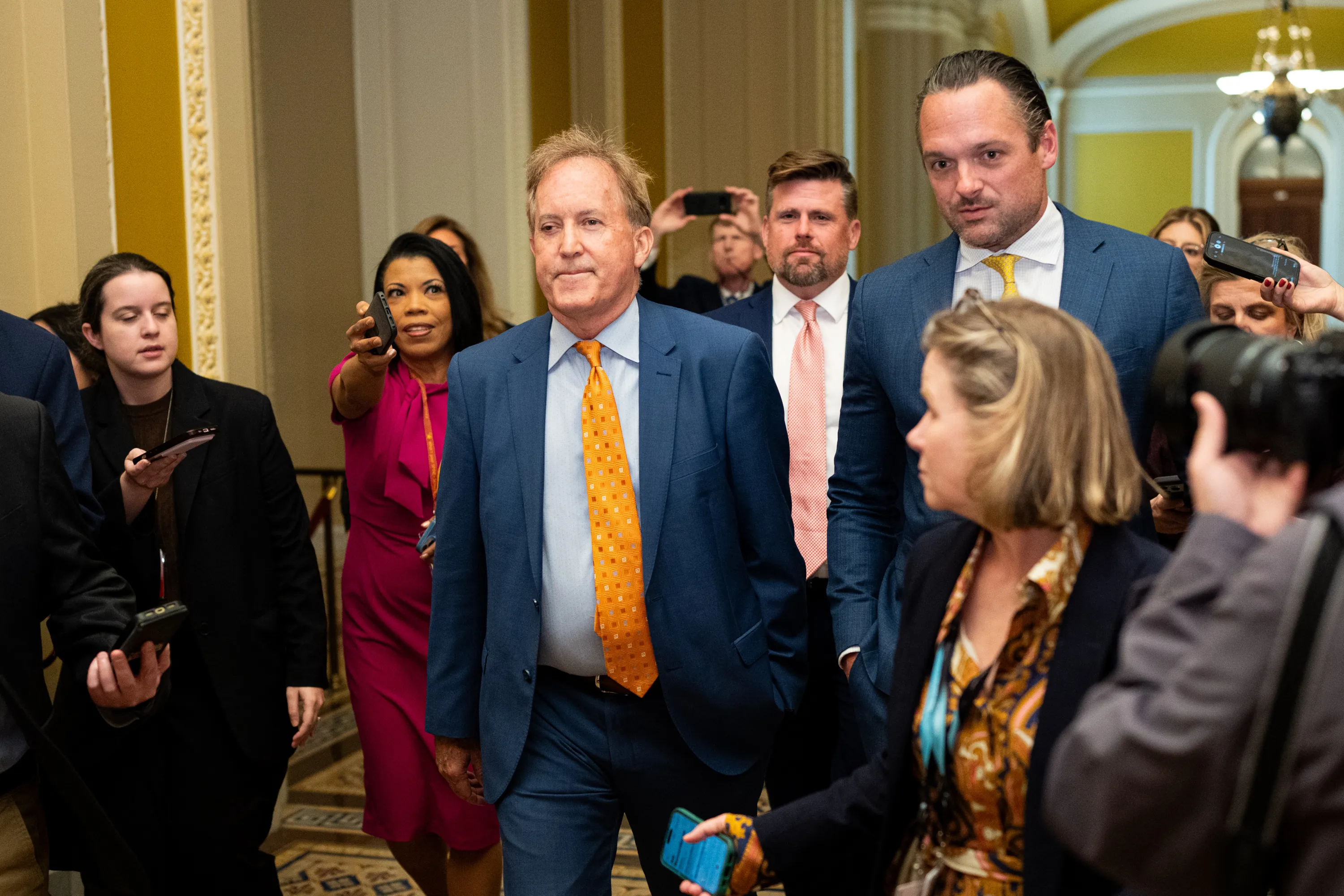
The Collin County Democratic Party has filed a complaint with the Texas secretary of state, urging an investigation into Attorney General Ken Paxton for alleged election fraud. The complaint alleges that Paxton violated state election law by voting in the May primary runoff while registered at a Collin County address where he no longer resides. ProPublica and The Texas Tribune reported that Paxton moved out of the home in June 2024 but continued to vote there. Election experts suggest the case presents a conflict of interest, as the secretary of state is required to refer complaints with reasonable cause to the attorney general, who is the subject of the allegations.
Mary Higbe, vice chair of the Collin County Democratic Party, highlighted the discrepancy in the complaint, noting that Paxton’s office warned voters in February that it is illegal to misrepresent residence on election records. “For someone who’s made a stand against voter fraud, it’s unconscionable (yet not surprising) that Paxton engages in this behavior,” Higbe wrote. She added that she expects Paxton to be held to the same standards he wishes to impose on others.
ProPublica and The Texas Tribune reported last week that Paxton has voted six times in the past two years while registered at an address in Collin County where he previously lived with his wife, state Sen. Angela Paxton. Paxton moved out of the Collin County home in June 2024 and has not returned, according to a divorce filing by his wife and a source close to the Paxton family. It is unclear where Paxton has lived for the past two years, but reporting by ProPublica and the Tribune has linked him to a home in neighbouring Denton County since February.
Three election officials told ProPublica and the Tribune that Paxton may have broken state election law, which requires voters to be registered where they live. Voters may temporarily cast ballots using an address where they do not reside, so long as they intend to return. The experts said it is unclear whether Paxton could make such an argument given his ongoing public and contentious divorce.
Under the current system, the secretary of state conducts an “initial review and, if appropriate, refers it to the Office of the Attorney General,” said Alicia Pierce, spokesperson for Secretary of State Jane Nelson. Pierce did not respond to a question about whether the office would handle a complaint against Paxton differently. She instead pointed to the state law that requires the secretary of state to “promptly” refer complaints to the attorney general if “there is reasonable cause to suspect that criminal conduct occurred.”
Paxton’s situation seems to meet that threshold, and the attorney general should seek outside help, given the conflict of interest in investigating himself, said San Antonio election lawyer Joaquin Gonzalez. “The ethical and sort of best practice would be for the attorney general’s office to hire an independent special investigator to look into the complaint,” Gonzalez said.
Paxton did not answer questions from the newsrooms in early July about his voter registration and residency. Neither he nor the attorney general’s office responded to questions about the complaint or how they would handle the case should the secretary of state refer it to his office. Paxton campaign spokesperson Madison Cercy sent the newsrooms a broad statement unrelated to Paxton’s voter registration that accused the “political elite” and reporters of digging through the attorney general’s private life to “draw the most damning conclusion.”