US Senators Challenge Trump Administration’s Health Data Demands for African Aid
Eight Democratic senators have written to Secretary of State Marco Rubio questioning the conditions attached to $1.7 billion in aid for Uganda, arguing the data-sharing requirements set an “alarming precedent” that contradicts US privacy policies.
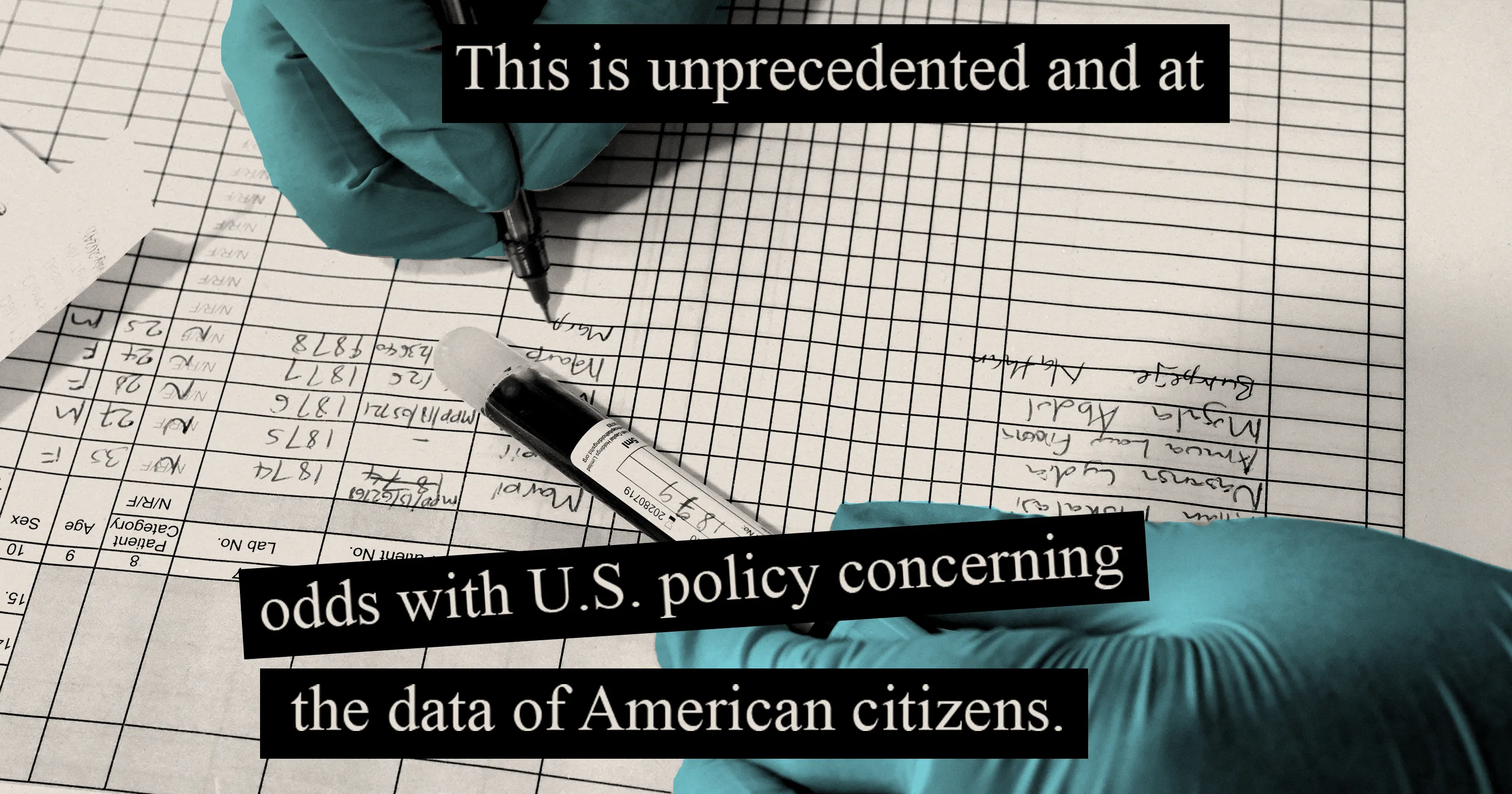
Eight Democratic US senators, led by Raphael Warnock, have formally criticised the Trump administration’s requirement that African nations provide direct access to their health data systems as a condition for receiving lifesaving aid. In a letter sent last week to Secretary of State Marco Rubio, the lawmakers argued that the demands set an “alarming precedent” that contradicts US privacy policies and could potentially harm American citizens.
The inquiry, which cites reporting by ProPublica, focuses on agreements including a $1.7 billion deal with Uganda for HIV, tuberculosis, and malaria treatment. The senators requested a briefing and written responses by the end of August, questioning why the State Department has not made the health care agreements public as federal law requires. They also asked if any data will be shared with US-based third parties for commercial purposes, including to train artificial intelligence models.
Experts told ProPublica that the deals are vague and lack language to adequately limit information collection and usage. The Ugandan agreement, for instance, demands logins or secure access mechanisms for US government representatives and contractors to directly enter Uganda’s health data systems. This marks a departure from previous practices where programs like PEPFAR built separate systems for anonymised data, distinct from foreign government records.
The State Department defended the agreements, stating that only aggregated, de-identified data is shared and no personally identifiable information is accessed. A spokesperson said no country has been coerced to sign the agreements and that all data sharing is consistent with each country’s laws. However, the department declined to answer specific questions about the senators’ letter, stating it does not respond to questions about congressional correspondence.
The shift in approach is part of the America First Global Health Strategy, intended to make America “more prosperous” and “promote American health innovations.” The effort to establish these new aid arrangements was led by Brad Smith, an entrepreneur who founded three healthcare companies. Secretary of State Rubio explained in September that aid will be given in a way that directly benefits the American people and promotes national interest.
The senators, including Chuck Schumer, Tim Kaine, Chris Van Hollen, Brian Schatz, Amy Klobuchar, Christopher Coons, and Jeff Merkley, noted that the demands appear to be at odds with the Trump administration’s National Cyber Strategy. They raised concerns about what privacy rights foreign citizens will have over data transferred to the US and how those rights will be enforced in the event of a data breach.
Privacy experts warn that mishandling health data could have serious consequences, including discrimination and violence in regions where such information is sensitive. The agreements reviewed by ProPublica provide no guarantee that Africans subject to them will have a say in how their data is used or whether they would receive any potential financial benefits.