Disability voucher families face barriers to private-school access, ProPublica reports
Families in several US states say private schools often cannot support children’s medical, behavioural or learning needs, limiting the choice promised by voucher programmes.
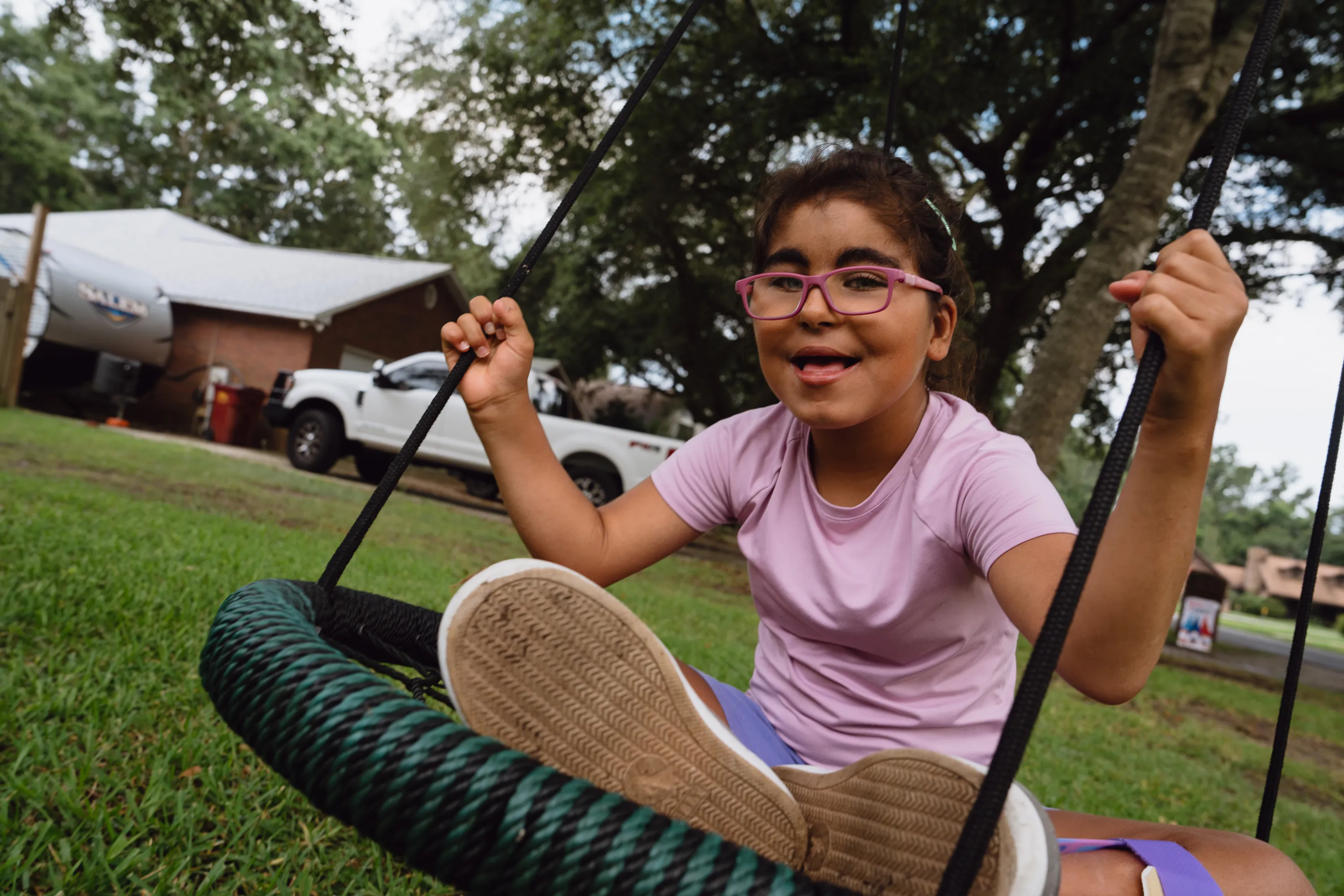
Private-school voucher programmes promoted as an option for students with disabilities often fail to provide access to suitable schools, according to an investigation by ProPublica.
Families in Florida, Louisiana, Georgia and Utah told ProPublica they struggled to find schools equipped to provide nursing care, specialist teaching, transport, behavioural support or suitable facilities. Some students have benefited from disability voucher programmes, but private schools generally have fewer legal obligations than public schools to enrol and support students with disabilities.
In Florida, about 8 per cent of the $1.7 billion distributed last year through the state’s voucher programme for students with disabilities was returned because recipients remained in public school, according to data from the nonprofit that distributes most of the funds. The comparable rate in the programme open to all students was 1 per cent.
Louisiana state data showed that 30 per cent of funds in its disability programme were returned because families did not spend the money, compared with 6 per cent across the broader programme. ProPublica cautioned that families return funds for multiple reasons, and the data does not establish that school rejection caused every return.
ProPublica found that more than half of Florida’s private schools said they did not serve students with any disability. It also reported that more than half of Utah’s counties and 71 per cent of Georgia’s counties had no private schools accepting vouchers for students with disabilities, while just 14 of about 350 private schools in Louisiana reported enrolling a student with a disability last year.
Disability-specific voucher programmes began in Florida in 1999 and later spread to other states. At least 18 states now have universal-eligibility voucher-style programmes or are phasing them in. The investigation found that lawmakers have expanded these programmes without generally requiring participating private schools to enrol students with disabilities or creating effective incentives for more specialised schools.