Questions persist over FBI handling of Saudi suspect in 9/11 investigation
Newly disclosed records and former investigators’ accounts have renewed scrutiny of how the FBI handled evidence concerning Omar al-Bayoumi.
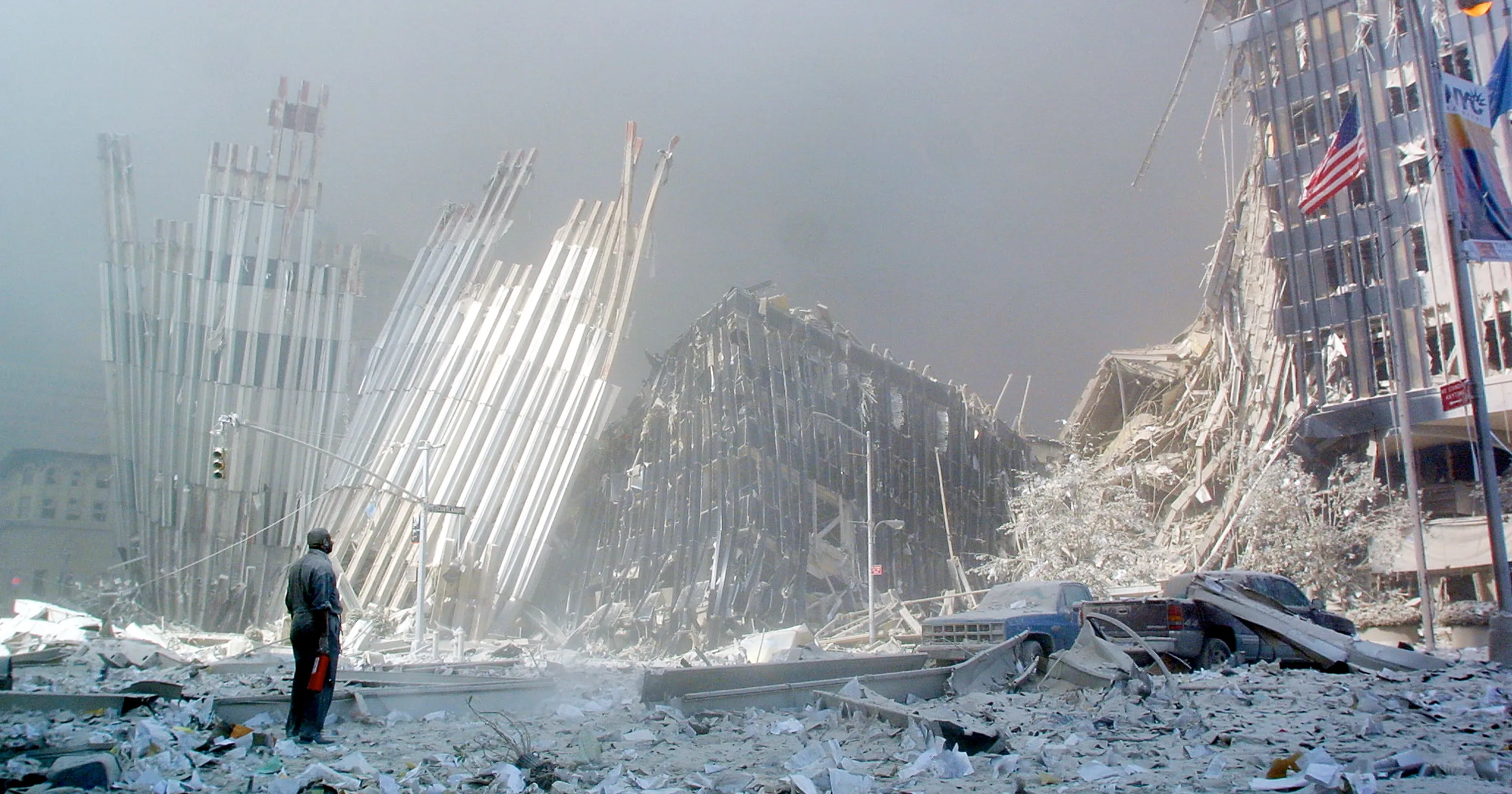
Questions about the FBI’s investigation of Saudi national Omar al-Bayoumi have intensified as victims’ families seek an explanation from the Justice Department about evidence gathered after the 11 September 2001 attacks.
Bayoumi helped hijackers Nawaf al-Hazmi and Khalid al-Mihdhar find accommodation, establish a bank account and meet people in San Diego. British police arrested him shortly after the attacks at the FBI’s request, but questioned and released him. He later returned to Saudi Arabia.
A ProPublica examination of FBI records and interviews with former investigators indicates that material seized from Bayoumi’s home and office in Britain was not widely shared with field agents. The material included papers, photographs, computer disks, videotapes and an address book. It remains unclear how FBI headquarters translated, analysed and distributed it.
One FBI memorandum said San Diego agents were asked to review only five of more than 80 videotapes seized from Bayoumi. The significance of a separate video showing him at the US Capitol is disputed: some terrorism experts have interpreted it as possible reconnaissance, while Saudi government lawyers described it as a tourist recording.
Earlier FBI and 9/11 Commission assessments characterised Bayoumi’s meeting with the hijackers as coincidental and his assistance as unwitting. Later accounts from former Operation Encore investigators said FBI headquarters resisted or limited further examination of possible Saudi links. The inquiry was disbanded in 2016.
FBI memorandums made public in 2022 indicated Bayoumi received a monthly stipend as a part-time Saudi intelligence co-optee. The documents have not established the full extent of his relationship with Saudi intelligence or shown that he knowingly supported the 9/11 plot. Saudi Arabia denies involvement in the attacks.