US President Trump asserts ceasefire with Iran remains in force despite Strait of Hormuz hostilities
Washington maintains the truce is active even as mutual accusations of violation mount over recent exchanges of fire in the region.
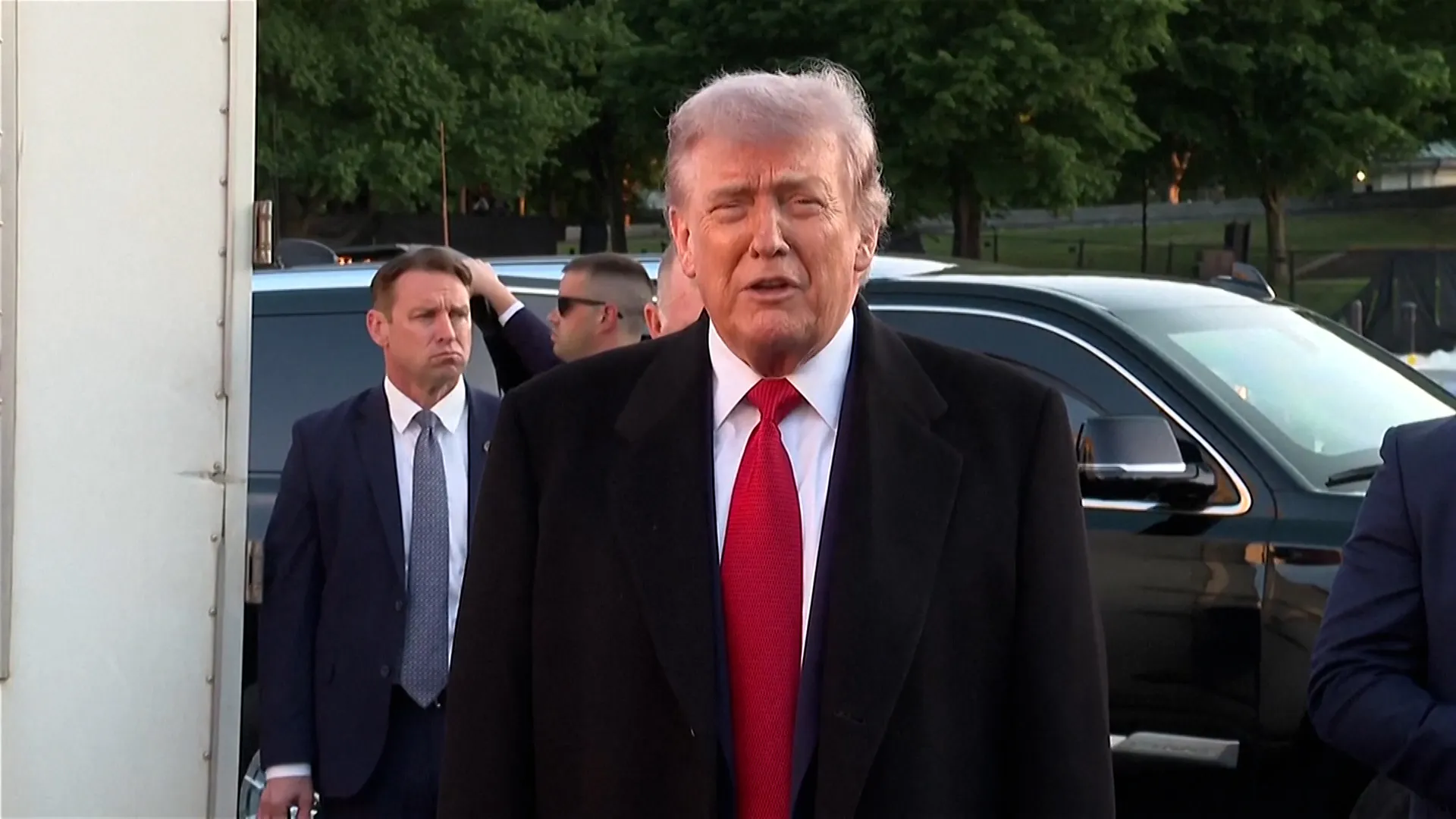
President Donald Trump has declared that the ceasefire agreement between the United States and Iran remains in effect, a position maintained despite ongoing clashes in the Strait of Hormuz. The assertion comes as tensions continue to escalate in the region, with the fragile truce originally established on 8 April facing severe strain.
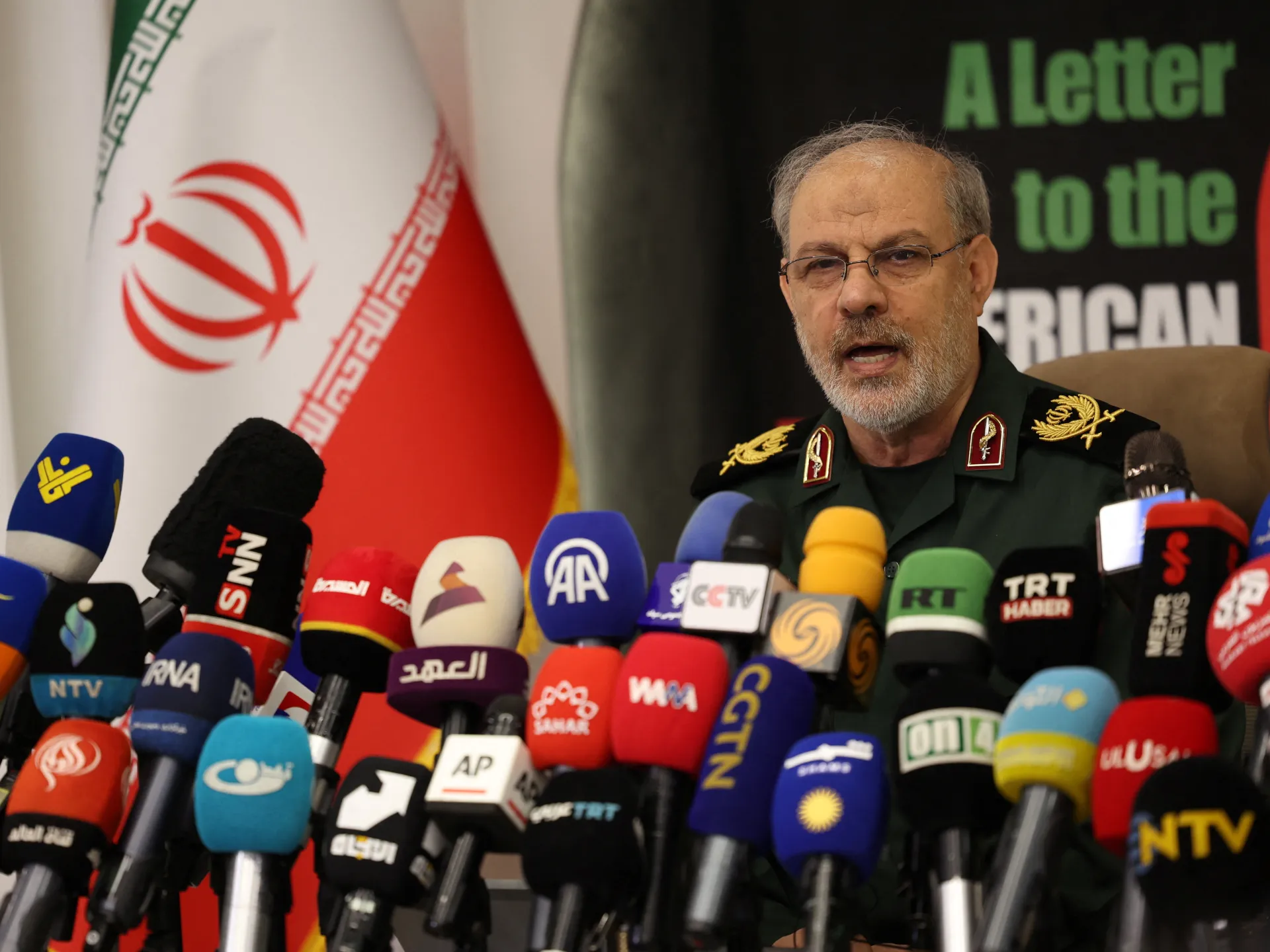
While the White House insists the agreement stands, the situation on the ground is marked by conflicting narratives regarding the recent engagement. Iran has formally accused the United States of breaching the ceasefire, citing specific incidents of military attacks. Conversely, the US administration maintains that the truce is active, leading to a diplomatic impasse where both nations offer contradictory accounts of who initiated the late-night exchange of fire.
In a direct address regarding the volatility, President Trump characterised the recent events as Iran trifling with the United States. He noted that the US had destroyed multiple small boats during the incident, a detail that underscores the severity of the confrontation in the waterway. The President used the platform to highlight what he views as Tehran's disregard for the established terms of the peace deal.
Beyond describing the current friction, the administration has issued an explicit warning to Tehran regarding the consequences of inaction. President Trump stated that if a formal peace agreement is not signed quickly, future retaliation will be significantly harder and more violent. This rhetorical threat serves as a diplomatic ultimatum, suggesting that the current status quo is unsustainable without a renewed commitment from Iran.
The ambiguity surrounding the definition of the ceasefire being "in effect" while active hostilities occur creates a complex policy environment. The administration's stance treats the current engagements as a grey-zone dispute rather than a technical violation, a perspective that directly contradicts Iran's formal accusation of a breach. This divergence in interpretation highlights the deepening rift between the two capitals.
As the situation develops, the focus remains on the urgency of securing a formalised agreement to prevent further escalation. The US President's call for a swift resolution stands in contrast to the reality of continued military friction, leaving the precise scope and nature of the clashes contested by both sides.