Strait of Hormuz Clashes Test Ceasefire Stability as Energy Markets React
Global oil benchmarks peak before settling as Asian equities decline following mutual accusations of ceasefire breaches
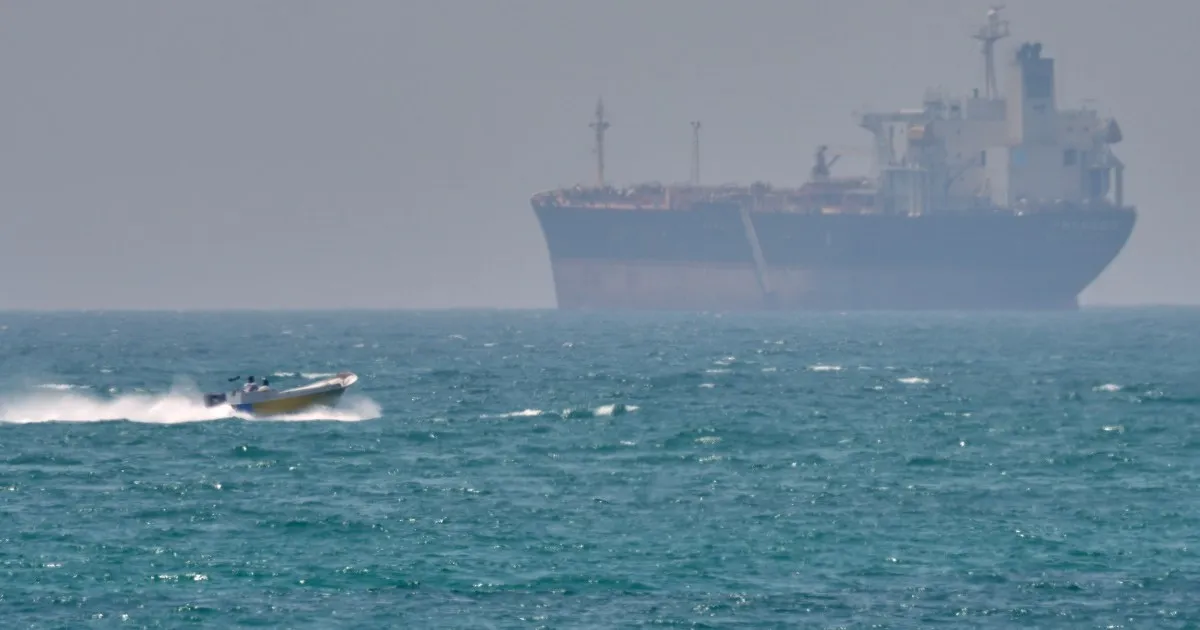
Brent crude futures surged by up to 7.5 per cent following an exchange of fire between the United States and Iran in the Strait of Hormuz, marking a significant test of the ceasefire formally announced on 7 April. The international benchmark price for the oil stood at $101.12 per barrel as of 03:00 GMT, down from the day's high of $103.70, reflecting the volatility inherent in the region's critical energy conduit.
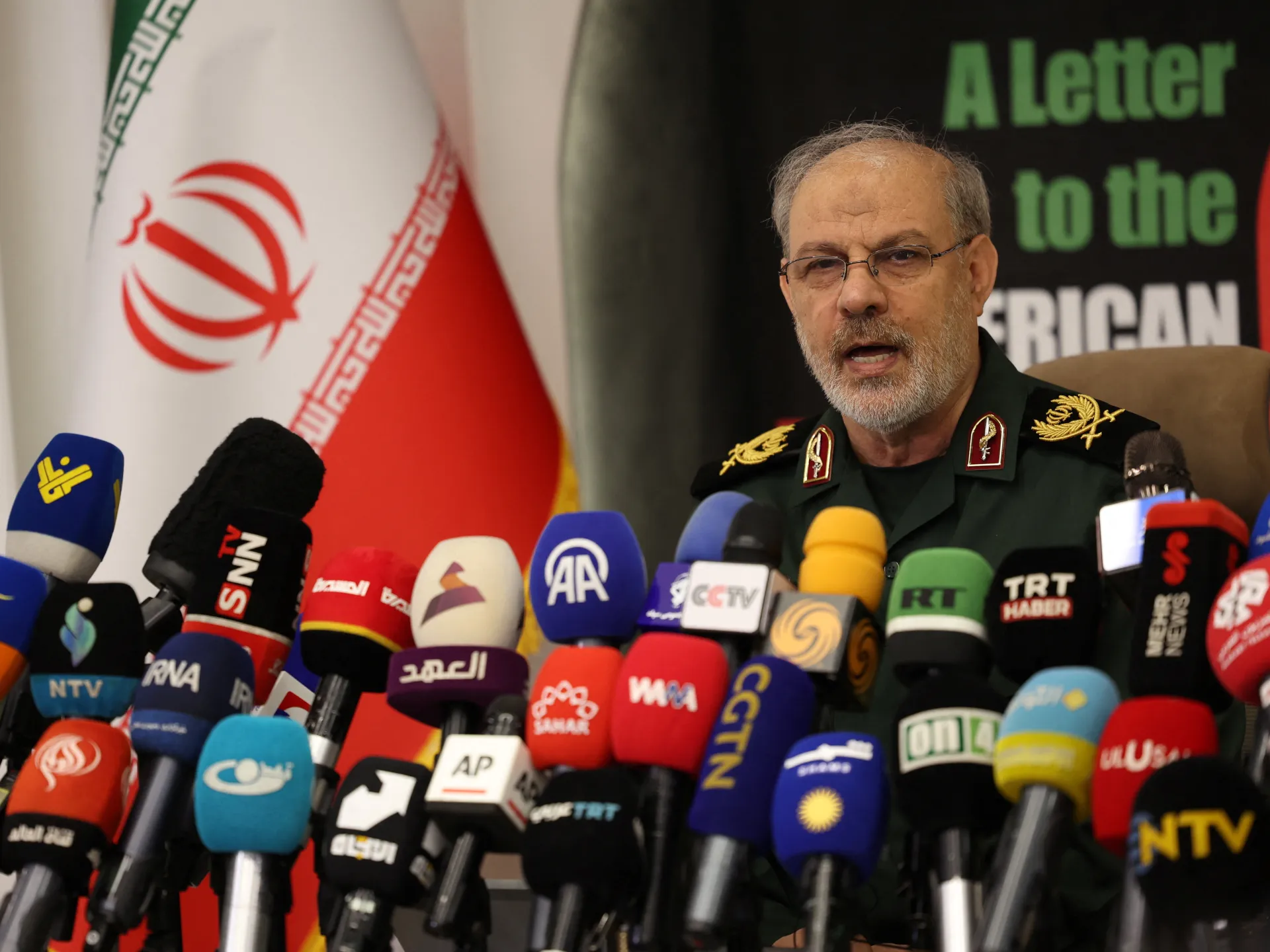
US Central Command stated it launched retaliatory strikes after three US Navy guided-missile destroyers were attacked by Iranian missiles, drones, and small boats. In contrast, Iran's Khatam al-Anbiya Central Headquarters accused the United States of violating the truce by attacking an Iranian oil tanker and targeting civilian areas, including Qeshm Island. These conflicting accounts have deepened the uncertainty surrounding the stability of the peace agreement.
The incident occurred against a backdrop of heightened regional tension, with shipping in the strait having been at a near standstill since late February due to threats against massive oil tankers. Prior to these specific clashes, Brent prices were already elevated by approximately 40 per cent compared to pre-war levels, driven by an estimated daily production shortfall of 14.5 million barrels.
US President Donald Trump publicly downplayed the severity of the engagement, asserting that the ceasefire remains in effect. Meanwhile, Iran's state-run Press TV claimed the situation had returned to normal despite the serious accusations of truce violations. This divergence in official narratives highlights the fragile nature of the current diplomatic arrangement.
Financial markets reacted swiftly to the escalation, with Asian stock markets opening lower on Friday. Japan's Nikkei 225, South Korea's KOSPI, and Hong Kong's Hang Seng Index each fell more than 1 per cent, while the S&P 500 dropped 0.4 per cent overnight after hitting an all-time high the previous day.
The Strait of Hormuz continues to serve as a vital artery for global commerce, transporting approximately one-fifth of the world's oil and natural gas supplies. As both nations issue statements defending their respective actions, the focus remains on whether the ceasefire can withstand further military friction in this strategically sensitive location.