US President reaffirms backing for Pakistan as Iran mediator despite internal Republican dissent
President Donald Trump has reasserted his support for Prime Minister Shehbaz Sharif and Army Chief Asim Munir to facilitate US-Iran talks, overriding concerns raised by a senior ally regarding alleged Iranian military presence in Pakistan.
President Donald Trump has reasserted his full backing for Pakistan to serve as a mediator in ongoing diplomacy between the United States and Iran. In remarks made on Tuesday, the President explicitly stated he is not reconsidering Islamabad's role, describing Prime Minister Shehbaz Sharif and Army Chief Asim Munir as absolutely great for their part in negotiating a fragile ceasefire that came into effect last month. This public endorsement highlights the administration's continued reliance on Pakistani leadership to revive stalled diplomatic channels following the April 8 agreement.
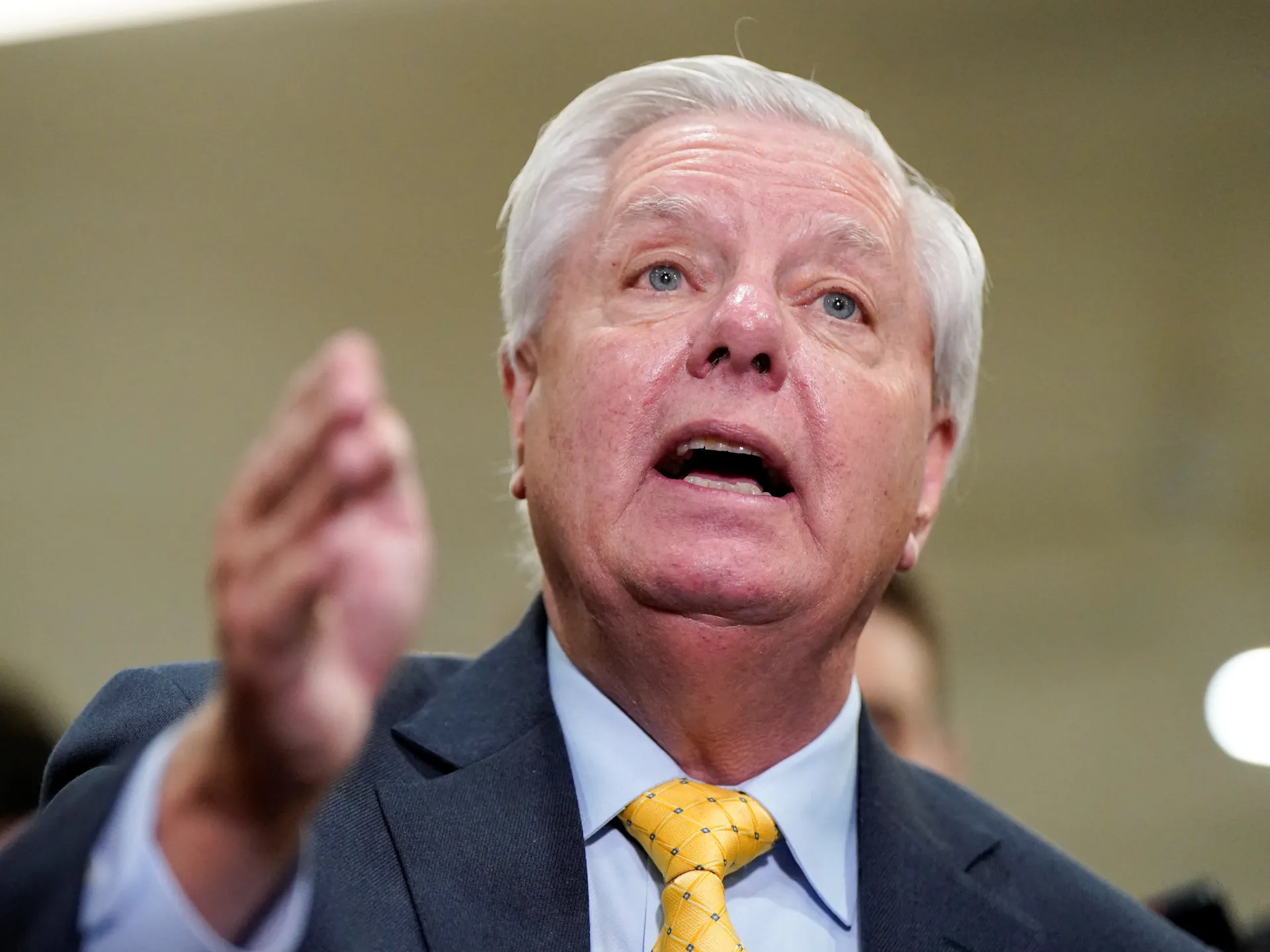
The President's stance comes in direct contrast to strong criticism voiced by Senator Lindsey Graham, a prominent figure within Trump's circle and a vocal proponent of the war with Iran. Graham expressed deep distrust of Pakistan's neutrality, arguing that the country's suitability as a mediator is compromised by reports suggesting it allows Iranian military assets to utilise its airfields. The Senator contends that if such allegations are confirmed, the nation cannot facilitate fair negotiations and suggested the United States should seek an alternative mediator.
The disagreement emerged during a briefing where Graham pressed Pentagon Chief Pete Hegseth and General Dan Caine regarding a CBS News report alleging that Iran parks military aircraft on Pakistani soil to shield them from US and Israeli attacks. While Pentagon officials declined to comment on the veracity of the report, citing the sensitive nature of the ongoing talks, Graham seized the opportunity to interrupt the defence secretary. He emphasised his lack of trust in Pakistan, noting that allowing Iranian assets to operate from its bases would indicate a fundamental conflict of interest in any mediation process.
Contextual background reveals that Pakistan has been actively pushing to revive diplomacy between Tehran and Washington since the ceasefire took effect. However, the diplomatic pathway remains fraught with challenges. Earlier in the month, President Trump rejected Tehran's latest proposal to end the war as unacceptable. Furthermore, a planned envoy trip to Pakistan was cancelled after Iran demanded the lifting of a naval blockade against its ports as a condition for resuming discussions.
Graham's position reflects his broader foreign policy stance, which includes repeated calls for regime change in Iran and caution against making concessions to Tehran. His influence in the administration is significant, evidenced by his previous actions such as handing the President a "Make Iran Great Again" hat before the conflict resumed in late February. Despite these internal divisions, the White House has maintained a firm line on the importance of the Pakistani leadership's involvement in the fragile peace process.
The diplomatic dispute occurs against a backdrop of heightened security scrutiny in Washington. Investigators confirmed on Sunday that the gunman who breached security at a White House dinner intended to assassinate President Trump and several top officials. While this incident has increased security measures, it remains unrelated to the diplomatic tensions regarding Pakistan's role in the Iran negotiations.