French President Macron Urges Dialogue with Rwanda and DRC Amid US Pressure
In an exclusive interview released on 12 May 2026, the French leader argues that American-driven sanctions will not yield a cooperative policy from Kigali.
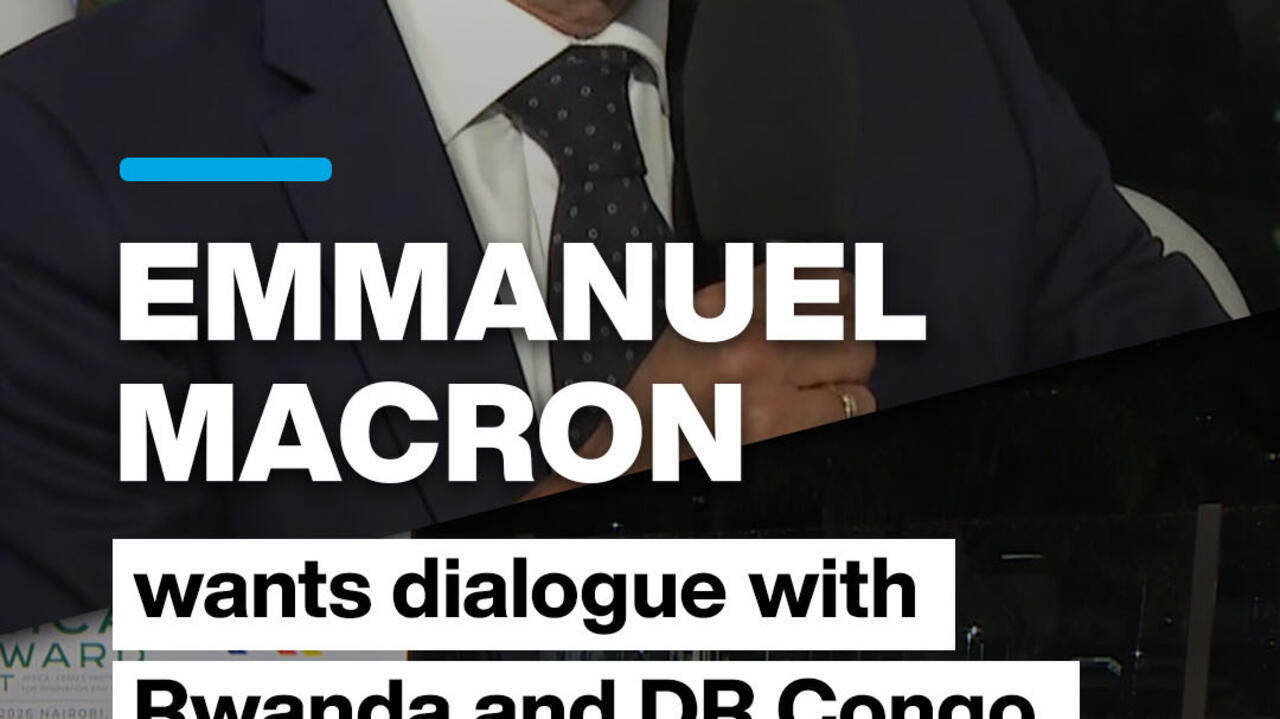
French President Emmanuel Macron has publicly called for renewed diplomatic engagement with both Rwanda and the Democratic Republic of the Congo. Speaking in an exclusive interview conducted on 12 May 2026 with FRANCE 24, RFI, and TV5Monde, the President warned that a rush to isolate Rwanda, driven largely by American pressure, would significantly reduce the likelihood of persuading the nation to adopt a cooperative policy.
Macron stated that if everyone is rushing to isolate Rwanda simply because the Americans have done so, there is little chance of persuading Rwanda to adopt a cooperative policy. This remark highlights a growing diplomatic friction point between Paris and Washington regarding the approach to regional stability in Central and East Africa. The President appears to be advocating for a multi-polar approach, resisting what he perceives as unilateral US pressure that could destabilise existing partnerships.
While the specific terms of the desired cooperative policy from Rwanda remain undetailed in the available source material, Macron's stance suggests a preference for dialogue over exclusion. The interview indicates that France advocates for engagement rather than unilateral exclusion, positioning itself against what it perceives as destabilising US-led initiatives in the region. This approach underscores the complex geopolitical context where these nations are central to regional security dynamics, often involving issues regarding mineral resources and international aid.
The timing of the statement, issued on 12 May 2026, suggests a direct response to recent diplomatic shifts or US-led initiatives regarding Rwanda. Although the source text does not provide details on the specific actions or sanctions the US has taken that Macron is reacting to, the President's comments clearly frame the current situation as a contest between isolationist measures and continued diplomatic outreach.
It remains unclear how much leverage France holds to counteract the reported US position or how Rwanda might respond to Macron's overture given the reported US stance. The extent of France's influence to alter the course of events is not explicitly defined in the current information, leaving the practical implications of this diplomatic warning open to interpretation.
Ultimately, Macron's call for dialogue with both Rwanda and the DRC reflects a broader foreign policy strategy aimed at maintaining influence in a volatile region. By emphasising the risks of isolationism, the French President seeks to recalibrate the international response to ensure that policy outcomes remain achievable through negotiation rather than coercion.