US President departs for Beijing summit amid conflicting signals on Iran and trade
Donald Trump's visit to China marks the first face-to-face exchange since October 2025, with officials emphasising business deals despite mixed messaging on the US-Iran conflict
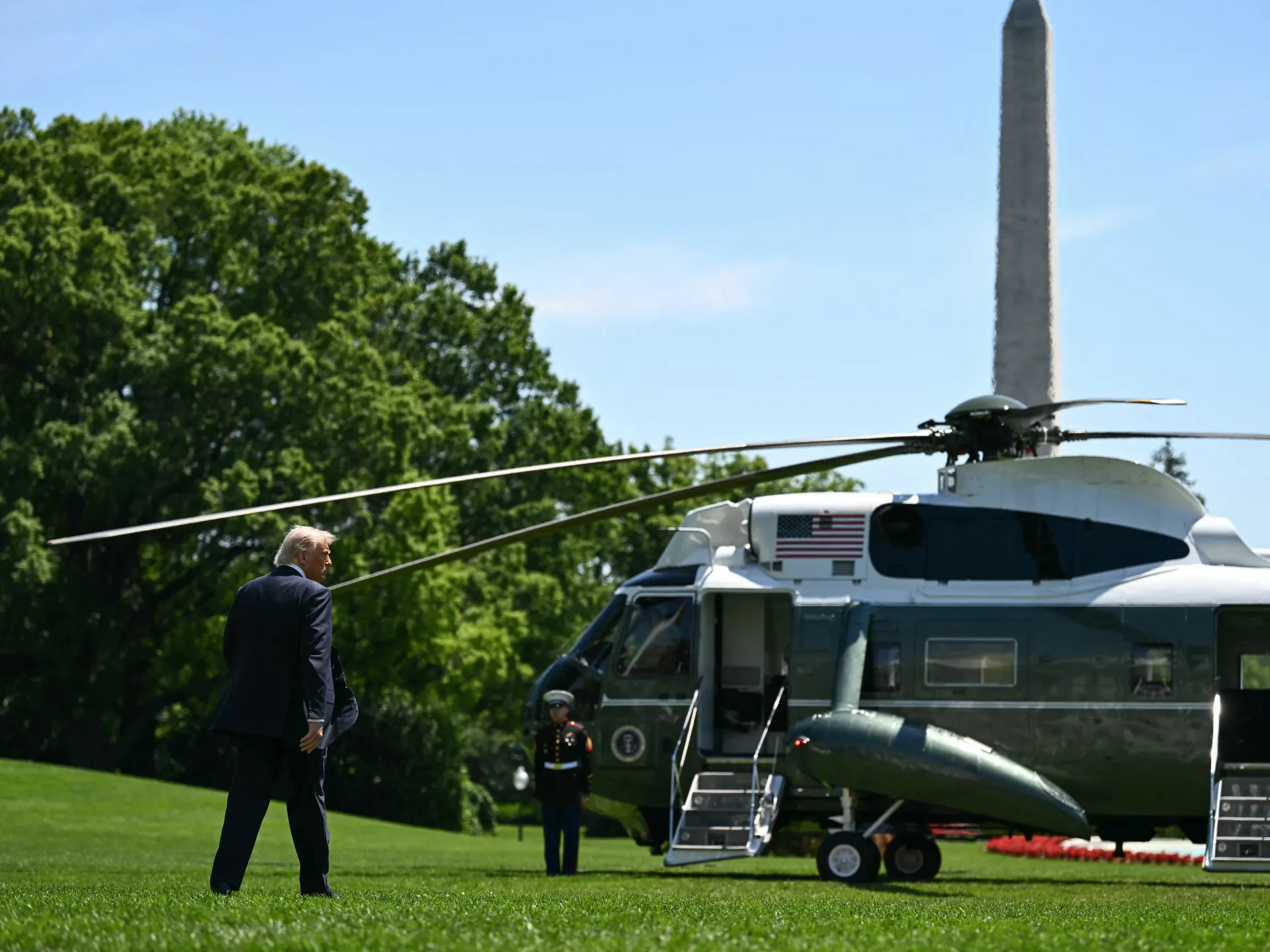
President Donald Trump has departed the White House for Beijing to meet with Chinese President Xi Jinping, marking the first in-person exchange between the two leaders since October 2025. The scheduled summit, running from 13 to 15 May, aims to stabilise relations between the world's two largest economies following a fragile truce established at the APEC summit in Busan, South Korea. While US officials have emphasised trade and business agreements as the primary agenda, President Trump delivered contradictory messages regarding the ongoing US-Iran conflict, stating it would be discussed while simultaneously claiming Iran is under control and does not require assistance.
The administration has taken pains to downplay the prominence of the US-Israel war on Iran during the upcoming talks, despite Beijing making its opposition to the conflict clear. Secretary of State Marco Rubio and Treasury Secretary Scott Bessent have intensified calls for China to utilise its influence to help reopen the Strait of Hormuz, a critical waterway through which approximately 20 per cent of the world's oil supply flows. However, President Trump told reporters shortly before boarding Marine One that he would not say Iran was one of the main topics, asserting that the United States has Iran very much under control and does not need help to win the conflict peacefully or otherwise.
Beyond security concerns, the visit is heavily focused on commercial outcomes, with President Trump seeking a series of business deals to avoid a return to the high-tariff environment of his first term. To facilitate these agreements, the President invited prominent US business leaders to accompany him on the trip, including Tesla CEO Elon Musk and Apple CEO Tim Cook. Both sides are expected to work to prevent a resurgence of the trade war that previously saw tariffs on Chinese goods reach 145 per cent, a period that coincided with China's tightening of rare-earth export controls.
Tensions remain high regarding China's continued support for Iran's ballistic and nuclear programmes, which poses a risk to the stability of the bilateral relationship. Last month, the President threatened to impose a 50 per cent tariff on China following reports that Beijing was preparing to deliver air defence systems to Iran, though he later withdrew the threat after receiving alleged assurances from President Xi. Subsequently, the US Navy intercepted a Chinese vessel carrying supplies for Iran, though neither side provided further details regarding the incident.
President Xi Jinping is expected to raise concerns about US arms sales to Taiwan during the discussions, a contentious issue given China's claim of sovereignty over the self-governing island. The upcoming meetings represent a significant opportunity to address these regional flashpoints and extend the trade truce agreed upon last October. While the White House emphasises the commercial nature of the visit, the underlying diplomatic friction suggests that the summit will require careful navigation of complex security and economic interests.