US phone customers subsidise internet for empty buildings on deserted Alaskan island
Residents of Adak Island rely on Starlink satellite service while local telecom Adak Eagle receives federal Universal Service Fund payments for hundreds of unoccupied structures.
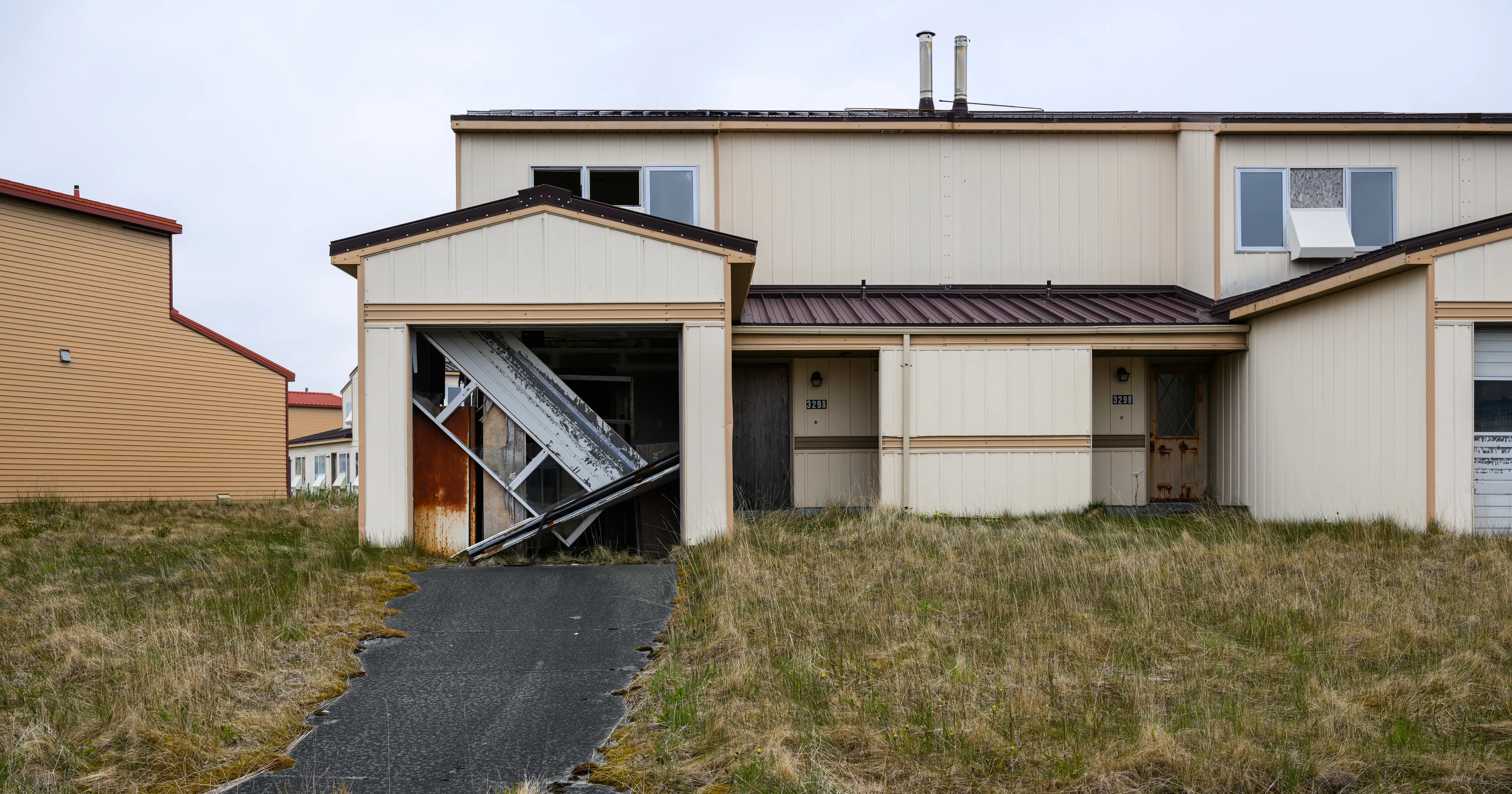
An investigation by ProPublica and the Anchorage Daily News has found that US phone customers contribute more than $340,000 annually via Federal Communications Commission subsidies to maintain internet connections for hundreds of empty buildings on Adak Island, Alaska. The local provider, Adak Eagle, continues to receive these Universal Service Fund payments despite the island’s population being approximately 24 residents, none of whom use the subsidised service.
On-the-ground reporting conducted in June confirmed that not a single resident subscribes to Adak Eagle’s subsidised internet. Residents have largely abandoned the fibre-optic service in favour of Starlink satellite internet, which they report is significantly faster and cheaper. Starlink connections on the island offer speeds up to 447 megabits per second, compared to Adak Eagle’s subsidised fibre speeds of 1 to 10 megabits per second.
Adak Eagle president Larry Mayes declined to comment on the subsidy payments after initially hanging up on reporters. He did not respond to written interview requests or detailed questions emailed and hand-delivered to his offices in Adak and Anchorage. When reached by phone in July, Mayes declined to comment and ended the call, stating previously that the company is playing by the rules of the FCC’s subsidy program.
The FCC reduced the number of locations Adak Eagle was obligated to serve from 346 to 306 in 2022 after the company reported some buildings were unlivable, but the subsidy amount remained unchanged. The report highlights broader issues with the subsidy program, including payments to companies with histories of fraud or owner misconduct.
The island’s economic viability has declined significantly, with its last major fish processing plant closing in 2000. US Senator Dan Sullivan has argued for reopening a military base on Adak due to its strategic proximity to Chinese and Russian naval waters, with $115 million set aside by Congress for Arctic infrastructure exploration.