US measles cases hit record high amid policy shifts and access concerns
Over 4,850 infections and three deaths reported since last year as experts warn of systemic vulnerabilities in vaccine supply and public trust.
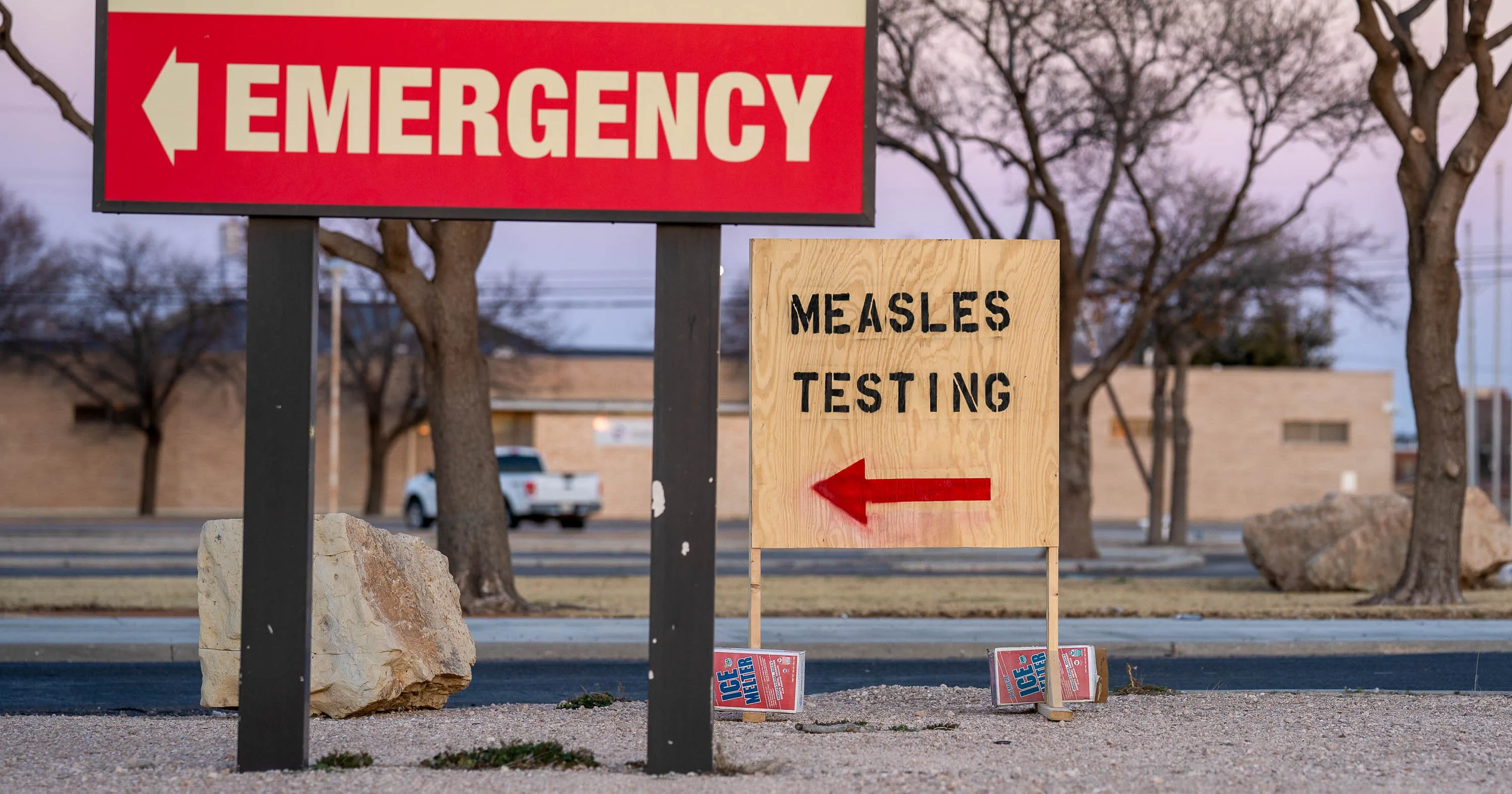
The United States has recorded more measles cases than in any year since 1991, with the Centers for Disease Control and Prevention confirming over 4,850 infections and three deaths since the beginning of last year. The surge surpassed the previous three-decade high in less than seven months, reaching a new record as of July 23. Among those who died were two unvaccinated girls in West Texas, a case that drew national attention to the resurgence of the disease.
Health experts and former officials have expressed concern that the current administration’s changes to immunisation policies and vaccine access programs are contributing to the outbreak. Robert F. Kennedy Jr., identified in the source material as the nation’s top health official, has been considering modifications to a government program that provides payouts for rare vaccine side effects. Critics warn that such changes could prompt vaccine manufacturers to leave the US market, potentially restricting access even for parents who wish to vaccinate their children.
A recent executive order issued by President Donald Trump has been cited as likely fuelling further hesitancy regarding the measles, mumps, and rubella vaccine. This marks a departure from decades of bipartisan support for vaccination programs that shielded children from deadly and disabling diseases. Federal and state health leaders had previously strengthened these policies based on lessons learned from past outbreaks, recognising measles as one of the most contagious diseases in history.
Internal records reveal that CDC leaders reportedly ordered staff not to release an expert assessment indicating a high risk of catching measles in areas with lagging vaccination rates near outbreaks. The agency later stated it declined to release the assessment because it did not say anything the public did not already know, while continuing to recommend vaccines as the best way to protect against the disease.
ProPublica shared key findings from modelling by two Stanford epidemiologists with the Department of Health and Human Services. The modelling projected potential deaths and disabilities over 25 years if vaccines for polio, measles, rubella, or diphtheria were no longer available. An HHS spokesperson declined to address the modelling directly but stated the agency has not limited access to FDA-approved vaccines. Meanwhile, the CDC is investigating whether measles has become endemic in the country again, following analysis of genetic codes from cases across the US.