US Labor Department proposes 401(k) rule changes to limit employer liability
New regulations would grant employers legal protection if they document their decision-making process, potentially making it harder for workers to sue over imprudent investment choices.
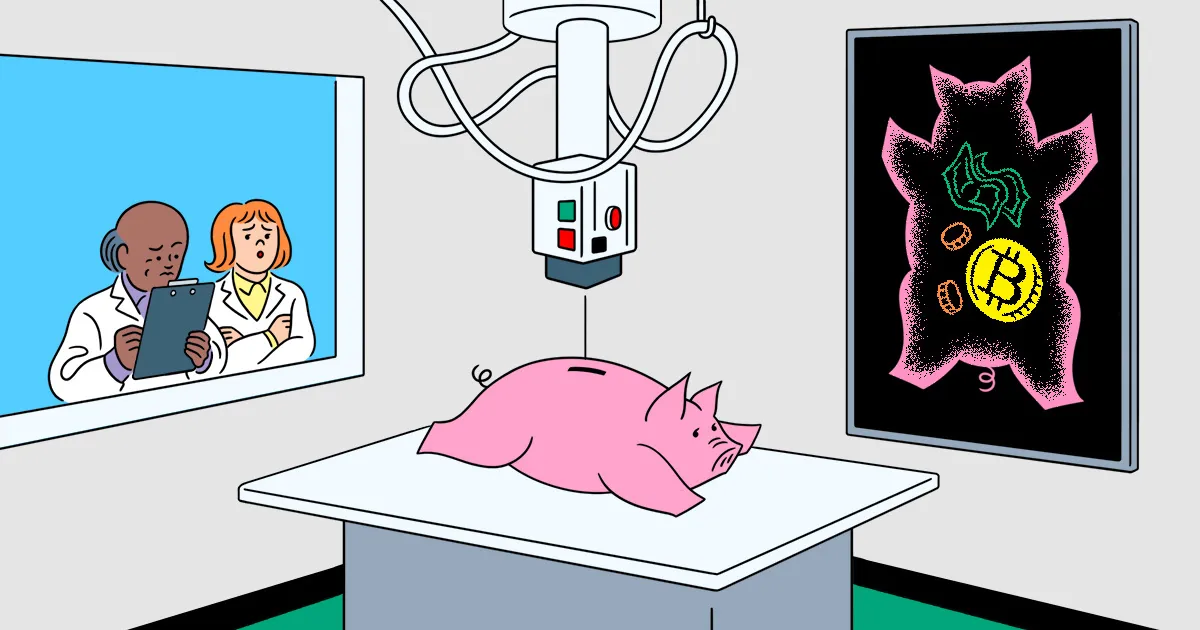
The US Department of Labor has proposed amendments to 401(k) retirement plan regulations that would make it more difficult for employees to hold their employers liable for the management of their funds. The proposal aims to encourage investment in private equity, real estate, and cryptocurrency by providing employers with greater legal protection if they adhere to a specific decision-making process.
Under the proposed rules, a company that demonstrates it has considered a set of six factors when selecting investments and has documented its reasoning would receive the "benefit of the doubt" in court. This protection applies even if the investment choices are later deemed imprudent. In a March announcement, the department stated the changes would "democratize access to alternative investments" and "lower litigation risks" for employers acting with good judgment.
The move aligns with President Donald Trump’s broader objective to encourage retirement plans to invest in complex and risky assets. However, critics argue the proposal shifts the balance of power. Monique Morrissey, a senior economist at the Economic Policy Institute, wrote in a June letter that the proposal would "gut protections for retirement savers" by prioritising maximising investment returns over balancing risk. She cited a 2025 AARP survey finding that most Americans do not consider access to private market investments or cryptocurrency important for their retirement accounts.
Conversely, Bonnie Treichel, founder of the consulting firm Endeavor Retirement, described the proposed rules as a framework rather than a mandate. She suggested that while employers could offer these new investments, they may not immediately rush to add riskier options. Tim Hauser, the former deputy assistant secretary at the Labor Department’s Employee Benefits Security Administration, noted that in his three-plus decades at the agency, he encountered cases where companies "generated a lot of paper" to explain their reasoning but ultimately made unwise financial decisions.
Experts advise workers to review their annual plan disclosures to monitor fees and investment options, as the rules are expected to be finalised this year. Since 2012, federal law has required companies to send employees an annual disclosure form listing all funds and fees. The Government Accountability Office has found that nearly four in 10 people do not fully understand the fees they are paying on their retirement plans. Smaller companies tend to have retirement plans with higher fees compared to larger companies, which possess more leverage to negotiate lower costs.
When reviewing these disclosures, experts recommend monitoring the expense ratio of each fund. An expense ratio over 1% is considered a "red flag" for high-cost plans, while index funds typically have ratios under or around 0.1%. Workers are advised to check if their plan administrator intends to offer new investment options and to ensure they are still invested in the lowest available fees.