US indicts former Cuban President Raul Castro over 1996 plane downing
Federal prosecutors have formally charged Raul Castro, who served as Cuba’s Minister of Defence in 1996, in connection with the downing of two American civilian light aircraft. The indictment arrives amidst a backdrop of renewed sanctions and geopolitical friction.
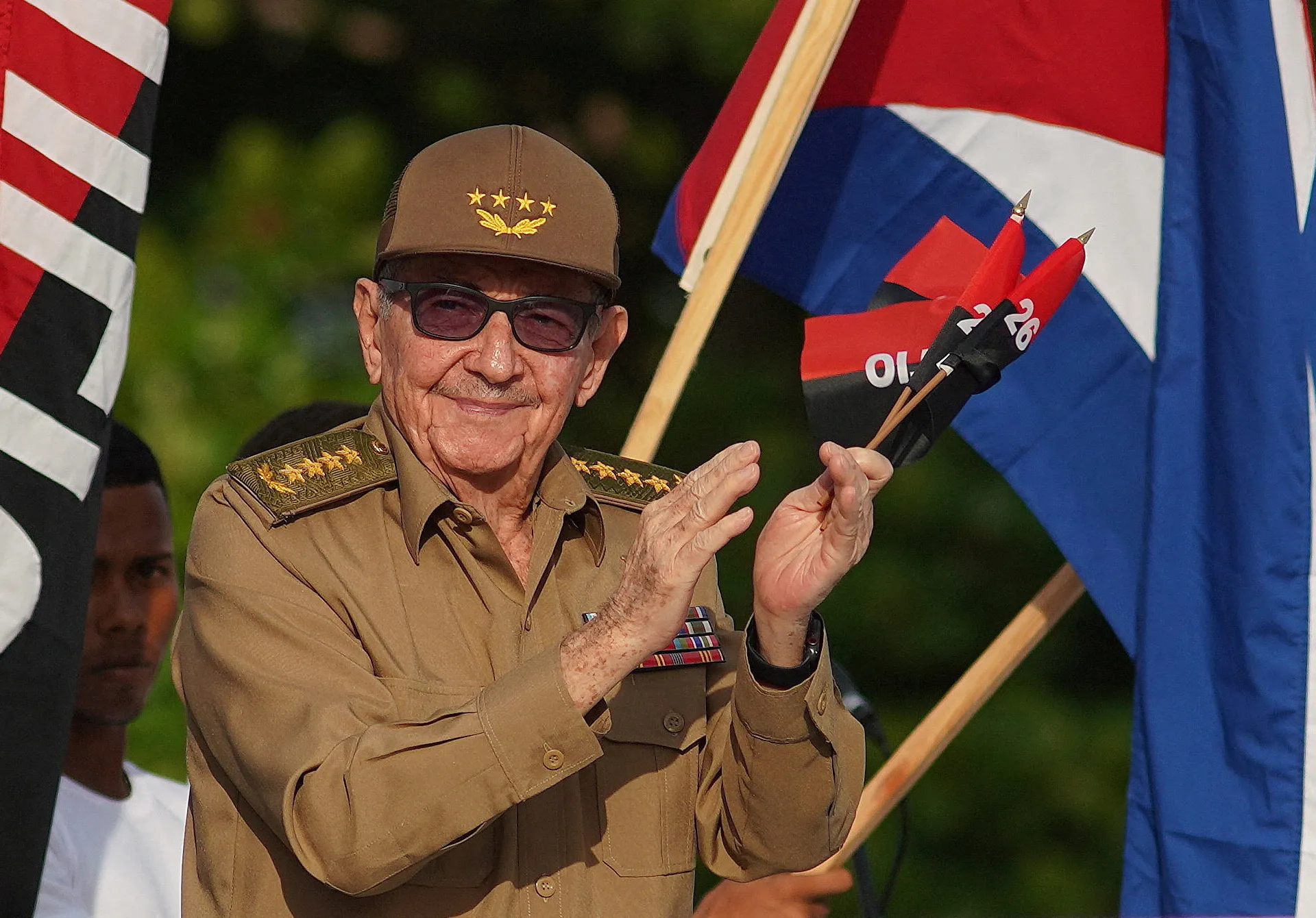
US federal prosecutors have announced the indictment of former Cuban President Raul Castro in relation to the downing of two American civilian light aircraft in 1996. The US Department of Justice has formally charged Castro for his role in the incident, which involved the shootdown of planes operated by the Miami-based exile group Brothers to the Rescue. At the time of the event, Castro held the position of Minister of Defence.
The legal action occurs against a backdrop of deteriorating US-Cuba relations, characterised by recent US Treasury sanctions on Cuba’s intelligence agency, nine Cuban nationals, and several top Communist Party officials and generals. Concurrently, reports from the US news site Axios, citing unnamed US intelligence officials, indicate that Havana has acquired over 300 military drones from Russia and Iran. These developments have added to the geopolitical tension surrounding the indictment, although the Cuban government has not yet issued an immediate comment regarding the charges.
Significant procedural uncertainties remain regarding the legal proceedings. It is currently undetermined which jurisdiction will handle the case, and it is unclear whether a trial can proceed in absentia given Castro’s status and location. The procedural status of the indictment and the likelihood of Castro facing trial are therefore currently unknown.
The indictment underscores persistent friction in bilateral relations, even as recent diplomatic efforts have attempted to engage with Havana. This includes a recent visit by CIA Director John Ratcliffe to the island for negotiations. Tensions have previously escalated, with Cuban President Miguel Diaz-Canel warning of a "bloodbath" in the event of a US attack.
Amidst these security concerns, a merchant ship under a Panamanian flag recently arrived in Cuba carrying 1,700 tons of humanitarian aid from Mexico. The arrival highlights the complex mix of humanitarian and military dynamics currently shaping the region, even as the US pursues legal accountability for events dating back three decades.