Putin and Xi frame Sino-Russian partnership as stabilising force amid US policy shifts
Russian and Chinese presidents describe their alliance as a ‘friendship without limits’ and a counterweight to American dominance, as experts analyse the push for a multipolar world order.
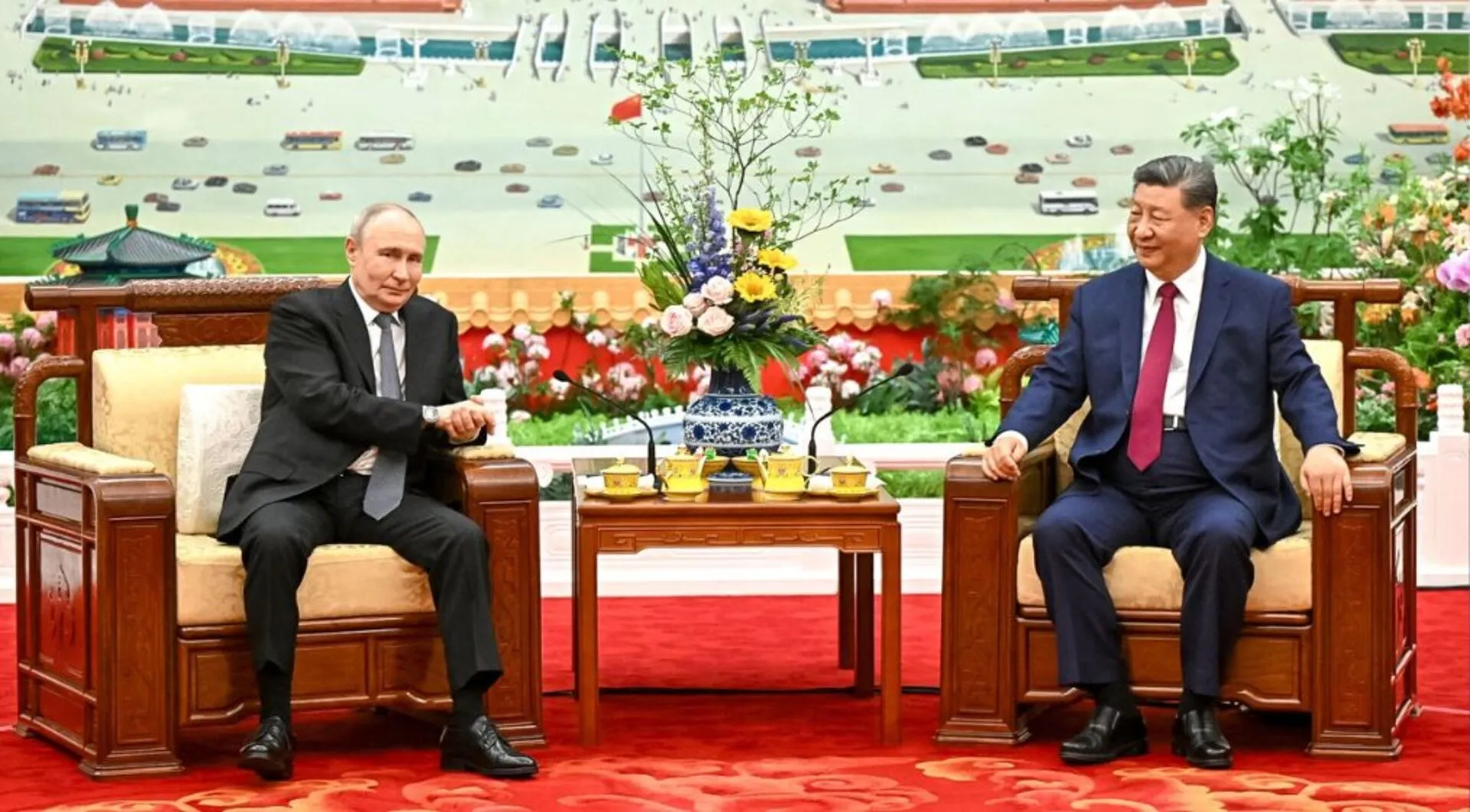
Russian President Vladimir Putin arrived in Beijing this week for talks with Chinese President Xi Jinping, marking the second high-profile visit to the Chinese capital in as many weeks. The meeting follows US President Donald Trump’s recent trip to Beijing, underscoring the strategic importance of the region as major powers recalibrate their diplomatic engagements.
During the summit, Xi and Putin characterised their bilateral relationship as a “force of calm among chaos.” The leaders issued a joint warning against a return to the “law of the jungle,” a phrase widely interpreted as a critique of the current US administration’s foreign policy approach. This rhetoric highlights the deepening alignment between Moscow and Beijing, who have long described their ties as a “friendship without limits.”
The joint statement specifically referenced US President Donald Trump’s policies, including sweeping global tariffs and what the leaders termed a war against Iran. By framing these actions as destabilising, the two leaders positioned their partnership as a necessary counterbalance to American hegemony, signalling a shared commitment to reshaping the global geopolitical landscape.
The visit comes at a time of heightened tension in the Western Hemisphere, where the United States has recently imposed sanctions on Cuba’s intelligence agency and senior officials. These measures were prompted by reports that Havana has acquired over 300 military drones from Russia and Iran. The diplomatic coordination between Moscow and Beijing thus extends beyond bilateral ties, influencing security dynamics across multiple theatres.
Analysts suggest the summit reflects a concerted effort by China and Russia to advance a multipolar world order where the United States does not hold unilateral dominance. Andy Mok, author of *The Innovation Machine*, Pavel Devyatkin of the Quincy Institute for Responsible Statecraft, and Allen Carlson, an associate professor at Cornell University specialising in Chinese foreign policy, have provided commentary on the strategic implications of this renewed diplomatic push.
While the specific outcomes or formal agreements resulting from the Putin-Xi meeting remain undisclosed, the rhetorical stance taken by both leaders reinforces their narrative of a unified front against perceived Western aggression. The emphasis on stability and the rejection of unilateral power projection suggest that Moscow and Beijing intend to leverage their economic and political weight to challenge existing international norms.