UK government faces diplomatic fallout after easing Russian oil sanctions
Downing Street defends temporary licences for jet fuel and diesel as standard market stability measures, but opposition and Ukrainian officials accuse the administration of undermining the sanctions regime.
The UK government has come under intense scrutiny after introducing temporary licences that permit the import of Russian jet fuel and diesel, a move that has sparked a diplomatic row with Ukraine and drawn sharp criticism from the Conservative opposition. While Downing Street insists the decision is part of a broader, tougher sanctions package designed to maintain market stability, Ukrainian officials have expressed deep disappointment, warning that the revenue generated could directly fund Russia’s ongoing war efforts.
The controversy centres on a sanctions package that came into force on Tuesday, which initially banned Russian oil products processed in third countries. However, exceptions were granted for jet fuel and diesel refined from Russian crude, as well as fossil gas shipments from two Russian terminals. These licences are valid for three months before review. The government cited the high fuel costs driven by the conflict in Iran as the primary justification for the temporary measure, with Prime Minister Keir Starmer’s spokesperson describing the approach as standard practice used by previous administrations to protect consumers.
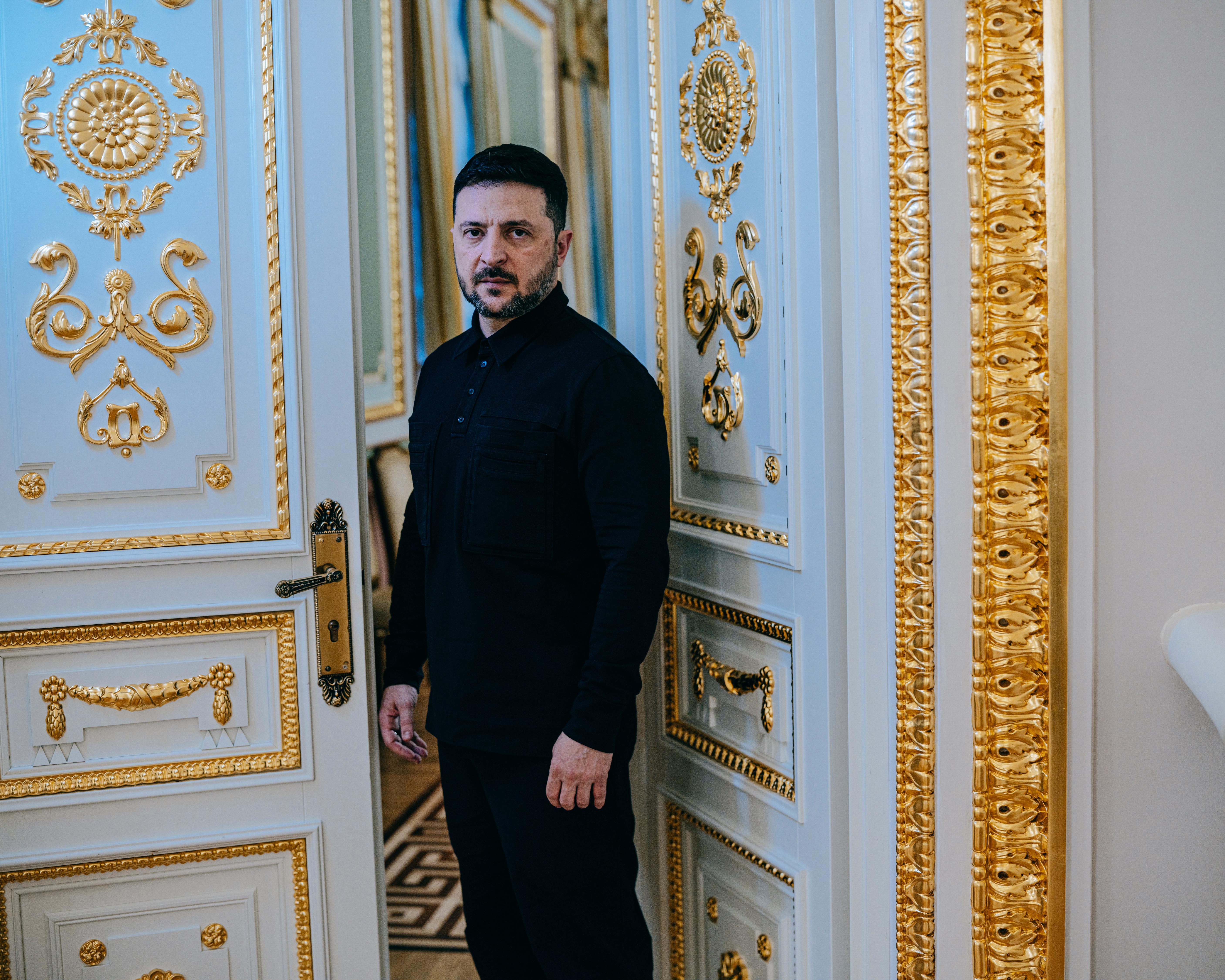
Ukrainian President Volodymyr Zelenskyy confirmed that discussions had taken place with UK officials, stating that Kyiv had conveyed its views on the sensitive matter. Zelenskyy emphasised that long-term sanctions were the most effective tool for influencing Russia and expected further dialogue this week. Vladyslav Vlasiuk, a Ukrainian government sanctions commissioner, described the decision as predictable but criticised it for treating symptoms rather than causes. He warned that Russia would channel any extra revenue into the war, noting that Western policy had been too little too late.
Domestic political fallout was immediate, with Conservative leader Kemi Badenoch accusing Starmer of sneaking out an announcement to remove sanctions. She argued in the Commons that buying Russian oil would fund the killing of Ukrainian soldiers. Starmer defended the package as strong and new, highlighting bans on maritime services for LNG and refined oil products. He insisted that the short-term licences were merely a phased-in measure to ensure market stability, a point echoed by Trade Minister Chris Bryant, who admitted the announcement had been handled clumsily.
Bryant apologised in the House of Commons for giving the wrong impression, blaming poor inter-departmental communication between the Department for Business and Trade and the Foreign Office. He accepted full responsibility for the error, telling colleagues that if anyone wished to criticise the handling of the policy, they should direct their ire at him alone. The government’s damage control efforts were further complicated by criticism from Emily Thornberry, chair of the Commons foreign affairs committee, who noted that a loophole promised to be closed in October had not only remained open but appeared to have worsened.
Despite the political friction, the UK government maintains that the new measures strengthen the overall sanctions regime. However, the decision has left Ukrainian allies feeling let down, with one former senior government figure suggesting that Vladimir Putin would decide over the summer whether to launch another winter campaign based on battlefield conditions and ally attitudes. Zelenskyy has continued to intensify strikes against Russia’s oil infrastructure, arguing that such actions tangibly compel Russia to reduce its aggression.
Foreign Secretary Yvette Cooper and UK diplomats in Ukraine have engaged in extensive damage control, with Cooper speaking to her Ukrainian counterpart, Andrii Sybiha. The administration is now attempting to reassure Kyiv that the temporary licences do not weaken the broader restrictions, even as the opposition and Ukrainian officials continue to question the strategic logic of allowing Russian oil products into the UK market during an active conflict.