US indicts former Cuban leader Raul Castro over 1996 plane shootdown
Acting US Attorney General Todd Blanche announces criminal charges against Raul Castro and five co-defendants, citing the downing of two civilian planes that killed four Americans.
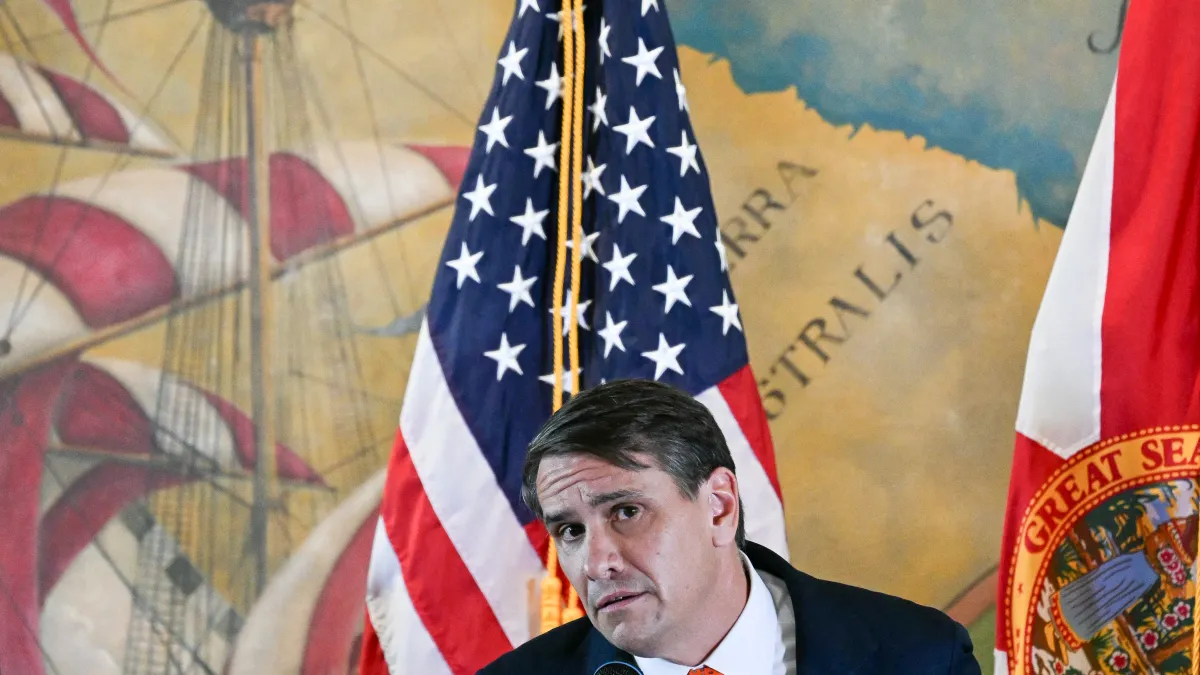
The United States has issued criminal charges against former Cuban leader Raul Castro and five co-defendants for their roles in the 1996 downing of two civilian planes operated by the exile group Brothers to the Rescue, which resulted in the deaths of four Americans. Acting US Attorney General Todd Blanche described the indictment as a historic moment, marking the first time in nearly 70 years that senior Cuban leadership has been charged in the US for acts of violence resulting in the deaths of US citizens. The charges include one count of conspiracy to kill US nationals, four counts of murder, and two counts of destroying an aircraft.
The move has escalated tensions between the two nations, with Cuban President Miguel Diaz-Canel condemning the indictment as a political manoeuvre lacking legal basis and asserting the shootdown was an act of legitimate self-defence. Diaz-Canel stated that the US "knows full well" that no reckless actions were taken and that international law was not violated, framing the legal action as part of a broader campaign to justify potential military aggression.
The indictment occurs amidst heightened US pressure on Cuba, including sanctions and a de facto fuel blockade implemented by the Trump administration. Since returning to office, the administration has cut off the exchange of funds and fuel between Venezuela and Cuba, threatening economic penalties against any country supplying Havana with fuel. This has severely impacted Cuba’s aging infrastructure, leading to country-wide blackouts and deepening an already severe economic crisis.
President Donald Trump stated that America would not tolerate a "rogue state" with hostile operations just 90 miles from US shores and vowed to rest until the Cuban people have freedom. Secretary of State Marco Rubio released a video statement blaming Cuba’s leadership for current economic and humanitarian problems, reiterating a US offer of $100m in humanitarian assistance in exchange for reform. Reports also indicate the Trump administration is in talks with figures such as Raul Castro’s grandson, Raul “Raulito” Rodriguez Castro, and his son, Alejandro Castro Espin, potentially seeking to replace President Diaz-Canel.
Cuba’s Foreign Minister Bruno Rodriguez struck a defiant tone, stating that despite the embargo, sanctions, and threats of force, Cuba continues on a path of sovereignty towards socialist development. Analyst Javier Farje suggested the US strategy may be more about gradual political and economic transformation rather than immediate regime change, noting that Trump’s tough talk might be a negotiation tactic to extract concessions while avoiding a refugee crisis that could undermine immigration restrictions.