US Federal Reserve eyes Iran-driven inflation ahead of July 28 meeting
Markets anticipate a hold on interest rates, but the US central bank’s next decision will be heavily influenced by concerns that tensions in Iran could accelerate inflationary pressures.
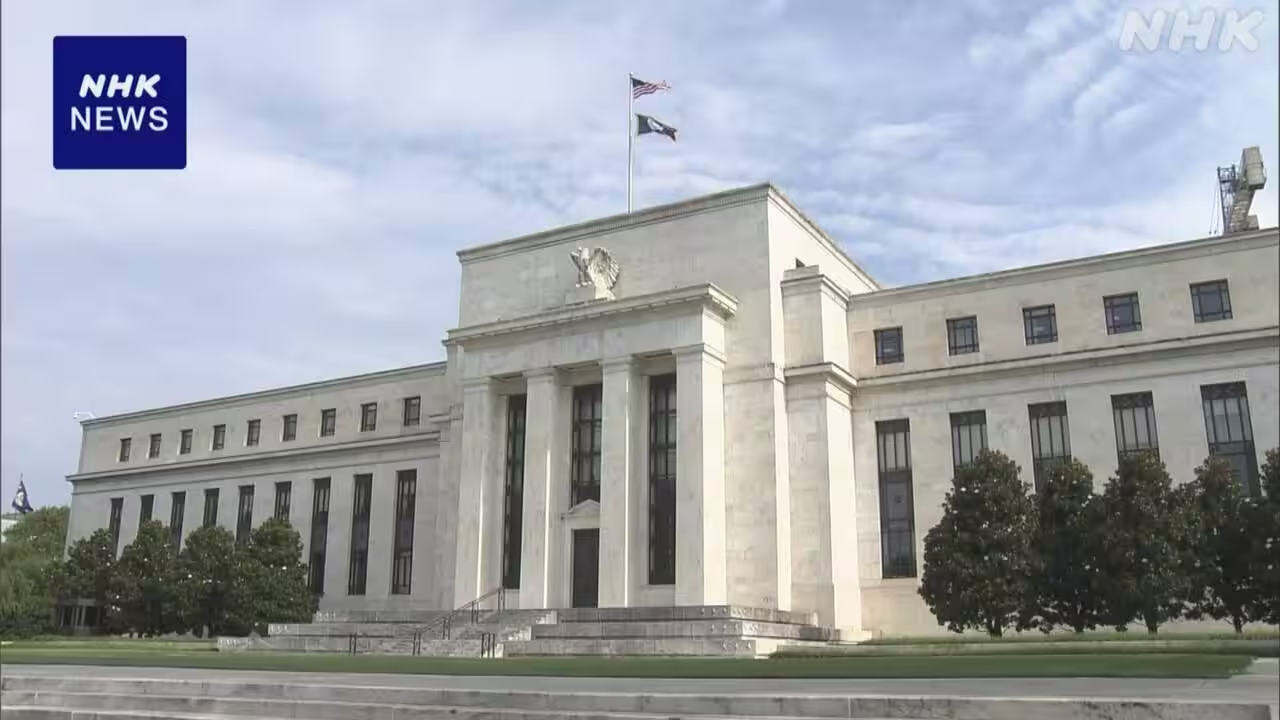
The US Federal Reserve is set to commence its second monetary policy meeting under Chair Warsh on July 28, 2026, with financial markets largely pricing in a decision to maintain current interest rates. According to reporting from NHK News Japan, the central bank’s deliberations are increasingly centred on how the geopolitical situation in Iran may impact domestic economic stability.
While the consensus among traders suggests the Federal Reserve will keep policy rates unchanged, significant attention is focused on the potential for the Iran situation to drive a resurgence in inflation. The source indicates that concerns are mounting regarding how regional tensions could accelerate price increases, particularly through their effect on global oil markets.
The upcoming meeting represents a critical juncture for Chair Warsh, who is navigating a complex macroeconomic environment. Although the immediate expectation is for stability in borrowing costs, the Federal Reserve must weigh the risks of inflation re-acceleration against the backdrop of international instability.
NHK News Japan’s report, published on July 27, highlights the specific anxiety surrounding oil prices as a transmission mechanism for inflation. The implication is that any escalation in the Iran situation could disrupt supply chains or sentiment, forcing the central bank to consider how these external shocks might alter its inflation outlook.
As the July 28 meeting approaches, the Federal Reserve’s guidance will likely reflect a cautious approach to these external risks. The divergence between market expectations of a rate hold and the underlying inflationary threats from Iran underscores the delicate balance Chair Warsh must maintain to ensure price stability.