US envoys head to Islamabad for ceasefire talks despite Tehran's rejection of direct US engagement
US officials are scheduled to depart for Pakistan on Saturday to facilitate negotiations, even though Iran has formally ruled out direct talks with American representatives.
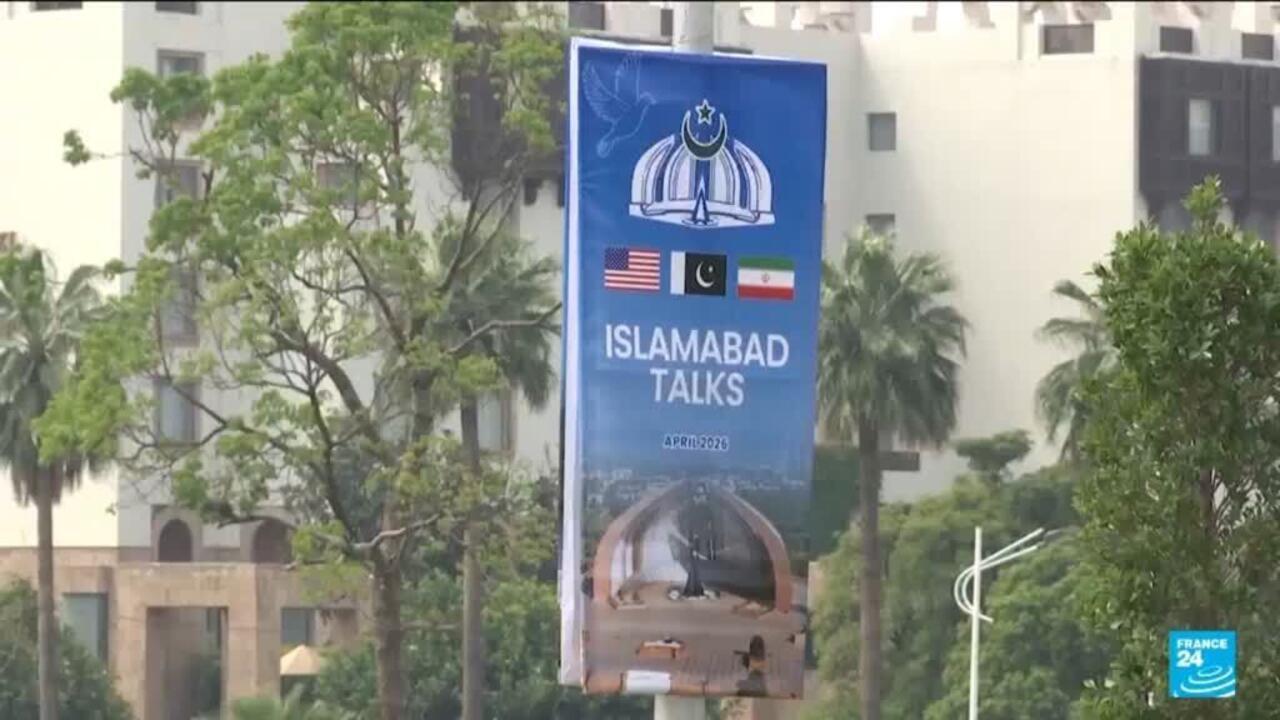
US envoys are scheduled to travel to Islamabad on Saturday in an attempt to salvage ceasefire negotiations with Tehran. This diplomatic initiative moves forward concurrently with the arrival of Iran's top diplomat in the Pakistani capital, creating a scenario where both delegations are present despite a fundamental disagreement on the format of engagement.
The core structural barrier to an immediate resolution remains intact, as Iran has explicitly ruled out direct negotiations with US representatives. While the White House administration has anticipated in-person conversations between the delegations, Iranian state media has maintained a firm stance against direct US engagement, leaving the specific nature of the upcoming discussions undefined.
US Vice President JD Vance has indicated readiness to travel to Pakistan to join the negotiations if they prove successful. This potential escalation of the US delegation's presence underscores the administration's commitment to the process, even as the logistical and diplomatic constraints imposed by Tehran persist.
The broader context of the conflict remains volatile, with an indefinite ceasefire currently pausing most active fighting. However, the economic fallout continues to mount due to disrupted global energy shipments resulting from the closure of the Strait of Hormuz, a critical bottleneck for international trade.
Tehran has stated that a resolution to the conflict in Lebanon is a precondition for engaging in talks with the United States. Although a ceasefire in Lebanon has been extended for three weeks, fighting continues in the southern buffer zone between Israel and Hezbollah, complicating the diplomatic landscape in the region.
Qatar's Emir Sheikh Tamim bin Hamad Al Thani has pledged continued mediation support following discussions with President Donald Trump regarding the Washington-Tehran ceasefire agreement. This commitment from a key regional mediator provides a potential pathway for communication, given the uncertainty over whether US envoys will engage directly with Iranian officials or facilitate contact through third parties such as Pakistan or Qatar.