Coordinated assaults on military infrastructure reported across Mali as fighting continues in capital
The military junta led by Gen Assimi Goïta confirms defence forces are engaged in repelling the attackers while travel is disrupted
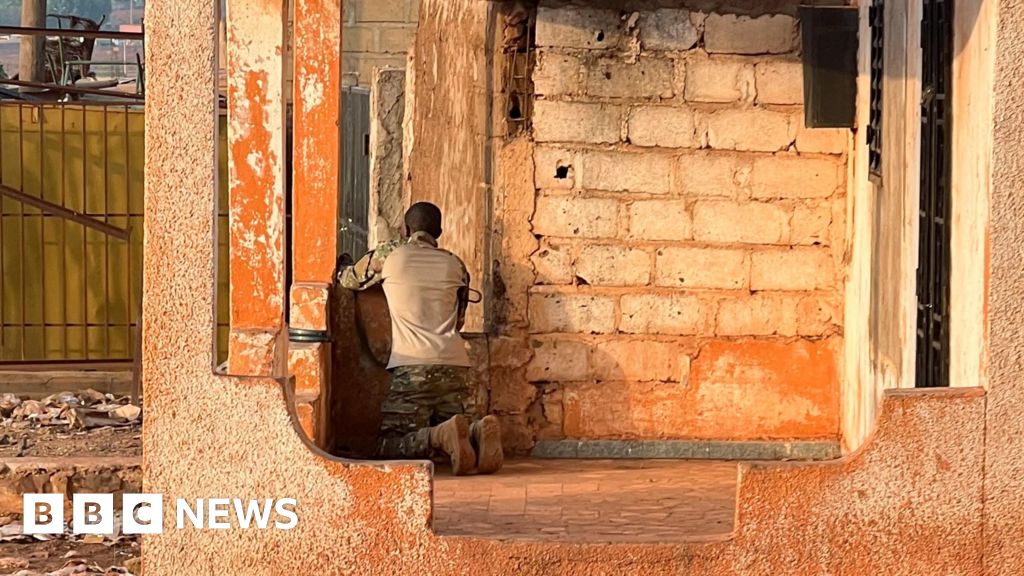
Coordinated armed assaults have been launched across Mali, targeting military infrastructure in the capital Bamako and extending to strategic locations in the interior. According to a statement released on Saturday morning, the Malian army reports that fighting is ongoing as defence and security forces engage in repelling the attackers. The violence has forced the closure of key transport links, with roads blocked in affected areas and flights into Bamako cancelled early on Saturday.
Witnesses have reported explosions and sustained gunfire around the Kati military base, a major installation situated outside the capital. The intensity of the engagement was such that helicopters were observed patrolling neighbourhoods near the Modibo Keïta International Airport, although it remains unclear whether the airport has been physically affected by the assault. Soldiers have been deployed to secure the perimeter and block off roads in the vicinity of the base.
Beyond the capital, reports of attacks have emerged in Gao in the east and Sevare in central Mali. These incidents underscore the persistent security challenges facing the state under its current military administration. The Malian army has identified the attacking groups as terrorist organisations affiliated with jihadist networks, though the specific identity of the groups behind the coordinated assault remains unconfirmed.
The violence occurs against the backdrop of a long-running insurgency that began with a separatist rebellion by ethnic Tuaregs in the north, which was subsequently hijacked by Islamist militants. Large parts of the north and east of the country remain outside government control, complicating the military's ability to secure the entire territory. The current administration, a junta led by General Assimi Goïta who seized power in a 2020 coup, has struggled to contain the threat since international peacekeeping forces departed.
To address the escalating insecurity, the military government hired Russian mercenaries after the departure of the UN peacekeeping mission and French forces in 2013. Despite these measures, the jihadist insurgency has continued to pose a significant threat, prompting the US Embassy to advise citizens to shelter in place and avoid travel due to the explosions and gunfire reported near the airport and Kati.
The military junta had initially garnered popular support when it took power, promising to restore security and push back armed groups. However, the resumption of coordinated attacks on critical military positions highlights the fragility of the current security situation and the ongoing difficulties in stabilising the region under the existing military rule.