Local elections held in Deir al-Balah mark first Gaza poll in two decades
The ballot included candidates affiliated with Hamas, though official party lists were absent, as the Palestinian Central Elections Commission oversees the process.
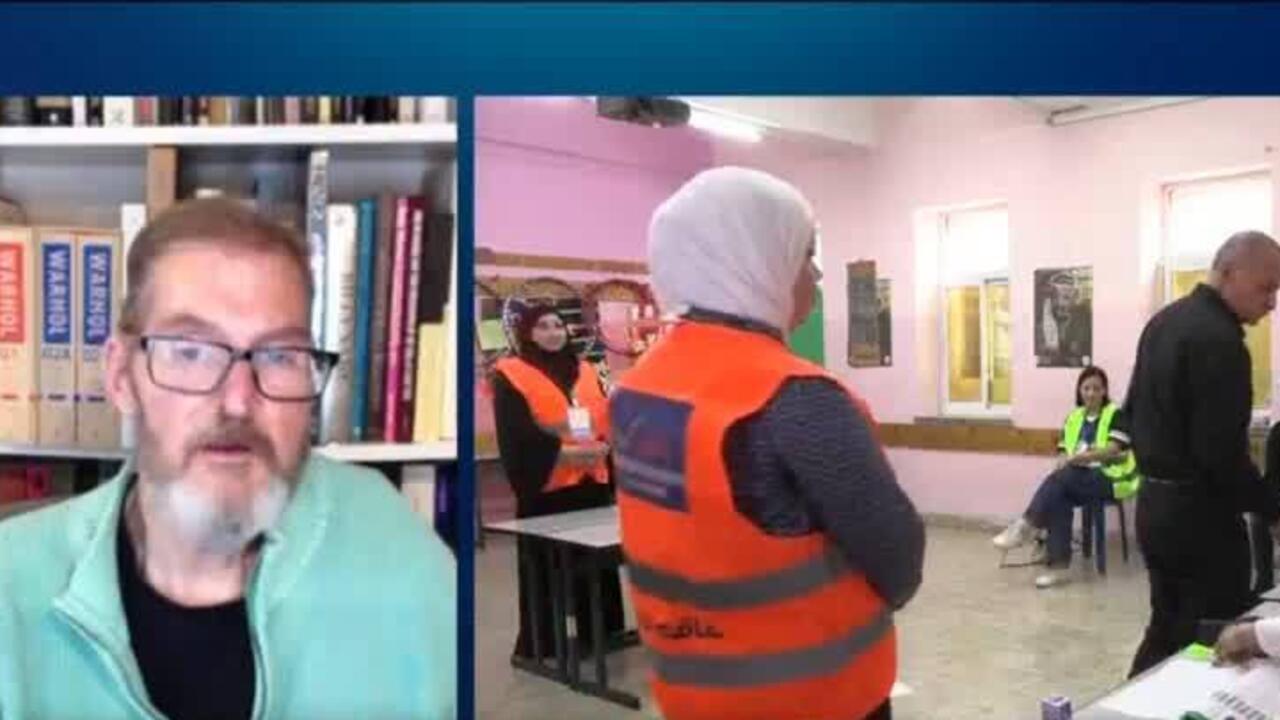
Palestinians cast ballots in Deir al-Balah on Saturday, marking the first local election in part of the Gaza Strip in over 20 years. The voting exercise took place under challenging conditions, with polling conducted inside tents and damaged buildings. This event represents the first instance of voting in the territories since the conflict began in October 2023.
The election was organised by the Palestinian Central Elections Commission, which oversees a broader process across the West Bank where approximately 1.5 million people were registered to vote. In the Gaza portion of the poll, around 70,000 individuals were eligible to participate. While the vote in Deir al-Balah is largely symbolic due to the enclave's decimated state, the broader West Bank exercise allows local councils to oversee essential services such as water, roads, and electricity.
The ballot featured candidates affiliated with Hamas, although official candidates from the group were absent from the list. Despite this absence, data from the Palestinian Center for Policy and Survey Research suggests that Hamas remains the most popular faction in both Gaza and the West Bank. This dynamic highlights the complex political landscape where public sentiment may diverge from official representation on the ballot.
Hussein Ibish, Senior Resident Scholar at the Arab Gulf States Institute, characterised the vote as a barometer of Palestinian public opinion. His assessment underscores the significance of the poll in gauging the current mood of the population amidst ongoing geopolitical tensions. The election occurs at a time when the Palestinian Authority's influence has withered due to a lack of peace negotiations with Israel and the expansion of Israeli settlements.
The structural limitations of the Deir al-Balah vote contrast sharply with the functional capacity of local councils in the West Bank. While the former serves primarily as a political statement in a decimated infrastructure environment, the latter offers a mechanism for governance and service delivery. This dichotomy reflects the broader challenges facing the region as political institutions navigate a landscape defined by conflict and stalled diplomatic progress.